Boys Summer Vest
CN → US| HS Code | Tariff Rate | Origin | Destination | Doc |
|---|---|---|---|---|
| 6114301010 | 45.7% | CN | US | Official Doc |
| 6109100023 | 34.0% | CN | US | Official Doc |
| 6109901025 | 49.5% | CN | US | Official Doc |
| 6211329070 | 25.6% | CN | US | Official Doc |
| 6114200005 | 28.3% | CN | US | Official Doc |
Product Images

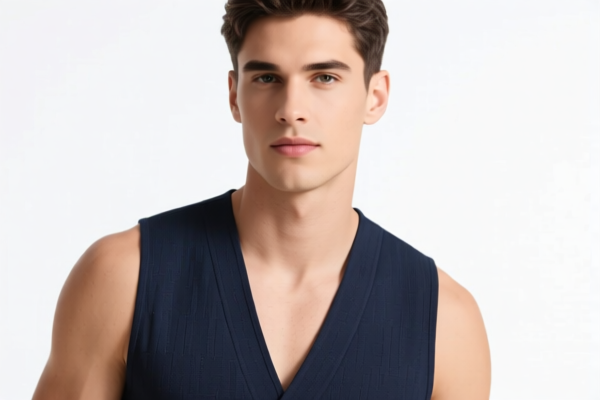


AI Analysis
👕 Boys Summer Vest (针织/非针织上衣)
🌐 HS Code Reference & Customs Clearance Guide | 2026 Latest Tariff Analysis | Strategic Compliance Strategy
📌 1. Product Definition & Classification: Do You Really Understand "Summer Vest"?
A "Boys Summer Vest" in international trade is primarily classified based on two critical factors: 1. Manufacturing Method: Knitted/Hand-crocheted vs. Woven (Non-knitted). 2. Material Composition: Cotton, Artificial Fibers (Synthetic/Man-made), or Other Textiles.
⚠️ Key Distinction Point:
- If the fabric is knitted or crocheted → It falls under Chapter 61 (Articles of Apparel and Clothing Accessories, Knitted or Crocheted).
- If the fabric is woven (non-knitted) → It falls under Chapter 62 (Articles of Apparel and Clothing Accessories, Not Knitted or Crocheted).
- Cotton is the most common material, but if it contains other synthetic fibers or blends, the classification changes significantly, impacting tax rates.
📦 2. HS Code Classification Details (2026 Latest Tariff Authority Match)
Based on the provided data, here are the precise HS codes for Boys Summer Vests, categorized by material and construction:
| HS Code | Product Description | Material Type | Manufacturing Method |
|---|---|---|---|
| 6109.10.00.23 | Boys' Summer Vest, Knitted Cotton Top | Cotton | Knitted |
| 6114.20.00.05 | Boys' Summer Vest, Knitted Cotton Top* | Cotton | Knitted |
| 6114.30.10.10 | Boys' Summer Vest, Knitted Artificial Fiber/Cotton Top | Artificial Fiber or Cotton | Knitted/Crocheted |
| 6109.90.10.25 | Boys' Summer Vest, Knitted Other Textile Material Top | Other Textiles | Knitted |
| 6211.32.90.70 | Boys' Summer Vest, Non-Knitted (Woven) Cotton Top | Cotton | Woven (Non-Knitted) |
🔍 Critical Note:
- 6109 vs. 6114: 6109 is typically for T-shirts, singlets, and undershirts (often considered innerwear or lightweight tops). 6114 is for other garments (often outerwear or specific style vests). The distinction often depends on the specific style, thickness, and intended use (e.g., is it a tank top vs. a vest jacket?). - 61xx vs. 62xx: Always verify if the fabric is knitted (stretchy, looped) or woven (crisscross threads, structured). This is the primary divider between Chapter 61 and 62.
💰 3. 2026 Latest Tariff Rate Breakdown (Including Surcharges & Policy Add-ons)
✅ Applicable Country: United States (US)
✅ Origin: China (CN)
✅ Effective Time: 2025-11-10 onwards (including subsequent imports)
🎯 1. 6109.10.00.23 – Boys' Summer Vest, Knitted Cotton
| Item | Content |
|---|---|
| Base Tariff | 16.5% |
| Section 301 Surcharge | +7.5% |
| Section 122 Surcharge | +10% |
| Total Tax Rate | 34.0% |
| Tax Calculation | CIF Value × 34.0% |
| De Minimis Exemption | ❌ Not Applicable (Due to high surcharges) |
| Legal Basis Path | USITC:6109.10.00.23 → 301:7.5% → 122:10% |
📌 Explanation:
- Base 16.5%: Standard MFN rate for knitted cotton T-shirts/vests. - 301 Surcharges: 7.5% is applied due to Section 301 trade remedies. - 122 Surcharges: 10% is the Section 122 tariff (national security trade remedy) effective as of late 2024/2025. - Total 34.0%: A significant cost driver. This is moderate compared to synthetic options.
🎯 2. 6114.20.00.05 – Boys' Summer Vest, Knitted Cotton
| Item | Content |
|---|---|
| Base Tariff | 10.8% |
| Section 301 Surcharge | +7.5% |
| Section 122 Surcharge | +10% |
| Total Tax Rate | 28.3% |
| Tax Calculation | CIF Value × 28.3% |
| De Minimis Exemption | ❌ Not Applicable |
| Legal Basis Path | USITC:6114.20.00.05 → 301:7.5% → 122:10% |
📌 Explanation:
- Base 10.8%: Lower base rate for "other knitted/crocheted garments" compared to T-shirts (6109). - Total 28.3%: This is the LOWEST tariff option for knitted cotton vests in this dataset. If your product fits this description (e.g., a specific vest style rather than a tank top), this is the optimal HS code.
🎯 3. 6114.30.10.10 – Boys' Summer Vest, Knitted Artificial Fiber or Cotton
| Item | Content |
|---|---|
| Base Tariff | 28.2% |
| Section 301 Surcharge | +7.5% |
| Section 122 Surcharge | +10% |
| Total Tax Rate | 45.7% |
| Tax Calculation | CIF Value × 45.7% |
| De Minimis Exemption | ❌ Not Applicable |
| Legal Basis Path | USITC:6114.30.10.10 → 301:7.5% → 122:10% |
📌 Explanation:
- Base 28.2%: High base rate for knitted garments made of artificial fibers (polyester, nylon, etc.) or blends. - Total 45.7%: Highest tariff in the dataset. Avoid this if possible. Synthetic fibers attract higher base duties.
🎯 4. 6109.90.10.25 – Boys' Summer Vest, Knitted Other Textile Material
| Item | Content |
|---|---|
| Base Tariff | 32.0% |
| Section 301 Surcharge | +7.5% |
| Section 122 Surcharge | +10% |
| Total Tax Rate | 49.5% |
| Tax Calculation | CIF Value × 49.5% |
| De Minimis Exemption | ❌ Not Applicable |
| Legal Basis Path | USITC:6109.90.10.25 → 301:7.5% → 122:10% |
📌 Explanation:
- Base 32.0%: Highest base rate for "other textile materials" (e.g., wool, silk, or unspecified blends). - Total 49.5%: Extremely High Tariff. Only use this if the material composition strictly falls into "other textiles" and cannot be classified elsewhere.
🎯 5. 6211.32.90.70 – Boys' Summer Vest, Non-Knitted (Woven) Cotton
| Item | Content |
|---|---|
| Base Tariff | 8.1% |
| Section 301 Surcharge | +7.5% |
| Section 122 Surcharge | +10% |
| Total Tax Rate | 25.6% |
| Tax Calculation | CIF Value × 25.6% |
| De Minimis Exemption | ❌ Not Applicable |
| Legal Basis Path | USITC:6211.32.90.70 → 301:7.5% → 122:10% |
📌 Explanation:
- Base 8.1%: Lowest base rate for woven cotton garments. - Total 25.6%: Second Lowest Tariff. If the vest is made of woven fabric (e.g., oxford cloth, poplin, denim-style vest), this is the best classification for cost efficiency.
🛠️ 4. Customs Clearance Practical Advice (Battle-Tested Pitfall Guide)
✅ 1. Preparation Checklist (Mandatory)
| Document | Required | Notes |
|---|---|---|
| ✅ Fabric Swatch | ✔️ | Must provide physical/digital proof of knitting type (Knit vs. Woven) and material (Cotton vs. Synthetic). |
| ✅ Tech Pack | ✔️ | Show detailed construction: seams, collar style, etc., to distinguish between 6109 (T-shirt) and 6114/6211 (Vest). |
| ✅ Product Photos | ✔️ | Clear images showing the garment's structure. Is it a sleeveless T-shirt (6109) or a vest (6114/6211)? |
| ✅ Commercial Invoice | ✔️ | Must clearly state: "Boys' Summer Vest," Material Composition (% Cotton, % Polyester), and Manufacturing Method (Knitted/Woven). |
| ✅ Bill of Lading | ✔️ | Ensure consistent description. |
✅ 2. Declaration Tips (Key Mantra)
🔥 “Knit is Chapter 61, Woven is Chapter 62. Cotton is cheaper, Synthetic is expensive!”
| Scenario | Correct HS Code | Incorrect Approach | Consequence |
|---|---|---|---|
| Knitted Cotton Tank Top | 6109.10.00.23 (34.0%) or 6114.20.00.05 (28.3%) |
Declare as 6114.30 (Synthetic) |
Overpay by ~17% |
| Woven Cotton Vest | 6211.32.90.70 (25.6%) |
Declare as 6114.30 (Knitted Synthetic) |
Overpay by ~20% |
| Polyester Blend Vest | 6114.30.10.10 (45.7%) |
Try to claim "Cotton" | Customs seizure + penalties |
| "Other Textile" Vest | 6109.90.10.25 (49.5%) |
Avoid unless necessary | Highest cost, complex audit |
✅ 3. Special Handling Cases
| Situation | Recommendation |
|---|---|
| Blended Fabrics | If the material is a blend (e.g., 60% Cotton, 40% Polyester), it is usually classified as Artificial Fiber (Chapter 61, Heading 6114) or Cotton depending on weight. Check the "chief weight" rule. If cotton >50%, it may qualify for lower cotton rates. |
| Style Ambiguity | If it looks like a T-shirt but is called a "Vest," use 6109. If it has a more structured vest shape, use 6114 or 6211. Provide photos to avoid reclassification. |
| Section 122 Impact | Remember, the 10% Section 122 tariff is now standard for most Chinese textile imports. Do not base calculations solely on the base rate. Total Cost = Base + 7.5% + 10%. |
| De Minimis Loophole | ❌ No. Section 122 and Section 301 tariffs generally invalidate the $800 de minimis exemption for Chinese goods. Plan for full duty payment. |
🌍 5. Cost Optimization Strategy
| Priority | HS Code | Total Tax | Strategy |
|---|---|---|---|
| 🥇 Best | 6211.32.90.70 |
25.6% | Use Woven Cotton. If your design allows, switch from knitted to woven (e.g., Oxford cloth) to save ~2.7% vs. best knit option. |
| 🥈 Good | 6114.20.00.05 |
28.3% | Knitted Cotton under 6114. Ensure the style is clearly a "vest" and not a "T-shirt" to avoid the 34% rate. |
| 🥉 Acceptable | 6109.10.00.23 |
34.0% | Standard Knitted Cotton T-shirt/Singlet. Common and safe, but 5.7% more expensive than the best option. |
| ⚠️ Avoid | 6114.30.10.10 |
45.7% | Artificial Fiber. Too expensive. Only use if synthetic is mandatory for performance reasons. |
| 🚫 Forbidden | 6109.90.10.25 |
49.5% | Other Textiles. Avoid unless necessary. |
📌 Conclusion:
- Woven Cotton (6211) is the cheapest at 25.6%.
- Knitted Cotton (6114) is second at 28.3%.
- Synthetics (6114.30) are expensive at 45.7%.
- Material choice is critical. If you can use 100% Cotton (Knit or Woven), you save significantly compared to Polyester/Artificial Fibers.
📌 6. Common Errors & Pitfalls (Blood Lessons)
❌ Error 1: Misclassifying Knitted Cotton as "Other Textile"
👉 Consequence: Tax jumps from 28.3% to 49.5%. Loss of 21.2%!
❌ Error 2: Declaring a Woven Vest as Knitted
👉 Consequence: Customs may reclassify to 6211 (25.6%) or penalize for incorrect declaration. If originally declared as 45.7% synthetic, you might get a refund, but delays are costly.
❌ Error 3: Ignoring Section 122 Tariff
👉 Consequence: Budgeting only for Base + 301 leaves you short by 10%. Underestimated landed cost.
❌ Error 4: Confusing 6109 and 6114
👉 Consequence: 6109 is 34.0%, 6114 Cotton is 28.3%. A simple style description change can save 5.7%.
✅ Correct Approach:
“Boys’ Summer Vest, 100% Cotton, Woven, Knitted/Crocheted: No, Style: Vest with Button Front”
HS Code:6211.32.90.70
Total Tax: 25.6%
🎯 7. Conclusion: Precise Classification Saves Money!
🎯 Remember the Mantra:
🔹 “Woven Cotton Wins (25.6%), Knitted Cotton Follows (28.3%), Synthetics Lose (45.7%)!”
🔹 “Check Knit vs. Woven, Check Cotton vs. Synthetic, Check 61 vs. 62!”
📌 Pro Tip:
If your product is 100% Cotton and Knitted, try to argue for 6114.20 (28.3%) over 6109.10 (34.0%) by emphasizing the "vest" style rather than "T-shirt/singlet" style. Provide clear photos showing the lack of a T-shirt collar or the presence of vest-specific features (e.g., button placket, wider armholes).
📣 Immediate Action:
📞 Consult your customs broker with fabric swatches and photos.
🚀 Optimize your BOM (Bill of Materials) to favor Cotton over Synthetic where possible.
💼 Accurate classification is your biggest cost-saving tool.
✨ Professional Clearance, Start with Precision!
💼 Every percentage point matters in global trade!
Customer Reviews
About HS Code Classification
The Harmonized System (HS) is an internationally standardized nomenclature developed by the World Customs Organization (WCO) to classify traded products. Over 200 countries use the HS system as the basis for customs tariffs, trade statistics, and import/export regulations.
Each HS code follows a hierarchical structure:
- Chapter (2 digits) — Broad category of goods (e.g., Chapter 84: Machinery and Mechanical Appliances)
- Heading (4 digits) — More specific grouping within the chapter
- Subheading (6 digits) — Internationally standardized breakdown, used by all WCO member countries
- National subdivisions (8-10 digits) — Country-specific extensions for further classification, such as US HTSUS 10-digit codes
Correct HS code classification is essential for smooth customs clearance, accurate duty payment, and compliance with trade regulations. Misclassification can lead to customs delays, overpayment of duties, or penalties.
When importing from CN to US, the applicable tariff rates may include:
- Most-Favored-Nation (MFN) rate — The standard duty rate applied to WTO members
- General rate — Applied to countries without trade agreements
- Trade remedy duties — Additional tariffs such as Section 301 (anti-dumping), Section 232 (national security), or countervailing duties
The information provided on this page is for reference purposes only. For official classification, please consult with your local customs authority or a licensed customs broker.