Braided Handbag for Outdoor
CN → US| HS Code | Tariff Rate | Origin | Destination | Doc |
|---|---|---|---|---|
| 4202224020 | 42.4% | CN | US | Official Doc |
| 4602192920 | 40.3% | CN | US | Official Doc |
| 4602112100 | 41.2% | CN | US | Official Doc |
| 4202228980 | 52.6% | CN | US | Official Doc |
Product Images
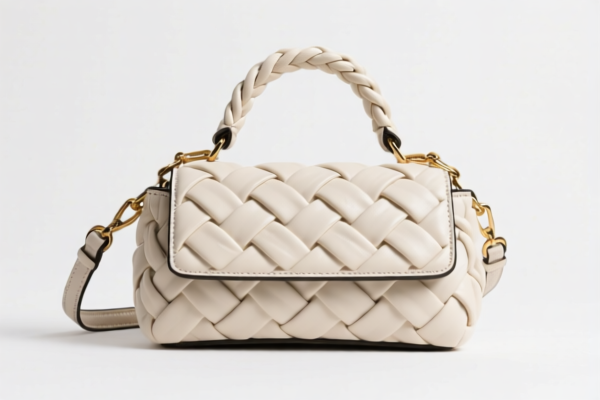
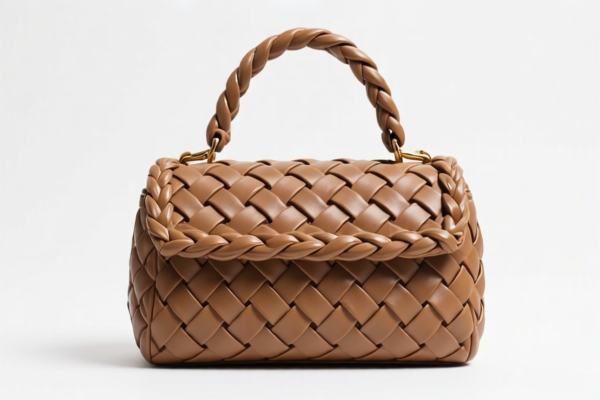
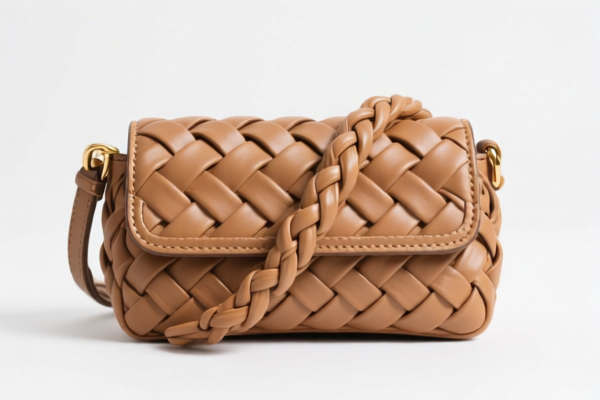
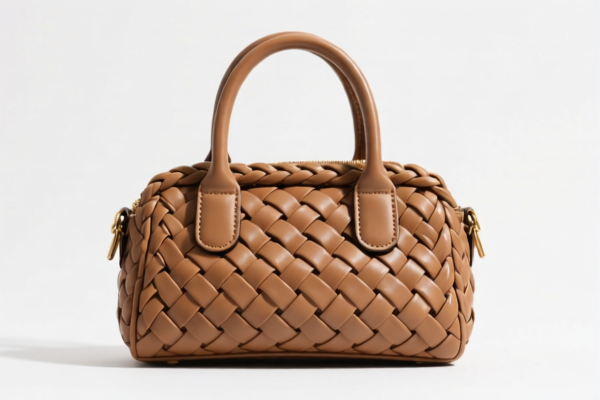
AI Analysis
🧳 Braided Handbag for Outdoor (WEAVING & TEXTILES)
🌐 HS Code Reference & Customs Clearance Guide | 2026 Latest Tariff Analysis | Professional Strategy for Woven Goods
📌 I. Product Definition & Classification: What Exactly is a "Braided Handbag"?
A "Braided Handbag for Outdoor" is a general term that covers a wide range of materials. In international trade, the material composition is the single most critical factor determining the HS Code and, consequently, the tax burden. It is not a single product but a category split between Plant-based materials and Textile materials.
Plant-based Woven Products (Nature Fibers): Made from bamboo, rattan, straw, or other vegetable plaiting materials. These are classified under Chapter 46. Textile/Leather-like Woven Products: Made from synthetic fibers, cotton, jute, or other textile materials. These are classified under Chapter 42.
⚠️ Key Distinction Point:
- If the material is bamboo, rattan, straw, or similar vegetable plaiting materials → Goes to Chapter 46 (Lower base duty, but still hit by surcharges). - If the material is textile (nylon, polyester, cotton, jute) or leather → Goes to Chapter 42 (Higher base duty, often hit by heavier surcharges).
📦 II. HS Code Classification Details (2026 Latest Tariff Authority Match)
Based on the provided data, here are the four specific HS Codes applicable to "Braided Handbags," differentiated by material inference:
| HS Code | Product Description | Material Inference | Key Characteristic |
|---|---|---|---|
4202.22.40.20 |
Braided Handbag, matching morphology & woven material features | Textile/Woven Composite | General woven handbag, likely synthetic or mixed textile. |
4602.19.29.20 |
Braided Handbag, conforms to plant material woven product features | Vegetable Fiber (e.g., Straw, Paper Yarn, Non-Specific Plant) | Generic plant-based woven bag. |
4602.11.21.00 |
Braided Handbag, inferred material is Bamboo, Rattan, or other plant materials | Bamboo/Rattan | Specific hard/stiff plant fiber weaving. |
4202.22.89.80 |
Braided Handbag, inferred material is Other Textile Materials | Other Textiles (e.g., Jute, Coir, Special Fabrics) | Textile bags not covered by specific sub-headings; highest base duty. |
🔍 Critical Reminder:
- Chapter 46 vs. Chapter 42: The difference is purely material. Bamboo/Rattan/Straw = Ch.46. Synthetic/Cotton/Jute = Ch.42. - "Inferred" Materials: If your supplier provides vague descriptions like "eco-friendly fiber," customs may infer it as textile (4202) or plant (4602) based on physical inspection. You must declare the exact raw material (e.g., "100% PP Rattan" vs. "100% Nylon Weave"). - Total Tax Variance: The total tax ranges from 40.3% to 52.6%. Choosing the wrong HS code can lead to under-declaration penalties or over-payment.
💰 III. 2026 Latest Tariff Rate Breakdown (Including Surcharges & Policy Add-ons)
✅ Applicable Country: United States (US)
✅ Origin: China (CN)
✅ Effective Date: Post-November 10, 2025 (Including subsequent imports)
🎯 1. 4602.11.21.00 —— Braided Handbag (Bamboo/Rattan/Plant)
Best Scenario for Low Base Duty
| Item | Content |
|---|---|
| Base Duty Rate | 6.2% (Ad Valorem) |
| Section 301 Surcharge | +25.0% |
| 122 Clause Tariff | +10.0% |
| Total Effective Rate | 41.2% |
| Tax Calculation | CIF Value × 41.2% |
| De Minimis Exemption | ❌ Not Eligible (Deny De Minimis) |
| Legal Basis Path | Section 301: 9903.01.25 → 122 Clause: IEEPA → USITC: 4602.11.21.00 |
📌 Explanation:
- Base 6.2%: Bamboo/rattan products have a relatively low standard US tariff. - +25% Section 301: Standard punitive tariff on Chinese goods in this chapter. - +10% 122 Clause: Specific surcharge for certain Chinese imports. - Total 41.2%: This is the most favorable option among the four if the material is indeed bamboo/rattan.
🎯 2. 4602.19.29.20 —— Braided Handbag (Other Plant Materials)
Lowest Total Tax Option
| Item | Content |
|---|---|
| Base Duty Rate | 5.3% (Ad Valorem) |
| Section 301 Surcharge | +25.0% |
| 122 Clause Tariff | +10.0% |
| Total Effective Rate | 40.3% |
| Tax Calculation | CIF Value × 40.3% |
| De Minimis Exemption | ❌ Not Eligible (Deny De Minimis) |
| Legal Basis Path | Section 301: 9903.01.25 → 122 Clause: IEEPA → USITC: 4602.19.29.20 |
📌 Explanation:
- Base 5.3%: Slightly lower than bamboo/rattan for other vegetable plaiting materials (e.g., straw, paper). - Total 40.3%: The absolute lowest total tax rate in the dataset. - Risk: Must ensure the material is strictly plant-based. If it contains synthetic backing, customs may reclassify it to Chapter 42.
🎯 3. 4202.22.40.20 —— Braided Handbag (Woven Textile/Morphology Match)
Standard Textile Scenario
| Item | Content |
|---|---|
| Base Duty Rate | 7.4% (Ad Valorem) |
| Section 301 Surcharge | +25.0% |
| 122 Clause Tariff | +10.0% |
| Total Effective Rate | 42.4% |
| Tax Calculation | CIF Value × 42.4% |
| De Minimis Exemption | ❌ Not Eligible (Deny De Minimis) |
| Legal Basis Path | Section 301: 9903.01.25 → 122 Clause: IEEPA → USITC: 4202.22.40.20 |
📌 Explanation:
- Base 7.4%: Slightly higher than plant materials. - Total 42.4%: Mid-range cost. Suitable for bags made of woven synthetic fibers (e.g., PP rope, polyester weave) that mimic woven looks.
🎯 4. 4202.22.89.80 —— Braided Handbag (Other Textile Materials)
Highest Cost Scenario
| Item | Content |
|---|---|
| Base Duty Rate | 17.6% (Ad Valorem) |
| Section 301 Surcharge | +25.0% |
| 122 Clause Tariff | +10.0% |
| Total Effective Rate | 52.6% |
| Tax Calculation | CIF Value × 52.6% |
| De Minimis Exemption | ❌ Not Eligible (Deny De Minimis) |
| Legal Basis Path | Section 301: 9903.01.25 → 122 Clause: IEEPA → USITC: 4202.22.89.80 |
📌 Explanation:
- Base 17.6%: Very high base duty for "other" textile handbags. - Total 52.6%: The most expensive option. Used for jute, coir, or other non-specific textile weaves not covered by specific sub-headings. - Strategy: Avoid this code if possible. Can the product be re-engineered to use bamboo/rattan (Ch.46) to save ~12% in taxes?
🛠️ IV. Customs Clearance Practical Advice (Battle-Tested Pitfall Guide)
✅ 1. Documentation Checklist (Non-Negotiable)
| Document | Must Provide | Explanation |
|---|---|---|
| ✅ Material Declaration | ✔️ | Explicitly state: "100% Bamboo Rattan" or "100% Polypropylene Weave." Vague terms like "Woven Material" will trigger inspections. |
| ✅ Product Photos | ✔️ | Clear shots of the weave texture. Close-ups to distinguish plant fibers vs. synthetic threads. |
| ✅ Structure Diagram | ✔️ | Show lining, handles, and closures. Determines if it's a "handbag" (Ch.42) or "woven article" (Ch.46). |
| ✅ Commercial Invoice | ✔️ | Must match the HS Code declared. E.g., if declaring 4602, invoice must reflect plant material. |
| ✅ Packing List | ✔️ | Net/Gross weight. |
✅ 2. Declaration Tips (Key Mantra)
🔥 "Material First, Chapter Second; Bamboo is King, Textile is Costly!"
| Scenario | Correct Declaration | Wrong Practice |
|---|---|---|
| Bag made of Bamboo/Rattan | 4602.11.21.00 (Total 41.2%) |
Declaring as "Textile Bag" (4202) → Risk of penalty for misclassification. |
| Bag made of Straw/Paper Yarn | 4602.19.29.20 (Total 40.3%) |
Declaring as 4202 → Overpaying by ~2%. |
| Bag made of PP Rope (Synthetic) | 4202.22.40.20 (Total 42.4%) |
Calling it "Plant-based" → Fraud Risk! Customs may reclassify to 4202.22.89.80 (52.6%) + penalties. |
| Bag made of Jute | 4202.22.89.80 (Total 52.6%) |
Hard to downgrade. Consider blending with plant fibers if possible. |
✅ 3. Special Handling for "Outdoor" Claims
| Issue | Handling Advice |
|---|---|
| "Outdoor" Functionality | Does not change HS Code. Focus on Material. If the bag has metal frames, it may still be 4202 or 4602 depending on the primary material. |
| Waterproof Coating | If synthetic fabric is coated with PVC, it remains Textile (4202). If bamboo is lacquered, it remains Plant (4602). |
| Composite Materials | If a bag has a bamboo body but leather handles, customs may classify based on the essential character (usually the body). Document this clearly. |
🌍 V. Global Market Comparison (2026 Latest)
| Market | Recommended HS Code | Estimated Total Tax (CN Origin) | Remarks |
|---|---|---|---|
| 🇺🇸 USA | 4602.19.29.20 |
40.3% | Lowest US Rate. Best for plant-based. |
| 🇺🇸 USA | 4202.22.89.80 |
52.6% | Highest US Rate. Avoid if possible. |
| 🇨🇳 China | 4602.11.00.00 |
~6-10% | Low import duty into China. |
| 🇪🇺 EU | 4602.19 |
0-4% | No Section 301/122 surcharges. Much cheaper for EU market. |
📌 Conclusion:
- USA Market is Brutal: All these codes suffer from 25% Section 301 + 10% 122 Clause. - Strategy: If selling to the US, prioritize Plant Materials (Chapter 46) to save 1-12% compared to Textiles. - Diversification: Consider shifting production to Vietnam/Indonesia for plant-based woven bags to bypass China-specific surcharges.
📌 VI. Common Errors & Pitfalls (Lessons Learned)
❌ Error 1: Calling a PP (Polypropylene) rope bag "Rattan Bag"
👉 Consequence: Customs lab test reveals synthetic material. Reclassified to 4202.22.89.80 → Pay extra 12% + fines!
❌ Error 2: Ignoring the "122 Clause"
👉 Consequence: Assuming only 301 tariff applies. Under-declaring by 10% leads to seizure or delayed clearance.
❌ Error 3: Vague Description: "Woven Bag"
👉 Consequence: CBP issues "Request for Information" (RFI) → Delays of 2-4 weeks while they determine material origin.
❌ Error 4: Splitting Shipment to Avoid De Minimis
👉 Consequence: Since these are >$800 value likely, and often from CN, De Minimis is blocked. Attempting to split shipments triggers anti-circumvention audits.
✅ Correct Action:
"Handbag, Braided, 100% Natural Bamboo, Handled, Lined with Cotton, Model XYZ, Origin China"
🎯 VII. Conclusion: Precision Classification Saves Money!
🎯 Remember the Mantra:
🔹 "Plant is 40%, Textile is 50%+; Declare Material, Not Just Style!"
🔹 "301 is 25%, 122 is 10%; Total is 35% Base+Surcharge!"
📌 Pro Tip:
If your braided handbag is made of Jute or Coir, you are stuck with the 52.6% rate. Consider re-designing the handle or body using Bamboo or Straw to switch to Chapter 46 and save over 12% in taxes.
Advance Ruling (Preliminary Ruling) is highly recommended for large volumes.
📣 Immediate Action:
📞 Verify raw material source + 📸 Provide macro photos + 📝 Apply for HS Code Pre-Ruling
🚀 Clear Customs Smoothly, Maximize Margins, Win in the US Market!
✨ Professional Clearance Starts with Accurate Classification!
💼 Every Percentage Point in Tax is Lost Profit!
Customer Reviews
About HS Code Classification
The Harmonized System (HS) is an internationally standardized nomenclature developed by the World Customs Organization (WCO) to classify traded products. Over 200 countries use the HS system as the basis for customs tariffs, trade statistics, and import/export regulations.
Each HS code follows a hierarchical structure:
- Chapter (2 digits) — Broad category of goods (e.g., Chapter 84: Machinery and Mechanical Appliances)
- Heading (4 digits) — More specific grouping within the chapter
- Subheading (6 digits) — Internationally standardized breakdown, used by all WCO member countries
- National subdivisions (8-10 digits) — Country-specific extensions for further classification, such as US HTSUS 10-digit codes
Correct HS code classification is essential for smooth customs clearance, accurate duty payment, and compliance with trade regulations. Misclassification can lead to customs delays, overpayment of duties, or penalties.
When importing from CN to US, the applicable tariff rates may include:
- Most-Favored-Nation (MFN) rate — The standard duty rate applied to WTO members
- General rate — Applied to countries without trade agreements
- Trade remedy duties — Additional tariffs such as Section 301 (anti-dumping), Section 232 (national security), or countervailing duties
The information provided on this page is for reference purposes only. For official classification, please consult with your local customs authority or a licensed customs broker.