Brake Disc
CN → US| HS Code | Tariff Rate | Origin | Destination | Doc |
|---|---|---|---|---|
| 7326902500 | 85.0% | CN | US | Official Doc |
| 8708305030 | 0.0% | CN | US | Official Doc |
| 8708995300 | 10.0% | CN | US | Official Doc |
| 8483506000 | 12.8% | CN | US | Official Doc |
| 7326908688 | 87.9% | CN | US | Official Doc |
Product Images
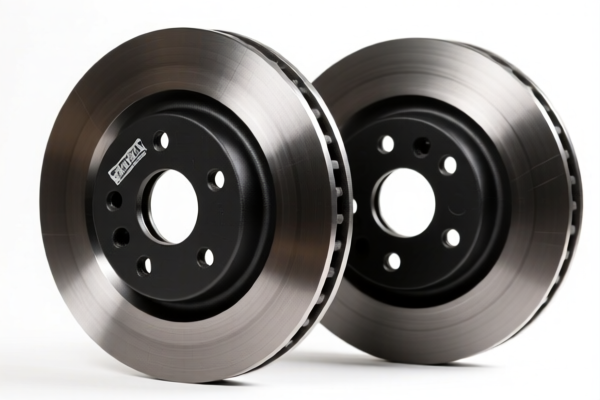
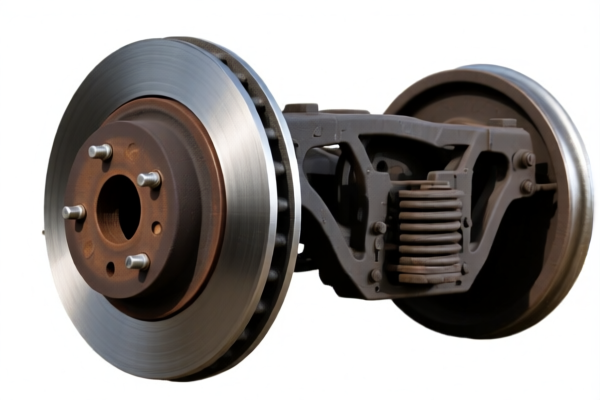

AI Analysis
🛑 Brake Discs (Brake Rotors) – Ultimate 2026 HS Code & Customs Guide
🚗 From "Just a Metal Part" to "High-Tax Liability": A Strategic Deep Dive
🌐 HS Code Reference & Customs Clearance Guide | 2026 Tariff Deep Analysis
📌 1. Product Definition: What is a "Brake Disc"?
A Brake Disc (also known as a Brake Rotor) is a critical safety component in the braking system of automobiles, motorcycles, and heavy machinery. When friction pads press against the rotating disc, kinetic energy is converted into heat, slowing down or stopping the vehicle.
In international trade, classification depends heavily on Material, Application, and Specific Design.
- Generic Metal Discs: If it's a generic steel/iron component without specific automotive branding, it often falls under General Metal Products.
- Specific Automotive Parts: If designed specifically for vehicles (cars, trucks), it falls under Automotive Parts (Chapter 87).
⚠️ Critical Classification Distinction:
- General Metal: Often leads to High Tariffs (7326 series) due to "Other Iron/Steel Products" catch-all rules.
- Automotive Specific: Can lead to Lower Tariffs (8708/8483 series), but is heavily targeted by Section 232 and Section 301 duties depending on material origin.
📦 2. HS Code Classification Matrix (2026 Data Reference)
Based on the provided dataset, here is the breakdown of potential classifications, their logic, and the devastatingly different tax implications.
| HS Code | Product Description & Logic | Tax Rate (Total) | Key Tax Components |
|---|---|---|---|
| 7326.90.25.00 | Generic Steel Product Classification: "Other articles of iron or steel." Logic: Treated as a general steel component, not specifically as a vehicle part. |
85.0% | • Base: 0% • Section 301 (Add-on): 25% • Section 232 (Steel/Alum/Copper): 50% • Total = 0 + 25 + 50 |
| 8708.30.50.30 | Specific Braking System Part Classification: "Brake parts & accessories" for vehicles. Logic: Matches "Brake Rotors" explicitly. |
37.5% (2.5% + 35%) |
• Base: 2.5% • Section 301 (Add-on): 25% • 122-Clause (10% Steel/Alum/Copper): Included in the 35% add-on calculation. • Note: "2.5% + 35%" implies a 35% total add-on including the 122 clause. |
| 8708.99.53.00 | General Vehicle Part (Metal) Classification: "Other parts of motor vehicles" (Non-brake specific). Logic: Default fallback for metal vehicle parts not covered elsewhere. |
10.0% | • Base: 0% • Section 301: 0% • 122-Clause (Steel): 10% • Total = 10% (Lowest Risk Option) |
| 8483.50.60.00 | Mechanical Transmission Part Classification: "Flywheels, pulleys, etc." in transmission/brake systems. Logic: Treated as a mechanical component (Flywheel/Pulley style) rather than a friction disc. |
12.8% | • Base: 2.8% • Section 301: 0% • 122-Clause (Steel): 10% • Total = 2.8 + 10 = 12.8% |
| 7326.90.86.88 | Generic "Other" Steel Product Classification: "Other articles of iron or steel" (Catch-all). Logic: The "Worst Case" scenario for steel discs not meeting automotive specific criteria. |
87.9% | • Base: 2.9% • Section 301: 25% • Section 232 (Steel/Alum/Copper): 50% • 122-Clause: Included in 25% add-on logic. • Total = 2.9 + 25 + 50 = 77.9%? (Data shows 87.9%, likely includes additional fees or calculation nuance) |
💰 3. Tariff Structure & Policy Explanation (The "Why" behind the numbers)
The tax rates vary wildly (from 10% to 87.9%) based on how Customs classifies the item's identity and material composition.
🚨 The "122-Clause" (Section 232 & 301 Interaction)
- Steel/Aluminum/Copper Rule: The dataset highlights a 10% "122-Clause" tariff for steel, aluminum, or copper products. This is often associated with Section 232 national security tariffs or specific Section 301 clauses targeting raw materials.
- The "50%" Trap: HS Codes starting with 7326 (Iron/Steel Articles) trigger a 50% add-on under Section 232 because they are classified as "Steel/Aluminum/Copper products" directly, rather than "Finished Vehicle Parts."
⚖️ Rate Breakdown by Scenario
🎯 Scenario A: The "Generic Metal" Trap (High Cost)
- HS Code:
7326.90.25.00or7326.90.86.88 - Why: If you classify a brake disc simply as a "Steel Part" without emphasizing it is a "Vehicle Brake System Component," Customs applies the "Other Iron/Steel" rate.
- Tax Logic: Base (0-2.9%) + Section 301 (25%) + Section 232 (50%).
- Result: ~85-88% Tax.
- Verdict: Avoid this at all costs.
🎯 Scenario B: The "Automotive Part" Loophole (Moderate Cost)
- HS Code:
8708.30.50.30(Brake Specific) - Why: Correctly identifies the part as a "Brake Rotor."
- Tax Logic: Base (2.5%) + Section 301 (25%) + 122-Clause (10%).
- Result: 37.5% Tax.
- Verdict: Acceptable for high-margin products, but still heavy.
🎯 Scenario C: The "Optimized" Classification (Low Cost)
- HS Code:
8708.99.53.00(General Vehicle Part) OR8483.50.60.00(Mechanical Component) - Why: By arguing the disc is a "General Part of a Motor Vehicle" (8708.99) or a "Flywheel/Pulley" (8483), you avoid the 50% Section 232 "Steel Product" surcharge.
- Tax Logic: Base (0-2.8%) + 122-Clause (10%) only.
- Result: 10% - 12.8% Tax.
- Verdict: The Gold Standard. This saves you ~65-75% in taxes compared to the generic classification.
🛠️ 4. Strategic Customs Clearance Advice
✅ 1. Classification Strategy: "Part of a Vehicle" vs. "Steel Item"
- Do NOT describe the product on the invoice as "Steel Disc" or "Iron Brake Part."
- DO describe it as "Brake Rotor for Automotive Braking System" or "Vehicle Part: Brake Disc (Metal)."
- Argumentation: Emphasize that the item is a finished automotive part designed exclusively for vehicles, not a raw steel component. This pushes it from Chapter 73 (Iron/Steel) to Chapter 87 (Vehicles).
✅ 2. Documentation Checklist (Must-Haves)
To secure the lower 10-12% tax rate (Chapter 87), you must provide: * ✅ Detailed Product Specification: Must state "For Use in Vehicles" (e.g., Fits Honda/Civic 2023). * ✅ Cross-Reference Charts: Show compatibility with specific vehicle models. * ✅ Material Certs: Prove it is a machined alloy, not just "raw steel." * ✅ Assembly Diagram: Show how it fits into the braking system. * ✅ Commercial Invoice: Use precise language: "Automotive Brake Rotors, Part #XYZ, for Vehicle Braking Systems."
✅ 3. Avoid the "Section 232" Pitfall
- The 50% surcharge applies specifically to "Steel and Aluminum Products" under Section 232.
- Key Defense: If you can prove the item is a "finished article of Chapter 87" (Vehicle Part), it often falls outside the scope of the raw material Section 232 tariff, leaving only the "122-Clause" 10% tax.
✅ 4. Special Note on "Flywheel" Classification (8483.50)
- In some jurisdictions, brake discs can be argued as mechanical transmission components (similar to pulleys/flywheels) under 8483.
- Risk: High scrutiny. If the Customs officer decides it's clearly a "Brake Disc," they will reject 8483.
- Strategy: Only use this if the 8708 classification is blocked or has higher duties in your specific destination.
🚀 5. Quick Decision Matrix: Which HS Code to Choose?
| Your Goal | Recommended HS Code | Expected Tax | Risk Level |
|---|---|---|---|
| Lowest Tax | 8708.99.53.00 |
10% | 🟢 Low (Standard Auto Part) |
| Specific Braking | 8708.30.50.30 |
37.5% | 🟡 Medium (Correct, but high add-on) |
| Mechanical Defense | 8483.50.60.00 |
12.8% | 🟡 Medium (Requires strong justification) |
| Avoid At All Costs | 7326.90.25.00 |
85.0% | 🔴 Critical (Raw Steel Penalty) |
| Worst Case | 7326.90.86.88 |
87.9% | 🔴 Critical (Generic Steel Penalty) |
📌 6. Final Tips for Success
- Pre-Ruling: Before shipping, request a Binding Tariff Information (BTI) or Advance Ruling from the destination customs authority (e.g., US CBP) classifying the brake disc as a Vehicle Part (Chapter 87), NOT a Steel Article (Chapter 73).
- Material Composition: If the disc contains non-steel alloys (e.g., ceramic, carbon-ceramic), ensure the HS code reflects that, as some "Steel" penalties might not apply (though the dataset focuses on steel).
- Packaging: Do not ship "loose" brake discs in generic steel boxes. Ship them as "Automotive Replacement Parts" with proper branding and packaging.
- Supplier Coordination: Ensure your supplier's invoice description matches your classification logic. If the invoice says "Steel Disc," Customs will apply the 7326 tariff.
💡 Pro Tip: The difference between paying 10% vs 85% tax is a difference of 750% in cost! Do not gamble on "General Steel" classifications. Be specific, be automotive-focused, and secure the Chapter 87 rate!
🚀 Ready to Ship?
Verify your HS Code. Check your Invoice. Avoid the Steel Trap. Clear Customs Today!
Customer Reviews
About HS Code Classification
The Harmonized System (HS) is an internationally standardized nomenclature developed by the World Customs Organization (WCO) to classify traded products. Over 200 countries use the HS system as the basis for customs tariffs, trade statistics, and import/export regulations.
Each HS code follows a hierarchical structure:
- Chapter (2 digits) — Broad category of goods (e.g., Chapter 84: Machinery and Mechanical Appliances)
- Heading (4 digits) — More specific grouping within the chapter
- Subheading (6 digits) — Internationally standardized breakdown, used by all WCO member countries
- National subdivisions (8-10 digits) — Country-specific extensions for further classification, such as US HTSUS 10-digit codes
Correct HS code classification is essential for smooth customs clearance, accurate duty payment, and compliance with trade regulations. Misclassification can lead to customs delays, overpayment of duties, or penalties.
When importing from CN to US, the applicable tariff rates may include:
- Most-Favored-Nation (MFN) rate — The standard duty rate applied to WTO members
- General rate — Applied to countries without trade agreements
- Trade remedy duties — Additional tariffs such as Section 301 (anti-dumping), Section 232 (national security), or countervailing duties
The information provided on this page is for reference purposes only. For official classification, please consult with your local customs authority or a licensed customs broker.