Brake Fluid Antifreeze
CN → US| HS Code | Tariff Rate | Origin | Destination | Doc |
|---|---|---|---|---|
| 3819000090 | 16.5% | CN | US | Official Doc |
| 3820000000 | 24.0% | CN | US | Official Doc |
| 3403191000 | 35.2% | CN | US | Official Doc |
| 3819000010 | 41.5% | CN | US | Official Doc |
| 3819000090 | 16.5% | CN | US | Official Doc |
Product Images
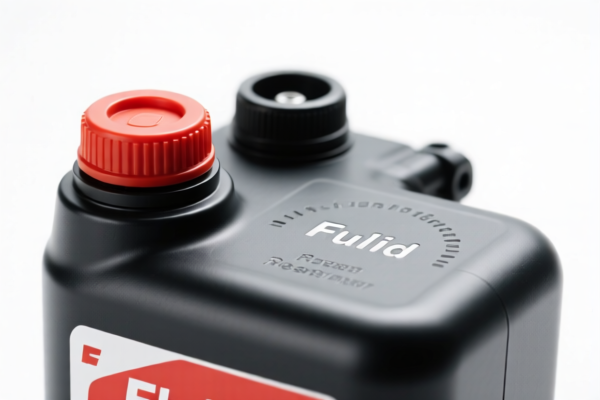
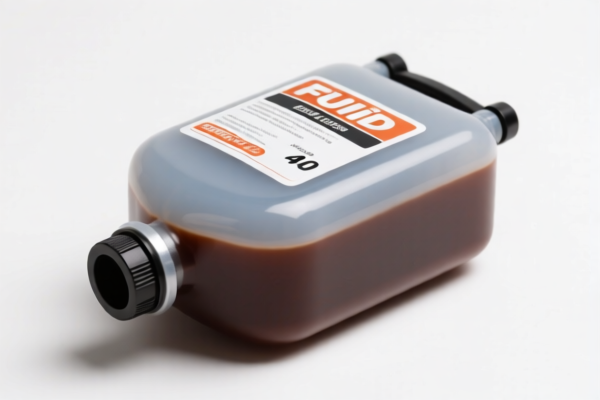
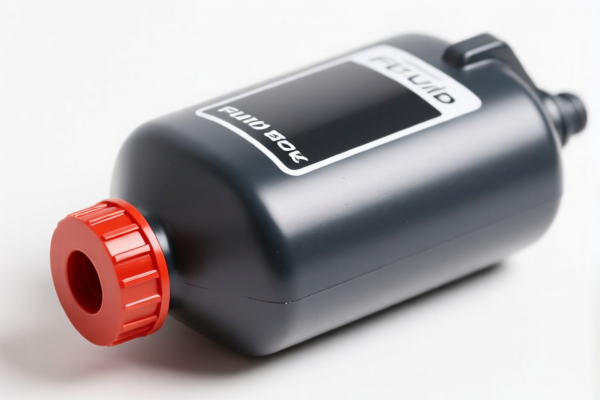

AI Analysis
🚗 Brake Fluid & Antifreeze: The Ultimate Hydraulic & Cooling Guide
🌐 HS Code Reference & Customs Clearance Guide | 2026 Latest Tariff Analysis | Professional Clearance Strategy
📌 1. Product Definition & Classification: Do You Really Know What You Are Shipping?
Automotive maintenance fluids are the lifeblood of vehicles. In international trade, Brake Fluid and Antifreeze are often confused but classified differently based on their specific chemical composition and primary function.
- Brake Fluid (Hydraulic Brake Fluid): A specialized liquid used in hydraulic braking systems to transfer force. It must withstand high temperatures and prevent vapor lock.
- Antifreeze (Coolant/Anti-freeze Liquid): A liquid additive for engine coolant systems to lower the freezing point and raise the boiling point of water.
⚠️ Key Distinction Point:
- If the product is primarily a hydraulic transmission medium for braking →归类 to 3819 (Hydraulic Transmission Fluids) or 3403 (Lubricating Preparations).
- If the product is an anti-freeze/de-icing agent for cooling systems → 归类 to 3820 (Anti-freezing Preparations).
📦 2. HS Code Classification Details (2026 Latest Tariff Authority Cross-Reference)
| HS Code | Product Description | Application Scenario | Key Characteristic |
|--------|----------|--------------------------|
| 3819.00.00.90 | Brake Fluid (General Hydraulic Brake Fluid) | Standard hydraulic brake systems; classified as "Other prepared hydraulic transmission fluids." | Primary Use: Transmission of pressure in brakes. |
| 3819.00.00.10 | Brake Fluid Anti-Wear Agent | Functional additive for hydraulic brakes; classified based on material and usage features as an additive. | Primary Use: Anti-wear additive for braking systems. |
| 3820.00.00.00 | Antifreeze / De-icing Liquid | Engine cooling systems; classified as "Liquids without material conflict." | Primary Use: Lowering freezing point / Anti-icing. |
| 3403.19.10.00 | Brake Fluid & Antifreeze (Lubricant Type) | Contains petroleum oils or mineral oil components; classified as "Lubricating and functional fluid preparations." | Primary Use: Lubricating/Functional preparation with oil base. |
🔍 Critical Reminder:
- Brake Fluid is generally categorized under 3819 (Hydraulic Transmission) or 3403 (if oil-based/lubricant focus).
- Antifreeze is specifically categorized under 3820 (Anti-freezing preparations).
- Do not mix up "Brake Fluid" with "Coolant." They serve different systems and have different HS codes.
💰 3. 2026 Latest Tariff Rate Breakdown (Including Surcharges & Policy Add-ons)
✅ Applicable Country: United States (US)
✅ Origin: China (CN)
✅ Effective Time: 2025/2026 (Current Tariff Structure)
🎯 1. 3819.00.00.90 — Brake Fluid (Other Prepared Hydraulic Transmission Fluids)
| Item | Content |
|---|---|
| Base Tariff | 6.5% (ad valorem) |
| Section 301 Surcharge | 0.0% (No additional 25% tariff for this specific subheading under current data) |
| Section 122 Tariff | 10% (Specific levy on certain goods) |
| Total Tax Rate | 16.5% |
| Tax Calculation | CIF Value × 16.5% |
| Legal Basis Path | Base 6.5% + Sec 122 10% = 16.5% |
📌 Explanation:
- This code applies to standard hydraulic brake fluids not specifically listed elsewhere.
- Total Tax: 16.5%. It is relatively moderate compared to lubricant-based brake fluids.
🎯 2. 3820.00.00.00 — Antifreeze / Anti-freezing Liquid
| Item | Content |
|---|---|
| Base Tariff | 6.5% |
| Section 301 Surcharge | 7.5% (Part of the 301 list impact) |
| Section 122 Tariff | 10% |
| Total Tax Rate | 24.0% |
| Tax Calculation | CIF Value × 24.0% |
| Legal Basis Path | Base 6.5% + Sec 301 7.5% + Sec 122 10% = 24.0% |
📌 Explanation:
- Total Tax: 24.0%. Antifreeze carries a higher burden due to the additional 7.5% surcharge on top of the base and Section 122 tariffs.
🎯 3. 3403.19.10.00 — Lubricating/Functional Fluid Preparations (Oil-Based)
| Item | Content |
|---|---|
| Base Tariff | 0.2% |
| Section 301 Surcharge | 25.0% (Standard 301 tariff for lubricants/preparations) |
| Section 122 Tariff | 10% |
| Total Tax Rate | 35.2% |
| Tax Calculation | CIF Value × 35.2% |
| Legal Basis Path | Base 0.2% + Sec 301 25% + Sec 122 10% = 35.2% |
📌 Explanation:
- Total Tax: 35.2%. If the brake fluid or antifreeze is classified as a "lubricating preparation" because it contains petroleum oils/mineral oils, the tariff skyrockets due to the 25% Section 301 surcharge.
- Warning: Misclassification here leads to significant overpayment or underpayment risks.
🎯 4. 3819.00.00.10 — Brake Fluid Anti-Wear Agent (Functional Additive)
| Item | Content |
|---|---|
| Base Tariff | 6.5% |
| Section 301 Surcharge | 25.0% |
| Section 122 Tariff | 10% |
| Total Tax Rate | 41.5% |
| Tax Calculation | CIF Value × 41.5% |
| Legal Basis Path | Base 6.5% + Sec 301 25% + Sec 122 10% = 41.5% |
📌 Explanation:
- Total Tax: 41.5%. This is a high tariff category. It applies if the product is deemed a specific functional additive for brakes rather than the base fluid itself.
- Crucial: Ensure your product description matches the "Base Fluid" (3819.90) to avoid the 25% surcharge if possible, but verify with technical data sheets.
🎯 5. 3819.00.00.90 — Brake Fluid Anti-Wear Agent (Alternative Classification)
| Item | Content |
|---|---|
| Base Tariff | 6.5% |
| Section 301 Surcharge | 0.0% |
| Section 122 Tariff | 10% |
| Total Tax Rate | 16.5% |
| Tax Calculation | CIF Value × 16.5% |
| Legal Basis Path | Base 6.5% + Sec 122 10% = 16.5% |
📌 Explanation:
- Total Tax: 16.5%. If the anti-wear agent is classified under the general "Other prepared hydraulic transmission fluids" bucket, the rate is much lower.
- Strategy: Argue for this classification if the product is a finished hydraulic fluid blend, not a raw additive.
🛠️ 4. Customs Clearance Practical Advice (Battle-Tested Pitfall Avoidance Guide)
✅ 1. Document Checklist (Non-negotiable)
| Document | Required? | Description |
|---|---|---|
| ✅ Product Specification Sheet | ✔️ | Must detail chemical composition, viscosity, and boiling point. |
| ✅ Safety Data Sheet (SDS) | ✔️ | Crucial for Hazmat classification. Brake fluid is often hazardous. |
| ✅ Commercial Invoice | ✔️ | Clearly state: "Hydraulic Brake Fluid" or "Engine Antifreeze." |
| ✅ Certificate of Origin | ✔️ | To determine eligibility for any potential exemptions. |
| ✅ Packaging List | ✔️ | Show net weight vs. gross weight. |
✅ 2. Declaration Tips (Key Mantras)
🔥 “Declare by Function, Not by Brand! Check Oil Content!”
| Scenario | Correct Declaration | Wrong Practice |
|---|---|---|
| Standard Brake Fluid | 3819.00.00.90 |
Declaring as "Lubricant" → 35.2%+ |
| Antifreeze/Coolant | 3820.00.00.00 |
Declaring as "Brake Fluid" → Wrong Code |
| Oil-Based Brake Fluid | 3403.19.10.00 |
Ignoring oil content → Risk of penalty |
| Additive Only | 3819.00.00.10 or .90 |
Vague description "Fluid Additive" |
✅ 3. Special Case Handling
| Case | Handling Advice |
|---|---|
| Hazmat Classification | Brake fluids are often classified as UN 1789 (Flammable liquid, corrosive) or similar. Ensure IMDG/IATA compliance for air freight. |
| Oil Content Declaration | If the product contains >10% mineral oil, it may trigger 3403 classification. Be prepared to justify. |
| Antifreeze vs. Coolant | "Antifreeze" is the concentrate. "Coolant" is the mix. Declare as Antifreeze (3820) for the chemical product. |
🌍 5. Global Market Clearance Comparison (2026 Latest)
| Country/Region | Recommended HS Code | Tariff (China Origin) | Certification Requirement | Notes |
|---|---|---|---|---|
| 🇺🇸 USA | 3819.90.90 or 3820.00.00 |
16.5% - 41.5% | EPA (if applicable), Hazmat | High scrutiny on oil content. |
| 🇨🇳 China | 3819 or 3820 |
5% - 10% | None specific for import | Low tariff, standard clearance. |
| 🇪🇺 EU | 3819 or 3820 |
0% - 4% | REACH, CLP Labeling | Strict chemical regulation. |
| 🇬🇧 UK | 3819 or 3820 |
0% - 4% | REACH UK, CLP Labeling | Post-Brexit rules apply. |
| 🇦🇺 Australia | 3819 or 3820 |
5% | ADR (Transport) | Hazmat rules strict. |
📌 Conclusion:
- USA is the most complex due to Section 301 and 122 tariffs.
- Oil content is the #1 driver of tariff differences. A product with 0% oil is 16.5% tax; with oil, it can be 35.2%+.
- Antifreeze is generally cheaper (24%) than oil-based lubricants but more expensive than base hydraulic fluids (16.5%).
📌 6. Common Errors & Pitfall Guide (Blood & Tears Lessons)
❌ Error 1: Classifying all brake fluids as 3403 (Lubricants)
👉 Consequence: Paying 35.2% instead of 16.5% if it’s not oil-based.
❌ Error 2: Mislabeling Antifreeze as Brake Fluid
👉 Consequence: Customs rejection or penalty. Different chemical properties!
❌ Error 3: Ignoring Section 122 Tariff
👉 Consequence: Under-declaring. 10% is added to almost all automotive fluids from China.
❌ Error 4: Vague Description "Car Chemicals"
👉 Consequence: Customs may assign the highest possible duty (often 25%+ base) or hold goods for inspection.
✅ Correct Practice:
"Hydraulic Brake Fluid, DOT 3, Non-Flammable, 1 Liter Bottle, HS 3819.00.00.90"
🎯 7. Conclusion: Precision in Classification, Savings in Tariffs!
🎯 Remember the Mantra:
🔹 "Brake Fluid = 3819 (16.5%) - Check Oil!"
🔹 "Antifreeze = 3820 (24%)"
🔹 "Oil-Based = 3403 (35.2%+)"
🔹 "Additive = 3819.10 (41.5%) or 3819.90 (16.5%)"🔹 "HS Code Determines Destiny! 1% difference in code = 25% difference in tax!"
📌 Pro Tip:
If your product is originally from Vietnam, Mexico, or Thailand, you may be eligible for IEEPA Exemptions or lower tariffs due to trade agreements.
Recommend applying for an Advance Ruling from US Customs to lock in the classification and avoid disputes.
📣 Action Item:
📞 Contact a Licensed Customs Broker + Provide SDS + Apply for HS Code Advance Ruling
🚀 Let your automotive fluids clear smoothly, legally, and profitably!
✨ Professional Clearance Starts with Precise Classification!
💼 Every Cent Saved is Pure Profit!
Customer Reviews
About HS Code Classification
The Harmonized System (HS) is an internationally standardized nomenclature developed by the World Customs Organization (WCO) to classify traded products. Over 200 countries use the HS system as the basis for customs tariffs, trade statistics, and import/export regulations.
Each HS code follows a hierarchical structure:
- Chapter (2 digits) — Broad category of goods (e.g., Chapter 84: Machinery and Mechanical Appliances)
- Heading (4 digits) — More specific grouping within the chapter
- Subheading (6 digits) — Internationally standardized breakdown, used by all WCO member countries
- National subdivisions (8-10 digits) — Country-specific extensions for further classification, such as US HTSUS 10-digit codes
Correct HS code classification is essential for smooth customs clearance, accurate duty payment, and compliance with trade regulations. Misclassification can lead to customs delays, overpayment of duties, or penalties.
When importing from CN to US, the applicable tariff rates may include:
- Most-Favored-Nation (MFN) rate — The standard duty rate applied to WTO members
- General rate — Applied to countries without trade agreements
- Trade remedy duties — Additional tariffs such as Section 301 (anti-dumping), Section 232 (national security), or countervailing duties
The information provided on this page is for reference purposes only. For official classification, please consult with your local customs authority or a licensed customs broker.