Brake Fluid Container
CN → US| HS Code | Tariff Rate | Origin | Destination | Doc |
|---|---|---|---|---|
| 7326903500 | 92.8% | CN | US | Official Doc |
| 7326908688 | 87.9% | CN | US | Official Doc |
| 3926901000 | 20.9% | CN | US | Official Doc |
| 3926909989 | 22.8% | CN | US | Official Doc |
Product Images
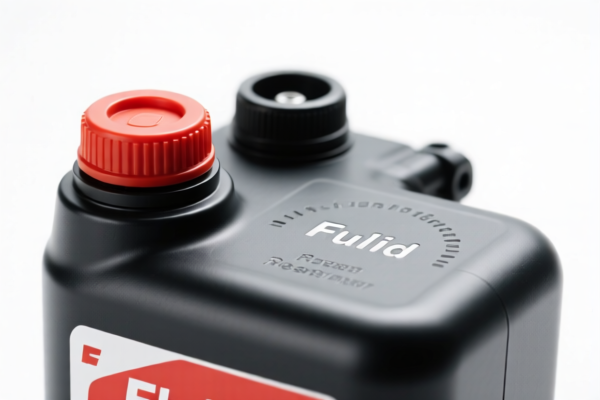
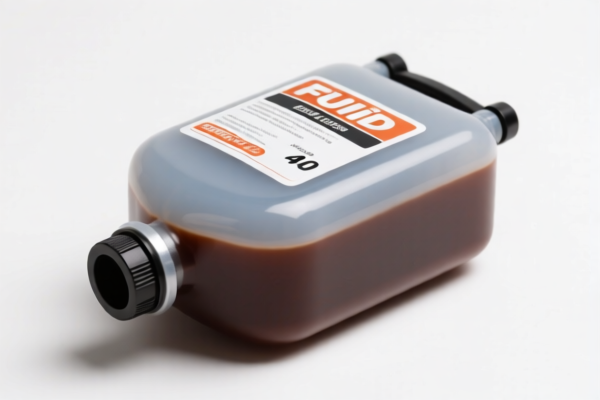
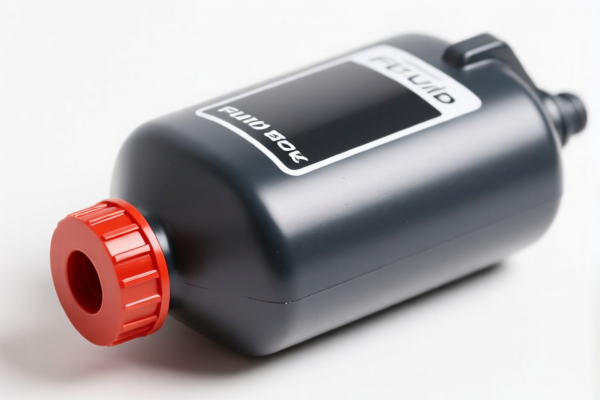

AI Analysis
🚗 Brake Fluid Container (Brake Fluid Reservoirs & Bottles)
🌐 HS Code Reference & Customs Clearance Guide | 2026 Latest Tariff Analysis | Professional-Level Clearance Strategy
📌 I. Product Definition & Classification: Do You Really Understand "Brake Fluid Containers"?
Brake fluid containers refer to vessels designed specifically to hold, store, or dispense hydraulic brake fluid in automotive, motorcycle, or industrial braking systems. These items vary significantly in material and application:
1. Iron/Steel Containers: Durable, metal reservoirs often found in heavy-duty trucks, industrial machinery, or as original equipment manufacturer (OEM) replacement parts. These may include pockets or cases designed for portability. 2. Plastic Containers: Lightweight, corrosion-resistant bottles or tanks commonly used in passenger vehicles, motorcycles, and general automotive aftermarket supplies. This includes standard bottles for retail sale or installed reservoirs.
⚠️ Key Distinction Point:
- If the container is made of iron or steel and is designed to be carried on the person, in a pocket, or in a handbag (e.g., portable brake fluid catchers, specialized steel cases), it falls under Steel Articles.
- If the container is made of plastic and functions as a bucket, pail, or reservoir for holding liquid, it falls under Plastic Articles.
- Crucial Note: The material dictates the HS Code chapter entirely. Misclassification leads to drastic tariff differences.
📦 II. HS Code Classification Details (2026 Latest Tariff Authority Comparison)
| HS Code | Product Description | Application Scenario | Material | Key Feature |
|---|---|---|---|---|
7326.90.35.00 |
Other articles of iron or steel: Containers of a kind normally carried on the person, in the pocket or in the handbag | Portable steel brake fluid catchers, metal tool cases for fluid, specialized handheld steel reservoirs | Iron/Steel | Portable/Carry-on Design |
7326.90.86.88 |
Other articles of iron or steel: Other: Other: Other: Other | Heavy-duty steel brake fluid reservoirs, industrial steel tanks, non-portable steel containers | Iron/Steel | Non-Portable/Industrial |
3926.90.10.00 |
Other articles of plastics: Buckets and pails | Plastic brake fluid bottles for retail, plastic reservoirs shaped like pails/buckets, generic plastic holding tanks | Plastic | Plastic "Bucket/Pail" Form |
3926.90.99.89 |
Other articles of plastics: Other Other | Standard plastic brake fluid reservoirs for cars/motorcycles, complex plastic fluid containers not fitting "bucket" definition | Plastic | General Plastic Container |
🔍 Key Reminder:
- Steel Containers: If the design allows it to be carried like a handbag or pocket item (e.g., a sleek steel flask-style brake fluid holder), use7326.90.35.00. Otherwise, generic steel containers go to7326.90.86.88.
- Plastic Containers: If the plastic container is shaped like a "bucket" or "pail" (wide mouth, open top), use3926.90.10.00. Most standard car brake fluid reservoirs (complex shape) fall under3926.90.99.89.
💰 III. 2026 Latest Tariff Rate Details (Including Surtaxes & Policy Add-ons)
✅ Applicable Country: United States (US)
✅ Origin: China (CN)
✅ Effective Date: November 10, 2025 (and subsequent imports)
🎯 1. 7326.90.35.00 – Steel Portable Brake Fluid Container
| Item | Content |
|---|---|
| Base Tariff | 0.0% |
| Section 301 Surtax | 0.0% (Note: Specific code may have different Section 301 status, but base is 0%) |
| Steel/Aluminum/Copper Surtax | +50% (Under the "Steel, Aluminum, Copper Products Surtax" policy) |
| Total Tariff Rate | 50.0% |
| Tax Calculation | CIF Value × 50% |
| De Minimis Exemption | ❌ Not Applicable (High tariff items usually excluded or scrutinized) |
| Legal Basis Path | USITC:7326.90.35.00 → Steel Surtax Policy: 50% |
📌 Explanation:
- Although the base tariff is 0%, the 50% surcharge for steel products applies.
- This is a high-cost classification due to the steel surcharge.
- Critical: Ensure the product is truly a "container carried on the person." If not, it may be reclassified to7326.90.86.88with even higher total taxes.
🎯 2. 7326.90.86.88 – Other Steel Brake Fluid Containers
| Item | Content |
|---|---|
| Base Tariff | 2.9% |
| Section 301 Surtax | 25.0% |
| Steel/Aluminum/Copper Surtax | +50% |
| Total Tariff Rate | 77.9% |
| Tax Calculation | CIF Value × 77.9% |
| De Minimis Exemption | ❌ Not Applicable |
| Legal Basis Path | USITC:7326.90.86.88 → Section 301: 25% → Steel Surtax: 50% |
📌 Warning:
- This is the highest tariff category in the data.
- Any steel brake fluid container that does NOT fit the "portable/handbag" definition faces a 77.9% total tax.
- Avoid this code if possible by ensuring the product design qualifies as a "portable container" (7326.90.35.00) or switching to plastic.
🎯 3. 3926.90.10.00 – Plastic Buckets/Pails (Brake Fluid)
| Item | Content |
|---|---|
| Base Tariff | 0.0% |
| Section 301 Surtax | 0.0% |
| Total Tariff Rate | 0.0% |
| Tax Calculation | CIF Value × 0% |
| De Minimis Exemption | ✅ Applicable (If value < $800) |
| Legal Basis Path | USITC:3926.90.10.00 |
📌 Advantage:
- Zero Tariff!
- If your plastic brake fluid container is shaped like a "bucket" or "pail," this is the ideal HS Code.
- Ideal for bulk packaging, industrial fluid transfer, or retail buckets.
🎯 4. 3926.90.99.89 – Other Plastic Containers
| Item | Content |
|---|---|
| Base Tariff | 5.3% |
| Section 301 Surtax | 7.5% |
| Total Tariff Rate | 12.8% |
| Tax Calculation | CIF Value × 12.8% |
| De Minimis Exemption | ✅ Applicable (If value < $800) |
| Legal Basis Path | USITC:3926.90.99.89 → Section 301: 7.5% |
📌 Note:
- Standard plastic brake fluid reservoirs (e.g., OEM car parts) often fall here.
- 12.8% is manageable compared to steel, but higher than plastic buckets.
- De Minimis Friendly: Low-value shipments may enter duty-free under Section 321.
🛠️ IV. Customs Clearance Practical Advice (Real-World Pitfall Avoidance Guide)
✅ 1. Document Checklist (Non-Negotiable)
| Document | Required | Notes |
|---|---|---|
| ✅ Product Specifications | ✔️ | Material (Steel/Plastic), Capacity, Dimensions, Intended Use |
| ✅ Product Photos | ✔️ | Clear images of the container, including handles/lids to prove "portable" or "bucket" shape |
| ✅ Commercial Invoice | ✔️ | Must specify "Brake Fluid Container" and material accurately |
| ✅ Material Certificate | ✔️ | For steel items, prove material composition to avoid misclassification |
| ✅ Packing List | ✔️ | Show quantity and packaging details |
✅ 2. Declaration Tips (Key Mantra)
🔥 "Material First, Shape Second, Portability Proven, Tariff Reduced!"
| Scenario | Correct Declaration | Incorrect Practice |
|---|---|---|
| Portable Steel Flask | 7326.90.35.00 |
Misdeclare as generic steel item → 77.9% |
| Standard Car Reservoir (Plastic) | 3926.90.99.89 |
Declare as "bucket" → Risk of rejection if shape doesn't match |
| Plastic Bucket for Fluid | 3926.90.10.00 |
Declare as general plastic → 12.8% instead of 0% |
| Heavy Duty Steel Tank | 7326.90.86.88 |
Try to claim "portable" → Audit failure, penalties |
✅ 3. Special Situation Handling
| Situation | Recommendation |
|---|---|
| OEM Brake Reservoirs (Plastic) | Use 3926.90.99.89. Provide car model compatibility to prove it's an auto part, not a generic bucket. |
| Portable Steel Brake Fluid Catchers | Use 7326.90.35.00. Provide photos showing handle/portable design to justify "carried on person." |
| Bulk Plastic Containers | Use 3926.90.10.00. Ensure the shape is distinctly "bucket/pail-like" to get 0% tariff. |
| Steel Industrial Tanks | Expect 77.9% tariff under 7326.90.86.88. Consider switching to plastic for cost savings. |
🌍 V. Global Market Comparison (2026 Latest)
| Country/Region | Recommended HS Code | Tariff Rate | Notes |
|---|---|---|---|
| 🇺🇸 United States | 3926.90.10.00 (Plastic Bucket) |
0% | Best for plastic buckets. Steel faces 50-78%. |
| 🇨🇳 China | 3926.90.10.00 |
5-10% | No Section 301. Moderate duties. |
| 🇪🇺 EU | 3926.90.10.00 |
4% | Standard plastic duty. No surtaxes. |
| 🇬🇧 UK | 3926.90.10.00 |
4% | Post-Brexit standard rates apply. |
📌 Conclusion:
- US is the most expensive market for steel containers.
- Plastic is significantly cheaper for US imports.
- Shape matters: "Bucket/Pail" plastic containers enjoy 0% tariff in the US, while generic plastic containers pay 12.8%.
📌 VI. Common Errors & Pitfalls (Blood & Tears Lessons)
❌ Error 1: Declaring a steel brake fluid container as "Plastic" to avoid tariffs
👉 Consequence: Severe penalties, import ban, and retroactive tariffs.
❌ Error 2: Using 7326.90.86.88 for a portable steel flask
👉 Consequence: Paying 77.9% instead of 50%. Lose 27.9% profit!
❌ Error 3: Declaring a complex plastic reservoir as a "Bucket" (3926.90.10.00)
👉 Consequence: Customs may reject the "bucket" claim and assign 3926.90.99.89 (12.8%). Provide proof of shape!
❌ Error 4: Ignoring the "Steel Surtax" for steel items
👉 Consequence: Unexpected 50% bill upon arrival. Always check surtax policies for metal goods.
✅ Correct Practice:
"Plastic Brake Fluid Reservoir, Automotive OEM Part, Model XYZ, Compatible with Ford F-150"
OR
"Portable Steel Brake Fluid Catcher, Handheld, with Lid, Model ABC"
🎯 VII. Conclusion: Precise Classification Saves Money!
🎯 Remember the Mantra:
🔹 "Plastic Bucket? 0%! Plastic Generic? 12.8%! Steel Portable? 50%! Steel Heavy? 77.9%!"
🔹 "Material dictates Chapter, Shape dictates Subheading, Portability saves Steel!"
📌 Pro Tip:
- If you have flexibility in design, choose plastic over steel for US imports to avoid surtaxes.
- If using plastic, design a "bucket/pail" shape to achieve 0% tariff.
- For steel, ensure the product is genuinely portable to qualify for the lower 50% rate instead of 77.9%.
📣 Immediate Action:
📞 Contact your customs broker with photos of your specific container.
🚀 Get an Advance Ruling to confirm HS Code and avoid surprise costs.
💼 Optimize your product design to fit the most favorable HS Code!
✨ Professional clearance starts with accurate classification!
💼 Every percentage point of tariff is your profit margin!
Customer Reviews
About HS Code Classification
The Harmonized System (HS) is an internationally standardized nomenclature developed by the World Customs Organization (WCO) to classify traded products. Over 200 countries use the HS system as the basis for customs tariffs, trade statistics, and import/export regulations.
Each HS code follows a hierarchical structure:
- Chapter (2 digits) — Broad category of goods (e.g., Chapter 84: Machinery and Mechanical Appliances)
- Heading (4 digits) — More specific grouping within the chapter
- Subheading (6 digits) — Internationally standardized breakdown, used by all WCO member countries
- National subdivisions (8-10 digits) — Country-specific extensions for further classification, such as US HTSUS 10-digit codes
Correct HS code classification is essential for smooth customs clearance, accurate duty payment, and compliance with trade regulations. Misclassification can lead to customs delays, overpayment of duties, or penalties.
When importing from CN to US, the applicable tariff rates may include:
- Most-Favored-Nation (MFN) rate — The standard duty rate applied to WTO members
- General rate — Applied to countries without trade agreements
- Trade remedy duties — Additional tariffs such as Section 301 (anti-dumping), Section 232 (national security), or countervailing duties
The information provided on this page is for reference purposes only. For official classification, please consult with your local customs authority or a licensed customs broker.