Brake Hydraulic Hose
CN → US| HS Code | Tariff Rate | Origin | Destination | Doc |
|---|---|---|---|---|
| 7307995045 | 89.3% | CN | US | Official Doc |
| 8708305090 | 0.0% | CN | US | Official Doc |
| 7307290090 | 90.0% | CN | US | Official Doc |
| 4009120020 | 20.0% | CN | US | Official Doc |
| 4009220020 | 37.5% | CN | US | Official Doc |
Product Images
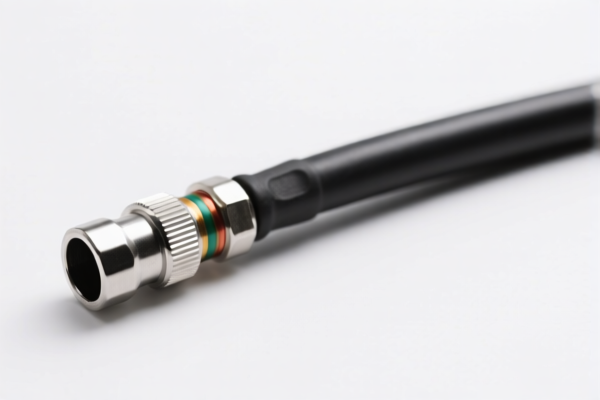
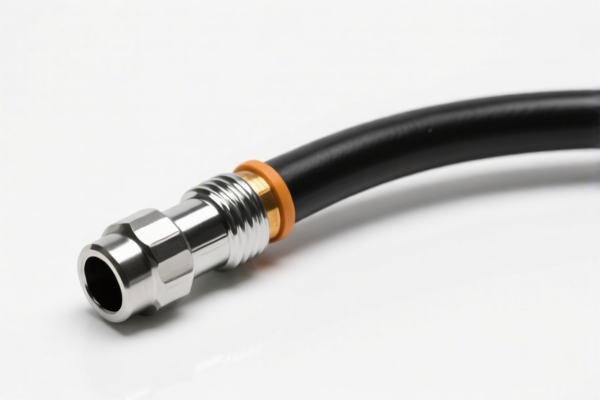


AI Analysis
🛑 Brake Hydraulic Hose (Automotive Brake Systems)
🌐 HS Code Reference & Clearance Guide | 2026 Latest Tariff Analysis | Professional Logistics Strategy
📌 I. Product Definition & Classification: Do You Know Your "Brake Hose"?
Brake Hydraulic Hoses are critical safety components in automotive brake systems, designed to transfer hydraulic fluid under high pressure from the master cylinder to brake calipers or wheel cylinders. In international trade, classification depends heavily on Material (Rubber vs. Steel/Metal) and Application (Vehicle Braking System).
International Trade distinguishes between:
🔹 Rubber/Plastic Brake Hoses (Flexible): Made of vulcanized rubber or plastic, often reinforced with textile or wire, designed for flexibility. * Classification: Primarily under Chapter 40 (Rubber), specifically 4009.
🔹 Steel/Metal Pipe Fittings (Rigid or Connectors): Made of iron, non-alloy steel, or copper, used as rigid connectors or rigid pipe sections within the braking system. * Classification: Primarily under Chapter 73 (Iron/Steel), specifically 7307.
⚠️ Key Differentiation Point:
- If it is a flexible hose made of rubber (even with wire reinforcement) →归入 4009 series.
- If it is a rigid metal pipe or metal fitting (elbows, unions, adapters) for the brake system → 归入 7307 series.
- If it is a complete brake system assembly (rare for a simple hose, but possible) → 归入 8708.
📦 II. HS Code Classification Details (2026 Tariff Authority Comparison)
| HS Code | Product Description | Material & Form | Application Scope | Tax Rate (Total) |
|---|---|---|---|---|
4009.12.00.20 |
Brake Hose, Rubber, Unreinforced | Vulcanized Rubber (Soft) | Brake system fluid transfer | 20.0% |
4009.22.00.20 |
Brake Hose, Rubber, Reinforced | Vulcanized Rubber + Reinforcement (Wire/Fabric) | High-pressure braking systems | 37.5% |
8708.30.50.90 |
Brake System Parts (General) | Metal/Rubber/Plastic Mix | Parts for brake systems of other vehicles | 37.5% (2.5% Base + 35% Add) |
7307.99.50.45 |
Steel/Metal Pipe Fittings | Iron/Non-Alloy Steel | Metal connectors/adapters for brake lines | 89.3% |
7307.29.00.90 |
Other Iron/Steel Pipe Fittings | Steel or Mixed Metal | Steel adapters, flanges, or rigid fittings | 90.0% |
🔍 Critical Reminder:
- Rubber Hoses (4009) are significantly cheaper to import than Metal Fittings (7307).
- Misclassifying a rubber hose as a "Metal Fitting" (7307) can lead to a 70%+ tariff hike.
- If the product includes metal ends on a rubber hose, check if the rubber body is the "essential character" (likely4009) or if the metal dominates (likely7307or8708).
💰 III. 2026 Latest Tariff Rate Breakdown (Detailed Tax Clauses)
✅ Target Market: United States (US)
✅ Country of Origin: China (CN)
✅ Effective Date: November 10, 2025 (Includes Section 301 & 122 Provisions)
🎯 1. 4009.12.00.20 —— Rubber Brake Hose (Unreinforced)
| Item | Details |
|---|---|
| Base Duty | 2.5% (Standard MFN) |
| Section 301 Add-on | +7.5% |
| Section 122 (10%) | +10% (Specific to certain rubber/plastic items) |
| Total Duty | 20.0% |
| Calculation | CIF Value × 20% |
| De Minimis Exemption | ❌ NO (Not eligible) |
| Legal Path | USITC:4009.12.00.20 → Section 301: Footnote → Section 122: 10% |
📌 Explanation:
- Base rate is low (2.5%), but the Section 122 and Section 301 provisions apply strictly.
- Total 20% is the "low-risk" entry point for rubber hoses.
🎯 2. 4009.22.00.20 —— Reinforced Rubber Brake Hose
| Item | Details |
|---|---|
| Base Duty | 2.5% |
| Section 301 Add-on | +25.0% (Standard Section 301) |
| Section 122 (10%) | +10% |
| Total Duty | 37.5% |
| Calculation | CIF Value × 37.5% |
| De Minimis Exemption | ❌ NO |
| Legal Path | USITC:4009.22.00.20 → Section 301: Footnote → Section 122: 10% |
📌 Note:
- Reinforced hoses (wire braided) incur a higher Section 301 rate (25%) compared to unreinforced ones (7.5%).
- This reflects the higher industrial value of reinforced components.
🎯 3. 8708.30.50.90 —— Brake System Parts (General)
| Item | Details |
|---|---|
| Base Duty | 2.5% |
| Section 301 Add-on | +25.0% |
| Section 122 (10%) | +10% |
| Total Duty | 37.5% (Displayed as 2.5% + 35% in source) |
| Calculation | CIF Value × 37.5% |
| De Minimis Exemption | ❌ NO |
📌 Usage: Applied if the product is a complex assembly of brake parts or not easily classified as pure rubber or pure metal.
🎯 4. 7307.99.50.45 & 7307.29.00.90 —— HIGH RISK: Metal Fittings & Pipes
| Item | Details |
|---|---|
| Base Duty | 4.3% (7307.99) or 5.0% (7307.29) |
| Section 301 Add-on | +25.0% |
| Section 122 (Steel/Aluminum/Copper) | +50.0% |
| Total Duty | 89.3% (7307.99) or 90.0% (7307.29) |
| Calculation | CIF Value × ~90% |
| De Minimis Exemption | ❌ NO (Deny) |
| Legal Path | Section 122: 10% Steel/Aluminum/Copper → Section 301: 25% |
⚠️ CRITICAL WARNING:
- This is a "Tax Trap"! If your product contains significant steel parts (fittings, adapters), the tax SOARS to ~90%.
- The Section 122 Clause adds an extra 50% specifically for steel/aluminum/copper products.
- Strategy: Ensure the product is clearly defined as a Rubber Hose (4009) to avoid this catastrophic tax rate. If it is a metal fitting, the cost is prohibitive.
🛠️ IV. Customs Clearance Practical Advice (Pitfall Avoidance Guide)
✅ 1. Preparation Checklist (Non-negotiable)
| Document | Requirement | Purpose |
|---|---|---|
| ✅ Technical Spec Sheet | ✔️ Must show: Material (Rubber/Steel), Reinforcement (Wire/Braid), Pressure Rating (PSI) | Determines 4009 vs 7307. |
| ✅ Photos (Cross-section) | ✔️ Show the rubber layer and any internal wire reinforcement | Proves "Essential Character" is rubber. |
| ✅ Product Composition | ✔️ % by weight of Rubber vs. Metal | If Metal > Rubber, risk moves to 7307 (90% tax). |
| ✅ End Fittings Description | ✔️ Specify if metal ends are "attached" or "integral" | Helps prove it's a hose (4009), not a pipe fitting (7307). |
| ✅ Commercial Invoice | ✔️ State "Rubber Brake Hose" clearly | Avoids suspicion of "Steel Fitting". |
| ✅ Packing List | ✔️ Separate rubber hoses from metal brackets if possible | Prevents mixed classification errors. |
✅ 2. Declaration Strategy (Golden Rules)
🔥 "Rubber is King, Metal is Trap: Declare Hoses, Not Pipes!"
| Scenario | Correct Classification | Wrong Classification | Consequence |
|---|---|---|---|
| Flexible Rubber Hose (even with metal ends) | 4009.22.00.20 (37.5%) |
7307.29.00.90 |
Tax Jump: 37.5% → 90% (Double Tax!) |
| Stainless Steel Pipe (no rubber) | 7307.29.00.90 |
4009.22.00.20 |
Tax Drop: 90% → 37.5% (But Risk Audit) |
| Brake Assembly (Complex) | 8708.30.50.90 |
7307.99.50.45 |
Tax: 37.5% vs 89.3% |
| Simple Metal Fitting | 7307.99.50.45 |
4009 |
Severe Penalty + 90% Tax |
Key Insight:
If your product is a "Rubber Hose with Metal Crimped Ends", it is STILL a Hose (4009), NOT a Fitting (7307). The rubber is the essential character. Do NOT declare it as "Steel Brake Pipe".
✅ 3. Special Situations
| Situation | Strategy |
|---|---|
| OEM Branded Hoses | Provide OEM contract. Do not use generic "Brake Hose" if specific "Automotive Brake Hose" is more accurate. |
| Mixed Shipment | If shipping hoses AND metal brackets, split the invoice. Do not bundle. |
| High Pressure Hydraulic Hoses | Ensure "Vulcanized Rubber" is stated. Non-vulcanized rubber might fall under different codes. |
| Reinforced vs. Unreinforced | 4009.12 (Unreinforced) is 20%. 4009.22 (Reinforced) is 37.5%. Be precise! |
🌍 V. Global Market Comparison (2026)
| Country/Region | Recommended HS Code | Total Duty (China Origin) | Key Requirement | Note |
|---|---|---|---|---|
| 🇺🇸 USA | 4009.22.00.20 |
37.5% | Section 122 + 301 | HIGHEST RISK for metal misclassification |
| 🇪🇺 EU | 4009.22.00 |
~4-6% | CE + REACH | No Section 301/122 |
| 🇯🇵 Japan | 4009.22.00 |
~6-10% | PSE | Moderate tax |
| 🇨🇳 China | 4009.22.00 |
2.5% | CCC | No export tax |
📌 Conclusion:
- USA is the most critical market due to Section 122 (50% steel tax) and Section 301.
- Misclassifying a rubber hose as a metal fitting in the US will cost nearly double the value of the product in taxes.
- EU/Asia are much more forgiving for rubber hoses.
📌 VI. Common Errors & Lessons Learned (Pain Points)
❌ Error 1: Calling a "Rubber Brake Hose" a "Steel Pipe Fitting" because of the metal ends.
👉 Result: Tax jumps from 37.5% to 90%. Loss of profit margin.
❌ Error 2: Declaring "Brake Hose" but shipping "Steel Brake Lines" (Rigid pipes).
👉 Result: Customs audit, seizure of goods, potential fraud penalty.
❌ Error 3: Ignoring the "Reinforcement" detail.
👉 Result: Declaring 4009.12 (20%) for a reinforced hose (4009.22, 37.5%). Under-declaration leads to fines.
✅ Correct Declaration Example:
"Rubber Brake Hydraulic Hose, Braided Wire Reinforced, with Steel Crimped Fittings, for Automotive Brake System, Model X-200"
HS Code:4009.22.00.20
Tax: 37.5%
🎯 VII. Final Conclusion: Precision Saves Millions!
🎯 Remember the Mnemonic:
🔹 "Rubber = Low Tax (20-37%), Metal = High Tax (~90%)!"
🔹 "Hose is Hose, Don't Call it Pipe!"
🔹 "Metal Ends Don't Make it a Fitting!"
📌 Pro Tip:
If you are manufacturing Brake Hoses, ensure the Rubber Content > 50% by weight. If the metal ends dominate, you are at risk of being classified under Chapter 73 (Steel) and facing 90% tariffs.
🚀 Action Plan:
1. Verify Material Composition (Rubber vs. Steel %).
2. Use Specific HS Codes (4009for rubber,7307for metal).
3. Apply for Binding Tariff Information (BTI) if unsure.
4. Avoid "Steel" keywords in the description unless it IS a steel pipe.
✨ Professional Clearance Starts with Accurate Classification!
💼 Your Profit Margin Depends on This 90% Difference!
Customer Reviews
About HS Code Classification
The Harmonized System (HS) is an internationally standardized nomenclature developed by the World Customs Organization (WCO) to classify traded products. Over 200 countries use the HS system as the basis for customs tariffs, trade statistics, and import/export regulations.
Each HS code follows a hierarchical structure:
- Chapter (2 digits) — Broad category of goods (e.g., Chapter 84: Machinery and Mechanical Appliances)
- Heading (4 digits) — More specific grouping within the chapter
- Subheading (6 digits) — Internationally standardized breakdown, used by all WCO member countries
- National subdivisions (8-10 digits) — Country-specific extensions for further classification, such as US HTSUS 10-digit codes
Correct HS code classification is essential for smooth customs clearance, accurate duty payment, and compliance with trade regulations. Misclassification can lead to customs delays, overpayment of duties, or penalties.
When importing from CN to US, the applicable tariff rates may include:
- Most-Favored-Nation (MFN) rate — The standard duty rate applied to WTO members
- General rate — Applied to countries without trade agreements
- Trade remedy duties — Additional tariffs such as Section 301 (anti-dumping), Section 232 (national security), or countervailing duties
The information provided on this page is for reference purposes only. For official classification, please consult with your local customs authority or a licensed customs broker.