Brake System Parts
CN → US| HS Code | Tariff Rate | Origin | Destination | Doc |
|---|---|---|---|---|
| 6813200015 | 35.0% | CN | US | Official Doc |
| 8708301090 | 35.0% | CN | US | Official Doc |
| 8431499084 | 85.0% | CN | US | Official Doc |
| 6813810050 | 35.0% | CN | US | Official Doc |
Product Images
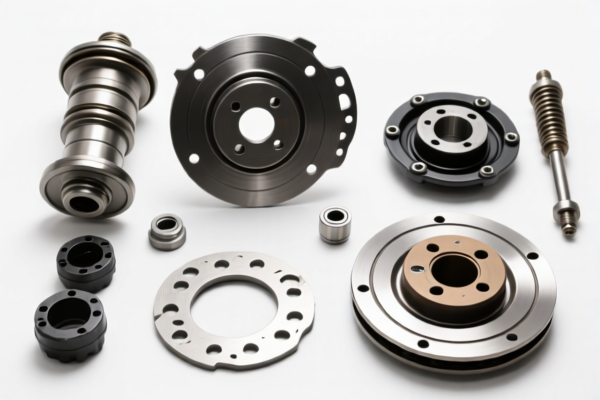
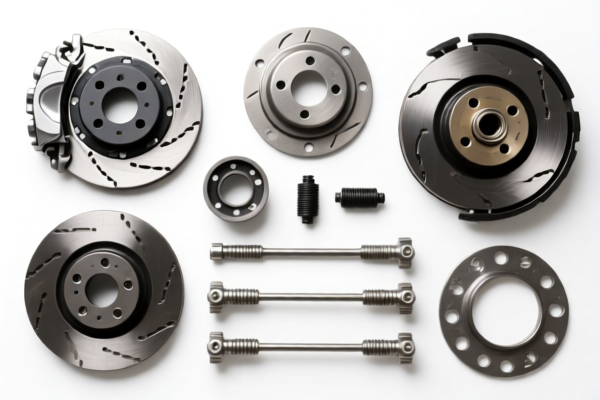
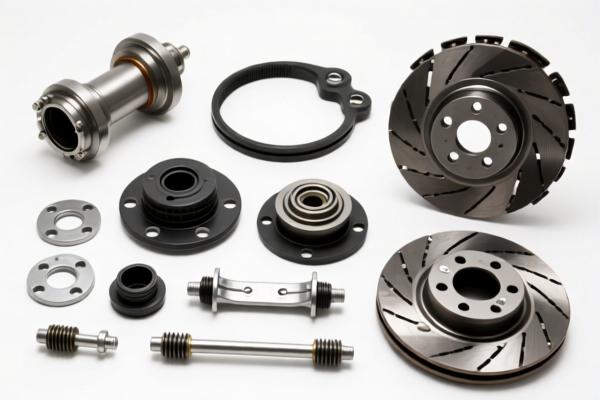
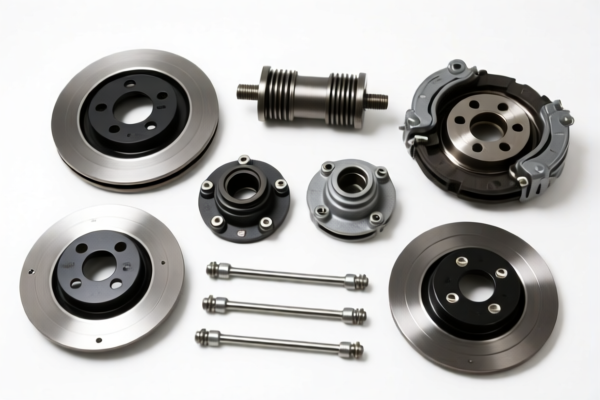
AI Analysis
🛑 Brake System Parts (制动配件)
🌐 HS Code Reference & Customs Clearance Guide | 2026 Latest Tariff Analysis | Professional Clearance Strategy
📌 Part 1: Product Definition & Classification: What Exactly Are "Brake Parts"?
Brake system parts are critical components ensuring vehicle safety and stopping power. In international trade, they are not a single homogeneous category but are classified based on material composition and functional integration. Misclassification can lead to severe penalties, especially given the high tariff rates for certain categories.
The data indicates four primary classification paths: 1. Friction Material Based: Brake shoes, pads, or linings made of organic/ceramic composite materials. 2. General Mechanical Parts: Brake cylinders, calipers, or general mechanical assemblies not specifically named elsewhere. 3. Metal Components (Steel/Aluminum/Copper): Structural or metallic parts subject to additional metal tariffs. 4. Residual/Other: Items that don't fit specific friction or mechanical definitions.
⚠️ Key Distinction Point:
- If the part is a friction material (e.g., brake pad lining), it typically falls under HS 6813.
- If the part is a general mechanical component (e.g., bracket, housing) without specific brake designation, it may fall under HS 8708 or HS 8431.
- Metal Content Warning: Parts containing steel, aluminum, or copper may incur an additional 50% tariff under specific provisions, drastically increasing costs.
📦 Part 2: HS Code Classification Details (2026 Latest Tariff Reference)
Based on the provided data, here are the four distinct HS Code paths for Brake System Parts:
| HS Code | Product Description & Logic | Application Scenario | Material/Type Inference |
|---|---|---|---|
6813.20.00.15 |
Brake Accessories: Friction material products, consistent with brake usage. | Brake pads, linings, or friction blocks composed of non-metallic materials. | Friction Material (Inferred) |
8708.30.10.90 |
Brake Accessories: General spare parts, "Other" residual category for vehicle parts. | Brake components that are specific to the vehicle but do not fit a more specific friction or mechanical code. | General Vehicle Part (Residual) |
8431.49.90.84 |
Brake Accessories: Mechanical零部件 (Parts), defaulting to "Other" mechanical categories. | Mechanical brake components, potentially involving metal structures. | Mechanical Part (Metal/Steel/Al/Cu risk) |
6813.81.00.50 |
Brake Accessories: Friction material products, other categories, inferred as friction制品. | Alternative classification for friction materials, possibly different composition than 6813.20. | Friction Material (Inferred) |
🔍 Critical Reminder:
-6813Codes are specifically for friction materials (like brake linings). If your product is a pad or lining, these are the most likely codes.
-8708Codes are for motor vehicle parts. Use this if the part is a specific brake assembly (like a caliper bracket) that isn't a raw friction material.
-8431Codes are for parts of machinery. Use this only if the brake part is considered a general mechanical component of a broader machine or vehicle system, and be aware of the 50% metal tariff risk.
💰 Part 3: 2026 Latest Tariff Rate Breakdown (Including Surcharges & Policy Add-ons)
✅ Applicable Country: United States (US)
✅ Origin: China (CN)
✅ Effective Time: Current tariffs apply (including Section 301 and IEEPA measures)
🎯 1. 6813.20.00.15 & 6813.81.00.50 —— Friction Material Brake Parts
| Item | Details |
|---|---|
| Base Tariff | 0.0% (Ad valorem) |
| Section 301 Surcharge | +25.0% |
| IEEPA Surcharge (122 Clause) | +10.0% |
| Total Tax Rate | 35.0% |
| Tax Calculation | CIF Value × 35% |
| De Minimis Eligibility | ❌ Not Eligible (High tariff risk) |
| Legal Basis | Standard Section 301 + IEEPA 122 provisions |
📌 Explanation:
- These codes benefit from a 0% base tariff, but are heavily impacted by trade wars.
- The 35% total rate is driven by the 25% Section 301 tariff and 10% IEEPA tariff.
- Note: This is significantly lower than the mechanical parts category, making friction materials a more tariff-friendly option if classified correctly.
🎯 2. 8708.30.10.90 —— General Brake Accessories (Residual Category)
| Item | Details |
|---|---|
| Base Tariff | 0.0% |
| Section 301 Surcharge | +25.0% |
| IEEPA Surcharge (122 Clause) | +10.0% |
| Total Tax Rate | 35.0% |
| Tax Calculation | CIF Value × 35% |
| De Minimis Eligibility | ❌ Not Eligible |
| Legal Basis | Standard Section 301 + IEEPA 122 provisions |
📌 Note:
- Similar to friction materials, this code has a 0% base tariff.
- However, classification as "Other" means it must clearly be a vehicle part. If it's a generic mechanical part, it might slip into the higher-tariff8431category.
🎯 3. 8431.49.90.84 —— Mechanical Brake Parts (High Risk)
| Item | Details |
|---|---|
| Base Tariff | 0.0% |
| Section 301 Surcharge | +25.0% |
| IEEPA Surcharge (122 Clause) | +10.0% |
| Steel/Al/Cu Surcharge | +50.0% (If made of steel, aluminum, or copper) |
| Total Tax Rate | 85.0% (With Metal Surcharge) |
| Tax Calculation | CIF Value × 85% |
| De Minimis Eligibility | ❌ Not Eligible |
| Legal Basis | Section 301 + IEEPA 122 + Metal-Specific Tariffs |
📌 Warning:
- This is the highest risk category.
- The 85% total rate is due to the additional 50% tariff on steel, aluminum, and copper products.
- If your brake part is made of metal (e.g., brake calipers, rotors, brackets), it likely falls here or is subject to the metal surcharge.
- Strategy: Avoid classifying metal brake parts under8431if possible; check if8708applies, which does not have the 50% metal surcharge in the provided data (only 25% + 10% = 35%).
🛠️ Part 4: Customs Clearance Practical Advice (Avoid Pitfalls)
✅ 1. Preparation Checklist (Essential Documents)
| Document | Required | Explanation |
|---|---|---|
| ✅ Product Specification Sheet | ✔️ | Must detail material (e.g., "ceramic fiber," "steel alloy," "organic composite"). |
| ✅ Material Certificate (MTC) | ✔️ | Crucial for 8431 vs. 8708/6813 distinction. Proves if steel/aluminum content triggers the 50% tax. |
| ✅ Technical Drawings | ✔️ | Shows if the part is a finished brake component (8708) or a raw mechanical part (8431). |
| ✅ Commercial Invoice | ✔️ | Clear description: "Brake Pad" (for 6813) vs. "Brake Caliper" (for 8708/8431). |
| ✅ Origin Certificate (CO) | ✔️ | To prove CN origin and apply correct surcharges. |
✅ 2. Classification Strategy (Key Mantra)
🔥 "Material Defines Code, Metal Adds 50%, Vehicle Parts Stay at 35%!"
| Scenario | Recommended HS Code | Reason |
|---|---|---|
| Brake Pads/Linings (Non-Metal) | 6813.20.00.15 or 6813.81.00.50 |
Friction materials have lower total tax (35%). |
| Brake Calipers/Housings (Metal) | 8708.30.10.90 |
Vehicle-specific part. Avoid 8431 to escape the 50% metal surcharge. |
| Generic Mechanical Brackets | 8708.30.10.90 |
If specific to the vehicle, use 8708. |
| Loose Metal Parts (Non-Vehicle Specific) | 8431.49.90.84 |
High Risk! 85% tax. Only use if truly a general machinery part. |
⚠️ Critical Tip:
- Always aim for6813(if friction) or8708(if vehicle part).
- Avoid8431for metal brake parts if you can justify8708. The difference is 50% extra tax!
✅ 3. Special Circumstances
| Situation | Advice |
|---|---|
| Hybrid Brake Parts | If a part contains both friction material and metal, classify based on essential character. If friction is primary, use 6813. |
| Brake Rotors (Discs) | Typically metal. Use 8708.30.10.90 if specific to vehicles. Do not use 8431 unless it's a general industrial part. |
| Brake Fluids/Hoses | Not covered in this data. Ensure they are not miscategorized as mechanical parts. |
🌍 Part 5: Global Market Comparison (2026 Latest)
| Country/Region | Recommended HS Code | Tariff Rate | Notes |
|---|---|---|---|
| 🇺🇸 USA | 6813 / 8708 |
35% | Friction/General Parts. |
| 🇺🇸 USA | 8431 (Metal) |
85% | High risk for metal parts. |
| 🇨🇳 China | 6813 / 8708 |
Variable | Check latest Chinese import duties. |
| 🇪🇺 EU | 6813 / 8708 |
0-5% | Generally lower tariffs, no Section 301. |
| 🇬🇧 UK | 6813 / 8708 |
0-5% | Post-Brexit tariffs. |
📌 Conclusion:
- USA is the most challenging market due to high surcharges.
- Classification is key: A small change from8431to8708saves 50% in taxes.
- Material Declaration: Be precise in your invoice and specs to support your chosen HS Code.
📌 Part 6: Common Errors & Pitfalls (Blood Lessons)
❌ Error 1: Classifying metal brake calipers as 8431.49.90.84
👉 Consequence: Pay 85% tariff instead of 35%.
👉 Fix: Classify as 8708.30.10.90 (Vehicle Part).
❌ Error 2: Describing brake pads as "Mechanical Parts"
👉 Consequence: Customs may reclassify to a higher duty rate or delay clearance for investigation.
👉 Fix: Clearly state "Brake Pad" or "Friction Material."
❌ Error 3: Ignoring Metal Content in 8431
👉 Consequence: Unexpected 50% surcharge on steel/aluminum.
👉 Fix: Always provide Material Test Reports to prove composition.
✅ Correct Action:
"Brake Pad, Ceramic Fiber Material, Model XYZ, For Honda Civic" →
6813.20.00.15(35%)
"Brake Caliper, Aluminum Alloy, Model ABC, For Toyota Camry" →8708.30.10.90(35%)
NOT8431.49.90.84(85%)
🎯 Part 7: Conclusion: Precise Classification, Maximum Savings!
🎯 Remember the Mantra:
🔹 "Friction Material = 6813 (35%)
🔹 Vehicle Part = 8708 (35%)
🔹 General Metal Part = 8431 (85%) – AVOID!
🔹 Material Definition is Everything!"
📌 Pro Tip:
If your brake parts are made of non-ferrous metals or composites, emphasize this in your documentation to avoid the 50% steel/aluminum surcharge under 8431.
Consider applying for an Advance Ruling from US Customs (CBP) if your product mix is complex.
📣 Immediate Action:
📞 Contact your freight forwarder with Material Certificates.
🚀 Optimize your HS Code to stay at 35% and avoid the 85% trap.
💼 Save thousands on every shipment!
✨ Professional Clearance Starts with Accurate Classification!
💼 Every percentage point matters!
Customer Reviews
About HS Code Classification
The Harmonized System (HS) is an internationally standardized nomenclature developed by the World Customs Organization (WCO) to classify traded products. Over 200 countries use the HS system as the basis for customs tariffs, trade statistics, and import/export regulations.
Each HS code follows a hierarchical structure:
- Chapter (2 digits) — Broad category of goods (e.g., Chapter 84: Machinery and Mechanical Appliances)
- Heading (4 digits) — More specific grouping within the chapter
- Subheading (6 digits) — Internationally standardized breakdown, used by all WCO member countries
- National subdivisions (8-10 digits) — Country-specific extensions for further classification, such as US HTSUS 10-digit codes
Correct HS code classification is essential for smooth customs clearance, accurate duty payment, and compliance with trade regulations. Misclassification can lead to customs delays, overpayment of duties, or penalties.
When importing from CN to US, the applicable tariff rates may include:
- Most-Favored-Nation (MFN) rate — The standard duty rate applied to WTO members
- General rate — Applied to countries without trade agreements
- Trade remedy duties — Additional tariffs such as Section 301 (anti-dumping), Section 232 (national security), or countervailing duties
The information provided on this page is for reference purposes only. For official classification, please consult with your local customs authority or a licensed customs broker.