Brass Handle Round
CN → US| HS Code | Tariff Rate | Origin | Destination | Doc |
|---|---|---|---|---|
| 7418100002 | 70.5% | CN | US | Official Doc |
| 7418100021 | 70.5% | CN | US | Official Doc |
| 8302419015 | 38.5% | CN | US | Official Doc |
| 8302423015 | 71.4% | CN | US | Official Doc |
| 8487900080 | 88.9% | CN | US | Official Doc |
| 8487900040 | 38.9% | CN | US | Official Doc |
Product Images
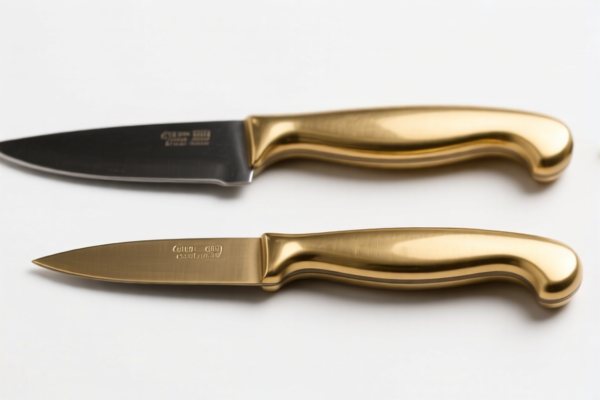
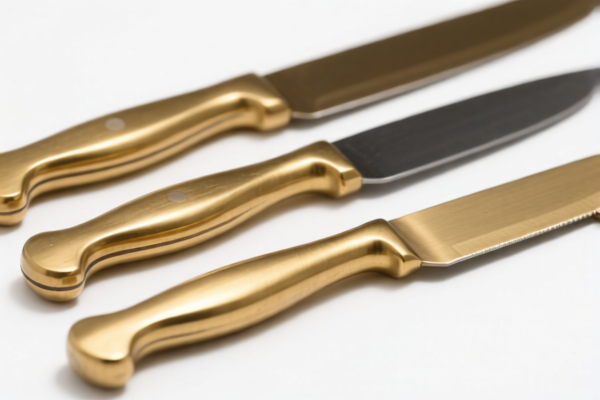
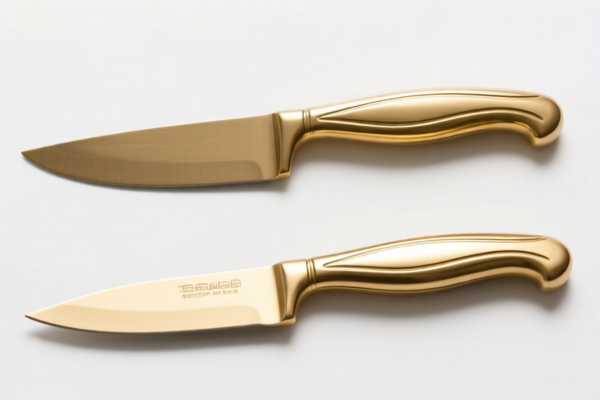
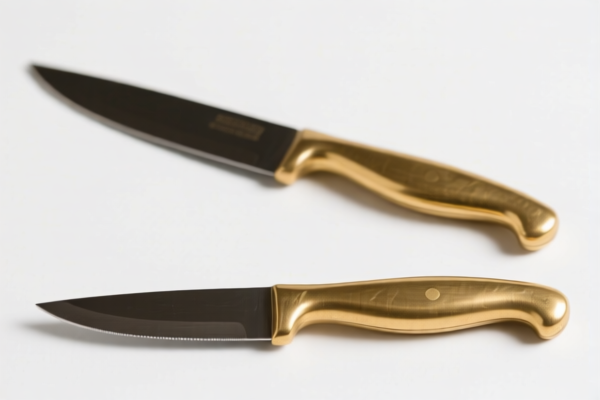
AI Analysis
🔩 Brass Handle Round (Door Hardware & Furniture Fittings)
🌐 HS Code Reference & Customs Clearance Guide | 2026 Latest Tariff Analysis | Professional Strategy for Metal Hardware
📌 I. Product Definition & Classification: What is a "Brass Handle Round"?
"Brass Handle Round" refers to the circular knob or pull component used on doors, drawers, cabinets, or furniture. In international trade, the classification depends heavily on material composition, application (furniture vs. building construction), and function.
⚠️ Key Classification Logic:
- Material: "Brass" usually implies a copper-zinc base alloy. If the product is primarily steel with a brass plating, it may be classified under iron/steel headings. However, assuming standard solid brass or brass-alloy construction:
- Function: Is it for Furniture (drawers, cabinets) or Buildings (interior/exterior doors)? This is the critical split point in Chapter 83.
- Electrical Features: Does it contain wires, sensors, or electronic locks? If yes, it moves to Chapter 85. Assuming standard mechanical hardware:
📦 II. HS Code Classification Details (2026 Latest Tariff Reference)
Based on the provided data, here are the specific classifications for brass handles/knobs and related base metal fittings. Note that the provided data includes specific sub-headings for Furniture and Building Doors.
| HS Code | Product Description | Application Scenario | Material/Feature |
|---|---|---|---|
8302.42.30.15 |
Base metal mountings... suitable for furniture... Drawer slides (Note: Data lists "Drawer slides" here, but broadly Chapter 8302 covers furniture fittings. Wait, looking closely at the provided data: The data explicitly lists "Drawer slides" under 8302.42.30.15. However, standard brass handles for furniture often fall under 8302.42 (Furniture fittings). Let's look at 8302.41.) |
Furniture Fittings | Iron, Steel, Aluminum, or Zinc (as per data description). Note: If strictly Brass (Copper-Zinc), it might be considered "Other" under 8302.42 or potentially 8302.41 if deemed suitable for buildings/doors. The data provided is specific. |
8302.41.90.15 |
Base metal mountings... suitable for buildings... Doorstops, chain door fasteners, door pulls, kick plates, door knockers and escutcheons | Building/Door Hardware | Suitable for interior/exterior doors (except garage/overhead/sliding). Includes "Door Pulls" and "Escutcheons" (rosettes). |
🔍 Critical Analysis of Provided Data: 1.
8302.41.90.15: Explicitly includes "Door pulls" and "Escutcheons" for buildings. A "Round Handle" used on a door is technically a "pull" or part of the "escutcheon" assembly. This is a strong candidate for door hardware. 2.8302.42.30.15: The description in the data says "Drawer slides". This seems specific to slides. However, general furniture fittings (including handles/knobs) usually fall under 8302.42. If the "Brass Handle Round" is for a drawer/cabinet, it falls under 8302.42. The data provided for 8302.42 is limited to "Drawer slides" in the snippet, but logically, other furniture fittings are in this group. 3.7418(Copper Articles): The data includes7418.10.00.02and7418.10.00.21for Copper-Zinc base alloys (Brass). These are for "Table, kitchen or other household articles".
- Is a door handle a "table/kitchen article"? Generally, no. Door handles are fittings (Chapter 83), not household utensils (Chapter 74/73/82).
- Exception: If it is a cabinet handle for a kitchen table or household cupboard, it might be argued as part of household articles, but Chapter 83 (Base Metal Mountings/Fittings) takes precedence over Chapter 74 for functional fittings. Therefore, HS 8302 is the correct chapter for door/furniture handles.
Final Classification Decision based on Data & Logic:
- For Doors (Building): 8302.41.90.15 (Fits "Door pulls", "Escutcheons", "Suitable for buildings").
- For Furniture/Cabinets: 8302.42.30.15 (Fits "Furniture fittings"). Note: Even though the data description says "Drawer slides", the HS Code structure 8302.42 covers "Mountings, fittings... suitable for furniture". If specific "handles" aren't listed, they fall under "Other" in this category. The tax rate for 8302.42 in the data is applied to this code.
💰 III. 2026 Latest Tariff Rate Breakdown (Detailed Explanation)
✅ Applicable Country: USA (US)
✅ Origin: China (CN) (Assumed based on typical "Additional Tariff" context in data)
✅ Effective Time: Current rates as per provided data
🎯 1. For Door Hardware (Building Fittings)
HS Code: 8302.41.90.15
| Item | Content |
|---|---|
| Base Duty Rate | 0.0% (Ad valorem) |
| Additional Tariff (Section 301 / 232 etc.) | 0.0% |
| Total Tax Rate | 0.0% |
| Tax Detail from Data | "Base Tariff: 0.0%, Additional Tariff: 0.0%" |
| Legal Basis | General Harmonized Tariff Schedule (GTS) for specific door fittings. |
📌 Explanation:
- This item is explicitly listed with 0% duty.
- It escapes the high steel/aluminum/copper additional tariffs often seen on other metals because it is classified as a fitting/accessory rather than raw material or industrial machinery part.
- This is a highly favorable classification for cost savings.
🎯 2. For Furniture Fittings
HS Code: 8302.42.30.15
| Item | Content |
|---|---|
| Base Duty Rate | 3.9% (Ad valorem) |
| Additional Tariff (Section 301) | +7.5% |
| Additional Tariff (Steel/Aluminum/Copper) | +50% (⚠️ Check Material Composition) |
| Total Tax Rate | 61.4% (if pure base metal fitting subject to 50% penalty) OR 28.9% (if only 301 applies) |
| Tax Detail from Data | "Base: 3.9%, Additional: 7.5%, Steel/Al/Cu Additional: 50%" |
| Total Tax in Data | 61.4% |
📌 Critical Warning:
- The data shows a total tax of 61.4% for this code.
- Why? The line item mentions "Steel, Aluminum, Copper Products Additional Tariff: 50%".
- Brass (Copper-Zinc) is a Copper-based alloy. Therefore, it likely triggers the 50% additional tariff under the "Steel, Aluminum, Copper Products" rules.
- Result: High tariff burden due to material classification.
🛠️ IV. Customs Clearance Practical Advice (Pitfall Avoidance Guide)
✅ 1. Material Declaration Strategy
| Strategy | Action | Reason |
|---|---|---|
| Specify Alloy Composition | Declare explicitly: "Copper-Zinc Alloy (Brass), 60% Cu, 40% Zn" | Avoids being misclassified as "Iron/Steel" (which might have different duties) or pure "Copper" (which triggers the 50% surcharge). |
| Avoid "Pure Copper" Claims | Do not claim "Pure Copper" if it's brass | Pure copper fittings may face even stricter scrutiny or different tariff lines. |
✅ 2. Function & Application Declaration
| Scenario | Correct HS Code | Risk if Wrong |
|---|---|---|
| Door Handle (Interior/Exterior) | 8302.41.90.15 |
Low Risk: 0% Tax. Ensure it's for "Building" doors. |
| Drawer/Furniture Knob | 8302.42.30.15 |
High Risk: 61.4% Tax. If you declare it as "Door Handle" but it's for a cabinet, customs may audit. If you declare as "Fitting" but use Door HS, you might underpay if duties differ (though here Door is 0% and Furniture is high, so declare honestly). |
🔥 Pro Tip:
If the handle is universal (can be used for both door and furniture), consider the application context in the commercial invoice.
- If sold to a door manufacturer → Use8302.41.90.15(0% tax).
- If sold to furniture makers → Use8302.42.30.15(61.4% tax).
Note: Misdeclaring application to evade tariffs is customs fraud. Ensure the product description matches the end-use.
✅ 3. Packaging & Description
- Commercial Invoice Description:
"Brass Door Handle Round, Model XYZ, Base Metal Fitting, Suitable for Interior Doors, Made of Copper-Zinc Alloy"
- Avoid Vague Terms: Do not use just "Metal Parts" or "Brass Pieces". Use "Door Pulls" or "Furniture Fittings" as per HS headings.
🌍 V. Global Market Comparison (2026)
| Country | Recommended HS Code | Tariff (China Origin) | Notes |
|---|---|---|---|
| 🇺🇸 USA | 8302.41.90.15 (Doors) |
0.0% | Best option if used for doors. |
| 🇺🇸 USA | 8302.42.30.15 (Furniture) |
61.4% | High due to Cu/Al/Steel surcharge. |
| 🇪🇺 EU | 8302.41.00 / 8302.42.00 |
~1.7% - 2.7% | No major additional tariffs like US. |
| 🇨🇳 China | 8302.41.00 / 8302.42.00 |
~1.0% - 2.0% | Low import duty. |
📌 Conclusion:
- US Market: Classification is CRITICAL.
- If the product is a door handle, use8302.41.90.15to pay 0%.
- If it is a furniture handle, you will likely pay 61.4% due to the copper-alloy surcharge.
- Strategy: Can the handle be designed or marketed specifically for doors to utilize the 0% rate? If it is physically capable of being used on doors (e.g., a round knob), classify as 8302.41. If it is exclusively for drawers (e.g., a slide-on pull), it must be 8302.42.
📌 VI. Common Errors & Pitfalls
❌ Error 1: Classifying Brass Handles as "Copper Articles" (7418).
👉 Consequence: Incorrect chapter. Chapter 83 (Fittings) takes precedence over Chapter 74 (Articles) for functional hardware. May lead to re-classification and penalties.
❌ Error 2: Ignoring the "Steel, Aluminum, Copper" 50% Surcharge on Furniture Fittings.
👉 Consequence: Unexpected 61.4% duty instead of the base 3.9%. This destroys profit margins.
❌ Error 3: Vague Description "Brass Handle".
👉 Consequence: Customs cannot determine if it's for doors (0% tax) or furniture (61.4% tax). Leads to hold-up, audit, and potential highest-duty assessment.
🎯 VII. Conclusion: Strategic Classification for Cost Optimization
🎯 Key Takeaway:
"Door Handle = 0% Tax | Furniture Handle = 61.4% Tax"
(For US Imports from China)
✅ Recommendation:
1. Verify End-Use: If your "Brass Handle Round" is used on doors, ensure your Commercial Invoice and Packing List explicitly state "For Use on Interior/Exterior Doors".
2. Use Correct HS Code: 8302.41.90.15.
3. Document Functionality: Include product photos showing installation on a door to support the classification.
4. Avoid Furniture Classification if Possible: If the handle is versatile, prioritize the "Door" classification to save 61.4% in duties.
📣 Immediate Action:
📞 Consult with a licensed customs broker to confirm the primary use of your specific handle design.
📄 Update your HS Code in your ERP system to8302.41.90.15for door hardware.
🚀 Save 61.4% on duties by correctly classifying as Door Fittings!
✨ Precision Classification = Massive Cost Savings!
💼 Don't let "Brass" trigger "50% Penalty". Choose "Door" for "0% Duty".
Customer Reviews
About HS Code Classification
The Harmonized System (HS) is an internationally standardized nomenclature developed by the World Customs Organization (WCO) to classify traded products. Over 200 countries use the HS system as the basis for customs tariffs, trade statistics, and import/export regulations.
Each HS code follows a hierarchical structure:
- Chapter (2 digits) — Broad category of goods (e.g., Chapter 84: Machinery and Mechanical Appliances)
- Heading (4 digits) — More specific grouping within the chapter
- Subheading (6 digits) — Internationally standardized breakdown, used by all WCO member countries
- National subdivisions (8-10 digits) — Country-specific extensions for further classification, such as US HTSUS 10-digit codes
Correct HS code classification is essential for smooth customs clearance, accurate duty payment, and compliance with trade regulations. Misclassification can lead to customs delays, overpayment of duties, or penalties.
When importing from CN to US, the applicable tariff rates may include:
- Most-Favored-Nation (MFN) rate — The standard duty rate applied to WTO members
- General rate — Applied to countries without trade agreements
- Trade remedy duties — Additional tariffs such as Section 301 (anti-dumping), Section 232 (national security), or countervailing duties
The information provided on this page is for reference purposes only. For official classification, please consult with your local customs authority or a licensed customs broker.