Brassieres and Girdles
CN → US| HS Code | Tariff Rate | Origin | Destination | Doc |
|---|---|---|---|---|
| 9021908100 | 10.0% | CN | US | Official Doc |
| 6212200020 | 37.5% | CN | US | Official Doc |
| 6212300020 | 41.0% | CN | US | Official Doc |
Product Images
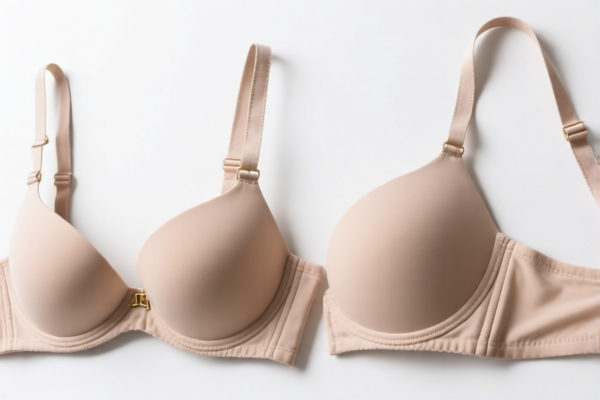
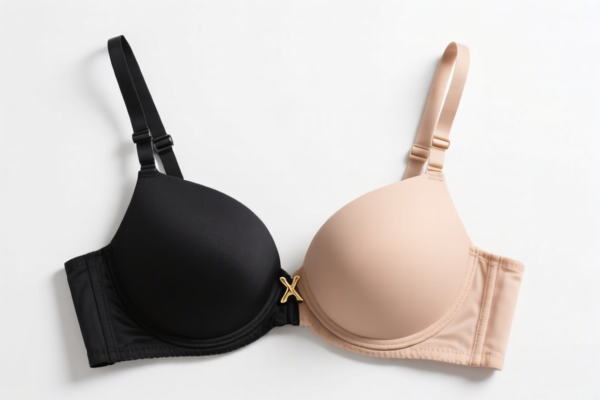
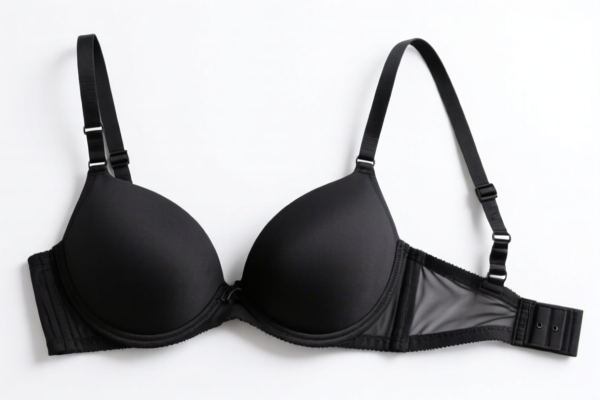
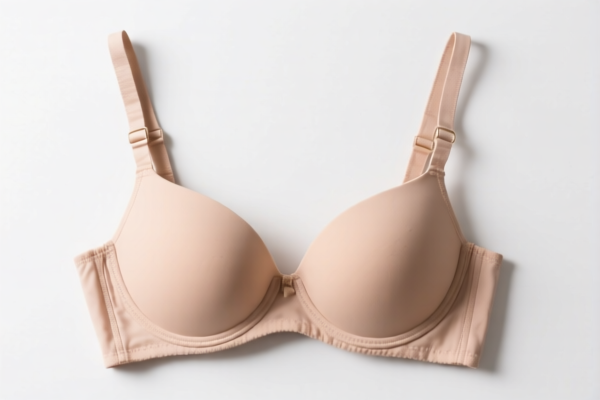
AI Analysis
👙 Shapewear & Girdles (Brassieres and Girdles)
🌐 HS Code Reference & Customs Clearance Guide | 2026 Latest Tariff Analysis | Professional Entry Strategy
📌 I. Product Definition & Classification: What Exactly is "Shapewear"?
Shapewear, encompassing brassieres, girdles, and body shapers, is a broad category of undergarments designed to shape, support, or compensate for bodily functions. In international trade, classification depends heavily on material composition, functionality (medical vs. cosmetic), and construction.
Key Distinctions: * Medical/Orthopedic Shapewear: Designed to compensate for defects or disabilities. Falls under Chapter 90. * Apparel Shapewear (Synthetic Fiber): Most common commercial shapewear (bras, girdles, waist trainers). Falls under Chapter 62. * Apparel Shapewear (Natural Fiber): Less common but exists. Falls under Chapter 61/62 depending on type.
⚠️ Critical Classification Point:
- If the item is primarily for medical compensation (e.g., post-surgical compression, orthopedic support) → Chapter 90 (Lowest Duty)
- If the item is cosmetic/fashion shapewear made of artificial fibers → Chapter 62 (Higher Duty)
- Note: "Girdles" and "Brassieres" are explicitly listed in Chapter 62 headings 6212.
📦 II. HS Code Classification Details (2026 Latest Tariff Data)
Based on the provided data, here are the three specific classifications for Shapewear/Brassieres/Girdles:
| HS Code | Summary Reason | Total Tax Rate | Tax Breakdown |
|---|---|---|---|
9021.90.81.00 |
Medical/Orthopedic Function: Classified as functional wear for compensating defects/disabilities, fitting orthopedic or body-support categories. | 10.0% | Base Duty: 0.0% Added Duty: 0.0% Section 301 (122 Clause): 10% |
6212.20.00.20 |
Cosmetic Girdles/Corsairs: Classified as corsets/girdles, mostly made of artificial fibers, fitting the form and use of this code. | 37.5% | Base Duty: 20.0% Added Duty: 7.5% Section 301 (122 Clause): 10% |
6212.30.00.20 |
Other Shapewear (Synthetic): Shape matches, contains artificial fiber materials, fitting the form and use of this code. | 41.0% | Base Duty: 23.5% Added Duty: 7.5% Section 301 (122 Clause): 10% |
🔍 Key Insight:
- Duty Difference: Choosing9021.90.81.00(Medical) vs.6212.20.00.20(Cosmetic) results in a 27.5% tax difference.
- Why is Section 301 constant? All three codes include a 10% "122 Clause" tariff (likely referring to specific US trade enforcement measures).
- Base Duty varies: From 0% (medical) to 23.5% (cosmetic synthetic).
💰 III. 2026 Latest Tariff Rate Breakdown (Including Add-ons)
✅ Applicable Country: United States (US)
✅ Origin: China (CN)
✅ Effective Time: 2026 (Based on provided data)
🎯 1. 9021.90.81.00 —— Orthopedic/Medical Shapewear
| Item | Content |
|---|---|
| Base Duty | 0% |
| Added Duty | 0% |
| Section 301 (122 Clause) | +10% |
| Total Tax Rate | 10.0% |
| Tax Calculation | CIF Value × 10% |
| De Minimis Eligibility | ❌ Likely Not (Section 301 items often exempt) |
| Legal Basis Path | HTSUS:9021.90.81.00 → Section 301: 122 Clause |
📌 Explanation:
- This is the most tax-efficient option if the product qualifies as medical/orthopedic.
- Requirement: Must prove medical necessity or compensatory function (e.g., post-liposuction garments, back supports with corrective intent).
- Risk: High scrutiny from CBP. Need strong documentation.
🎯 2. 6212.20.00.20 —— Girdles/Corsairs (Artificial Fibers)
| Item | Content |
|---|---|
| Base Duty | 20.0% |
| Added Duty | 7.5% |
| Section 301 (122 Clause) | +10% |
| Total Tax Rate | 37.5% |
| Tax Calculation | CIF Value × 37.5% |
| De Minimis Eligibility | ❌ No (High duty + Section 301) |
| Legal Basis Path | HTSUS:6212.20.00.20 → Added Duty: 7.5% → Section 301: 122 Clause |
📌 Explanation:
- Applies to traditional girdles, waist cinchers, and corsairs.
- Material: Must be mostly artificial fibers (polyester, nylon, spandex).
- Usage: Cosmetic shaping, not medical.
🎯 3. 6212.30.00.20 —— Other Shapewear (Artificial Fibers)
| Item | Content |
|---|---|
| Base Duty | 23.5% |
| Added Duty | 7.5% |
| Section 301 (122 Clause) | +10% |
| Total Tax Rate | 41.0% |
| Tax Calculation | CIF Value × 41.0% |
| De Minimis Eligibility | ❌ No |
| Legal Basis Path | HTSUS:6212.30.00.20 → Added Duty: 7.5% → Section 301: 122 Clause |
📌 Explanation:
- Applies to other shapewear not specifically girdles/corsairs (e.g., full-body bodysuits, tummy control tops).
- Highest Duty: 41.0% makes this the least cost-effective option for Chinese-manufactured shapewear.
🛠️ IV. Customs Clearance Practical Advice (Pitfall Avoidance Guide)
✅ 1. Documentation Checklist (Essential)
| Document | Required? | Notes |
|---|---|---|
| ✅ Product Specification Sheet | ✔️ | Must include material composition (e.g., 80% Polyester, 20% Spandex). |
| ✅ Function Statement | ✔️ | Critical for 9021.90.81.00: Must explain medical/orthopedic purpose. |
| ✅ Product Photos | ✔️ | Clear images of label, seams, and intended use. |
| ✅ Bill of Lading/Air Waybill | ✔️ | Standard shipping docs. |
| ✅ Commercial Invoice | ✔️ | Must accurately describe goods (e.g., "Orthopedic Girdle" vs. "Fashion Bodysuit"). |
✅ 2. Classification Strategy (Key Mnemonic)
🔥 “Medical Claims, Low Duty; Cosmetic Claims, High Duty. Material Matters!”
| Scenario | Recommended HS Code | Duty Rate | Reason |
|---|---|---|---|
| Post-surgical compression garment | 9021.90.81.00 |
10.0% | Compensates for medical condition/defect. |
| Waist trainer/Girdle (Polyester) | 6212.20.00.20 |
37.5% | Cosmetic shaping, artificial fiber. |
| Full-body shaper (Polyester) | 6212.30.00.20 |
41.0% | Cosmetic shaping, artificial fiber. |
| Cotton Shapewear | Not in Data | Check Ch. 61/62 | Data only covers artificial fiber for Ch. 62. |
📌 Warning:
- Do NOT misdeclare cosmetic shapewear as "medical" to get 10% duty. CBP requires medical justification.
- If unsure,6212.20.00.20is the safer bet for standard girdles.
✅ 3. Special Cases
| Case | Handling Advice |
|---|---|
| Mixed Materials (Cotton + Spandex) | Data focuses on artificial fibers. If >50% cotton, may fall under Ch. 61 (Knit). Check full HTSUS. |
| OEM/Private Label | Ensure supplier provides accurate material % and function statement. |
| "No-Show" Bras vs. Shapewear | Simple bras may differ. Shapewear implies shaping function, leading to Ch. 62. |
🌍 V. Global Market Comparison (2026 Data Focus)
| Market | Preferred HS Code | Estimated Duty (China Origin) | Notes |
|---|---|---|---|
| 🇺🇸 United States | 9021.90.81.00 / 6212.20.00.20 / 6212.30.00.20 |
10% – 41% | Section 301 (122 Clause) applies to all. High scrutiny on medical claims. |
| 🇨🇳 China (Import) | Not in Data | Check CBRC Tariffs | Usually lower base duties, no Section 301. |
| 🇪🇺 EU | 6212.10/6212.20/6212.30 | 0% – 12% | No Section 301. GATT/WTO rates apply. |
📌 Conclusion:
- The US market is the most challenging due to the 10% Section 301 surcharge on all categories.
- Medical classification offers the only significant duty reduction (10% vs 37.5%+).
📌 VI. Common Errors & Pitfalls (Lessons Learned)
❌ Error 1: Declaring a fashion bodysuit as "Orthopedic Support" to get 10% duty.
👉 Consequence: CBP rejects claim, reclassifies to 6212.30.00.20 → 41% duty + penalties.
❌ Error 2: Misidentifying material composition (e.g., claiming 100% cotton when it's 90% polyester).
👉 Consequence: Incorrect HS Code → Duty miscalculation → Seizure or back-duty assessment.
❌ Error 3: Ignoring the 122 Clause (10%).
👉 Consequence: All three codes have this added duty. Underestimating total landed cost by 10%+.
✅ Correct Practice:
"Shapewear, Body Shaper, Polyester/Spandex Blend, For Cosmetic Shaping" →
6212.20.00.20
"Post-Surgical Compression Garment, Medical Grade, For Abdominal Support" →9021.90.81.00
🎯 VII. Conclusion: Strategic Cost Optimization
🎯 Key Takeaways:
🔹 Medical vs. Cosmetic is the biggest lever: 10% vs 37.5-41%.
🔹 Material Matters: Artificial fibers dominate the data provided.
🔹 Section 301 is Universal: All categories bear the 10% surcharge in this dataset.
📌 Pro Tip:
If your product has clear medical indications (e.g., hernia support, post-op compression), invest in medical documentation to qualify for 9021.90.81.00. This saves 27.5% in duties.
For fashion shapewear, expect to pay 37.5-41%. Consider sourcing from non-China origins if possible to avoid Section 301, or optimize supply chain costs.
📣 Immediate Action:
📞 Consult a Customs Broker to review product samples.
📄 Prepare a Function Statement emphasizing medical/orthopedic benefits if applicable.
🚀 Verify Material Composition on all labels and supplier invoices.
✨ Professional Clearance Starts with Accurate Classification!
💼 Your Profit Margin Depends on Your HS Code!
Customer Reviews
About HS Code Classification
The Harmonized System (HS) is an internationally standardized nomenclature developed by the World Customs Organization (WCO) to classify traded products. Over 200 countries use the HS system as the basis for customs tariffs, trade statistics, and import/export regulations.
Each HS code follows a hierarchical structure:
- Chapter (2 digits) — Broad category of goods (e.g., Chapter 84: Machinery and Mechanical Appliances)
- Heading (4 digits) — More specific grouping within the chapter
- Subheading (6 digits) — Internationally standardized breakdown, used by all WCO member countries
- National subdivisions (8-10 digits) — Country-specific extensions for further classification, such as US HTSUS 10-digit codes
Correct HS code classification is essential for smooth customs clearance, accurate duty payment, and compliance with trade regulations. Misclassification can lead to customs delays, overpayment of duties, or penalties.
When importing from CN to US, the applicable tariff rates may include:
- Most-Favored-Nation (MFN) rate — The standard duty rate applied to WTO members
- General rate — Applied to countries without trade agreements
- Trade remedy duties — Additional tariffs such as Section 301 (anti-dumping), Section 232 (national security), or countervailing duties
The information provided on this page is for reference purposes only. For official classification, please consult with your local customs authority or a licensed customs broker.