Bread Basket Cloth Cover
CN → US| HS Code | Tariff Rate | Origin | Destination | Doc |
|---|---|---|---|---|
| 6304920000 | 23.8% | CN | US | Official Doc |
| 6304996040 | 20.7% | CN | US | Official Doc |
| 3926909989 | 22.8% | CN | US | Official Doc |
| 3924901050 | 13.3% | CN | US | Official Doc |
| 3924905650 | 20.9% | CN | US | Official Doc |
Product Images
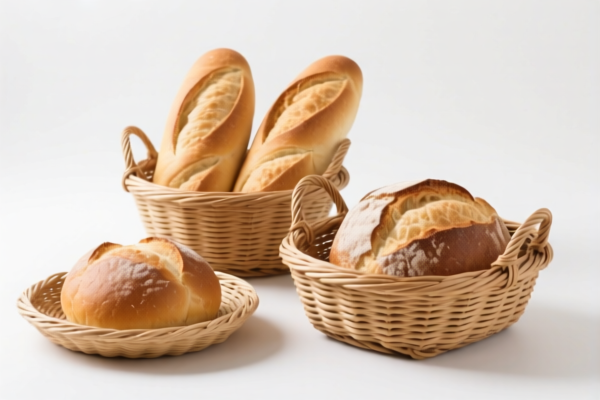
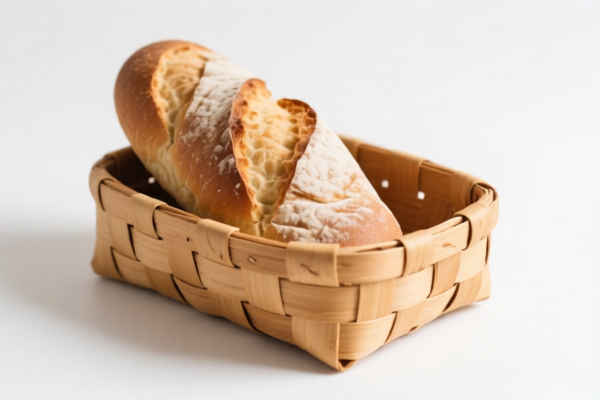
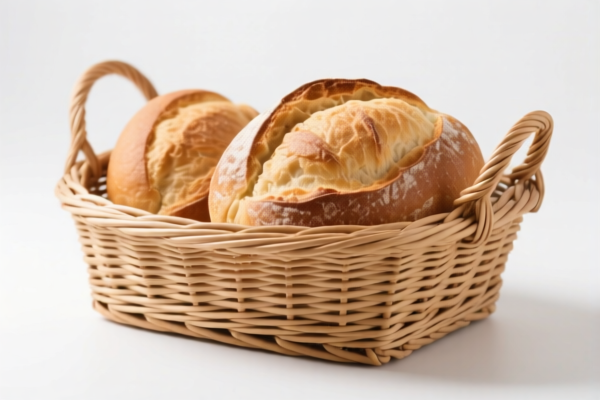
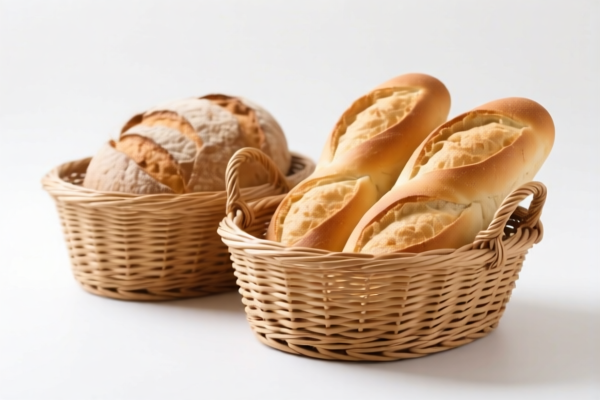
AI Analysis
🧺 Bread Basket Cloth Cover
🌐 HS Code Reference & Customs Clearance Guide | 2026 Latest Tariff Analysis | Professional Clearance Strategy
📌 I. Product Definition & Classification: Do You Really Understand "Bread Basket Covers"?
A bread basket cloth cover is a textile accessory used to cover bread baskets, serving primarily decorative and protective functions in home dining or hospitality settings. In international trade, its classification depends heavily on material composition, knitting/weaving status, and specific usage. Since the input item is a "cloth cover," it falls under textile or home linen categories, but misclassification often leads to significant tariff differences.
⚠️ Key Distinction Point:
- Is it knitted/crocheted or woven/non-knitted?
- Is it considered furniture upholstery/decoration (Chapter 63) or plastic/other material home article (Chapter 39)?
- Crucial Note: Many classifiers mistakenly assign plastic codes (3924) to textile items, or vice versa. The summary data provided highlights a critical ambiguity: Is the material strictly textile (Cotton/Synthetic Fiber) or coated/plastic?
📦 II. HS Code Classification Details (2026 Latest Tariff Reference)
Based on the provided data, there are five potential HS codes, reflecting different interpretations of material and usage. Below is the detailed breakdown.
| HS Code | Product Description & Logic | Total Tax Rate | Tax Detail Breakdown |
|---|---|---|---|
| 6304.92.00.00 | Textile Decoration/Covering for Furnishings. • Logic: Identified as non-knitted/crocheted fabric制品 (textile). • Usage: Decorative/covering for furniture (bread basket as part of table setting). • Material: Inferred as Cotton or Fiber. |
23.8% | • Base Tariff: 6.3% • Section 301 Tariff: 7.5% • Section 122 Tariff: 10% |
| 6304.99.60.40 | Other Textile Furnishing Articles. • Logic: Classified as "Other" because it doesn't fit specific knitting/fiber sub-headings. Material is non-wool, non-man-made fiber/high silk. • Usage: Bread basket accessory (Household Textile). |
20.7% | • Base Tariff: 3.2% • Section 301 Tariff: 7.5% • Section 122 Tariff: 10% |
| 3926.90.99.89 | Other Articles of Plastic or Other Materials. • Logic: ⚠️ High Risk Category. Although inferred as textile, it is placed under "Other materials" in this chapter due to lack of specific textile code match or potential plastic coating. • Material: Inferred textile, but categorized broadly under "Other." |
22.8% | • Base Tariff: 5.3% • Section 301 Tariff: 7.5% • Section 122 Tariff: 10% |
| 3924.90.10.50 | Plastic Tableware/Household Articles (Lowest Tax Option). • Logic: Classified as "Other" plastic/home article. • Material: Non-metal. ⚠️ CRITICAL: This code is for PLASTIC articles. If your product is 100% cloth, this is incorrect and risky. However, if the cloth has a significant plastic coating or is considered a "plastic household item," this yields the lowest tax. • Usage: Home decoration/covering. |
13.3% | • Base Tariff: 3.3% • Section 301 Tariff: 0.0% • Section 122 Tariff: 10% |
| 3924.90.56.50 | Plastic Household Articles. • Logic: Classified as "Plastic Household Item." Material inferred as textile or plastic-coated. • Usage: Home decoration/covering. |
20.9% | • Base Tariff: 3.4% • Section 301 Tariff: 7.5% • Section 122 Tariff: 10% |
🔍 Key Takeaway:
- Lowest Tax (13.3%):3924.90.10.50. WARNING: Only applicable if the item is legally considered a plastic/plastic-coated article. Misdeclaring textile as plastic can lead to customs penalties.
- Standard Textile (20.7%-23.8%):6304codes are the safest for 100% Cotton/Linen/Synthetic Cloth.
- Ambiguous Category (22.8%):3926.90.99.89is a "catch-all" with higher base tariff than the optimal plastic code.
💰 III. 2026 Latest Tariff Rate Explanation (Detailed Tax Clauses)
✅ Applicable Country: United States (US)
✅ Origin: China (CN)
✅ Effective Date: 2025/2026 (Based on current Section 122 and 301 enforcement)
🎯 1. 6304.92.00.00 — Non-Knitted Textile Coverings
- Base Tariff: 6.3%
- Section 301 (China-specific): +7.5%
- Section 122 (China-specific): +10%
- Total: 23.8%
- Explanation: This is the standard textile classification for non-knitted furnishing articles. It attracts full Section 301 and Section 122 tariffs.
🎯 2. 6304.99.60.40 — Other Textile Furnishings
- Base Tariff: 3.2%
- Section 301: +7.5%
- Section 122: +10%
- Total: 20.7%
- Explanation: A slightly lower base rate than 6304.92, but still subject to all punitive tariffs. Suitable if the product doesn't fit the "knitted" definition.
🎯 3. 3926.90.99.89 — Other Plastic/Article Articles
- Base Tariff: 5.3%
- Section 301: +7.5%
- Section 122: +10%
- Total: 22.8%
- Explanation: This code is problematic for textiles. If customs determines the item is 100% cloth, this code is wrong. If the cloth is heavily coated or blended with plastic in a way that classifies it as plastic, this applies.
🎯 4. 3924.90.10.50 — Optimal Tax Rate (If Applicable)
- Base Tariff: 3.3%
- Section 301: 0.0% 🚀
- Section 122: +10%
- Total: 13.3%
- Explanation: This is the most cost-effective code. Note that Section 301 (7.5%) is waived for this specific subheading. CRITICAL: You can only use this if the product is legally defined as a Plastic article or a Plastic-Coated item. Using this for 100% Cotton cloth is customs fraud if challenged.
🎯 5. 3924.90.56.50 — Plastic Household Articles
- Base Tariff: 3.4%
- Section 301: +7.5%
- Section 122: +10%
- Total: 20.9%
- Explanation: Similar to 3924.90.10.50 but includes the 7.5% Section 301 tax, making it more expensive.
🛠️ IV. Customs Clearance Practical Advice (Risk Mitigation Guide)
✅ 1. Preparation Checklist (Must-Haves)
| Document | Required | Description |
|---|---|---|
| Product Material Composition | ✔️ | Critical: Certificate of Material. Is it 100% Cotton? Polyester? Or Plastic-Coated? This decides between Chapter 63 (Textile) and Chapter 39 (Plastic). |
| Product Photos (Clear) | ✔️ | Show the texture. Is it woven? Knitted? Does it look like plastic? |
| Commercial Invoice | ✔️ | Clearly state: "Bread Basket Cover, [Material], for Home Use." |
| Packing List | ✔️ | Match invoice details. |
| Origin Certificate | ✔️ | Proof of China origin (triggers Section 301/122). |
| HS Code Pre-Ruling | ✔️ | Highly Recommended for the 3924 codes to avoid misclassification penalties. |
✅ 2. Declaration Strategy (Key Mantras)
🔥 "Material is King! Textile goes to 63, Plastic goes to 39! Don't Mix Up!"
| Scenario | Recommended HS Code | Risk Level |
|---|---|---|
| 100% Cotton/Linen Cloth | 6304.92.00.00 or 6304.99.60.40 |
✅ Low (Standard Textile) |
| Polyester Fabric Cover | 6304.92.00.00 |
✅ Low (Standard Textile) |
| Plastic-Coated Cloth / PVC Liner | 3924.90.10.50 |
⚠️ Medium (Must prove plastic component dominates) |
| 100% Plastic/PVC Cover | 3924.90.10.50 |
✅ Low (Correct for Plastic) |
| Ambiguous Material | 3926.90.99.89 |
❌ High (Often flagged for misclassification) |
📌 Warning:
- Do NOT declare a 100% cotton cover as3924.90.10.50to save 10.5% tax. Customs will inspect the material, demand a lab test, and impose penalties + back taxes.
- If the cover has a plastic lining or is vinyl-coated, argue for3924classification, but be prepared for scrutiny.
✅ 3. Special Situations
| Situation | Advice |
|---|---|
| OEM Custom Design | Provide design specs showing material layer-by-layer. |
| Mixed Packaging | If sold with a plastic bread basket, declare the cover separately as textile. Do not bundle into one HS code. |
| Section 122 Exemptions | Check if your supplier qualifies for any Section 122 exclusions (rare for textiles). |
🌍 V. Global Market Comparison (2026)
| Market | Recommended HS Code | Total Tax (China Origin) | Note |
|---|---|---|---|
| 🇺🇸 USA | 6304.92.00.00 (Textile) |
23.8% | High tariffs due to Sec 301 & 122. |
| 🇺🇸 USA | 3924.90.10.50 (Plastic) |
13.3% | Only if product is plastic/coated. Saves ~10.5%. |
| 🇨🇳 China | 6304.92.00.00 |
~5-10% | Domestic/Export to China lower tax. |
| 🇪🇺 EU | 6304.99.00 |
0-4% | No Section 301/122 equivalent. |
📌 Conclusion:
- The 10.5% difference between6304(23.8%) and3924.90.10.50(13.3%) is massive.
- However, accuracy is paramount. If you are 100% cloth, stick to 6304.
- If you have any plastic element (lining, coating), consult a customs broker to see if3924.90.10.50is defensible.
📌 VI. Common Mistakes & Pitfalls (Blood Lessons)
❌ Mistake 1: Declaring 100% Cotton as 3924.90.10.50 to save tax.
👉 Consequence: Customs audit → Lab test proves cotton → Penalty + Back Tax + Blacklist.
❌ Mistake 2: Using 3926.90.99.89 for clear textile goods.
👉 Consequence: Higher base tariff (5.3% vs 3.2%) + confusion. Use specific textile codes if possible.
❌ Mistake 3: Ignoring Section 122 Tariff.
👉 Consequence: All codes above include a 10% Section 122 tariff for Chinese goods. Do not forget to budget for this.
✅ Correct Approach:
"100% Cotton Bread Basket Cover, Woven, Non-Knitted, for Home Decor."
→ HS: 6304.92.00.00
→ Tax: 23.8%"Vinyl-Coated Fabric Bread Basket Cover."
→ HS: 3924.90.10.50 (If plastic coating is dominant)
→ Tax: 13.3%
🎯 VII. Conclusion: Precision Saves Money
🎯 Remember:
🔹 "Textile = 6304 (Safe but Tax Higher)"
🔹 "Plastic/Coated = 3924.10.50 (Low Tax but High Risk)"
🔹 "122 Tariff = 10% (Unavoidable for CN)"
📌 Pro Tip:
If you are importing large volumes, apply for a Binding Tariff Ruling from CBP if you believe your product qualifies as 3924.90.10.50. This provides legal certainty for the 13.3% rate.
📣 Action Now:
📞 Consult your customs broker with material composition reports.
🚀 Don't guess the HS Code. Verify the material.
✨ Professional Clearance Starts with Accurate Classification!
💼 Every dollar saved on accurate HS codes is pure profit!
Customer Reviews
About HS Code Classification
The Harmonized System (HS) is an internationally standardized nomenclature developed by the World Customs Organization (WCO) to classify traded products. Over 200 countries use the HS system as the basis for customs tariffs, trade statistics, and import/export regulations.
Each HS code follows a hierarchical structure:
- Chapter (2 digits) — Broad category of goods (e.g., Chapter 84: Machinery and Mechanical Appliances)
- Heading (4 digits) — More specific grouping within the chapter
- Subheading (6 digits) — Internationally standardized breakdown, used by all WCO member countries
- National subdivisions (8-10 digits) — Country-specific extensions for further classification, such as US HTSUS 10-digit codes
Correct HS code classification is essential for smooth customs clearance, accurate duty payment, and compliance with trade regulations. Misclassification can lead to customs delays, overpayment of duties, or penalties.
When importing from CN to US, the applicable tariff rates may include:
- Most-Favored-Nation (MFN) rate — The standard duty rate applied to WTO members
- General rate — Applied to countries without trade agreements
- Trade remedy duties — Additional tariffs such as Section 301 (anti-dumping), Section 232 (national security), or countervailing duties
The information provided on this page is for reference purposes only. For official classification, please consult with your local customs authority or a licensed customs broker.