Breast Milk Storage Bags
CN → US| HS Code | Tariff Rate | Origin | Destination | Doc |
|---|---|---|---|---|
| 3924905650 | 20.9% | CN | US | Official Doc |
| 3923210095 | 38.0% | CN | US | Official Doc |
| 3923290000 | 38.0% | CN | US | Official Doc |
| 7612905000 | 35.0% | CN | US | Official Doc |
| 3924900500 | 20.6% | CN | US | Official Doc |
Product Images
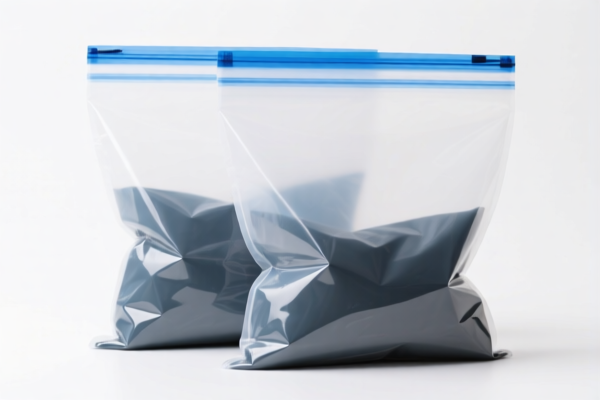
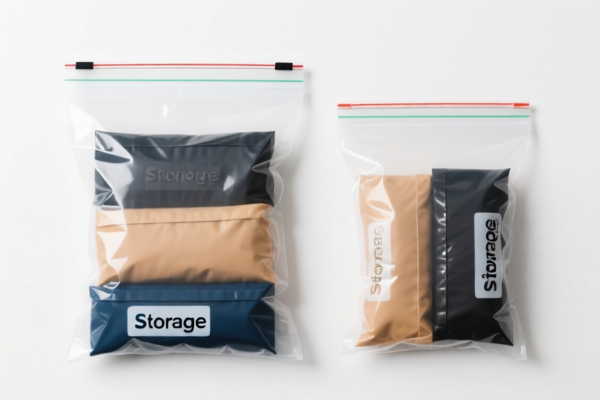
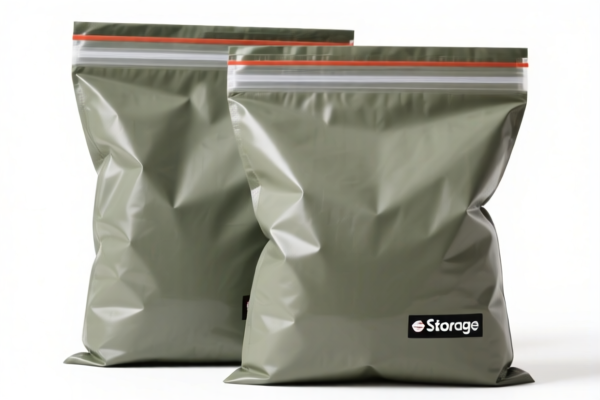
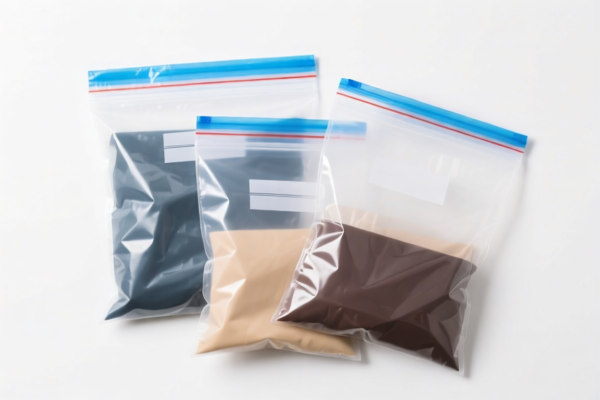
AI Analysis
🍼 Breast Milk Storage Bags (Milk Savers & Freezer Bags)
🌐 HS Code Classification & Customs Clearance Guide | 2026 Latest Tariff Analysis | Professional Clearance Strategy for US Imports
📌 Part 1: Product Definition & Classification Logic
Breast Milk Storage Bags are single-use, sterile plastic containers designed for the collection, storage, and freezing of human milk. In international trade, they are classified based on Material, Form, and Specific Use.
The core confusion lies in whether they are "General Plastic Bags" (Chapter 39, Heading 3923) or "Household/Toilet Articles" (Chapter 39, Heading 3924). Since they are specifically designed for hygiene and food contact within a household context, the classification often leans towards specific household items, but general plastic bags remain a strong alternative depending on the exact polymer type and sealing mechanism.
⚠️ Key Distinction Point:
- If the bag is primarily viewed as a general-purpose plastic sack (e.g., for bulk storage or industrial use, though rare for milk bags), it falls under 3923.
- If the bag is viewed as a finished household article designed specifically for kitchen/hygiene use (even if plastic), it may fall under 3924.
- Material Impact: The tax rate varies significantly if the material is inferred as general plastic vs. PE (Polyethylene) vs. Aluminum composite (rare for standard bags, but possible in multi-layer structures).
📦 Part 2: HS Code Classification Details (2026 Latest Tariff Reference)
Based on the product characteristics and current US Harmonized Tariff Schedule (HTSUS) logic for similar imported goods from China:
| HS Code | Product Description | Applicability Scenario | Key Classification Logic |
|---|---|---|---|
3924.90.56.50 |
Other plastic tableware, kitchenware, and toilet articles | Household/Hygiene Use: Bags used for storing milk in home settings. | Inferred as Plastic, categorized under "Other" household items. No conflict with material. |
3923.21.00.95 |
Sacks and bags, of polymers of ethylene (PE) | PE Material Specific: If the bag is made of Polyethylene (common for flexibility). | Form: Sack/Bag. Material: PE. Logic consistent with "bags and other articles". |
3923.29.00.00 |
Sacks and bags, of plastics, not of polymers of ethylene | General Plastic Bag: If the plastic is not specifically PE (e.g., PP or mixed). | Form: Cone-shaped/Flat bag. Material: Plastic. Typically disposable. |
7612.90.50.00 |
Aluminum containers (other) | Misclassification Alert: If the bag has an aluminum layer or is mistaken for metal. | Inferred as plastic, but if classified as "container" and material is unclear/conflicting, it may be grouped under "Other" aluminum containers erroneously. |
3924.90.05.00 |
Plastic tableware and kitchenware, other | Kitchen Use: Specifically for milk storage (kitchen/hygiene item). | Use: Milk Storage. Material: Plastic. Fits "consumables" in household/plastic category. |
🔍 Critical Reminder:
- Primary Classification: Most breast milk bags are Plastic (PE/PP). Therefore, 3923 (Bags of plastics) or 3924 (Plastic tableware/kitchenware) are the correct chapters.
- Aluminum (7612) is unlikely unless it is a specialized foil bag with significant aluminum content, which is rare for standard milk bags. Misclassifying plastic as aluminum leads to errors.
- 3924 vs 3923: The US CBP often classifies specialized food storage bags (like freezer bags) under 3923 if they are simple sacks, but 3924 if they are considered "tableware/kitchen articles" due to their specific hygiene/kitchen design. The tax rates differ significantly due to Section 301 and IEEPA tariffs.
💰 Part 3: 2026 Latest Tariff Rate Breakdown (Detailed Tax Clauses)
✅ Applicable Country: United States (US)
✅ Origin: China (CN)
✅ Effective Date: November 10, 2025 onwards (includes subsequent imports)
🎯 1. 3924.90.56.50 – Plastic Tableware/Kitchenware (Other)
| Item | Content |
|---|---|
| Base Tariff | 3.4% |
| Section 301 Surcharge | 7.5% |
| IEEPA Surcharge (122 Clause) | 10% |
| Total Tariff Rate | 20.9% |
| Tax Calculation | CIF Value × 20.9% |
| De Minimis Exemption? | ❌ No (deny_de_minimis) |
| Legal Basis Path | HTSUS:3924.90.56.50 → USITC:Footnote 301 → IEEPA:122 |
📌 Explanation:
- This classification benefits from a slightly lower Section 301 rate (7.5%) compared to general plastic bags.
- However, the IEEPA 10% surcharge still applies to Chinese goods.
- Total: 20.9%. This is a moderate-high tariff for plastic goods.
🎯 2. 3923.21.00.95 – Sacks/Bags of Polymers of Ethylene (PE)
| Item | Content |
|---|---|
| Base Tariff | 3.0% |
| Section 301 Surcharge | 25.0% |
| IEEPA Surcharge (122 Clause) | 10% |
| Total Tariff Rate | 38.0% |
| Tax Calculation | CIF Value × 38.0% |
| De Minimis Exemption? | ❌ No (deny_de_minimis) |
| Legal Basis Path | HTSUS:3923.21.00.95 → USITC:Footnote 301 → IEEPA:122 |
📌 Explanation:
- If classified as "PE Bags" under 3923, it faces the maximum standard Section 301 rate of 25%.
- This is significantly more expensive than the 3924 classification.
- Total: 38.0%. This is a very high tariff. Many importers prefer 3924 to save ~17% in duties.
🎯 3. 3923.29.00.00 – Sacks/Bags of Plastics (Other)
| Item | Content |
|---|---|
| Base Tariff | 3.0% |
| Section 301 Surcharge | 25.0% |
| IEEPA Surcharge (122 Clause) | 10% |
| Total Tariff Rate | 38.0% |
| Tax Calculation | CIF Value × 38.0% |
| De Minimis Exemption? | ❌ No (deny_de_minimis) |
| Legal Basis Path | HTSUS:3923.29.00.00 → USITC:Footnote 301 → IEEPA:122 |
📌 Explanation:
- Same tariff structure as 3923.21.
- Total: 38.0%. High tariff risk.
🎯 4. 7612.90.50.00 – Aluminum Containers (Other)
| Item | Content |
|---|---|
| Base Tariff | 0.0% |
| Section 301 Surcharge | 25.0% |
| IEEPA Surcharge (122 Clause) | 10% |
| Total Tariff Rate | 35.0% |
| Tax Calculation | CIF Value × 35.0% |
| De Minimis Exemption? | ❌ No (deny_de_minimis) |
| Legal Basis Path | HTSUS:7612.90.50.00 → USITC:Footnote 301 → IEEPA:122 |
📌 Explanation:
- Although the base rate is 0%, the 25% Section 301 makes it expensive.
- Total: 35.0%.
- ⚠️ Risk: Misclassifying plastic bags as aluminum containers can lead to customs audits and penalties if material evidence is missing.
🎯 5. 3924.90.05.00 – Plastic Tableware/Kitchenware (Other)
| Item | Content |
|---|---|
| Base Tariff | 3.1% |
| Section 301 Surcharge | 7.5% |
| IEEPA Surcharge (122 Clause) | 10% |
| Total Tariff Rate | 20.6% |
| Tax Calculation | CIF Value × 20.6% |
| De Minimis Exemption? | ❌ No (deny_de_minimis) |
| Legal Basis Path | HTSUS:3924.90.05.00 → USITC:Footnote 301 → IEEPA:122 |
📌 Explanation:
- This is the lowest tariff option among the valid classifications.
- Total: 20.6%.
- Strategy: If the product can be justified as "kitchenware/tableware" rather than a "bag," this is the optimal HS code.
🛠️ Part 4: Customs Clearance Practical Advice (Real-World Pitfall Guide)
✅ 1. Preparation Checklist (Mandatory)
| Document | Required? | Description |
|---|---|---|
| ✅ Product Specification Sheet | ✔️ | Must specify material (PE, PP, etc.), thickness, and volume. |
| ✅ Product Photos (Clear & Detailed) | ✔️ | Show the bag, zipper/seal, and any "BPA-Free" labels. |
| ✅ Commercial Invoice | ✔️ | Clearly state "Breast Milk Storage Bags" or "Freezer Bags for Human Milk." Avoid vague terms like "Plastic Sacks." |
| ✅ Certificate of Origin (CO) | ✔️ | Required for origin determination (China vs. Non-China). |
| ✅ Packing List | ✔️ | Detail the number of bags per carton. |
| ✅ Third-Party Test Report | ✔️ | FDA Compliance or LFGB (if EU origin) is crucial to prove food-safe material, especially for 3924 classification. |
✅ 2. Declaration Tips (Critical Mnemonics)
🔥 “Material Matters, Use Defines Code, 3924 Saves Dollars!”
| Scenario | Correct Declaration | Wrong Declaration | Consequence |
|---|---|---|---|
| PE Bags for Milk | 3924.90.05.00 or 3924.90.56.50 |
3923.21.00.95 |
Savings: ~17% lower duty (20.6% vs 38.0%). |
| General Plastic Bags | 3923.21.00.95 |
3924.90.05.00 |
Risk: Customs may reject if "household use" is not proven. |
| Aluminum-Lined Bags | 7612.90.50.00 |
3923... |
Audit Risk: If material is mostly plastic, misclassification leads to fines. |
| Vague Description | "Plastic Sacks" | "Breast Milk Bags" | Delay: CBP may reclassify or hold shipment for more info. |
📌 Key Strategy:
- To achieve the 20.6%–20.9% rate, emphasize the "Kitchen/Household Article" aspect in your documentation.
- Provide evidence that the bags are finished goods designed for specific human contact (food safety), not just raw packaging material.
- Avoid using the term "Bag" as the primary description if possible; use "Storage Container" or "Household Article" to support 3924 classification, but ensure it matches the physical form (it is still a bag, so 3923 is also defensible).
✅ 3. Special Cases
| Case | Handling Advice |
|---|---|
| BPA-Free Certification | Provide FDA-compliant test reports. This supports 3924 (food-grade) classification. |
| Bulk vs. Retail | Bulk bags (1000+/box) might be seen as industrial (3923). Retail-ready packs support 3924. |
| Material Mix | If the bag is PE but has a printed aluminum layer, consult a customs broker. Pure plastic is safer for 3923/3924. |
| Pre-Ruling | Apply for an Advance Ruling from CBP. This locks in the HS code and protects against future audits. |
🌍 Part 5: Global Market Comparison (2026 Latest)
| Country/Region | Recommended HS Code | Tariff (CN Origin) | Notes |
|---|---|---|---|
| 🇺🇸 USA | 3924.90.05.00 |
20.6% | Best rate for food-grade plastic household items. |
| 🇺🇸 USA | 3923.21.00.95 |
38.0% | High tariff for general plastic bags. |
| 🇨🇳 China | 3924.90.05.00 |
5% | Import into China is cheap. |
| 🇪🇺 EU | 3924.90 |
0%–4% | No Section 301 equivalent, but VAT applies. |
| 🇬🇧 UK | 3924.90 |
0%–4% | Post-Brexit tariffs may vary, generally low. |
📌 Conclusion:
- USA is the most expensive market due to Section 301 and IEEPA tariffs.
- Classifying under 3924 (Household/Kitchenware) is critical to save ~17% in duties compared to 3923 (General Bags).
- Always ensure the product description highlights "Food-Grade," "BPA-Free," and "Household Use" to support 3924.
📌 Part 6: Common Mistakes & Pitfalls (Lessons Learned)
❌ Mistake 1: Declaring as "Plastic Bags" (3923) without justification.
👉 Consequence: 38.0% tariff. Loss of ~17% profit margin.
❌ Mistake 2: Using "Aluminum" in the description when it's 99% Plastic.
👉 Consequence: Customs audit, penalties, and potential 35.0% tariff with legal risk.
❌ Mistake 3: Ignoring FDA/Compliance Docs.
👉 Consequence: Shipment held for "Food Safety" verification, leading to delays and storage fees.
❌ Mistake 4: Splitting the shipment into "Bags" and "Caps/Lids" separately.
👉 Consequence: If sold together, declare as a set. Splitting may trigger different tax rates and administrative burdens.
✅ Correct Practice:
"Breast Milk Storage Bags, BPA-Free, Polyethylene, Food-Grade, for Household Use, Model XYZ, FDA Compliant"
HS Code:3924.90.05.00
🎯 Part 7: Conclusion: Professional Declaration, Cost Optimization
🎯 Remember the Mantra:
🔹 "Food-Grade + Household = 3924 (20.6%)"
🔹 "General Bag = 3923 (38.0%)"
🔹 "Difference is 17%! Don't leave money on the table!"
📌 Pro Tip:
If you are importing in large volumes, apply for a CBP Advance Ruling with sample photos and specs. This provides legal certainty and protects your business from retroactive tariff changes.
📣 Immediate Action:
📞 Contact a licensed customs broker.
📸 Provide clear photos and material test reports.
🚀 Optimize your HS Code to save 17% in duties!
✨ Professional Clearance, Starting with Accurate Classification!
💼 Every cent of tariff saved is pure profit!
Customer Reviews
About HS Code Classification
The Harmonized System (HS) is an internationally standardized nomenclature developed by the World Customs Organization (WCO) to classify traded products. Over 200 countries use the HS system as the basis for customs tariffs, trade statistics, and import/export regulations.
Each HS code follows a hierarchical structure:
- Chapter (2 digits) — Broad category of goods (e.g., Chapter 84: Machinery and Mechanical Appliances)
- Heading (4 digits) — More specific grouping within the chapter
- Subheading (6 digits) — Internationally standardized breakdown, used by all WCO member countries
- National subdivisions (8-10 digits) — Country-specific extensions for further classification, such as US HTSUS 10-digit codes
Correct HS code classification is essential for smooth customs clearance, accurate duty payment, and compliance with trade regulations. Misclassification can lead to customs delays, overpayment of duties, or penalties.
When importing from CN to US, the applicable tariff rates may include:
- Most-Favored-Nation (MFN) rate — The standard duty rate applied to WTO members
- General rate — Applied to countries without trade agreements
- Trade remedy duties — Additional tariffs such as Section 301 (anti-dumping), Section 232 (national security), or countervailing duties
The information provided on this page is for reference purposes only. For official classification, please consult with your local customs authority or a licensed customs broker.