Breathable Cotton Handbag
CN → US| HS Code | Tariff Rate | Origin | Destination | Doc |
|---|---|---|---|---|
| 6307909891 | 24.5% | CN | US | Official Doc |
| 6307908940 | 17.0% | CN | US | Official Doc |
| 4202128960 | 52.6% | CN | US | Official Doc |
| 4202920805 | 42.0% | CN | US | Official Doc |
| 4202920805 | 42.0% | CN | US | Official Doc |
Product Images
AI Analysis
🛍️ Breathable Cotton Handbag: HS Code Classification & U.S. Customs Clearance Strategy (2026 Update)
🌐 HS Code Reference & Customs Clearance Guide | 2026 Latest Tariff Analysis | Professional Entry Strategy
📌 I. Product Definition & Classification: Do You Really Understand "Cotton Handbags"?
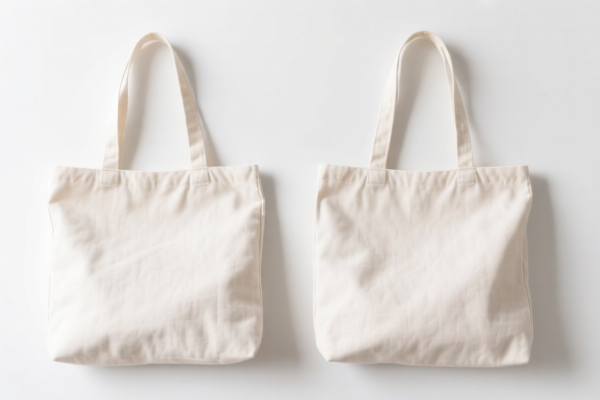
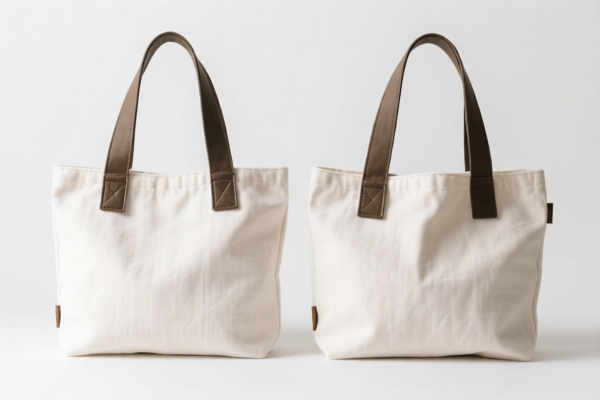
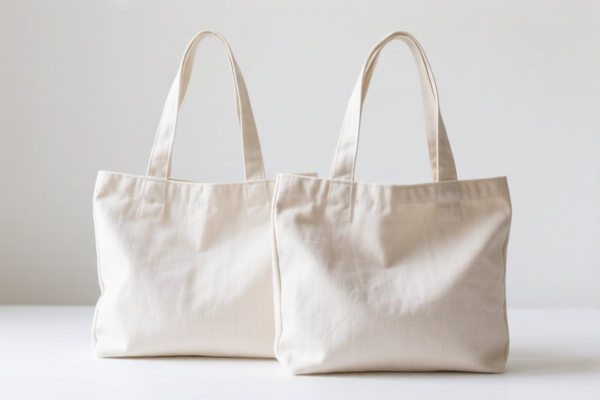
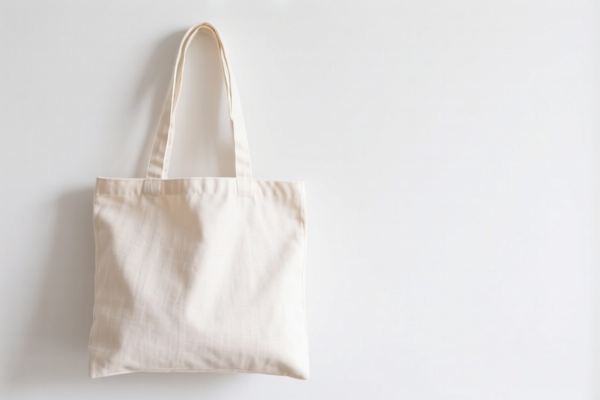
A "Breathable Cotton Handbag" is a versatile accessory used for carrying personal items, defined by two key characteristics: 1. Material: Primarily made of cotton textile (natural fiber). 2. Function: Designed as a handbag, tote, or carrier.
In international trade, classification hinges on whether the item is viewed as a "Textile Product" (Chapter 63) or an "Article of Apparel/Accessories" (Chapter 42). This distinction dramatically impacts your tariff liability.
⚠️ Key Distinction Point: - If the bag is classified as a "Made-up Textile Article" (non-specific use) → Chapter 63 (Lower Tariff). - If the bag is classified as a "Handbag/Tote" (specific article of apparel/accessories) → Chapter 42 (Higher Tariff due to US-China trade tensions).
📦 II. HS Code Classification Details (2026 Latest Tariff Authority Cross-Reference)
Based on the provided data, here are the valid HS Codes for "Breathable Cotton Handbags" and the rationale for each:
| HS Code | Product Description | Rationale for Classification | Total Tax Rate |
|---|---|---|---|
6307.90.98.91 |
Other made-up textile articles | Classified as a general textile product ("Other made-up articles"), avoiding specific "bag" headings. No material conflict with cotton. | 24.5% |
6307.90.89.40 |
Cotton and other textile articles | Fits the category of "Cotton and other textile articles." Meets the criteria for cotton-based textile products. | 17.0% |
4202.12.89.60 |
Handbags, specifically | Classified under "Handbags, with outer surface of textile materials." Focuses on the use/function as a handbag. | 52.6% |
4202.92.08.05 |
Bags, specifically (Cotton) | Classified under "Other bags, with outer surface of textile materials." Includes Totes and general carriers made of cotton. | 42.0% |
4202.92.08.05 |
Cotton Tote Bags | Specifically matches "Cotton-made" + "Bag/Carrier" morphology. Totes fall under this "Other bags" category. | 42.0% |
🔍 Critical Insight: - Chapter 63 (
6307...) items are taxed significantly lower (17%-24.5%) because they are treated as general textile goods. - Chapter 42 (4202...) items are taxed heavily (42%-52.6%) because they are specific "accessories" subject to higher Section 301 tariffs. - ⚠️ Warning: Misclassifying a specific handbag as a generic textile article to avoid higher tariffs can lead to customs audits, penalties, and retroactive duties.
💰 III. 2026 Latest Tariff Rate Breakdown (Including Add-ons & Policy Surcharges)
✅ Applicable Country: United States (US)
✅ Country of Origin: China (CN)
✅ Effective Date: November 10, 2025 (and onwards)
🎯 1. 6307.90.98.91 — Other Made-up Textile Articles
| Item | Content |
|---|---|
| Base Tariff | 7.0% |
| Section 301 Tariff | 7.5% |
| Section 122 Tariff | 10.0% |
| Total Tax Rate | 24.5% |
| Calculation Basis | CIF Value × 24.5% |
| De Minimis Eligibility | ❌ No (Subject to high tariffs, not exempt under $800 rule if declared incorrectly) |
| Legal Basis Path | USITC:6307.90.98.91 → Section 301: 7.5% → Section 122: 10% |
📌 Explanation:
- This classification treats the bag as a general textile item.
- The 7.5% Section 301 tariff is the baseline trade war tariff.
- The 10% Section 122 tariff is an additional surcharge on Chinese imports.
- Total: 24.5%. This is the most cost-effective legal classification if the product description supports it.
🎯 2. 6307.90.89.40 — Cotton and Other Textile Articles
| Item | Content |
|---|---|
| Base Tariff | 7.0% |
| Section 301 Tariff | 0.0% |
| Section 122 Tariff | 10.0% |
| Total Tax Rate | 17.0% |
| Calculation Basis | CIF Value × 17.0% |
| De Minimis Eligibility | ❌ No |
| Legal Basis Path | USITC:6307.90.89.40 → Section 301: 0.0% → Section 122: 10% |
📌 Note:
- This is the lowest possible tariff in the dataset.
- It applies because this specific sub-heading may have an exempted or lower Section 301 rate (0%).
- However, customs may challenge this if the item is clearly a "handbag" and not a general "textile article." The description must carefully avoid words like "handbag" or "purse" in the commercial invoice if using this code.
🎯 3. 4202.12.89.60 — Handbags (Textile Material)
| Item | Content |
|---|---|
| Base Tariff | 17.6% |
| Section 301 Tariff | 25.0% |
| Section 122 Tariff | 10.0% |
| Total Tax Rate | 52.6% |
| Calculation Basis | CIF Value × 52.6% |
| De Minimis Eligibility | ❌ No |
| Legal Basis Path | USITC:4202.12.89.60 → Section 301: 25.0% → Section 122: 10% |
📌 Explanation:
- This is the most expensive classification.
- It applies when the item is clearly defined as a handbag (Chapter 42).
- The 25% Section 301 tariff is the standard high tariff for many consumer goods from China.
- Use only if the product is explicitly a handbag and cannot be argued as a general textile item.
🎯 4. 4202.92.08.05 — Other Bags (Textile Material / Cotton)
| Item | Content |
|---|---|
| Base Tariff | 7.0% |
| Section 301 Tariff | 25.0% |
| Section 122 Tariff | 10.0% |
| Total Tax Rate | 42.0% |
| Calculation Basis | CIF Value × 42.0% |
| De Minimis Eligibility | ❌ No |
| Legal Basis Path | USITC:4202.92.08.05 → Section 301: 25.0% → Section 122: 10% |
📌 Note:
- Covers Totes and other general bags made of textile (cotton).
- Lower base tariff (7.0%) than handbags (17.6%), but still carries the full 25% Section 301 tariff.
- Total: 42.0%. A middle-ground option if "handbag" classification is too risky, but "textile article" is too aggressive.
🛠️ IV. Customs Clearance Practical Advice (Battle-Tested Pitfall Guide)
✅ 1. Required Documentation Checklist (Non-Negotiable)
| Document | Must Provide? | Explanation |
|---|---|---|
| ✅ Product Specification Sheet | ✔️ | Must detail material composition (e.g., "100% Cotton Weave"), dimensions, and closure type. |
| ✅ Product Photos (Clear) | ✔️ | Must show the bag's shape. Avoid images that look like "handbags" if aiming for 6307 codes. |
| ✅ Commercial Invoice | ✔️ | Crucial: Use generic terms like "Cotton Carrier," "Textile Tote," or "Shopping Bag" instead of "Handbag" or "Purse" if targeting Chapter 63. |
| ✅ Packing List | ✔️ | Clearly list items. Avoid "Accessories" if the bag is the main item. |
| ✅ Certificate of Origin (CO) | ✔️ | Required to verify Chinese origin for Section 301/122 tariffs. |
✅ 2. Declaration Tips (Key Mantra)
🔥 "Shape Defines Function, Material Defines Chapter!"
| Scenario | Correct Declaration Approach | Wrong Approach |
|---|---|---|
| Goal: Low Tariff (17-24.5%) | Use HS 6307. Describe as "Cotton Textile Carrier" or "Reusable Shopping Bag". Avoid "Handbag." |
Use HS 4202 with generic name → High Tax. |
| Goal: High Volume/Standard | Use HS 4202.92.08.05. Describe as "Cotton Tote Bag". Accept 42% tax. |
Claim it's a "textile article" when it's clearly a structured tote → Audit Risk. |
| Goal: Luxury/Specialty | Use HS 4202.12.89.60. Describe as "Designer Handbag". Accept 52.6% tax. |
Under-declare value → Fraud. |
📌 Strategic Note:
- If the bag has zippers, handles, and a structured shape resembling a purse, US Customs (CBP) is likely to classify it under Chapter 42.
- To qualify for Chapter 63, the item should resemble a shopping bag, laundry bag, or unstructured textile pouch.
✅ 3. Special Case Handling
| Situation | Handling Advice |
|---|---|
| OEM Custom Bags | Provide design drawings. If the design is unique, argue for "Other Made-up Articles" (6307) if possible. |
| Mixed Materials | If >50% cotton, it may still fall under textile chapters, but check lining material. Leather handles may shift classification to Chapter 42. |
| Sample vs. Bulk | Samples under $800 may still be subject to tariffs if declared incorrectly. Do not rely on De Minimis for high-value batches. |
🌍 V. Global Market Comparison (2026 Latest)
| Country/Region | Recommended HS Code | Tariff (China Origin) | Certification Required | Notes |
|---|---|---|---|---|
| 🇺🇸 USA | 6307.90.89.40 or 4202.92.08.05 |
17.0% - 42.0% | None specific, but proof of cotton | Highest Tariffs due to 301/122. |
| 🇨🇳 China | 6307.90.98.91 |
7.0% | None | No Section 301/122. |
| 🇪🇺 EU | 6307.90.98 |
4.0% - 6.0% | CE (if labeled), REACH | No trade war tariffs. |
| 🇬🇧 UK | 6307.90.98 |
4.0% | UKCA | Post-Brexit standards apply. |
| 🇦🇺 Australia | 6307.90.98 |
5.0% | None | Free Trade Agreement benefits may apply. |
📌 Conclusion:
- USA is the most challenging market for cotton handbags due to layered tariffs.
- EU/UK/AU are more favorable, with lower base rates and no Section 301/122 surcharges.
📌 VI. Common Mistakes & Pitfall Guide (Lessons Learned)
❌ Mistake 1: Using HS 6307 for a structured, branded handbag
👉 Consequence: CBP reclassifies to 4202, assesses back-tariffs + penalties.
👉 Fix: Ensure product description aligns with "textile article," not "fashion accessory."
❌ Mistake 2: Ignoring Section 122 Tariff (10%)
👉 Consequence: Underpayment by 10% on every shipment.
👉 Fix: Always include 10% in cost calculations for US-bound goods.
❌ Mistake 3: Claiming "De Minimis" for high-volume cotton bags
👉 Consequence: CBP may deny entry if value per shipment exceeds thresholds or if deemed commercial.
👉 Fix: Declare properly, even for small batches.
✅ Best Practice:
"Cotton Bag, Reusable Shopping Style, No Hard Structure, 100% Cotton Woven Fabric"
→ Use6307.90.89.40(17.0% Tax)
🎯 VII. Conclusion: Professional Declaration Saves Money!
🎯 Remember the Mantra:
🔹 "Handbag = Chapter 42 (High Tax), Textile Article = Chapter 63 (Low Tax)."
🔹 "Choose your words wisely: 'Carrier' vs. 'Purse'."
🔹 "Tariff Difference: 17% vs. 52.6% – That's a 35% Savings!"
📌 Pro Tip:
If your cotton handbag can be convincingly described as a "Reusable Shopping Bag" or "Textile Carrier," pursue
6307.90.89.40for the 17.0% rate.
If it is clearly a fashion handbag, accept4202rates but optimize via supply chain diversification (e.g., third-country assembly) if possible.
📣 Immediate Action:
📞 Consult a licensed customs broker
📝 Review product images & descriptions
🚀 Clear Customs Efficiently, Maximize Margins!
✨ Professional Clearance Starts with Accurate Classification!
💼 Every Percent of Tariff is Profit Lost!
Customer Reviews
About HS Code Classification
The Harmonized System (HS) is an internationally standardized nomenclature developed by the World Customs Organization (WCO) to classify traded products. Over 200 countries use the HS system as the basis for customs tariffs, trade statistics, and import/export regulations.
Each HS code follows a hierarchical structure:
- Chapter (2 digits) — Broad category of goods (e.g., Chapter 84: Machinery and Mechanical Appliances)
- Heading (4 digits) — More specific grouping within the chapter
- Subheading (6 digits) — Internationally standardized breakdown, used by all WCO member countries
- National subdivisions (8-10 digits) — Country-specific extensions for further classification, such as US HTSUS 10-digit codes
Correct HS code classification is essential for smooth customs clearance, accurate duty payment, and compliance with trade regulations. Misclassification can lead to customs delays, overpayment of duties, or penalties.
When importing from CN to US, the applicable tariff rates may include:
- Most-Favored-Nation (MFN) rate — The standard duty rate applied to WTO members
- General rate — Applied to countries without trade agreements
- Trade remedy duties — Additional tariffs such as Section 301 (anti-dumping), Section 232 (national security), or countervailing duties
The information provided on this page is for reference purposes only. For official classification, please consult with your local customs authority or a licensed customs broker.