Breathing apparatus and similar respiratory devices
CN → US| HS Code | Tariff Rate | Origin | Destination | Doc |
|---|---|---|---|---|
| 9020006000 | 12.5% | CN | US | Official Doc |
| 9020009000 | 12.5% | CN | US | Official Doc |
| 6506103075 | 17.5% | CN | US | Official Doc |
| 4014905000 | 14.2% | CN | US | Official Doc |
| 6506106075 | 17.5% | CN | US | Official Doc |
Product Images
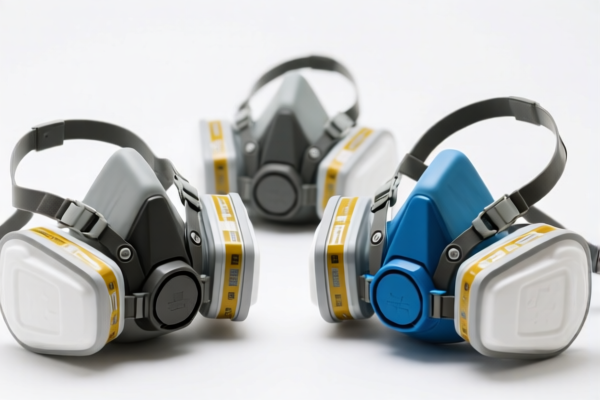
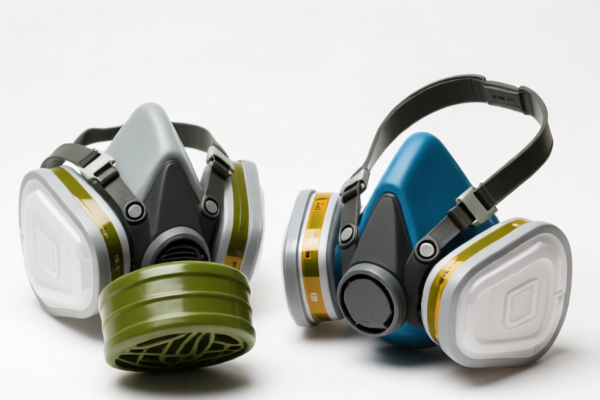
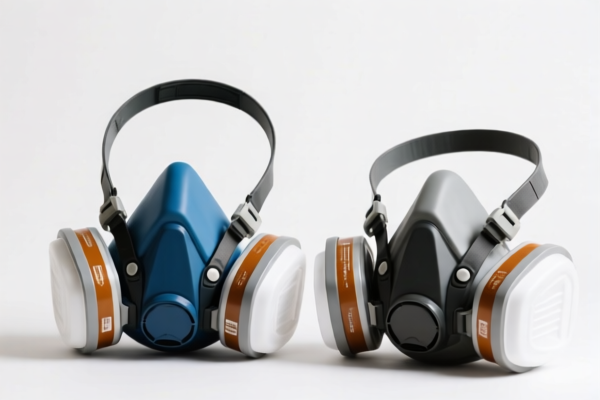
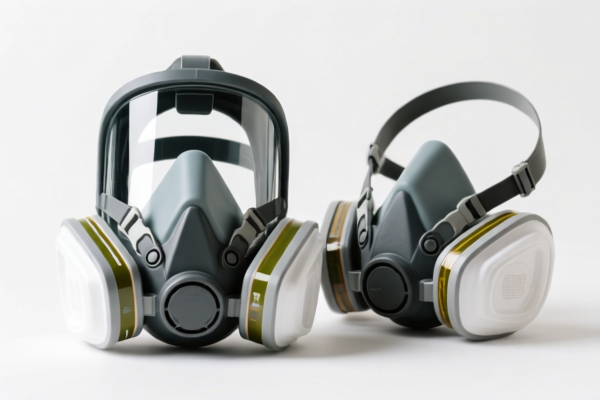
AI Analysis
🫁 Breathing Apparatus and Similar Respiratory Devices
🌐 HS Code Reference & Customs Clearance Guide | 2026 Latest Tariff Analysis | Professional Entry Strategy
📌 I. Product Definition and Classification: Do You Really Understand "Breathing Apparatus"?
Breathing apparatus and similar respiratory devices are critical safety and medical equipment used to protect users from hazardous atmospheres or assist with respiration. In international trade, these devices are categorized based on their primary function, material composition, and specific use case (industrial vs. medical vs. general protection).
⚠️ Key Distinction Point:
- If the device is primarily for industrial safety or gas masking → It typically falls under Chapter 90 (Optical/Medical Instruments) or Chapter 65 (Headgear).
- If the device is made of rubber/elastomers and functions as a sanitary or medical component → It may fall under Chapter 40 (Rubber).
- Ambiguous materials or generic protective headgear may trigger "catch-all" clauses in Chapter 65.
📦 II. HS Code Classification Details (2026 Latest Tariff Authority Comparison)
Based on the provided data, here are the five most likely HS Code classifications for Breathing Apparatus, along with the rationale for each.
| HS Code | Product Description | Rationale for Classification | Estimated Total Tax (China Origin → US) |
|---|---|---|---|
| 9020.00.60.00 | Other Respiratory Appliances & Gas Masks | Exact Match. The summary confirms "Use Case Fully Matches." This code specifically covers other respiratory appliances and gas masks not elsewhere specified, aligning perfectly with the functional definition. | 12.5% |
| 9020.00.90.00 | Other Medical/Therapeutic Apparatus (Respiratory) | Functional Match. Used when the material is not explicitly defined as rubber or fabric. This is the "catch-all" for respiratory devices under Chapter 90 when specific sub-categories (like 60.00) don't apply due to lack of material specification. | 12.5% |
| 6506.10.30.75 | Safety Protective Headgear (Other) | Inferred Safety Use. Classified here because the device is inferred to be for "safety protection." Chapter 65 covers headgear; if the respirator includes a full-head mask or helmet-like structure, this "catch-all" for other protective headgear applies. | 17.5% |
| 4014.90.50.00 | Rubber Sanitary/Hygiene Appliances | Material-Based Inference. Inferred to contain sulfurized rubber (a common material for seals/masks) without conflict. If the device is primarily a rubber mask or seal component, it falls under Chapter 40. | 14.2% |
| 6506.10.60.75 | Protective Headwear (Other) | Function-Based Match. Classified as a "protection device" consistent with protective headgear. No material conflict exists (e.g., if made of fabric or composite), fitting the "other protective headwear" category. | 17.5% |
🔍 Critical Note:
- Chapter 90 (9020) is the most accurate for functional respiratory devices (gas masks, medical ventilators).
- Chapter 65 (6506) is used if the device is structurally a headgear or helmet with integrated respiratory function.
- Chapter 40 (4014) is niche and applies only if the product is primarily rubber and lacks electronic/mechanical respiratory components.
💰 III. 2026 Latest Tariff Rate Breakdown (Including Surcharges & Policy Add-ons)
✅ Applicable Country: USA (US)
✅ Country of Origin: China (CN)
✅ Effective Time: November 10, 2025 onwards (for subsequent imports)
🎯 1. 9020.00.60.00 & 9020.00.90.00 – Respiratory Appliances & Apparatus
These are the primary codes for breathing apparatus. The tax structure is identical for both under the current data.
| Item | Content |
|---|---|
| Basic Tariff | 2.5% |
| Section 301/Retaliatory Tariff | 0.0% |
| Section 122 Tariff | 10.0% |
| Total Tax Rate | 12.5% |
| Tax Calculation | CIF Value × 12.5% |
| De Minimis Eligibility | ❌ Not Eligible (High risk of seizure for low-value shipments if misdeclared) |
| Legal Basis Path | USITC:9020.00.60.00 → SECTION122:10% |
📌 Explanation:
- The 10% Section 122 Tariff is a critical additional duty often applied to specific industrial safety equipment or goods from certain origins.
- The 2.5% Basic Tariff is the standard MFN rate for Chapter 90 respiratory devices.
- No Section 301 tariff applies to these specific subheadings in this dataset, making them relatively favorable compared to electronics or machinery.
🎯 2. 6506.10.30.75 & 6506.10.60.75 – Protective Headgear
If your breathing apparatus is classified as headgear (e.g., full-face respirator helmets), the tax rate increases significantly due to retaliatory measures.
| Item | Content |
|---|---|
| Basic Tariff | 0.0% |
| Section 301/Retaliatory Tariff | 7.5% |
| Section 122 Tariff | 10.0% |
| Total Tax Rate | 17.5% |
| Tax Calculation | CIF Value × 17.5% |
| De Minimis Eligibility | ❌ Not Eligible |
| Legal Basis Path | USITC:6506.10.30.75 → RETALIATORY:7.5% → SECTION122:10% |
📌 Note:
- The 7.5% Retaliatory Tariff is likely applied due to the nature of the goods or specific trade disputes.
- The Basic Tariff is 0%, but the additional surcharges push the total to 17.5%, which is 5% higher than Chapter 90 classifications.
🎯 3. 4014.90.50.00 – Rubber Sanitary Appliances
This is the lowest total tax rate but carries higher classification risk unless the product is exclusively rubber.
| Item | Content |
|---|---|
| Basic Tariff | 4.2% |
| Section 301/Retaliatory Tariff | 0.0% |
| Section 122 Tariff | 10.0% |
| Total Tax Rate | 14.2% |
| Tax Calculation | CIF Value × 14.2% |
| De Minimis Eligibility | ❌ Not Eligible |
| Legal Basis Path | USITC:4014.90.50.00 → SECTION122:10% |
📌 Warning:
- Only use this code if the device is primarily made of sulfurized rubber and lacks electronic/complex mechanical parts.
- Misclassification here (e.g., classifying a medical ventilator as a rubber part) can lead to fraud penalties.
🛠️ IV. Customs Clearance Practical Advice (Real-World Pitfall Avoidance)
✅ 1. Required Documentation Checklist (Non-Negotiable)
| Document | Required? | Purpose |
|---|---|---|
| ✅ Product Specification Sheet | ✔️ | Must detail material (rubber, plastic, electronic components), weight, and dimensions. |
| ✅ Material Composition Proof | ✔️ | Crucial to distinguish between Chapter 90 (apparatus) and Chapter 40/65 (material/headgear). |
| ✅ Product Photos (Labeled) | ✔️ | Show the device in use, including any certifications (CE, FDA, NIOSH). |
| ✅ Third-Party Test Reports | ✔️ | NIOSH approval (for US), CE Mark (for EU), FDA 510(k) (if medical). |
| ✅ Commercial Invoice | ✔️ | Must explicitly state: "Respiratory Apparatus for Industrial/Medical Use." |
| ✅ Certificate of Origin (CO) | ✔️ | To prove origin (China) and apply correct Section 122/Retaliatory rates. |
✅ 2. Declaration Strategy (Key Mantras)
🔥 “Function First, Material Second, Name Precise, Tax Low!”
| Scenario | Correct Declaration | Wrong Practice |
|---|---|---|
| Gas Mask / Respirator | 9020.00.60.00 – "Breathing Apparatus" |
Declaring as "Safety Helmet" → 17.5% |
| Rubber Face Seal Only | 4014.90.50.00 – "Rubber Sanitary Appliance" |
Declaring as "Respirator" → 12.5% (if misclassified as apparatus) or 17.5% (if headgear) |
| Full-Face Respirator Helmet | 6506.10.30.75 – "Protective Headgear" |
Declaring as "Medical Device" without proof → Delayed clearance |
| Medical Oxygen Mask | 9020.00.90.00 – "Therapeutic Apparatus" |
Declaring as "General Safety Gear" → 12.5% |
✅ 3. Special Circumstances Handling
| Situation | Handling Advice |
|---|---|
| NIOSH-Certified Masks | Must declare NIOSH approval number. If uncertified, they may be rejected as "non-compliant safety gear." |
| OEM Custom Masks | Provide client design specs. Avoid generic terms like "mask"; use "Custom Respiratory Interface." |
| Medical vs. Industrial | If for medical use (e.g., anesthesia masks), ensure FDA compliance. If for industrial use (e.g., paint spraying), ensure NIOSH/OSHA compliance. Misclassification here leads to regulatory seizure. |
| Components Only | If shipping only rubber seals or filters, declare as "Parts of Respiratory Apparatus" (Chapter 90.90) to potentially avoid Section 122, if applicable. |
🌍 V. Global Market Customs Comparison (2026 Latest)
| Country/Region | Recommended HS Code | Tariff Rate | Certification Requirements | Remarks |
|---|---|---|---|---|
| 🇺🇸 USA | 9020.00.60.00 |
12.5% | NIOSH (Industrial) / FDA (Medical) | High scrutiny on "Section 122" goods |
| 🇨🇳 China | 9020.00.60.00 |
5-7% | CCC (if applicable) | Lower duties, but strict import licensing |
| 🇪🇺 EU | 9020.00.60.00 |
0-2% | CE Mark, EN 136 (Respirators) | No additional tariffs, but strict CE enforcement |
| 🇬🇧 UK | 9020.00.60.00 |
0-2% | UKCA Mark | Post-Brexit rules apply |
| 🇦🇺 Australia | 9020.00.60.00 |
5% | TGA (Medical) / RPEL (Industrial) | No FTA benefits for China |
📌 Conclusion:
- USA is the most complex due to the Section 122 Tariff (10%) and retaliatory measures.
- EU/UK are easier with lower rates but stricter certification (CE/UKCA).
- China Origin adds 12.5%-17.5% in the US, so cost optimization is key.
📌 VI. Common Errors & Pitfall Guide (Lessons Learned)
❌ Error 1: Declaring a medical ventilator as "Industrial Gas Mask"
👉 Consequence: Regulatory violation → Seizure + Fine (FDA vs. OSHA jurisdiction clash)
❌ Error 2: Using Generic Name ("Mask") in Invoice
👉 Consequence: Customs cannot determine Chapter → Delay + Additional Inspection
❌ Error 3: Misclassifying Rubber Parts as Complete Apparatus
👉 Consequence: Overpaying tax (12.5% vs. 14.2% for rubber) or underpaying if material rules differ.
❌ Error 4: Ignoring Section 122 Tariff
👉 Consequence: Unexpected 10% additional duty at border → Cash flow disruption
✅ Correct Approach:
"NIOSH-Certified Respiratory Mask, Model XYZ, Rubber/Plastic Composite, for Industrial Safety, CE & NIOSH Approved"
🎯 VII. Conclusion: Professional Classification Saves Money!
🎯 Remember the Mantra:
🔹 "Function First, Material Second."
🔹 "Chapter 90 is King for Respirators."
🔹 "Section 122 Adds 10% – Plan Ahead!"
🔹 "Headgear = 17.5%, Apparatus = 12.5%. Don’t Mix Them!"
📌 Pro Tip:
If your product is primarily rubber and simple, consider
4014.90.50.00(14.2%) if it meets material criteria.
If it’s a full system (mask + filter + valve), stick to9020.00.60.00(12.5%) – it’s cheaper and more accurate.
📣 Immediate Action:
📞 Contact a Licensed Customs Broker
📄 Provide Detailed Material Specs & Certifications
🚀 Apply for Advance Ruling (if possible) to Lock in 12.5% Rate
✨ Professional Clearance Starts with Precise Classification!
💼 Your Every Dollar Saved is a Dollar Earned!
Customer Reviews
About HS Code Classification
The Harmonized System (HS) is an internationally standardized nomenclature developed by the World Customs Organization (WCO) to classify traded products. Over 200 countries use the HS system as the basis for customs tariffs, trade statistics, and import/export regulations.
Each HS code follows a hierarchical structure:
- Chapter (2 digits) — Broad category of goods (e.g., Chapter 84: Machinery and Mechanical Appliances)
- Heading (4 digits) — More specific grouping within the chapter
- Subheading (6 digits) — Internationally standardized breakdown, used by all WCO member countries
- National subdivisions (8-10 digits) — Country-specific extensions for further classification, such as US HTSUS 10-digit codes
Correct HS code classification is essential for smooth customs clearance, accurate duty payment, and compliance with trade regulations. Misclassification can lead to customs delays, overpayment of duties, or penalties.
When importing from CN to US, the applicable tariff rates may include:
- Most-Favored-Nation (MFN) rate — The standard duty rate applied to WTO members
- General rate — Applied to countries without trade agreements
- Trade remedy duties — Additional tariffs such as Section 301 (anti-dumping), Section 232 (national security), or countervailing duties
The information provided on this page is for reference purposes only. For official classification, please consult with your local customs authority or a licensed customs broker.