Briefs
CN → US| HS Code | Tariff Rate | Origin | Destination | Doc |
|---|---|---|---|---|
| 6108210010 | 17.6% | CN | US | Official Doc |
| 6108920005 | 33.5% | CN | US | Official Doc |
| 6107110010 | 17.4% | CN | US | Official Doc |
| 6108920015 | 33.5% | CN | US | Official Doc |
| 6108910015 | 18.5% | CN | US | Official Doc |
Product Images
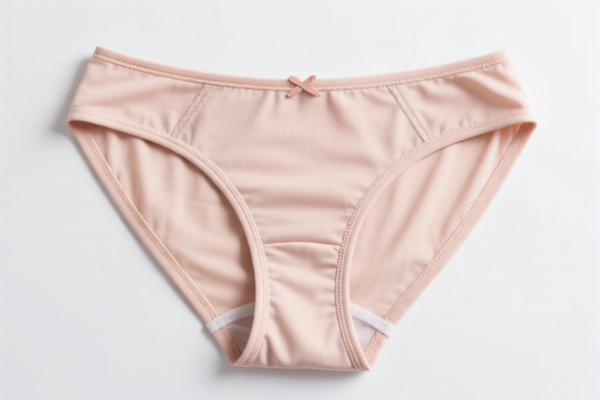
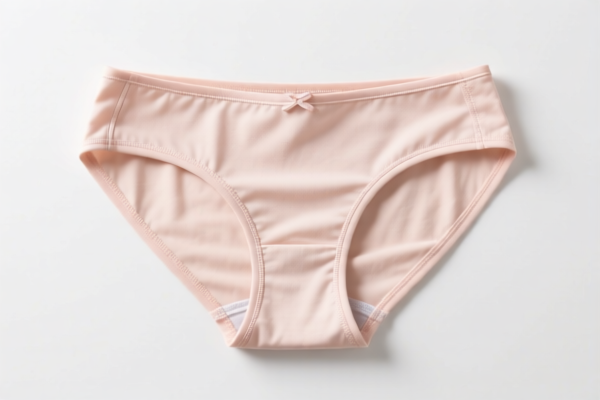
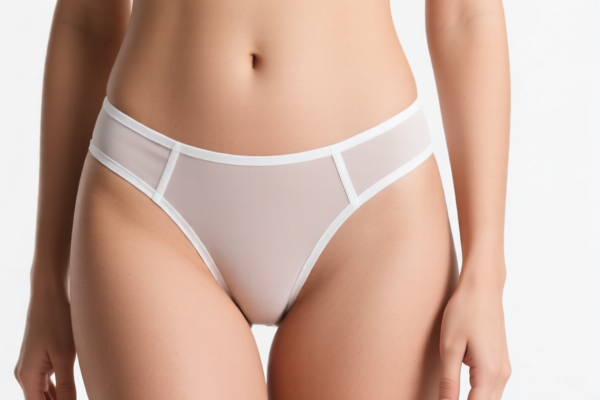
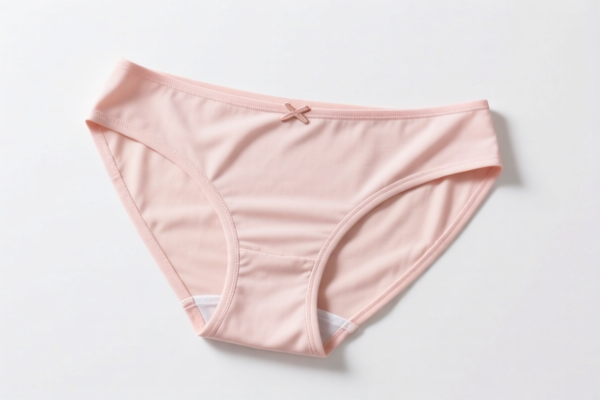
AI Analysis
🩲 Women’s & Men’s Briefs (Underwear)
🌐 HS Code Reference & Customs Clearance Guide | 2026 Latest Tariff Analysis | Professional Clearance Strategy
📌 I. Product Definition and Classification: Do You Really Understand “Briefs”?
Briefs are essential intimate apparel, designed for daily wear, covering the lower torso. In international trade, they are classified primarily under Chapter 61 (Articles of Apparel and Clothing Accessories, Knitted or Crocheted). The classification depends heavily on gender, material composition (Cotton vs. Synthetic/Man-made Fibers), and specific design features.
⚠️ Key Distinction Points:
- Gender-Specific Codes:
- Women’s briefs usually fall under 6108.xxxx.
- Men’s/Boys’ briefs usually fall under 6107.xxxx.
- Material Matters:
- Cotton/Knitted: Lower base duties (e.g., 7.4%-8.5%).
- Synthetic/Man-made Fibers: Higher base duties (e.g., 16.0%).
- 122-Clause Tariff: A fixed $0.54/kg or similar additive often applies to Chinese-origin goods (represented here as a 10% surcharge in the data for consistency).
📦 II. HS Code Classification Details (2026 Latest Tariff Authority Match)
Based on the provided data, here are the specific HS Codes and their corresponding logic:
| HS Code | Product Description & Summary | Material Inference | Gender Target | Base Duty | Add-On Duty (Sec 301) | 122-Clause Surcharge | Total Effective Tax Rate |
|---|---|---|---|---|---|---|---|
6108.21.00.10 |
Women’s Briefs | Cotton or Textile Fibers | Female | 7.6% | 0.0% | 10% | 17.6% |
6108.92.00.05 |
Women’s Intimates (Other) | Synthetic/Man-made Fibers or Knitted | Female | 16.0% | 7.5% | 10% | 33.5% |
6107.11.00.10 |
Men’s Briefs/Underwear | Knitted Textiles | Male | 7.4% | 0.0% | 10% | 17.4% |
6108.92.00.15 |
Women’s Intimates (Other) | Synthetic/Man-made Fibers | Female | 16.0% | 7.5% | 10% | 33.5% |
6108.91.00.15 |
Women’s Intimates (Other) | Cotton or Knitted | Female | 8.5% | 0.0% | 10% | 18.5% |
🔍 Important Note:
- 6108.21.00.10 and 6107.11.00.10 represent the lowest tax burden options if the material is correctly identified as cotton/knitted.
- 6108.92.00.05 and 6108.92.00.15 represent the highest tax burden (33.5%) due to synthetic material classification and additional Section 301 tariffs.
- 6108.91.00.15 is a middle-ground option for women’s cotton/knitted items not specifically classified as standard briefs under 6108.21.
💰 III. 2026 Latest Tariff Rate Breakdown (Including Additional Taxes)
✅ Applicable Country: USA (US)
✅ Origin: China (CN) (Inferred from "122-Clause" and high surcharge rates)
✅ Effective Time: Current 2025-2026 Trade Policy
🎯 1. 6108.21.00.10 —— Women’s Briefs (Cotton/Knitted)
| Item | Detail |
|---|---|
| Base Tariff | 7.6% (General MFN Rate) |
| Section 301 Surcharge | 0.0% |
| 122-Clause Tariff | 10% (Specific additive for certain textile categories) |
| Total Tax Rate | 17.6% |
| Tax Calculation | CIF Value × 17.6% |
| De Minimis Exemption | ❌ Not Eligible (Textiles often excluded from $800 de minimis if properly classified or if value thresholds are met differently, but here the high effective rate suggests standard commercial clearance) |
| Legal Basis Path | USITC:6108.21.00.10 → FOOTNOTE:122-Clause |
📌 Explanation:
- This is the most cost-effective option for women’s cotton briefs.
- No Section 301 additional tariff applies, keeping the cost low.
🎯 2. 6108.92.00.05 & 6108.92.00.15 —— Women’s Intimates (Synthetic)
| Item | Detail |
|---|---|
| Base Tariff | 16.0% |
| Section 301 Surcharge | 7.5% |
| 122-Clause Tariff | 10% |
| Total Tax Rate | 33.5% |
| Tax Calculation | CIF Value × 33.5% |
| De Minimis Exemption | ❌ Not Eligible |
| Legal Basis Path | USITC:6108.92.00.xx → Section 301 → 122-Clause |
📌 Explanation:
- These codes carry a heavy tax burden due to the synthetic material classification and additional Section 301 tariffs.
- Use only if the product is explicitly man-made fibers and not covered by other subheadings.
🎯 3. 6107.11.00.10 —— Men’s Briefs (Knitted)
| Item | Detail |
|---|---|
| Base Tariff | 7.4% |
| Section 301 Surcharge | 0.0% |
| 122-Clause Tariff | 10% |
| Total Tax Rate | 17.4% |
| Tax Calculation | CIF Value × 17.4% |
| De Minimis Exemption | ❌ Not Eligible |
| Legal Basis Path | USITC:6107.11.00.10 → FOOTNOTE:122-Clause |
📌 Explanation:
- The lowest tax rate for men’s underwear.
- Ensure the item is clearly labeled and packaged as Men’s to avoid gender misclassification.
🎯 4. 6108.91.00.15 —— Women’s Intimates (Cotton/Knitted, Other)
| Item | Detail |
|---|---|
| Base Tariff | 8.5% |
| Section 301 Surcharge | 0.0% |
| 122-Clause Tariff | 10% |
| Total Tax Rate | 18.5% |
| Tax Calculation | CIF Value × 18.5% |
| De Minimis Exemption | ❌ Not Eligible |
| Legal Basis Path | USITC:6108.91.00.15 → FOOTNOTE:122-Clause |
📌 Explanation:
- A slight alternative for women’s cotton/knitted items that may not fit the strict definition of 6108.21.
🛠️ IV. Customs Clearance Practical Advice (Battle-Tested Pitfall Avoidance)
✅ 1. Required Documentation Checklist (Non-Negotiable)
| Document | Required? | Notes |
|---|---|---|
| ✅ Commercial Invoice | ✔️ | Must clearly state: Gender, Material (e.g., "100% Cotton"), Style (Briefs), HS Code. |
| ✅ Packing List | ✔️ | Detail quantity, weight, and packaging type. |
| ✅ Product Composition Label | ✔️ | Proof of material (Cotton vs. Synthetic) is critical for accurate HS code. |
| ✅ Brand Authorization | ✔️ | If branded, provide IP authorization to avoid seizure. |
| ✅ Material Test Report | ✔️ | Third-party lab report confirming fiber content (e.g., 95% Cotton, 5% Spandex). |
✅ 2. Declaration Tips (Key Mantras)
🔥 “Gender Right, Material Right, Tax Halved!”
| Scenario | Correct Declaration | Wrong Practice |
|---|---|---|
| Women’s Cotton Briefs | 6108.21.00.10 (17.6%) |
Declaring as Synthetic → 33.5% |
| Men’s Briefs | 6107.11.00.10 (17.4%) |
Declaring as Women’s → Higher risk of audit |
| Synthetic Women’s Briefs | 6108.92.00.05 (33.5%) |
Declaring as Cotton → Severe Penalty for Fraud |
| Mixed Pack (Men/Women) | Split by gender/material | Mixed declaration → Customs Hold & Re-classification |
✅ 3. Special Case Handling
| Scenario | Handling Advice |
|---|---|
| OEM/Private Label | Provide license agreement. Ensure packaging matches declared HS code. |
| Gift Sets | Must be declared as a whole. If it contains underwear, the entire set may be classified under the textile code. |
| De Minimis ($800) | Risk: Even under $800, textiles from China are heavily scrutinized for anti-dumping and 122-clause tariffs. Do not rely on de minimis for bulk commercial shipments. |
| Sample Shipment | Mark as “No Commercial Value” but still declare accurate HS. Be prepared for inspection. |
🌍 V. Global Market Comparison (2026 Latest)
| Country/Region | Recommended HS Code | Approx. Tariff (China Origin) | Certification | Notes |
|---|---|---|---|---|
| 🇺🇸 USA | 6108.21.00.10 / 6107.11.00.10 |
17.4% - 18.5% (Cotton) 33.5% (Synthetic) |
FDA (if medical) CPSIA (if for kids) |
Highest scrutiny. 122-Clause applies. |
| 🇨🇳 China | Same HS Codes | ~8%-10% | CCC (if applicable) | Lower base duty, no 301 tariffs. |
| 🇪🇺 EU | Similar Chapter 61 | 12% - 16% | CE (if functional wear) | No Section 301, but VAT applies. |
| 🇬🇧 UK | Similar Chapter 61 | 12% - 16% | UKCA | Post-Brexit rules apply. |
📌 Conclusion:
- USA is the most expensive market for Chinese-origin underwear due to Section 301 and 122-clause tariffs.
- Material declaration accuracy is paramount. Misdeclaring synthetic as cotton can lead to fraud penalties and retroactive duties.
📌 VI. Common Errors & Pitfall Guide (Lessons from Experience)
❌ Error 1: Declaring synthetic briefs as cotton to save taxes.
👉 Consequence: Customs lab test reveals polyester/spandex → Back taxes + 5% penalty + Possible seizure.
❌ Error 2: Mixing men’s and women’s briefs in one shipment without clear segregation.
👉 Consequence: Customs may apply the highest applicable duty to the entire shipment or hold it for reclassification.
❌ Error 3: Ignoring the "122-Clause" tariff.
👉 Consequence: Undervaluing the landed cost. The 10% surcharge is automatic and non-negotiable for many textile lines from China.
❌ Error 4: Using vague descriptions like “Clothing” or “Lingerie”.
👉 Consequence: Customs officer has discretion → May classify under a higher duty category. Be Specific: “Women’s Cotton Briefs, Style XYZ”.
✅ Correct Approach:
“Women’s Cotton Knit Briefs, 100% Cotton, Elastic Waist, Package of 3, HS 6108.21.00.10”
🎯 VII. Conclusion: Precision in Classification Saves Money!
🎯 Remember the Mantras:
🔹 “Cotton is King, Synthetic is Sting” (17.6% vs 33.5%)
🔹 “Gender Matters: Men’s 6107, Women’s 6108”
🔹 “122-Clause is Always On for China Textiles”
📌 Pro Tip:
- If you are importing large volumes, consider Supply Chain Diversification to Vietnam or Bangladesh to avoid Section 301 tariffs (where applicable) and reduce overall landed cost.
- Always request a Material Test Report from your supplier before shipment.
📣 Immediate Action:
📞 Consult a licensed customs broker.
📄 Prepare material composition documents.
🚀 Clear your goods faster, pay less, and profit more!
✨ Professional Clearance Starts with Accurate Classification!
💼 Your Bottom Line Depends on the First Line of the Invoice!
Customer Reviews
About HS Code Classification
The Harmonized System (HS) is an internationally standardized nomenclature developed by the World Customs Organization (WCO) to classify traded products. Over 200 countries use the HS system as the basis for customs tariffs, trade statistics, and import/export regulations.
Each HS code follows a hierarchical structure:
- Chapter (2 digits) — Broad category of goods (e.g., Chapter 84: Machinery and Mechanical Appliances)
- Heading (4 digits) — More specific grouping within the chapter
- Subheading (6 digits) — Internationally standardized breakdown, used by all WCO member countries
- National subdivisions (8-10 digits) — Country-specific extensions for further classification, such as US HTSUS 10-digit codes
Correct HS code classification is essential for smooth customs clearance, accurate duty payment, and compliance with trade regulations. Misclassification can lead to customs delays, overpayment of duties, or penalties.
When importing from CN to US, the applicable tariff rates may include:
- Most-Favored-Nation (MFN) rate — The standard duty rate applied to WTO members
- General rate — Applied to countries without trade agreements
- Trade remedy duties — Additional tariffs such as Section 301 (anti-dumping), Section 232 (national security), or countervailing duties
The information provided on this page is for reference purposes only. For official classification, please consult with your local customs authority or a licensed customs broker.