Broad spectrum Insecticide
CN → US| HS Code | Tariff Rate | Origin | Destination | Doc |
|---|---|---|---|---|
| 3808915001 | 40.0% | CN | US | Official Doc |
| 3808990800 | 41.5% | CN | US | Official Doc |
| 2942000500 | 41.5% | CN | US | Official Doc |
| 2942003500 | 41.5% | CN | US | Official Doc |
| 3808935040 | 40.0% | CN | US | Official Doc |
Product Images
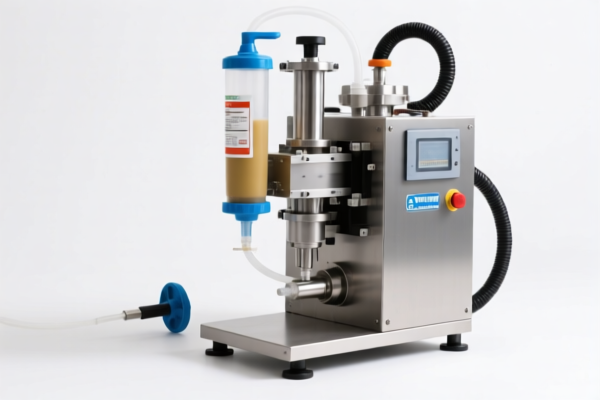
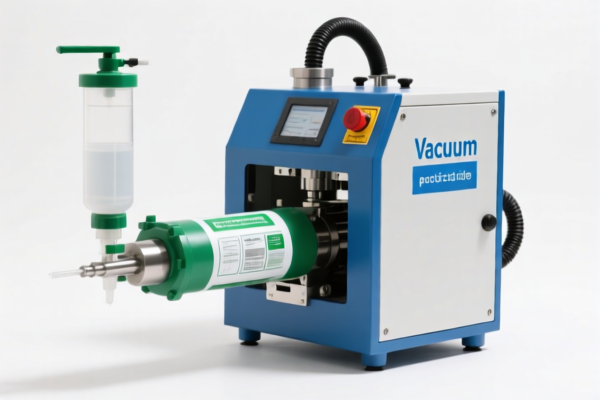
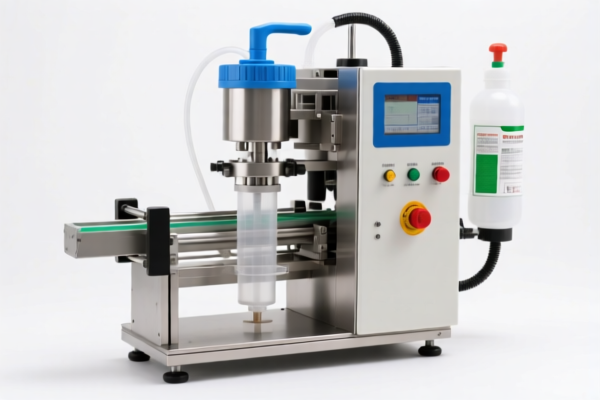

AI Analysis
🧪 Broad Spectrum Insecticide: HS Code Classification & Customs Clearance Strategy (2026 Latest)
🌐 HS Code Reference & Customs Guide | 2026 Latest Tariff Analysis | Professional-Level Clearance Strategy
📌 I. Product Definition & Classification: Do You Really Understand "Insecticide"?
In the field of agricultural and industrial chemicals, "Insecticide" is a broad category. However, in international trade and customs classification, precision is key. A "Broad Spectrum Insecticide" typically refers to chemicals effective against a wide range of pests (mites, aphids, beetles, etc.), not just one specific type.
In the Harmonized System (HS), such products generally fall under Chapter 38 (Miscellaneous Chemical Products), specifically Heading 38.08 (Insecticides, Rodenticides, Fungicides, Herbicides, Anti-sprouting Agents and Plant-growth Regulators, Disinfectants and Similar Products).
⚠️ Key Distinction Point:
- If it is a preparation (mixture with solvents, emulsifiers, etc.) specifically formulated for pest control → Chapter 38 (3808)
- If it is a pure chemical compound (active ingredient only) with no specific formulation for pest control → Chapter 29 (Organic Chemicals)
- Crucial: The HS code determines the tariff rate significantly. Misclassification can lead to severe fines or delays.
📦 II. HS Code Classification Details (2026 Latest Tariff Authority Comparison)
Based on the provided data, here are the possible classifications for "Broad Spectrum Insecticide" (or similar pesticide products like Mite Killers/Herbicides mentioned in the source data):
| HS Code | Product Description | Application Scenario | Tax Rate Summary |
|---|---|---|---|
3808.91.50.01 |
Effective Broad-Spectrum Mite Killer (Category: Insecticide) | Chemicals specifically classified as insecticides/miticides. Fits the "Insecticide" use definition. | 40.0% |
3808.99.08.00 |
Other Pesticides (Including Mite Killers) | Aromatic or modified aromatic pesticide products. Fallback category for "Others" when specific mite killer codes are not available. | 41.5% |
2942.00.05.00 |
Other Organic Compounds (Drug/Chemical Category) | Active ingredient only. Inferred as an organic compound based on chemical activity. No specific pesticidal formulation. | 41.5% |
2942.00.35.00 |
Other Organic Compounds (Chemical Activity) | Pure organic substances. Functional attribute (kill mites) fits "other organic compounds" with chemical activity. | 41.5% |
3808.93.50.40 |
Herbicides (Note: Data mentions "Herbicide") | Discrepancy Note: If the product is actually a herbicide (weed killer), it falls here. If it is an insecticide, this code is incorrect. | 40.0% |
🔍 Critical Reminder:
-3808.91.50.01is the most accurate for a "Broad Spectrum Insecticide/Mite Killer" as it explicitly mentions "Insecticide" in the summary.
-2942codes are for pure active ingredients. If your product is a ready-to-use or formulated mixture (with solvents/carriers), do NOT use 2942. Use 3808.
-3808.99.08.00is a common fallback for pesticides that don't fit specific sub-headings.
-3808.93.50.40is for Herbicides. Do not use this for insecticides unless the product is actually a weed killer.
💰 III. 2026 Latest Tariff Rate Breakdown (Including Additional Taxes & Policy Surcharges)
✅ Applicable Country: United States (US)
✅ Country of Origin: China (CN)
✅ Effective Date: November 10, 2025 (and subsequent imports)
🎯 1. 3808.91.50.01 —— Broad Spectrum Mite Killer / Insecticide (Recommended)
| Item | Content |
|---|---|
| Base Tariff | 5.0% |
| Section 301 Additional Tariff | +25.0% |
| Section 122 Tariff | +10.0% |
| Total Tariff Rate | 40.0% |
| Tax Calculation | CIF Value × 40% |
| De Minimis Exemption | ❌ Not Applicable (Denied) |
| Legal Basis Path | USITC:3808.91.50.01 → Section 301: 25% → Section 122: 10% |
📌 Explanation:
- Base Tariff (5%): Standard MFN rate for insecticides.
- Section 301 (25%): Standard US trade remedy tariff on Chinese goods.
- Section 122 (10%): Additional tariff under specific trade provisions (often related to national security or specific industry protections).
- Total: 40%. This is a high-cost category. Importers must budget accordingly.
🎯 2. 3808.99.08.00 —— Other Pesticides (Fallback)
| Item | Content |
|---|---|
| Base Tariff | 6.5% |
| Section 301 Additional Tariff | +25.0% |
| Section 122 Tariff | +10.0% |
| Total Tariff Rate | 41.5% |
| Tax Calculation | CIF Value × 41.5% |
| De Minimis Exemption | ❌ Not Applicable |
| Legal Basis Path | USITC:3808.99.08.00 → Section 301: 25% → Section 122: 10% |
📌 Note:
- Slightly higher total rate (41.5%) due to a higher base tariff (6.5%).
- Use this only if the product does not fit3808.91(e.g., if it's a specific type of pesticide not covered by 91).
🎯 3. 2942.00.05.00 / 2942.00.35.00 —— Pure Organic Compounds (Active Ingredient Only)
| Item | Content |
|---|---|
| Base Tariff | 6.5% |
| Section 301 Additional Tariff | +25.0% |
| Section 122 Tariff | +10.0% |
| Total Tariff Rate | 41.5% |
| Tax Calculation | CIF Value × 41.5% |
| De Minimis Exemption | ❌ Not Applicable |
| Legal Basis Path | USITC:2942.00 → Section 301: 25% → Section 122: 10% |
📌 Critical Warning:
- Do NOT use these codes for formulated pesticides.
- These codes are for pure chemical compounds (e.g., bulk API - Active Pharmaceutical Ingredient or Agrochemical Ingredient).
- If you import a liquid insecticide spray or dust, you will be penalized for misclassification. Customs will reclassify to 3808 and charge back taxes + penalties.
🛠️ IV. Customs Clearance Practical Advice (Pitfall Avoidance Guide)
✅ 1. Required Documentation Checklist (Non-Negotiable)
| Document | Required | Notes |
|---|---|---|
| ✅ Product Specification Sheet | ✔️ | Must list Active Ingredients, CAS Number, Concentration, and Physical Form (liquid, powder, etc.) |
| ✅ Safety Data Sheet (SDS) | ✔️ | Mandatory for chemical imports. Must comply with OSHA GHS standards. |
| ✅ EPA Registration Number | ✔️ | Critical for US Import. All pesticides must be registered with the US Environmental Protection Agency (EPA). Provide the EPA Registration Number on the invoice. |
| ✅ Commercial Invoice | ✔️ | Must clearly state "Insecticide" or "Pesticide" in the product description. Do NOT use vague terms like "Chemical Mixture." |
| ✅ Certificate of Origin | ✔️ | To determine applicable tariffs (US vs. China). |
| ✅ Bill of Lading / Air Waybill | ✔️ | Standard shipping document. |
✅ 2. Declaration Tips (Key Mnemonic)
🔥 "Active Ingredient Defines the Code, EPA Number is the Key, Formulated vs. Pure is the Divide!"
| Scenario | Correct Declaration | Wrong Practice |
|---|---|---|
| Formulated Insecticide (Spray, Dust, Powder mix) | HS Code: 3808.91.50.01 or 3808.99.08.00 |
Misdeclare as 2942 → Severe Penalty |
| Pure Active Ingredient (Bulk Chemical) | HS Code: 2942.00.05.00 or 2942.00.35.00 |
Misdeclare as 3808 → Potential Audit |
| Herbicide (Weed Killer) | HS Code: 3808.93.50.40 |
Misdeclare as Insecticide → Wrong Tax |
| Unregistered Pesticide | Do Not Import | No EPA Registration → Seizure & Destruction |
✅ 3. Special Case Handling
| Situation | Handling Advice |
|---|---|
| Multiple Active Ingredients | If the product contains multiple pesticidal actives, classify based on the principal active ingredient or the one that gives the product its essential character. Consult with a customs broker. |
| Sample Shipment | Even samples require EPA registration if they are pesticides. Use "For R&D Only" label, but ensure compliance with 19 CFR Part 127. |
| OEM/Contract Manufacturing | If manufacturing under a US brand, the US Registrant (EPA holder) must be declared. |
| Misclassification Risk | If unsure between 3808 (formulated) and 2942 (pure), provide SDS and Formulation Details to customs. The presence of solvents, emulsifiers, or carriers points to 3808. |
🌍 V. Global Market Clearance Comparison (2026 Latest)
| Country/Region | Recommended HS Code | Tariff Rate | Certification Requirement | Notes |
|---|---|---|---|---|
| 🇺🇸 USA | 3808.91.50.01 |
40.0% | EPA Registration + SDS | High tariff, strict EPA rules. |
| 🇨🇳 China | 3808.91.50.01 |
~5-10% | Agri-Chemical Registration | Lower tariff, but requires domestic registration. |
| 🇪🇺 EU | 3808.94.00 (Similar) |
0-4% | EU Pesticide Approval (BPR) | Very strict authorization process. |
| 🇯🇵 Japan | 3808.91.00.00 |
0-5% | Fertilizer Control Law / Pesticide Act | Requires Japanese registration. |
| 🇦🇺 Australia | 3808.94.00 |
5% | APVMA Approval | Strict biosecurity controls. |
📌 Conclusion:
- USA is the most expensive market due to Section 301 + Section 122 tariffs.
- EPA Registration is the #1 hurdle for the US market. Without it, goods will be rejected at the border.
- Pure Active Ingredients (2942) are cheaper to ship in bulk but require significant downstream processing by formulators.
📌 VI. Common Mistakes & Pitfall Guide (Blood & Tears Lessons)
❌ Mistake 1: Using 2942 codes for ready-to-use insecticides.
👉 Consequence: Customs will reclassify to 3808, charge back taxes (40%), and impose penalties. Total cost increases by 15-20%.
❌ Mistake 2: Omitting the EPA Registration Number on the Commercial Invoice.
👉 Consequence: CBP (Customs and Border Protection) will hold the shipment for EPA verification. Delay: 2-4 weeks.
❌ Mistake 3: Declaring "Broad Spectrum Insecticide" without specifying the Active Ingredient.
👉 Consequence: Customs cannot determine the correct HS Code. Detention and Request for Information.
❌ Mistake 4: Confusing Insecticides with Herbicides.
👉 Consequence: If it's a weed killer, using 3808.91 (Insecticide) is wrong. Use 3808.93 (Herbicide). Wrong classification = Audit risk.
✅ Correct Practice:
"Broad Spectrum Insecticide, Liquid Formulation, Active Ingredient: [Name] [CAS Number], EPA Reg. No: [Number], For Agricultural Use Only, Net Weight: 10kg"
🎯 VII. Conclusion: Professional Declaration, Save Time, Reduce Cost!
🎯 Remember the Mantra:
🔹 "Formulated = 3808, Pure = 2942, EPA Number is a MUST!"
🔹 "Tariff is 40%, Don't Misclassify, or You'll Pay Double!"
📌 Pro Tip:
If your product is originating from Vietnam, Mexico, Thailand, or Malaysia, you may qualify for IEEPA Exemption (if applicable under current US trade policy), potentially reducing the tariff to 0-5%.
Recommendation: Apply for an Advance Ruling (CBP Ruling) before shipment to confirm the HS Code and tariff liability.
📣 Immediate Action:
📞 Contact a Licensed Customs Broker + Provide SDS + EPA Registration + Apply for HS Code Advance Ruling
🚀 Ensure your insecticide clears customs smoothly, efficiently, and profitably!
✨ Professional Clearance Starts with Accurate Classification!
💼 Every Cent of Cost Deserves Precise Calculation!
Customer Reviews
About HS Code Classification
The Harmonized System (HS) is an internationally standardized nomenclature developed by the World Customs Organization (WCO) to classify traded products. Over 200 countries use the HS system as the basis for customs tariffs, trade statistics, and import/export regulations.
Each HS code follows a hierarchical structure:
- Chapter (2 digits) — Broad category of goods (e.g., Chapter 84: Machinery and Mechanical Appliances)
- Heading (4 digits) — More specific grouping within the chapter
- Subheading (6 digits) — Internationally standardized breakdown, used by all WCO member countries
- National subdivisions (8-10 digits) — Country-specific extensions for further classification, such as US HTSUS 10-digit codes
Correct HS code classification is essential for smooth customs clearance, accurate duty payment, and compliance with trade regulations. Misclassification can lead to customs delays, overpayment of duties, or penalties.
When importing from CN to US, the applicable tariff rates may include:
- Most-Favored-Nation (MFN) rate — The standard duty rate applied to WTO members
- General rate — Applied to countries without trade agreements
- Trade remedy duties — Additional tariffs such as Section 301 (anti-dumping), Section 232 (national security), or countervailing duties
The information provided on this page is for reference purposes only. For official classification, please consult with your local customs authority or a licensed customs broker.