Broom Cleaning Set
CN → US| HS Code | Tariff Rate | Origin | Destination | Doc |
|---|---|---|---|---|
| 3924104000 | 13.4% | CN | US | Official Doc |
| 3402505100 | 10.0% | CN | US | Official Doc |
| 3924905650 | 20.9% | CN | US | Official Doc |
| 3402905030 | 38.7% | CN | US | Official Doc |
Product Images
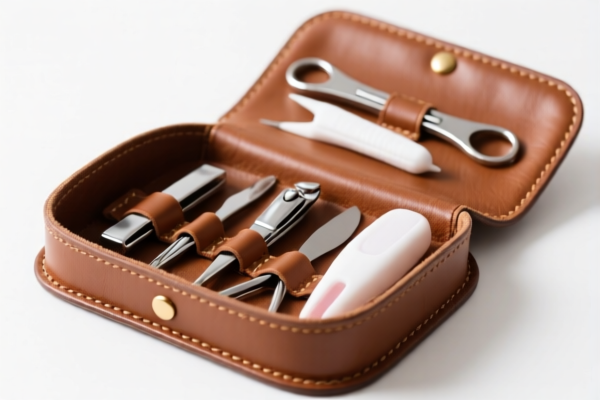
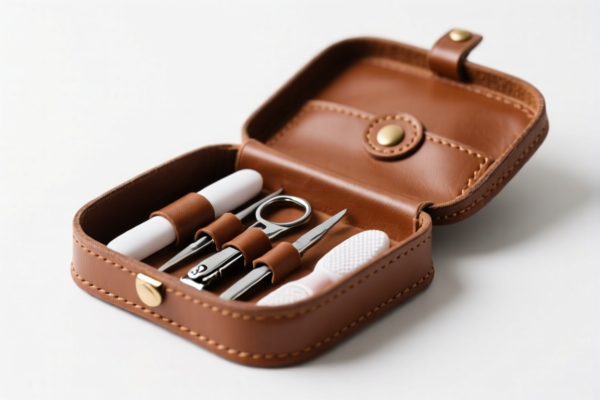
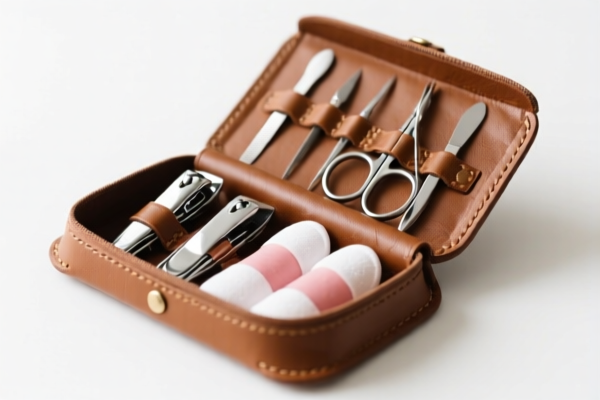
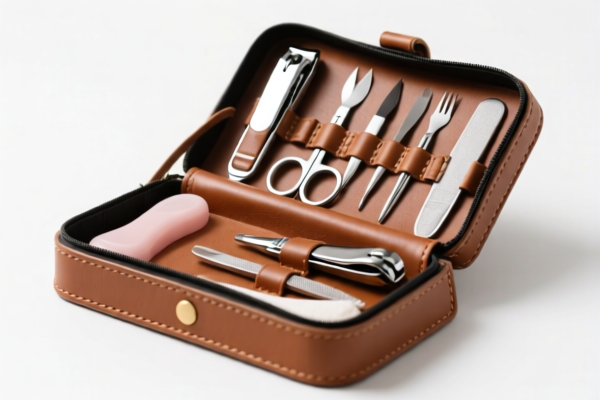
AI Analysis
🧹 Broom Cleaning Set (Household Cleaning Tools)
🌐 HS Code Reference & Customs Clearance Guide | 2026 Latest Tariff Analysis | Professional Strategy for Wood, Plastic, and Brush Products
📌 I. Product Definition & Classification: What Exactly is a "Broom Cleaning Set"?
A "Broom Cleaning Set" is a composite household product consisting of multiple cleaning tools, typically including brooms, brushes, mops, or buckets. In international trade, these items are not classified under a single "set" code. Instead, they are classified component by component based on their primary material and function.
Key Components & Distinctions: * Brooms & Brushes: Defined by their shape, handle material, and bristle type. * Containers: Buckets or pails used for holding water/cleaning solutions. * Material Basis: The classification heavily depends on whether the item is made of Wood (Bamboo), Plastics (3901-3914 materials), or is a finished Brush (Chapter 96).
⚠️ Critical Classification Rule:
- If the set contains distinct items (e.g., a wooden broom + a plastic bucket), declare them separately. Do not attempt to merge them into one line item unless they are technically a single indivisible unit with a primary function (rare for cleaning sets).
- Brooms with wooden handles/bodies → Chapter 44 (Wood).
- Plastic Buckets → Chapter 39 (Plastics).
- Brush heads/finished brushes → Chapter 96 (Brushes).
📦 II. HS Code Classification Details (2026 Latest Tariff Alignment)
Based on the provided data, here is the breakdown for each potential component within a "Broom Cleaning Set":
| HS Code | Product Description | Material/Feature | Application Scenario |
|---|---|---|---|
4421.99.98.80 |
Other articles of wood: Other: Other | Wood/Bamboo (Non-specific) | Wooden broom handles, wooden mop heads, or general wooden cleaning tools not elsewhere specified. |
4421.91.98.80 |
Other articles of wood: Of bamboo | Bamboo | Traditional bamboo brooms, bamboo mops, or bamboo-handled brushes. |
3926.90.99.89 |
Other articles of plastics: Other | Plastics | Plastic broom bodies, plastic brush handles, or miscellaneous plastic cleaning parts. |
3926.90.10.00 |
Other articles of plastics: Buckets and pails | Plastic Container | Plastic buckets, pails, or basins included in the cleaning set. |
9603.90.80.20 |
Brooms, brushes...: Other Upright brooms | Finished Brush/Broom | Complete upright brooms (bristles + handle), regardless of handle material, if classified under Chapter 96. |
9603.90.80.40 |
Brooms, brushes...: Other Other brooms | Finished Brush/Broom | Other types of brooms (e.g., corner brooms, handheld brooms) not specified as "upright." |
🔍 Important Note:
- Wooden/Bamboo Items: If the broom is made of wood or bamboo, it may fall under 4421 (Articles of wood) OR 9603 (Brooms/Brushes). Customs often prioritizes Chapter 96 for finished brooms and brushes, but 4421 may apply if they are considered "other articles of wood" rather than specialized brushes. Check local customs rulings.
- Plastic Items: Plastic buckets are clearly 3926.90.10.00. Plastic brush parts without bristles might be 3926.90.99.89.
- Chapter 96 (9603) is generally the most specific for finished brooms and brushes.
💰 III. 2026 Latest Tariff Rate Breakdown (US Imports from China)
✅ Applicable Country: United States (US)
✅ Origin: China (CN)
✅ Effective Time: Current rates apply (Base + Section 301/IEEPA Add-ons)
🎯 1. 4421.99.98.80 & 4421.91.98.80 (Wood/Bamboo Articles)
| Item | Content |
|---|---|
| Base Tariff | 3.3% |
| Section 301 Add-on Tariff | 25.0% |
| Total Tax Rate | 28.3% |
| Tax Calculation | CIF Value × 28.3% |
| De Minimis Exemption? | ❌ No (High value or non-exempt categories) |
| Legal Basis | Section 301 Tariff List |
📌 Explanation:
- Wood and bamboo articles are subject to a 25% additional tariff on top of the 3.3% base rate.
- This applies to wooden/bamboo broom handles, mops, or non-specific wooden cleaning tools.
- Total Cost Impact: Nearly 30% of the product value.
🎯 2. 3926.90.99.89 (Other Plastic Articles)
| Item | Content |
|---|---|
| Base Tariff | 5.3% |
| Section 301 Add-on Tariff | 7.5% |
| Total Tax Rate | 12.8% |
| Tax Calculation | CIF Value × 12.8% |
| De Minimis Exemption? | ❌ No |
| Legal Basis | Section 301 Tariff List |
📌 Explanation:
- General plastic cleaning parts (e.g., plastic brush handles, non-bucket plastic items) incur a 7.5% add-on on top of 5.3% base.
- Total Cost Impact: 12.8%, which is moderate compared to wood.
🎯 3. 3926.90.10.00 (Plastic Buckets and Pails)
| Item | Content |
|---|---|
| Base Tariff | 0.0% |
| Section 301 Add-on Tariff | 0.0% |
| Total Tax Rate | 0.0% |
| Tax Calculation | No Tax |
| De Minimis Exemption? | N/A (Already 0%) |
| Legal Basis | Exempted Category |
📌 Key Advantage:
- Plastic buckets and pails are currently duty-free (0% base + 0% add-on).
- Strategy: If your cleaning set includes buckets, ensure they are clearly declared as "Buckets and Pails" to benefit from the 0% rate. Do not mislabel them as general "plastic articles" which incur 12.8%.
🎯 4. 9603.90.80.20 & 9603.90.80.40 (Brooms/Brushes)
| Item | Content |
|---|---|
| Base Tariff | 2.8% |
| Section 301 Add-on Tariff | 7.5% |
| Total Tax Rate | 10.3% |
| Tax Calculation | CIF Value × 10.3% |
| De Minimis Exemption? | ❌ No |
| Legal Basis | Section 301 Tariff List |
📌 Explanation:
- Finished brooms and brushes (upright or other) fall under Chapter 96.
- They incur a 7.5% add-on on top of a 2.8% base rate.
- Total Cost Impact: 10.3%, making them the most tax-efficient component of the set compared to wood (28.3%) and general plastic (12.8%).
🛠️ IV. Customs Clearance Practical Advice (Real-World Pitfall Guide)
✅ 1. Documentation Checklist (Essential Items)
| Document | Required | Notes |
|---|---|---|
| ✅ Commercial Invoice | ✔️ | Must list each item separately (e.g., "1x Bamboo Broom," "1x Plastic Bucket"). Do not use vague terms like "1x Cleaning Set." |
| ✅ Packing List | ✔️ | Clearly separate quantities and weights for each HS Code item. |
| ✅ Product Photos | ✔️ | Show the broom (material, bristles), bucket (material, shape), and any labels. |
| ✅ Material Breakdown | ✔️ | Specify: "Handle: Bamboo," "Bristles: Natural Palm," "Bucket: PP Plastic." |
| ✅ Country of Origin | ✔️ | Certify as Made in China (triggers Section 301 tariffs). |
✅ 2. Declaration Strategy (Key Tactics)
🔥 "Declare Separately, Specify Material, Buckets are Free!"
| Scenario | Correct Declaration | Incorrect Declaration | Consequence |
|---|---|---|---|
| Mixed Set | List Broom (9603.90.80.40) + Bucket (3926.90.10.00) separately |
Single line: "Cleaning Set" | Customs may reclassify incorrectly → Higher tax or delay. |
| Wooden Broom | 4421.91.98.80 (Bamboo) OR 9603.90.80.40 (Brush) |
Vague: "Wooden Tool" | Risk of being taxed as general wood (28.3%) if not specified as brush. |
| Plastic Bucket | 3926.90.10.00 |
3926.90.99.89 |
Tax difference: 0% vs 12.8%. Loss of savings! |
| Plastic Brush Handle | 3926.90.99.89 |
4421.99.98.80 |
Misclassification → Wrong tax rate. |
✅ 3. Special Cases
| Case | Handling Advice |
|---|---|
| Broom with Plastic Handle + Bamboo Bristles | Classify by principal material or function. If it's a finished broom, 9603.90.80.40 (10.3%) is usually best. |
| Bamboo Broom | Can be 4421.91.98.80 (28.3%) OR 9603.90.80.40 (10.3%). Choose 9603 if allowed by customs for finished brooms to save 18%! |
| Set with No Buckets | No 0% benefit. Focus on minimizing wood/plastic parts. |
| OEM/Private Label | Ensure invoice matches brand labels. Provide authorization if requested. |
🌍 V. Global Market Comparison (2026)
| Country/Region | Recommended HS Code for Brooms | Tariff (China Origin) | Key Certifications | Notes |
|---|---|---|---|---|
| 🇺🇸 USA | 9603.90.80.40 |
10.3% (Base 2.8% + 7.5% Add-on) | No specific certs | Buckets (3926.90.10.00) are 0% |
| 🇨🇳 China | 9603.90.80.40 |
~2-5% (VAT extra) | CCC (if applicable) | Lower base rates |
| 🇪🇺 EU | 9603.30 (Brooms) |
~4-6% | CE (if plastic parts) | No Section 301 add-ons |
| 🇬🇧 UK | 9603.30 (Brooms) |
~4-6% | UKCA | Post-Brexit rules |
📌 Conclusion:
- USA is the highest cost market due to Section 301 add-ons.
- Plastic buckets are your tax-saving hero (0% in US).
- Chapter 96 (9603) is generally more favorable than Chapter 44 (Wood) for finished brooms.
📌 VI. Common Errors & Pitfalls (Lessons Learned)
❌ Error 1: Declaring a bamboo broom as "Wooden Article" (4421) instead of "Broom" (9603).
👉 Result: Tax jumps from 10.3% to 28.3%. Loss: 18%.
❌ Error 2: Declaring a plastic bucket as "Other Plastic Articles" (3926.90.99.89).
👉 Result: Tax jumps from 0% to 12.8%. Loss: 12.8%.
❌ Error 3: Grouping all items into one line item "Cleaning Set."
👉 Result: Customs will assign the highest tax rate of the components or require redeclaration, causing delays.
✅ Correct Practice:
"100x Bamboo Upright Brooms (HS: 9603.90.80.40)"
"100x Plastic Cleaning Buckets (HS: 3926.90.10.00)"
"100x Plastic Scrub Brushes (HS: 9603.90.80.40)"
🎯 VII. Conclusion: Professional Declaration, Maximize Savings!
🎯 Remember the Tax Hierarchy:
🔹 Buckets (Plastic) → 0% 🎉
🔹 Brooms/Brushes (Chapter 96) → 10.3% ✅
🔹 Plastic Parts → 12.8% ⚠️
🔹 Wood/Bamboo Articles → 28.3% ❌
📌 Pro Tip:
If your broom is made of bamboo, declare it as a Broom (HS 9603) rather than an Article of Wood (HS 4421) if customs allows, to save 18% in tariffs. Always separate buckets from brushes in your invoice!
📣 Immediate Action:
📞 Consult your customs broker to confirm if bamboo brooms can be classified under 9603 (Brushes) instead of 4421 (Wood).
🚀 Separate your line items to ensure buckets get 0% tax.
✨ Precision in HS Codes = Precision in Profit! 💼
Customer Reviews
About HS Code Classification
The Harmonized System (HS) is an internationally standardized nomenclature developed by the World Customs Organization (WCO) to classify traded products. Over 200 countries use the HS system as the basis for customs tariffs, trade statistics, and import/export regulations.
Each HS code follows a hierarchical structure:
- Chapter (2 digits) — Broad category of goods (e.g., Chapter 84: Machinery and Mechanical Appliances)
- Heading (4 digits) — More specific grouping within the chapter
- Subheading (6 digits) — Internationally standardized breakdown, used by all WCO member countries
- National subdivisions (8-10 digits) — Country-specific extensions for further classification, such as US HTSUS 10-digit codes
Correct HS code classification is essential for smooth customs clearance, accurate duty payment, and compliance with trade regulations. Misclassification can lead to customs delays, overpayment of duties, or penalties.
When importing from CN to US, the applicable tariff rates may include:
- Most-Favored-Nation (MFN) rate — The standard duty rate applied to WTO members
- General rate — Applied to countries without trade agreements
- Trade remedy duties — Additional tariffs such as Section 301 (anti-dumping), Section 232 (national security), or countervailing duties
The information provided on this page is for reference purposes only. For official classification, please consult with your local customs authority or a licensed customs broker.