Buck Teeth Corrector
CN → US| HS Code | Tariff Rate | Origin | Destination | Doc |
|---|---|---|---|---|
| 9021214000 | 10.0% | CN | US | Official Doc |
| 9021218000 | 10.0% | CN | US | Official Doc |
| 9021294000 | 10.0% | CN | US | Official Doc |
Product Images
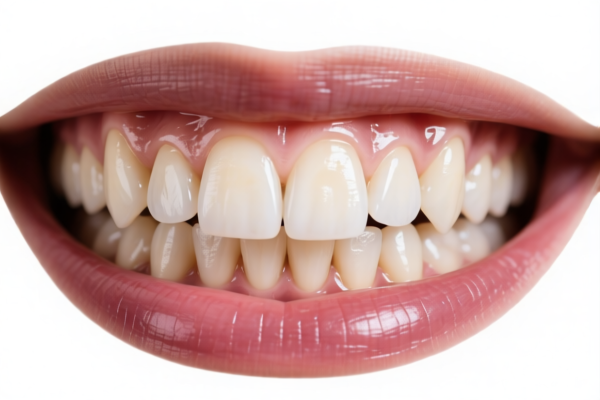
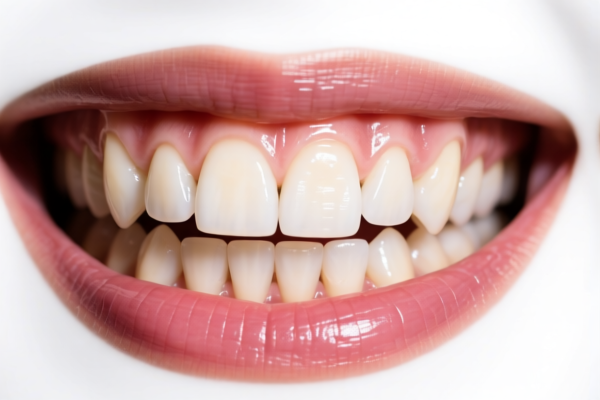
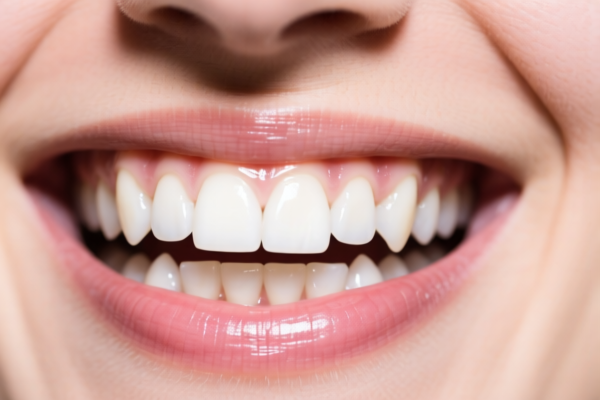
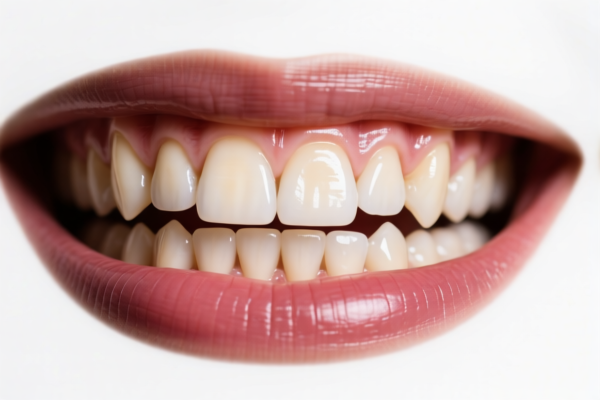
AI Analysis
🦷 Buck Teeth Corrector (Orthodontic Appliances)
🌐 HS Code Reference & Customs Clearance Guide | 2026 Latest Tariff Analysis | Professional Compliance Strategy
📌 1. Product Definition & Classification: What Exactly is a "Buck Teeth Corrector"?
A "Buck Teeth Corrector" is a general consumer term for devices used to correct the alignment of protruding upper teeth (overjet). In international trade and customs classification, these products fall strictly under Chapter 90, specifically within the category of Orthopedic Appliances and Dental Fittings.
They are NOT classified as cosmetics or general health supplements. They are medical/dental devices designed to compensate for a physical defect (misaligned teeth).
⚠️ Critical Distinction:
- The classification depends entirely on the material composition of the artificial teeth or fittings. - If the core component is made of plastics, it falls under 9021.21.40.00. - If the core component is made of other materials (e.g., metal, ceramic, natural dentine, precious metals), it falls under 9021.21.80.00. - Most modern consumer "clear aligners" or plastic retainers/correctors are classified under Plastics.
📦 2. HS Code Classification Details (2026 Latest Tariff Authority)
Based on the provided data, here are the two possible classifications:
| HS Code | Product Description | Material Composition | Typical Examples |
|---|---|---|---|
9021.21.40.00 |
Artificial teeth and parts/accessories thereof: Of plastics | Plastics (Acrylic, Resin, Polymers) | Clear aligners (Invisalign-type), plastic retainers, plastic partial dentures, plastic bite splints for buck teeth. |
9021.21.80.00 |
Artificial teeth and parts/accessories thereof: Other | Non-Plastic (Metal, Ceramic, Gold, Porcelain, etc.) | Metal braces (brackets), ceramic brackets, gold crowns, porcelain veneers, metal clasps for partial dentures. |
🔍 Key Insight for "Buck Teeth Correctors":
- If your product is a transparent plastic aligner or a plastic retainer, use 9021.21.40.00. - If your product is a metal wire appliance or ceramic bracket system, use 9021.21.80.00. - Note: Even if the device has metal wires, if the primary artificial tooth/fitting part is plastic, customs often scrutinizes the main component. However, standard dental braces are usually "Other" (Metal/Ceramic), while consumer "correctors" are often Plastic. Verify the primary material.
💰 3. 2026 Latest Tariff Rate Breakdown
✅ Applicable Jurisdiction: United States (US)
✅ Origin: China (CN)
✅ Effective Date: 2025/2026 (Based on current data showing 0% total tax)
🎯 1. 9021.21.40.00 —— Artificial Teeth/Fittings of Plastics
| Item | Content |
|---|---|
| Base Tariff Rate | 0.0% (ad valorem) |
| Section 301 Additional Tariff | 0.0% |
| IEEPA Additional Tariff | 0.0% |
| Total Tariff Rate | 0.0% |
| Tax Calculation | CIF Value × 0% = $0 |
| De Minimis Eligibility | ✅ Yes (If value ≤ $800, generally duty-free) |
| Legal Basis | HTSUS 9021.21.40.00 |
📌 Explanation:
- Dental appliances made of plastic currently enjoy zero duty under the current trade terms provided. - This is a highly favorable classification for cost purposes. - No Section 301 or IEEPA surcharges apply to this specific subheading.
🎯 2. 9021.21.80.00 —— Artificial Teeth/Fittings Other
| Item | Content |
|---|---|
| Base Tariff Rate | 0.0% (ad valorem) |
| Section 301 Additional Tariff | 0.0% |
| IEEPA Additional Tariff | 0.0% |
| Total Tariff Rate | 0.0% |
| Tax Calculation | CIF Value × 0% = $0 |
| De Minimis Eligibility | ✅ Yes (If value ≤ $800, generally duty-free) |
| Legal Basis | HTSUS 9021.21.80.00 |
📌 Explanation:
- Similar to the plastic version, "Other" dental fittings also have a 0.0% total tariff rate. - Whether plastic or metal/ceramic, the duty cost is currently zero under the provided data.
🛠️ 4. Customs Clearance Practical Advice (Best Practices)
✅ 1. Documentation Checklist (Must-Haves)
| Document | Required | Notes |
|---|---|---|
| Commercial Invoice | ✔️ | Must clearly state "Dental Appliance" or "Orthodontic Corrector," not just "Health Product." |
| Product Specification | ✔️ | Must specify Material Composition (e.g., "Medical Grade PETG Plastic" or "Stainless Steel Brackets"). This determines the HS Code. |
| Product Photos | ✔️ | Clear images showing the device, packaging, and any labels. |
| FDA Registration | ✔️ | Critical for USA! Most orthodontic appliances are Class I or II medical devices. Must be registered with FDA and have a 510(k) if required. |
| CE Mark (if EU) | ✔️ | For European markets, CE certification is mandatory. |
| Instructions for Use (IFU) | ✔️ | Often required by customs to prove it’s a regulated medical device, not a toy or cosmetic. |
✅ 2. Declaration Tips (Key Mnemonics)
🔥 "Material is King, FDA is Gate, Name is Precise!"
| Scenario | Correct Declaration | Common Mistake |
|---|---|---|
| Plastic Aligners | "Plastic Orthodontic Aligner for Dental Correction, HS 9021.21.40.00" | Calling it "Teeth Whitener" → Wrong HS, Higher Duty/Rejection |
| Metal Braces | "Metal Dental Brackets for Orthodontic Treatment, HS 9021.21.80.00" | Calling it "Jewelry" → Wrong HS, Confiscation |
| Mixed Materials | "Dental Retainer with Plastic Base and Metal Wire, HS 9021.21.80.00" (Check primary function) | Vague description "Dental Tool" → Audit Risk |
✅ 3. Special Considerations for "Buck Teeth Correctors"
-
FDA Compliance:
- In the US, these are regulated by the FDA as Class I Medical Devices (Exempt) or Class II (510(k) required).
- Without FDA registration, your shipment will be detained even if the duty is 0%.
- Ensure the importer has an FDA Establishment Registration Number.
-
Labeling Requirements:
- Must include: "Sterile" (if sterile), "Rx Only" (if prescription device), Material info, and Manufacturer details.
- Mislabeling as a "Cosmetic" or "Beauty Device" can lead to penalties.
-
De Minimis ($800 Rule):
- Since the tariff is 0.0%, shipments under $800 per person per day are generally duty-free and low-risk for duties.
- However, FDA requirements still apply even for de minimis shipments. Do not assume "free shipping" means "no regulation."
🌍 5. Global Market Comparison (2026)
| Market | Recommended HS Code | Duty Rate | Key Regulatory Requirement |
|---|---|---|---|
| 🇺🇸 USA | 9021.21.40.00 / 9021.21.80.00 |
0.0% | FDA Registration is mandatory. |
| 🇨🇳 China | 9021.21.40.00 / 9021.21.80.00 |
0.0% | NMPA Registration (Medical Device License). |
| 🇪🇺 EU | 9021.21.40.00 / 9021.21.80.00 |
0.0% | CE Marking + MDR/IVDR Compliance. |
| 🇬🇧 UK | 9021.21.40.00 / 9021.21.80.00 |
0.0% | UKCA Marking + MHRA Registration. |
| 🇨🇦 Canada | 9021.21.40.00 / 9021.21.80.00 |
0.0% | Health Canada Class I/II Device License. |
📌 Conclusion:
- Duty is 0% globally for these HS codes based on current data.
- The real barrier is Regulatory Compliance (FDA/CE/NMPA), not Tariffs.
- Ensure your product is legally classified as a medical/dental device, not a cosmetic.
📌 6. Common Errors & Pitfalls (Lessons Learned)
❌ Error 1: Labeling as "Teeth Whitener" or "Cosmetic"
👉 Consequence: Wrong HS Code, potential FDA violation, shipment seizure.
👉 Fix: Declare as "Orthodontic Appliance" or "Dental Fitting."
❌ Error 2: Ignoring Material Composition
👉 Consequence: Misclassification between 9021.21.40.00 (Plastic) and 9021.21.80.00 (Other).
👉 Fix: Always specify material in the commercial invoice.
❌ Error 3: No FDA Documentation for US Imports
👉 Consequence: Shipment detained at port, even with 0% duty.
👉 Fix: Provide FDA Establishment Registration Number and Device Listing.
🎯 7. Conclusion: Professional Compliance, Zero Duty, Smooth Clearance
🎯 Key Takeaway:
🔹 "Buck Teeth Correctors" = Dental Appliances.
🔹 Plastic = 9021.21.40.00 | Other = 9021.21.80.00
🔹 Duty = 0.0% (No Additional Taxes)
🔹 Critical = FDA/CE Certification is Mandatory, Not Optional.
📌 Pro Tip:
- For e-commerce sellers (Amazon, Shopify): Ensure your product listing clearly states "FDA Registered" or "CE Certified" to avoid platform bans and customs delays.
- For B2B Importers: Verify the supplier’s medical device license before ordering.
📣 Action Step:
📞 Verify Product Material → Choose Correct HS Code → Prepare FDA/CE Docs → Clear Customs Smoothly!
🚀 Zero Duty is an Advantage, but Compliance is the Key!
✨ Professional Customs Clearance Starts with Accurate Classification!
💼 Save Time, Avoid Delays, Maximize Profit!
Customer Reviews
About HS Code Classification
The Harmonized System (HS) is an internationally standardized nomenclature developed by the World Customs Organization (WCO) to classify traded products. Over 200 countries use the HS system as the basis for customs tariffs, trade statistics, and import/export regulations.
Each HS code follows a hierarchical structure:
- Chapter (2 digits) — Broad category of goods (e.g., Chapter 84: Machinery and Mechanical Appliances)
- Heading (4 digits) — More specific grouping within the chapter
- Subheading (6 digits) — Internationally standardized breakdown, used by all WCO member countries
- National subdivisions (8-10 digits) — Country-specific extensions for further classification, such as US HTSUS 10-digit codes
Correct HS code classification is essential for smooth customs clearance, accurate duty payment, and compliance with trade regulations. Misclassification can lead to customs delays, overpayment of duties, or penalties.
When importing from CN to US, the applicable tariff rates may include:
- Most-Favored-Nation (MFN) rate — The standard duty rate applied to WTO members
- General rate — Applied to countries without trade agreements
- Trade remedy duties — Additional tariffs such as Section 301 (anti-dumping), Section 232 (national security), or countervailing duties
The information provided on this page is for reference purposes only. For official classification, please consult with your local customs authority or a licensed customs broker.