Bucket Rack
CN → US| HS Code | Tariff Rate | Origin | Destination | Doc |
|---|---|---|---|---|
| 3924905650 | 20.9% | CN | US | Official Doc |
| 3924104000 | 13.4% | CN | US | Official Doc |
| 3926305000 | 22.8% | CN | US | Official Doc |
| 3926909989 | 22.8% | CN | US | Official Doc |
| 7616995175 | 37.5% | CN | US | Official Doc |
Product Images
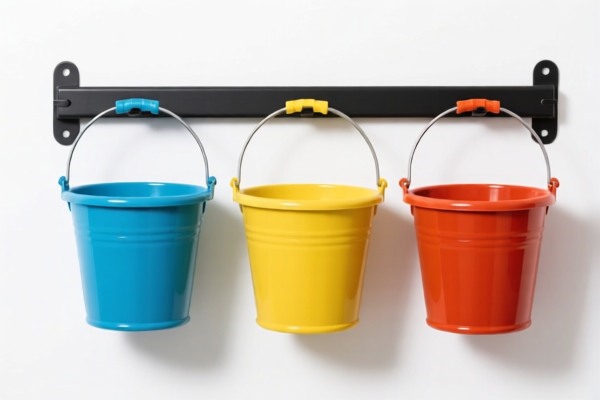
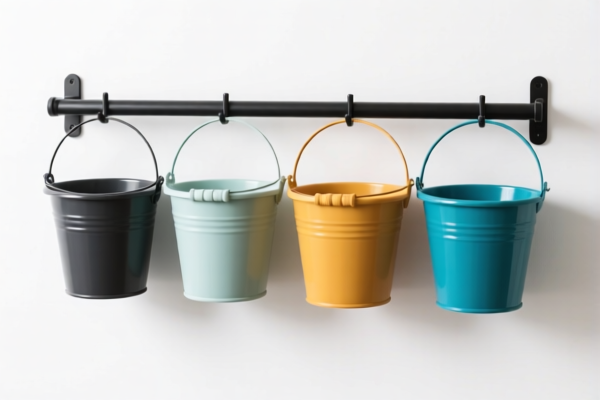
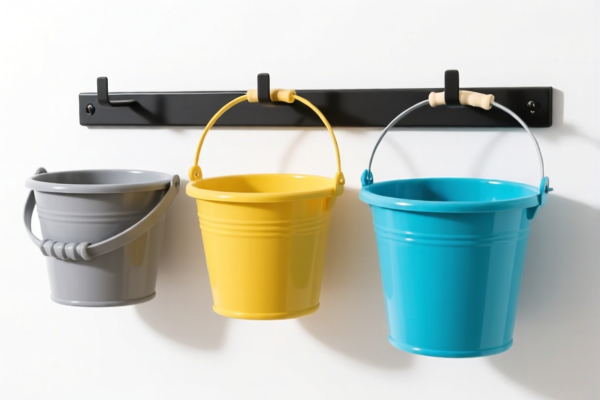
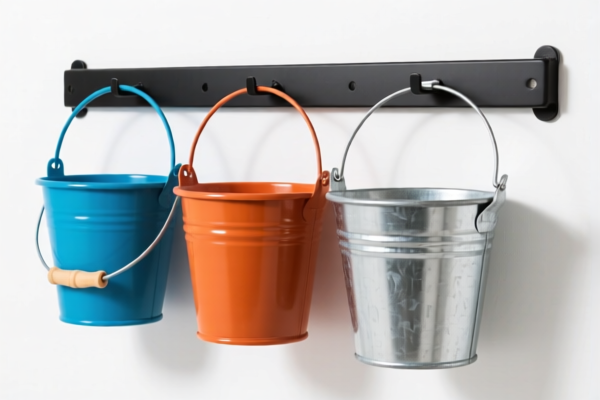
AI Analysis
🪣 Bucket Rack / Bottle Holder
Classification Guide for Plastic & Aluminum Storage Solutions
🌐 HS Code Reference & Customs Clearance Guide | 2026 Latest Tariff Analysis | Strategic Import Strategy
📌 I. Product Definition & Classification: What Exactly is a "Bucket Rack"?
A Bucket Rack (or Bottle Holder) is a storage solution used in households, offices, or industrial settings to organize water bottles, cleaning buckets, or other cylindrical containers. In international trade, the classification depends strictly on material and functional structure.
Key Distinction Points:
- Plastic Household Item: If made primarily of plastic and intended for general home use (e.g., holding water bottles in a kitchen), it falls under Chapter 39 (Plastics) or specific household goods subheadings.
- General Plastic Article: If it serves a supporting/holding function but doesn't fit specific "household" definitions, it may fall under Chapter 39 (Other Plastic Articles).
- Aluminum Article: If made of aluminum, it falls under Chapter 76 (Aluminum and Articles Thereof).
⚠️ Critical Warning:
- Material Matters: Plastic vs. Aluminum leads to drastically different HS codes and tax rates.
- Function Matters: "Household item" vs. "General support structure" affects the base duty rate.
- Country of Origin: Assuming China Origin importing to the USA, additional tariffs (Section 301 & Section 122) apply.
📦 II. HS Code Classification Details (2026 Tariff Authority Reference)
| HS Code | Product Description | Application Scenario | Material/Type |
|---|---|---|---|
3924.90.56.50 |
Plastic bottle holder/rack, classified as a catch-all household item | General home use, kitchen/bathroom organizers | ✅ Plastic, Household |
3924.10.40.00 |
Plastic bottle holder/rack, fits other household categories | Plastic storage, non-specific household use | ✅ Plastic, Household |
3926.30.50.00 |
Plastic connection/support rack, classified as plastic product | Structural support, non-household specific plastic parts | ✅ Plastic, Industrial/General |
3926.90.99.89 |
Other plastic articles, no obvious conflict | Generic plastic holder, not specified elsewhere | ✅ Plastic, Other |
7616.99.51.75 |
Aluminum bottle holder/rack, classified as other article | Aluminum storage, metal household/industrial item | ✅ Aluminum |
🔍 Focus Reminder:
- Plastic Racks (3924...and3926...) have lower base duties but are subject to Section 301 (7.5%) and Section 122 (10%) tariffs.
- Aluminum Racks (7616...) have a higher base duty and are subject to Section 301 (25%) and Section 122 (10%) tariffs, resulting in a significantly higher total tax burden.
- Do not misclassify aluminum as plastic to evade tariffs; customs will inspect material composition.
💰 III. 2026 Latest Tariff Rate Breakdown (Including Additional Duties & Policy Surcharges)
✅ Applicable Country: United States (US)
✅ Origin: China (CN)
✅ Effective Time: Post-2025 Regulations (Section 301 & Section 122 Active)
🎯 1. 3924.90.56.50 — Plastic Bottle Rack (Household Catch-All)
| Item | Content |
|---|---|
| Base Duty Rate | 3.4% (ad valorem) |
| Section 301 Surcharge | +7.5% |
| Section 122 Surcharge | +10.0% |
| Total Tariff Rate | 20.9% |
| Tax Calculation | CIF Value × 20.9% |
| De Minimis Eligibility | ❌ No (Section 122 and 301 tariffs generally exempt de minimis for China) |
| Legal Basis Path | HTSUS:3924.90.56.50 → Section 301 Footnote 9903.88.01 → Section 122 |
📌 Explanation:
- Base Duty: 3.4% is the standard MFN rate for plastic household goods.
- Section 301 (7.5%): Applied to most Chinese plastic products.
- Section 122 (10%): Additional tariff on certain Chinese goods, including some plastic articles.
- Total: 20.9%. This is the lowest tax rate among the listed options.
🎯 2. 3924.10.40.00 — Plastic Bottle Rack (Other Household Category)
| Item | Content |
|---|---|
| Base Duty Rate | 3.4% (ad valorem) |
| Section 301 Surcharge | +0.0% |
| Section 122 Surcharge | +10.0% |
| Total Tariff Rate | 13.4% |
| Tax Calculation | CIF Value × 13.4% |
| De Minimis Eligibility | ❌ No |
| Legal Basis Path | HTSUS:3924.10.40.00 → Section 122 |
📌 Attention:
- Lowest Tax Option: This is the most favorable classification if the product can be legitimately argued as falling under this specific household subheading.
- No Section 301: Surprisingly, this specific subheading may be exempt from the 7.5% Section 301 surcharge, but still subject to Section 122 (10%).
- Strategic Advantage: Reduces total tax by 7.5% compared to3924.90.56.50.
🎯 3. 3926.30.50.00 — Plastic Support/Connection Rack
| Item | Content |
|---|---|
| Base Duty Rate | 5.3% (ad valorem) |
| Section 301 Surcharge | +7.5% |
| Section 122 Surcharge | +10.0% |
| Total Tariff Rate | 22.8% |
| Tax Calculation | CIF Value × 22.8% |
| De Minimis Eligibility | ❌ No |
| Legal Basis Path | HTSUS:3926.30.50.00 → Section 301 → Section 122 |
📌 Note:
- Classified as "Other Plastic Articles" (Chapter 39).
- Higher base duty (5.3%) than household goods (3.4%).
- Still subject to both Section 301 and Section 122.
- Total: 22.8%.
🎯 4. 3926.90.99.89 — Other Plastic Articles
| Item | Content |
|---|---|
| Base Duty Rate | 5.3% (ad valorem) |
| Section 301 Surcharge | +7.5% |
| Section 122 Surcharge | +10.0% |
| Total Tariff Rate | 22.8% |
| Tax Calculation | CIF Value × 22.8% |
| De Minimis Eligibility | ❌ No |
| Legal Basis Path | HTSUS:3926.90.99.89 → Section 301 → Section 122 |
📌 Note:
- Catch-all for plastic products not specified elsewhere.
- Same tax rate as3926.30.50.00.
- Total: 22.8%.
🎯 5. 7616.99.51.75 — Aluminum Bottle Rack
| Item | Content |
|---|---|
| Base Duty Rate | 2.5% (ad valorem) |
| Section 301 Surcharge | +25.0% |
| Section 122 Surcharge | +10.0% |
| Total Tariff Rate | 37.5% |
| Tax Calculation | CIF Value × 37.5% |
| De Minimis Eligibility | ❌ No |
| Legal Basis Path | HTSUS:7616.99.51.75 → Section 301 → Section 122 |
📌 Warning:
- Highest Tax Rate: Aluminum articles face the 25% Section 301 tariff, which is significantly higher than the 7.5% for plastics.
- Total: 37.5%. This is nearly double the cost of plastic alternatives.
- Recommendation: Avoid aluminum if cost is a primary concern, unless it's a premium product where consumers won't mind the price hike.
🛠️ IV. Customs Clearance Practical Advice (Field Guide to Avoid Pitfalls)
✅ 1. Required Documentation Checklist (Non-Negotiable)
| Document | Must Provide | Description |
|---|---|---|
| ✅ Product Specification Sheet | ✔️ | Detailed dimensions, capacity, weight, and material composition (e.g., "100% PP Plastic" or "Aluminum Alloy 6061"). |
| ✅ Material Declaration | ✔️ | Explicitly state material. Misdeclaring aluminum as plastic is fraud. |
| ✅ Product Photos | ✔️ | Clear images of the rack, including any logos, labels, and structure. Show it holding a bottle/bucket to demonstrate function. |
| ✅ Commercial Invoice | ✔️ | Must accurately describe the item as "Plastic/Aluminum Bottle Rack" and match the HS Code. |
| ✅ Packing List | ✔️ | Item count, gross/net weight, and packaging details. |
| ✅ Country of Origin Certificate | ✔️ | If applicable, to prove Chinese origin (triggers tariffs). |
✅ 2. Declaration Tips (Key Mnemonics)
🔥 “Material First, Function Second, Code Precision Saves Cash!”
| Scenario | Correct Declaration | Wrong Practice |
|---|---|---|
| Plastic Rack, Household Use | 3924.10.40.00 or 3924.90.56.50 |
Misdeclaring as 3926 → Higher tax (22.8% vs 13.4-20.9%) |
| Plastic Rack, General Use | 3926.30.50.00 or 3926.90.99.89 |
Misdeclaring as 3924 → Risk of penalty if not truly household |
| Aluminum Rack | 7616.99.51.75 |
Trying to declare as plastic → Severe Penalties & Seizure |
| Mixed Material | Declare primary material | Ambiguous description → Customs delays & reclassification |
✅ 3. Special Circumstances Handling
| Situation | Handling Advice |
|---|---|
| OEM Custom Design | Provide design specs to prove it's a "support rack" vs. "household good" if aiming for 3926. |
| Aluminum vs. Plastic Coating | If aluminum is coated, still considered aluminum. Declare as such. |
| Kit Sales (Rack + Bottles) | Declare separately. Bottles have different HS codes and tariffs. Do not bundle to hide material. |
| Pre-Clearance Ruling | Highly Recommended. Apply for an Advance Ruling from CBP to confirm the correct HS Code and tax liability before shipment. |
🌍 V. Global Market Comparison (2026 Latest)
| Country/Region | Recommended HS Code | Tariff (China Origin) | Certification Required | Notes |
|---|---|---|---|---|
| 🇺🇸 USA | 3924.10.40.00 |
13.4% (Lowest) | None (General) | Section 301 & 122 apply. Avoid Aluminum (37.5%). |
| 🇨🇳 China | 3924.10.40.00 |
5-8% | CCC (if applicable) | Lower import duties. No Section 301. |
| 🇪🇺 EU | 3924.10.40.00 |
6.5% | CE (if applicable) | No Section 301. Standard duties apply. |
| 🇬🇧 UK | 3924.10.40.00 |
6.5% | UKCA | Post-Brexit, similar to EU. |
| 🇦🇺 Australia | 3924.10.40.00 |
5% | RCM | Low tariffs, high value-added tax (GST). |
📌 Conclusion:
- USA is the highest-cost market due to Section 301 and Section 122 tariffs.
- Plastic is cheaper than Aluminum in the US due to lower Section 301 rates.
-3924.10.40.00is the optimal HS Code for plastic racks to minimize taxes.
📌 VI. Common Errors & Pitfalls (Lessons Learned)
❌ Error 1: Declaring Aluminum Racks as Plastic
👉 Consequence: Customs Seizure, Fines, and Potential Criminal Charges for Fraud.
❌ Error 2: Using 3926 for Household Items
👉 Consequence: Overpaying 7.5% to 9.4% in unnecessary taxes. (22.8% vs 13.4-20.9%).
❌ Error 3: Vague Description "Holder"
👉 Consequence: CBP may reclassify to the highest possible rate or request more info, causing delays.
❌ Error 4: Ignoring Section 122
👉 Consequence: Even if Section 301 is exempt, 10% Section 122 still applies to most plastic/aluminum goods from China.
✅ Correct Practice:
"Plastic Water Bottle Holder, Household Use, Made of Polypropylene, Model XYZ, For Kitchen/Bathroom Storage"
🎯 VII. Conclusion: Smart Classification, Cost Savings, Efficient Clearance!
🎯 Remember the Mnemonic:
🔹 "Plastic Household: 13.4-20.9%, Aluminum: 37.5%, Avoid Metal if Possible!"
🔹 "Code Precision Saves Cash, Vague Descriptions Cost Time!"
📌 Pro Tip:
If your product can legally be classified under
3924.10.40.00, you save 7.5% compared to3924.90.56.50and 24.1% compared to Aluminum.
Action Step: Consult with a customs broker to confirm if your specific design qualifies for3924.10.40.00.
🚀 Clear your goods smoothly, keep your profits high, and stay compliant!
✨ Professional Customs Clearance Starts with Accurate Classification!
💼 Every Percentage Point Counts!
Customer Reviews
About HS Code Classification
The Harmonized System (HS) is an internationally standardized nomenclature developed by the World Customs Organization (WCO) to classify traded products. Over 200 countries use the HS system as the basis for customs tariffs, trade statistics, and import/export regulations.
Each HS code follows a hierarchical structure:
- Chapter (2 digits) — Broad category of goods (e.g., Chapter 84: Machinery and Mechanical Appliances)
- Heading (4 digits) — More specific grouping within the chapter
- Subheading (6 digits) — Internationally standardized breakdown, used by all WCO member countries
- National subdivisions (8-10 digits) — Country-specific extensions for further classification, such as US HTSUS 10-digit codes
Correct HS code classification is essential for smooth customs clearance, accurate duty payment, and compliance with trade regulations. Misclassification can lead to customs delays, overpayment of duties, or penalties.
When importing from CN to US, the applicable tariff rates may include:
- Most-Favored-Nation (MFN) rate — The standard duty rate applied to WTO members
- General rate — Applied to countries without trade agreements
- Trade remedy duties — Additional tariffs such as Section 301 (anti-dumping), Section 232 (national security), or countervailing duties
The information provided on this page is for reference purposes only. For official classification, please consult with your local customs authority or a licensed customs broker.