Buffalo Grain Splits for Aircraft Interiors
CN → US| HS Code | Tariff Rate | Origin | Destination | Doc |
|---|---|---|---|---|
| 4113903000 | 38.3% | CN | US | Official Doc |
| 4113906000 | 36.6% | CN | US | Official Doc |
| 4104113060 | 12.4% | CN | US | Official Doc |
| 4104413060 | 12.4% | CN | US | Official Doc |
Product Images
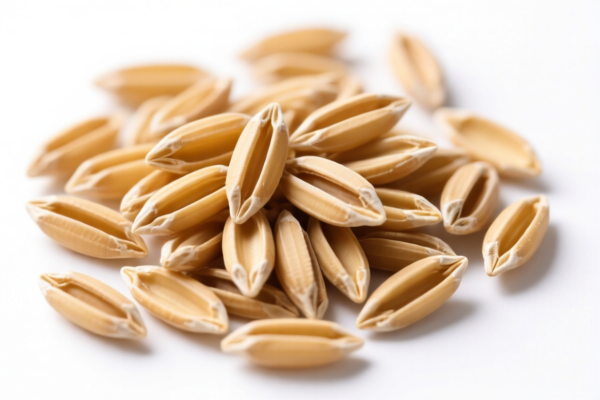

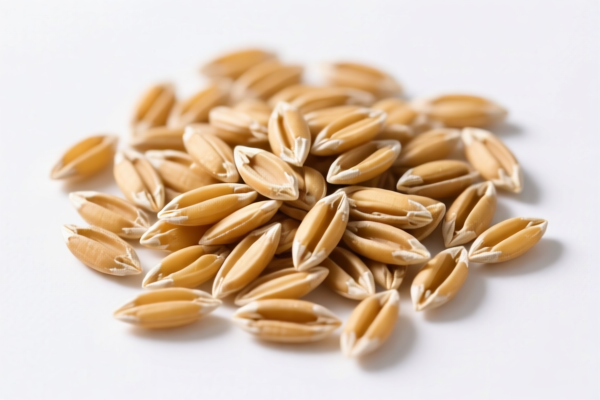
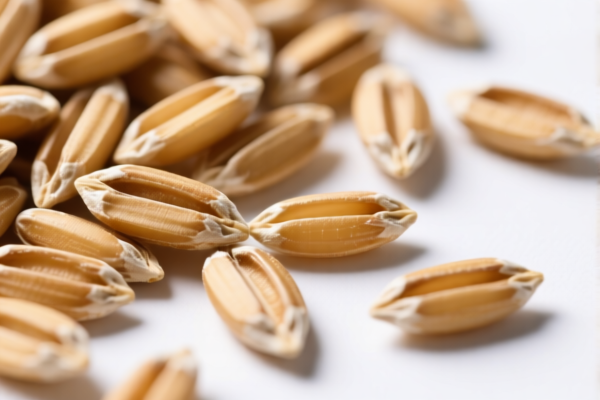
AI Analysis
🦌 Buffalo Grain Splits for Aircraft Interiors (Leather Products)
🌐 HS Code Reference & Customs Clearance Guide | 2026 Latest Tariff Analysis | Professional Level Strategy
📌 I. Product Definition and Classification: Do You Really Understand "Buffalo Grain Splits"?
Buffalo grain splits are a specific type of processed leather derived from bovine (including buffalo) hides. In international trade, especially for high-end applications like aircraft interiors, they are classified based on their preparation state (wet vs. dry) and physical characteristics (split status).
Key Distinctions for Aircraft Interiors: * Material: Split leather from buffalo hides (bovine family). * Surface: Full grain surface retained on the split (or grain splits), without hair/wool. * Preparation: Tanned or crust state (not fully finished/fancy yet, unless specified). * State: Wet (preserved/chrome tanned) or Dry (crust).
⚠️ Critical Classification Point:
- If the leather is in the wet state (e.g., wet-blue, preserved, not fully dried/crusted for final finish) → It falls under 4104.11.30.60.
- If the leather is in the dry state (crust, ready for further finishing/tanning) → It falls under 4104.41.30.60.
- Note: If the leather is "Fancy" (fully finished for final use) or "Other" (not buffalo), refer to codes 4113.90.30.00 or 4113.90.60.00. However, for standard "Buffalo Grain Splits" in raw/crust form for manufacturing, 4104 series is primary.
📦 II. HS Code Classification Details (2026 Latest Tariff Authority Comparison)
| HS Code | Product Description | Application Scenario | State | Tax Rate (Total) |
|---|---|---|---|---|
4104.11.30.60 |
Tanned/Crust Hides/Skins of Bovine (Buffalo), Wet State, Full Grains/Grain Splits, Other: Buffalo Other | Wet-blue buffalo splits, preserved leather ready for transport | Wet | 2.4% |
4104.41.30.60 |
Tanned/Crust Hides/Skins of Bovine (Buffalo), Dry State (Crust), Full Grains/Grain Splits, Other: Buffalo Other | Crust leather, dried buffalo splits, base material for further processing | Dry | 0.0% |
4113.90.30.00 |
Leather Further Prepared (Parchment-Dressed), Other Animals, No Wool/Hair, Other: Not Fancy | Finished leather (not buffalo split, or further processed than crust) | Further Prepared | 28.3% |
4113.90.60.00 |
Leather Further Prepared (Parchment-Dressed), Other Animals, No Wool/Hair, Other: Fancy | Fancy/Finished leather (high-end finished goods, not raw buffalo split) | Further Prepared | 26.6% |
🔍 Key Reminder:
- Aircraft Interiors often use Crust Leather (Dry State) for customization. Therefore,4104.41.30.60(0.0%) is the most likely and cost-effective classification for raw buffalo grain splits intended for further finishing in aircraft manufacturing.
- If the leather is already "Fancy" (finished for immediate upholstery), it may be classified under4113.90.60.00, but this incurs a 26.6% tax, which is significantly higher.
- Never classify raw buffalo splits as "Further Prepared" unless they are already finished/parchment-dressed. Misclassification leads to severe penalties.
💰 III. 2026 Latest Tariff Rate Details (Including Surcharges, Policy Add-ons)
✅ Applicable Country: United States (US)
✅ Origin: China (CN)
✅ Effective Time: November 10, 2025 onwards (including subsequent imports)
🎯 1. 4104.11.30.60 —— Buffalo Grain Splits (Wet State)
| Item | Content |
|---|---|
| Base Tariff | 2.4% |
| Additional Tariff (Section 301) | 0.0% |
| Total Tax Rate | 2.4% |
| Tax Calculation | CIF Value × 2.4% |
| De Minimis Exemption | ❌ No (Deny de minimis for leather products from CN) |
| Legal Basis Path | USITC:4104.11.30.60 → FOOTNOTE:No 301 Surcharge |
📌 Explanation:
- Wet-state leather from China currently enjoys a low tariff (2.4%) with no additional Section 301 surcharge.
- This is a cost-efficient option if the supply chain can manage wet-state logistics.
🎯 2. 4104.41.30.60 —— Buffalo Grain Splits (Dry State / Crust)
| Item | Content |
|---|---|
| Base Tariff | 0.0% |
| Additional Tariff (Section 301) | 0.0% |
| Total Tax Rate | 0.0% |
| Tax Calculation | CIF Value × 0.0% |
| De Minimis Exemption | ❌ No (Deny de minimis for leather products from CN) |
| Legal Basis Path | USITC:4104.41.30.60 → FOOTNOTE:No 301 Surcharge |
📌 Explanation:
- Zero Tariff! This is the most favorable classification for buffalo grain splits in dry/crust state.
- Ideal for aircraft interiors where leather is shipped as crust for final customization by the aircraft manufacturer.
- Ensure the leather is genuinely in the "crust" state (tanned but not fully finished) to qualify for 0%.
🎯 3. 4113.90.30.00 / 4113.90.60.00 —— Further Prepared Leather (If Misclassified)
| Item | Content |
|---|---|
| Base Tariff | 3.3% (Not Fancy) / 1.6% (Fancy) |
| Additional Tariff (Section 301) | 25.0% |
| Total Tax Rate | 28.3% (Not Fancy) / 26.6% (Fancy) |
| Tax Calculation | CIF Value × 28.3% or 26.6% |
| De Minimis Exemption | ❌ No |
| Legal Basis Path | USITC:4113.90.30.00 / 4113.90.60.00 → FOOTNOTE:301 Surcharge |
📌 Explanation:
- If the leather is already "Fancy" (finished for direct upholstery) or "Further Prepared," the 25% Section 301 surcharge applies.
- This results in a high total tax of 26.6%–28.3%, making it uncompetitive compared to crust leather (0%).
- Avoid this classification unless the leather is already finished.
🛠️ IV. Customs Clearance Practical Advice (Battle-Tested Pitfall Guide)
✅ 1. Document Checklist (Non-Negotiable)
| Document | Required | Explanation |
|---|---|---|
| ✅ Product Specification Sheet | ✔️ | Must specify: Type (Buffalo), State (Wet/Dry), Preparation (Tanned/Crust/Fancy), Split Status |
| ✅ Photos (Including Labels) | ✔️ | Show texture, grain, and any markings indicating "Crust" or "Wet" |
| ✅ Commercial Invoice | ✔️ | Clearly state: "Buffalo Grain Split, Crust, Not Further Prepared" |
| ✅ Packing List | ✔️ | Detail packaging method (wet packaging for wet state, dry for crust) |
| ✅ Origin Certificate (CO) | ✔️ | Essential for proving China origin (if applicable) |
| ✅ Third-Party Test Report | ✔️ | For leather content, chemical compliance (RoHS, REACH, etc.) |
✅ 2. Declaration Tips (Key Mantra)
🔥 “Wet is 2.4%, Dry is 0%, Finished is 26%+! Declare State Correctly!”
| Scenario | Correct Declaration | Wrong Practice |
|---|---|---|
| Wet Buffalo Splits | 4104.11.30.60 |
Misdeclare as Dry → 0% (Risk of penalty) |
| Dry/Crust Buffalo Splits | 4104.41.30.60 |
Misdeclare as "Further Prepared" → 26.6% |
| Finished Fancy Leather | 4113.90.60.00 |
Misdeclare as Crust → 0% (Severe fraud risk) |
| Other Animal Leather | 4113.90.30.00 |
Misdeclare as Buffalo → Wrong HS Code |
✅ 3. Special Situation Handling
| Situation | Recommendation |
|---|---|
| Aircraft Interior Customization | Use 4104.41.30.60 (0%) for crust leather. Ship as raw material, finish in-house or by subcontractor. |
| Pre-Finished Upholstery | If already finished, must use 4113.90.60.00 (26.6%). Consider cost-benefit analysis. |
| Mixed Shipments | Do NOT mix wet and dry leather in one container without clear separation and documentation. |
| Wet State Logistics | Ensure proper packaging to prevent leakage or spoilage. Provide "Wet" declaration to avoid customs scrutiny. |
🌍 V. Global Market Customs Clearance Comparison (2026 Latest)
| Country/Region | Recommended HS Code | Tariff | Certification Requirement | Notes |
|---|---|---|---|---|
| 🇺🇸 USA | 4104.41.30.60 |
0.0% | RoHS, REACH, Prop 65 | Best Option for crust leather |
| 🇪🇺 EU | 4104.41.30.60 |
~3.5% | REACH, Ecolabel | No 301 surcharge, but standard EU tariff applies |
| 🇨🇳 China | 4104.41.30.60 |
~2.4% | CCC (if applicable) | Import duty varies |
| 🇬🇧 UK | 4104.41.30.60 |
~3.5% | UKCA, REACH | Post-Brexit rules apply |
| 🇦🇺 Australia | 4104.41.30.60 |
~5.0% | ADR, Chemical Standards | No free trade agreement with China |
📌 Conclusion:
- USA offers 0% tariff for crust buffalo splits (4104.41.30.60), making it the most competitive market for raw buffalo leather imports.
- Avoid classifying as "Further Prepared" unless necessary, due to 25% surcharge.
📌 VI. Common Mistakes & Pitfall Guide (Blood & Tears Lessons)
❌ Mistake 1: Declaring "Finished Leather" as "Crust Leather"
👉 Consequence: 0% tariff claimed, but 26.6% actually due → Back taxes + fines + seizure!
❌ Mistake 2: Mixing Wet and Dry Leather in one shipment without clear labeling
👉 Consequence: Customs may classify entire shipment under higher tax rate (2.4% or 26.6%) → Increased cost.
❌ Mistake 3: Ignoring "Split" status
👉 Consequence: If not clearly stated as "Grain Splits," customs may classify as "Full Grain" → Different HS Code & Tariff.
❌ Mistake 4: Using vague descriptions like "Leather for Furniture"
👉 Consequence: Customs may classify as "Fancy Leather" → 26.6% tariff → Loss of competitiveness.
✅ Correct Practice:
"Buffalo Grain Split, Crust State, Tanned, Not Further Prepared, for Aircraft Interiors, Model XYZ, China Origin"
🎯 VII. Conclusion: Precise Classification, Save Costs, Ensure Compliance!
🎯 Remember the Mantra:
🔹 "Wet 2.4%, Dry 0%, Finished 26%+! Declare State Correctly!"
🔹 "HS Code determines tax rate, classify accurately, save 25%+ in tariffs!"
📌 Pro Tip:
- If your buffalo splits are from Vietnam, Mexico, or Thailand, you may qualify for FTA/USMCA/EEA benefits → Tariff 0% or reduced.
- Apply for Advance Ruling (Pre-classification) from US Customs (CBP) to avoid disputes.
📣 Immediate Action:
📞 Contact a professional customs broker + Provide product photos + Apply for HS Code Advance Ruling
🚀 Let your buffalo leather clear customs smoothly, reduce costs, and boost profits!
✨ Professional Clearance Starts with Accurate Classification!
💼 Every cent of your cost deserves precise calculation!
Customer Reviews
About HS Code Classification
The Harmonized System (HS) is an internationally standardized nomenclature developed by the World Customs Organization (WCO) to classify traded products. Over 200 countries use the HS system as the basis for customs tariffs, trade statistics, and import/export regulations.
Each HS code follows a hierarchical structure:
- Chapter (2 digits) — Broad category of goods (e.g., Chapter 84: Machinery and Mechanical Appliances)
- Heading (4 digits) — More specific grouping within the chapter
- Subheading (6 digits) — Internationally standardized breakdown, used by all WCO member countries
- National subdivisions (8-10 digits) — Country-specific extensions for further classification, such as US HTSUS 10-digit codes
Correct HS code classification is essential for smooth customs clearance, accurate duty payment, and compliance with trade regulations. Misclassification can lead to customs delays, overpayment of duties, or penalties.
When importing from CN to US, the applicable tariff rates may include:
- Most-Favored-Nation (MFN) rate — The standard duty rate applied to WTO members
- General rate — Applied to countries without trade agreements
- Trade remedy duties — Additional tariffs such as Section 301 (anti-dumping), Section 232 (national security), or countervailing duties
The information provided on this page is for reference purposes only. For official classification, please consult with your local customs authority or a licensed customs broker.