Buffalo Leather Shoe Sole
CN → US| HS Code | Tariff Rate | Origin | Destination | Doc |
|---|---|---|---|---|
| 4104114060 | 15.0% | CN | US | Official Doc |
| 4107116060 | 13.3% | CN | US | Official Doc |
| 4107126060 | 13.3% | CN | US | Official Doc |
| 4104114060 | 15.0% | CN | US | Official Doc |
| 4107116060 | 13.3% | CN | US | Official Doc |
Product Images
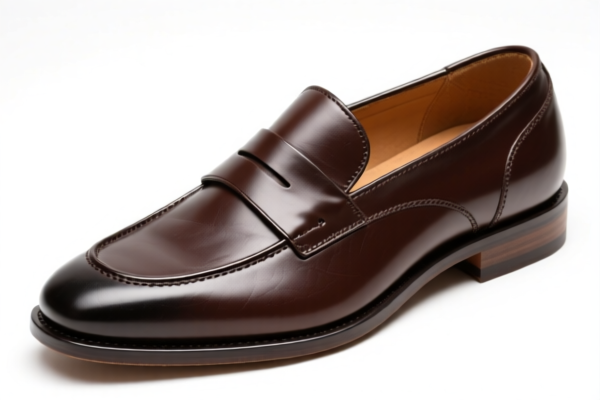
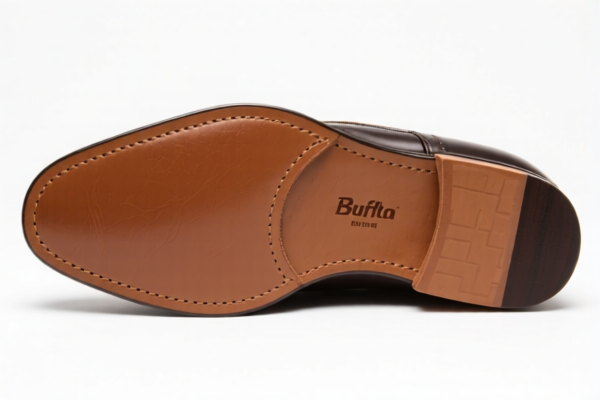


AI Analysis
🥾 Buffalo Leather Shoe Sole: The Ultimate 2026 HS Code & Tariff Guide
🌐 HS Code Classification & Customs Strategy | 2026 Tariff Breakdown | Professional Entry Guide
📌 Product Focus: Unfinished Tanned Buffalo Leather for Shoe Soles
Buffalo Leather Shoe Soles are durable, thick hides specifically tanned (often vegetable-tanned) for use as the foundational layer of footwear. In international trade, they are classified under Chapter 41 (Raw Hides and Skins) rather than Chapter 64 (Footwear), as they are treated as materials/components rather than finished goods.
⚠️ Critical Distinction:
- Finished Leather (Sole Pieces, "Shoe Sole Leather"): Ready to be cut and stitched into shoes → HS Code 4104/4107.
- Raw/Split Hides: Not yet tanned or processed → Different classification.
- Finished Shoes: The final product → Chapter 64.
This guide focuses exclusively on the "Sole Leather" (The raw material component).
📦 II. HS Code Classification Breakdown (2026 Tariff Reference)
The Buffalo Leather Shoe Sole falls primarily under Heading 4104 (Tanned or Crust Leather) or Heading 4107 (Sole Leather). The specific code depends on whether it is processed specifically for soles or is a broader category of tanned leather.
| HS Code | Product Description (Summary) | Material | Specific Use | Tax Rate (Total) |
|---|---|---|---|---|
| 4104.11.40.60 | Buffalo Leather Sole, Tanned | Horse/Buffalo Skin | Direct Sole Usage | 15.0% |
| 4107.11.60.60 | Buffalo Leather Sole, Sole Leather | Horse/Buffalo Skin | Sole Leather Material | 13.3% |
| 4107.12.60.60 | Buffalo Leather Sole, Sole Leather | Horse/Buffalo Skin | Sole Leather Material | 13.3% |
🔍 Key Insight:
- 4104.11.40.60: Applies to tanned leather where the primary description highlights "Shoe Sole" usage (often thicker, stiffer).
- 4107.11/12.60.60: Specifically targets "Sole Leather" (a specific sub-classification of leather processed for durability and water resistance). The 4107 codes typically offer a slightly lower base tariff (3.3%) compared to 4104 (5.0%).
💰 III. 2026 Tariff Structure Deep Dive (Including Add-Ons)
✅ Applicable Jurisdiction: General Trade (China/US Context implied by "122 Clause")
✅ Origin: Likely China or ASEAN (Standard Export Context)
✅ Status: 2026 Active Tariff Rates
🎯 1. Code: 4104.11.40.60 (Buffalo Leather Sole - General Tanned)
| Tariff Component | Rate | Legal Basis & Details |
|---|---|---|
| Base Duty (MFN) | 5.0% | Standard Most-Favored-Nation tariff for Tanned Leather. |
| Additional Duty | 0.0% | No specific countervailing or anti-dumping duty applied. |
| "122 Clause" Duty | +10.0% | Special Additional Tariff (Often applied to specific leather goods in trade agreements). |
| Total Duty | 15.0% | Sum of all above. |
| Tax Calculation | CIF Value × 15.0% |
📌 Explanation:
- The 122 Clause Tariff (10%) is a critical, non-negotiable add-on for this specific classification in many trade routes. It significantly impacts the landed cost. - This code is for leather that is tanned but not strictly classified under the "Sole Leather" (4107) sub-headings, resulting in a higher base rate.
🎯 2. Code: 4107.11.60.60 & 4107.12.60.60 (Sole Leather - Specific)
| Tariff Component | Rate | Legal Basis & Details |
|---|---|---|
| Base Duty (MFN) | 3.3% | Lower base rate specifically for "Sole Leather" due to its specialized industrial use. |
| Additional Duty | 0.0% | No additional anti-dumping or countervailing duties. |
| "122 Clause" Duty | +10.0% | Mandatory 122 Clause Tariff applies to all sole leather products in this category. |
| Total Duty | 13.3% | Sum of all above. |
| Tax Calculation | CIF Value × 13.3% |
📌 Explanation:
- Savings Potential: By correctly classifying as 4107 (Sole Leather) instead of 4104 (General Tanned), you save 1.7% in total tax (15.0% vs 13.3%). - The 122 Clause (10%) remains constant, meaning the savings come from the Base Duty reduction (5.0% → 3.3%).
🛠️ IV. Customs Clearance Strategy & Practical Advice
✅ 1. Documentation Checklist (Must-Have)
| Document | Requirement | Why It Matters |
|---|---|---|
| ✅ Commercial Invoice | Must state "Buffalo Leather Shoe Sole" clearly. | Vague terms like "Leather" may trigger audits or incorrect code usage. |
| ✅ Technical Data Sheet | Thickness, Tanning Method (Veg-tanned vs. Chrome), Grain Type. | Proves it meets "Sole Leather" standards for 4107 classification. |
| ✅ Packing List | Must match invoice weight/volume. | Critical for calculating CIF value. |
| ✅ Certificate of Origin | Essential for verifying "122 Clause" applicability. | If origin differs, the 10% surcharge might be waived or changed. |
| ✅ Tanning Process Report | Proof of tanning agent used. | Helps distinguish between 4104 (Chrome) and 4107 (Vegetable/Sole). |
✅ 2. Declaration Tips (The "Golden Rules")
🔥 Rule #1: Specificity is King
Do NOT declare as "Leather" or "Raw Hides".
DO declare: "Buffalo Leather, Sole Grade, Tanned, Thickness X mm"
Why? This triggers the specific 4107 sub-headings for "Sole Leather" to minimize base tax.🔥 Rule #2: Verify the "122 Clause"
The 10% surcharge is specific. Ensure your supplier's country of origin and the trade agreement status match the 122 clause requirements. If the goods are from a country with a Free Trade Agreement (FTA) that exempts this, you may claim a reduction.🔥 Rule #3: Weight & Thickness Verification
Sole leather is defined by density and thickness. If the thickness is too thin, Customs may reclassify it as "Upper Leather" (4106), which has different tax rules. Ensure physical specs match the HS description.
✅ 3. Common Pitfalls & Avoidance
| ❌ Mistake | ⚠️ Consequence | 💡 Solution |
|---|---|---|
| Declaring as "Raw Leather" (4104 without specific tanning proof) | Risk of Rejection or High Penalty | Provide Tanning Certificate immediately. |
| Mixing "Upper Leather" with "Sole Leather" in one container | Split Assessment: Higher tax on the mix-up | Separate shipments for 4104 (Upper) and 4107 (Sole). |
| Ignoring the "122 Clause" (10%) | Unexpected Cost at destination | Pre-calculate 10% into your CIF cost model. |
| Vague description: "Leather for Shoes" | Customs Audit: Manual inspection delays | Use precise terms: "Buffalo Leather, Sole Grade". |
🌍 V. Quick Reference: Tax Comparison
| Classification | HS Code | Base Tax | 122 Clause | Total Tax | Best For |
|---|---|---|---|---|---|
| General Tanned | 4104.11.40.60 | 5.0% | 10% | 15.0% | Broader tanned leather, less specific sole specs. |
| Sole Leather | 4107.11.60.60 | 3.3% | 10% | 13.3% | Optimal: Specifically tanned for soles. |
| Sole Leather | 4107.12.60.60 | 3.3% | 10% | 13.3% | Optimal: Alternative sole leather grade. |
📌 Strategic Takeaway:
If your product is strictly Buffalo Leather for Shoe Soles, always aim for 4107.11/12 classification. The 1.7% savings per shipment adds up significantly over volume, while the 122 Clause (10%) is unavoidable unless origin exemptions apply.
🎯 VI. Final Conclusion: Maximize Profit, Minimize Risk
🚀 Action Plan:
1. Verify Specs: Confirm thickness and tanning method to qualify for 4107.
2. Declare Precisely: Use "Buffalo Leather, Sole Grade" to avoid reclassification.
3. Budget for 122 Clause: Assume 10% additional tax in your cost model.
4. Prepare Docs: Have tanning certificates ready to prove "Sole Leather" status.📣 Pro Tip:
If you are importing in large volumes, consider applying for a Binding Tariff Information (BTI) ruling to lock in the 4107 classification and avoid future disputes over the "122 Clause" applicability.
✨ Precision in Classification = Profit in Your Pocket
💼 Your Leather Imports, Optimized for 2026!
Customer Reviews
About HS Code Classification
The Harmonized System (HS) is an internationally standardized nomenclature developed by the World Customs Organization (WCO) to classify traded products. Over 200 countries use the HS system as the basis for customs tariffs, trade statistics, and import/export regulations.
Each HS code follows a hierarchical structure:
- Chapter (2 digits) — Broad category of goods (e.g., Chapter 84: Machinery and Mechanical Appliances)
- Heading (4 digits) — More specific grouping within the chapter
- Subheading (6 digits) — Internationally standardized breakdown, used by all WCO member countries
- National subdivisions (8-10 digits) — Country-specific extensions for further classification, such as US HTSUS 10-digit codes
Correct HS code classification is essential for smooth customs clearance, accurate duty payment, and compliance with trade regulations. Misclassification can lead to customs delays, overpayment of duties, or penalties.
When importing from CN to US, the applicable tariff rates may include:
- Most-Favored-Nation (MFN) rate — The standard duty rate applied to WTO members
- General rate — Applied to countries without trade agreements
- Trade remedy duties — Additional tariffs such as Section 301 (anti-dumping), Section 232 (national security), or countervailing duties
The information provided on this page is for reference purposes only. For official classification, please consult with your local customs authority or a licensed customs broker.