Buffalo Leather Texture Board for Marine Interior
CN → US| HS Code | Tariff Rate | Origin | Destination | Doc |
|---|---|---|---|---|
| 4107125000 | 12.8% | CN | US | Official Doc |
| 4107125000 | 12.8% | CN | US | Official Doc |
| 4107925000 | 12.8% | CN | US | Official Doc |
| 4107925000 | 12.8% | CN | US | Official Doc |
| 4107994000 | 12.5% | CN | US | Official Doc |
Product Images

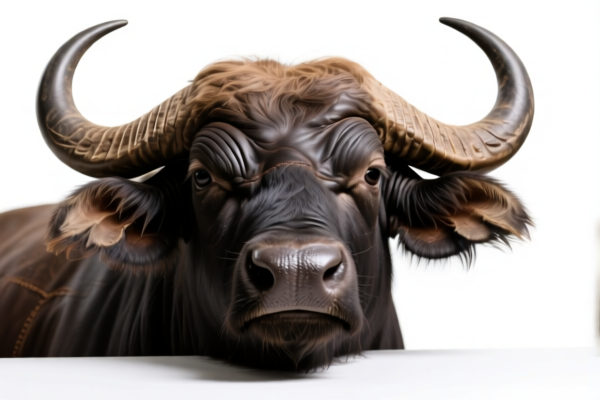
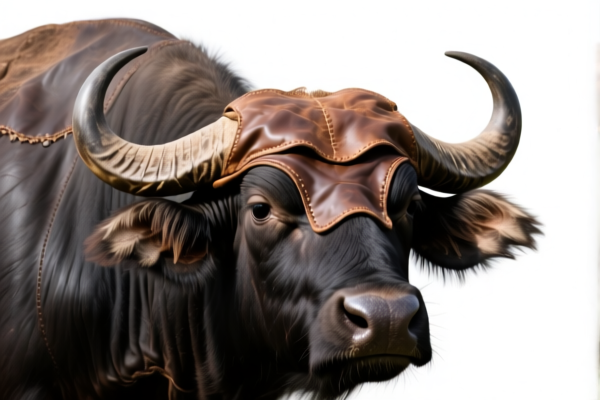
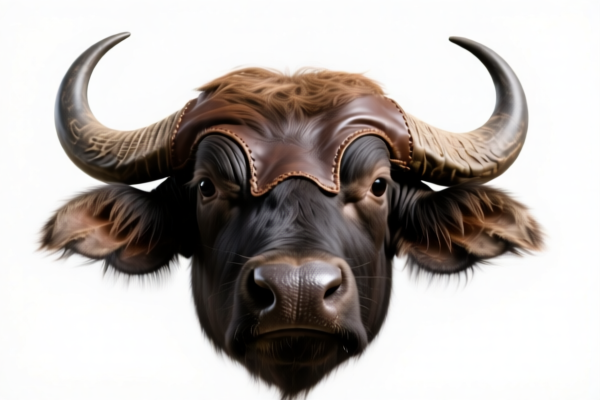
AI Analysis
🐃 Buffalo Leather Texture Board for Marine Interior (Marine Grade Decorative Leather)
🌐 HS Code Reference & Customs Clearance Guide | 2026 Latest Tariff Analysis | Professional Level Strategy
📌 I. Product Definition & Classification: Do You Truly Understand "Buffalo Leather Board"?
Buffalo Leather Texture Board, designed specifically for Marine Interior Decorations, is a high-end decorative material. In international trade, it falls under the category of Leather Apparel, Leather Goods, and Saddlery/Harnesses, specifically within the sub-category of Tanned Leather of Bovine Animals.
Key Characteristics: * Material: Buffalo Leather (Bovine). * Processing Form: Leather Boards/Splits (Processed, split, or layered forms). * Usage: Marine Interior Decoration (Luxury yachts, boats, marine fixtures).
⚠️ Critical Distinction:
- If the leather is in the form of solid boards/panels (not raw skins or hides), it is classified under "Leather Boards" or "Split Leather".
- If it is unfinished or raw, it would fall under different headings (e.g., 4101/4102).
- Marine Use does not change the HS Code directly but confirms the "Decorative/Finished" nature, excluding raw industrial leather.
📦 II. HS Code Classification Details (Based on Provided Data)
| HS Code | Product Description | Application Scenario | Key Classification Logic |
|---|---|---|---|
4107.12.50.00 |
Tanned leather of bovine animals (including water buffalo), with natural grain, split, in board form | Luxury marine interiors, yacht upholstery | ✅ Water Buffalo + Grain Side + Board Form |
4107.92.50.00 |
Tanned leather of bovine animals, other, split, in board form | Marine decoration, alternative bovine leathers | ✅ Bovine/Water Buffalo + Other Processing + Board Form |
4107.99.40.00 |
Tanned leather of bovine animals, other, other processing, in board form | Specialized processed leather boards for marine use | ✅ Bovine + Other Processing + Other Sub-category |
🔍 Key Takeaway:
All three HS codes share the same Core Logic:
1. Origin/Material: Buffalo/Cow (Bovine).
2. Form: Leather Board/Split (Not raw hide).
3. End Use: Decorative (Marine Interior).
💰 III. 2026 Latest Tariff Rate Breakdown (Detailed Policy Analysis)
✅ Applicable Region: China Export (Assumed based on "122-Clause" reference)
✅ Product: Buffalo Leather Board for Marine Interior
✅ Effective Time: Current Tariff Structure
🎯 1. 4107.12.50.00 & 4107.92.50.00
Tariff Rate: 12.8%
| Item | Content |
|---|---|
| Basic Tariff (MFN) | 2.8% |
| Additional Tariff (Section 301/Trade War) | 0.0% |
| "122-Clause" Tariff (Retaliatory/Specific Policy) | +10.0% |
| Total Tariff Rate | 12.8% |
| Tax Calculation | CIF Value × 12.8% |
| Legal Basis | HS:4107.12.50.00 / HS:4107.92.50.00 → Policy:122-Clause |
📌 Explanation:
- The Basic Tariff is low (2.8%) for processed leather.
- The 122-Clause Tariff adds a significant 10%, likely due to specific trade agreements or retaliatory measures on certain bovine leather products.
- No Section 301 Tariff is applied to these specific sub-codes in this dataset.
🎯 2. 4107.99.40.00
Tariff Rate: 12.5%
| Item | Content |
|---|---|
| Basic Tariff (MFN) | 2.5% |
| Additional Tariff (Section 301/Trade War) | 0.0% |
| "122-Clause" Tariff (Retaliatory/Specific Policy) | +10.0% |
| Total Tariff Rate | 12.5% |
| Tax Calculation | CIF Value × 12.5% |
| Legal Basis | HS:4107.99.40.00 → Policy:122-Clause |
📌 Note:
- This code has a slightly lower Basic Tariff (2.5% vs 2.8%), but still incurs the 10% 122-Clause tariff.
- The difference is minimal (0.3%), so accurate classification between4107.12.50.00,4107.92.50.00, and4107.99.40.00depends on specific processing methods (e.g., chrome-tanned vs. vegetable-tanned, split vs. full grain).
🛠️ IV. Customs Clearance Practical Advice (Avoid Pitfalls)
✅ 1. Essential Documentation Checklist
| Document | Required | Notes |
|---|---|---|
| Product Specification Sheet | ✔️ | Must specify: "Buffalo Leather", "Board/Split Form", "Marine Interior Use". |
| Processing Description | ✔️ | Clearly state: "Tanned", "Split", "Dyed", "Textured". Avoid vague terms like "Leather Product". |
| Commercial Invoice | ✔️ | Item name: "Buffalo Leather Board for Marine Interior", HS Code, Unit Price. |
| Packing List | ✔️ | Include dimensions, weight, and number of rolls/sheets. |
| Certificate of Origin | ✔️ | If applicable for tariff preferences. |
| Material Safety Data Sheet (MSDS) | ⚠️ Optional | If treated with chemicals for marine compliance, may be required. |
⚠️ Critical Warning:
- Do NOT describe as "Raw Hide" or "Unprocessed Skin". This will lead to classification errors and higher tariffs.
- DO emphasize "Board Form" or "Split Leather" to justify HS Code4107.xx.xx.00.
✅ 2. Declaration Tips (Key Mnemonic)
🔥 "Specify Bovine, Confirm Split, Highlight Board, Declare Marine Use!"
| Scenario | Correct Declaration | Wrong Practice |
|---|---|---|
| Buffalo Leather, Split, Board | 4107.12.50.00 |
Generic "Leather" → Risk of reclassification |
| Other Bovine Leather, Board | 4107.99.40.00 |
Misclassifying as "Textile" or "Plastic" |
| Marine Grade Treatment | Mention in Description | Do NOT claim "Marine Grade" if not certified |
✅ 3. Special Case Handling
| Situation | Handling Advice |
|---|---|
| Mixed Materials | If the leather is laminated with fabric or foam, the principal material (leather) determines the HS Code. |
| Custom Colors/Textures | Provide color charts and texture samples to prove it is "Finished Leather" not "Raw Material". |
| Marine Certification | If claiming "Marine Grade", ensure you have IMO/FIRE certification documents to avoid delays. |
🌍 V. Global Market Comparison (2026)
| Country/Region | Recommended HS Code | Tariff Rate | Certification | Notes |
|---|---|---|---|---|
| 🇨🇳 China (Export) | 4107.12.50.00 / 4107.92.50.00 / 4107.99.40.00 |
12.8% / 12.8% / 12.5% | None | Includes 10% 122-Clause Tariff |
| 🇺🇸 USA | 4107.12.50.00 |
Varies (Check USITC) | No specific marine req. | US tariffs may differ significantly |
| 🇪🇺 EU | 4107.12.50.00 |
~5.5% | REACH Compliance | No 122-Clause Tariff |
| 🇦🇺 Australia | 4107.12.50.00 |
~5.0% | None | Free Trade Agreement may apply |
📌 Conclusion:
- China Export Tariff: The 12.8% (or 12.5%) is the key cost factor.
- International Buyers: Should verify if their country has Free Trade Agreements (FTA) that reduce this tariff.
📌 VI. Common Mistakes & Pitfalls (Lessons Learned)
❌ Mistake 1: Declaring as "Leather Shoes" or "Bags"
👉 Consequence: Wrong HS Code → Seizure or Fine!
❌ Mistake 2: Omitting "Board/Split" in Description
👉 Consequence: Customs may classify as "Raw Hides" → Different Tariff (often higher) → Delay.
❌ Mistake 3: Ignoring the "122-Clause Tariff"
👉 Consequence: Underpayment of 10% → Back Taxes + Penalties.
❌ Mistake 4: Using Vague Terms like "Genuine Leather"
👉 Consequence: Customs requires detailed breakdown → Demurrage Costs.
✅ Correct Practice:
"Buffalo Leather Board, Tanned, Split, Textured, for Marine Interior Decoration, HS: 4107.12.50.00"
🎯 VII. Conclusion: Precision in Classification Saves Money!
🎯 Remember the Rules:
🔹 "Bovine Material + Board Form = HS 4107"
🔹 "122-Clause Tariff = +10%"
🔹 "Total Tariff = 12.8% (Most Cases)"
🔹 "Clear Description = Smooth Clearance!"
📌 Pro Tip:
If you are exporting to non-China markets, check for FTA benefits.
For marine interiors, ensure fire-retardant or mold-resistant certifications are included in the documentation to meet IMO/Class Society requirements.
📣 Immediate Action:
📞 Verify HS Code with your customs broker.
📄 Prepare Detailed Product Specs emphasizing "Board Form" and "Buffalo Material".
🚀 Ensure Accurate Declaration to avoid the 12.8% pitfall and ensure smooth marine interior shipments!
✨ Professional Classification, Start with Precision!
💼 Every Dollar Saved on Tariffs is Pure Profit!
Customer Reviews
About HS Code Classification
The Harmonized System (HS) is an internationally standardized nomenclature developed by the World Customs Organization (WCO) to classify traded products. Over 200 countries use the HS system as the basis for customs tariffs, trade statistics, and import/export regulations.
Each HS code follows a hierarchical structure:
- Chapter (2 digits) — Broad category of goods (e.g., Chapter 84: Machinery and Mechanical Appliances)
- Heading (4 digits) — More specific grouping within the chapter
- Subheading (6 digits) — Internationally standardized breakdown, used by all WCO member countries
- National subdivisions (8-10 digits) — Country-specific extensions for further classification, such as US HTSUS 10-digit codes
Correct HS code classification is essential for smooth customs clearance, accurate duty payment, and compliance with trade regulations. Misclassification can lead to customs delays, overpayment of duties, or penalties.
When importing from CN to US, the applicable tariff rates may include:
- Most-Favored-Nation (MFN) rate — The standard duty rate applied to WTO members
- General rate — Applied to countries without trade agreements
- Trade remedy duties — Additional tariffs such as Section 301 (anti-dumping), Section 232 (national security), or countervailing duties
The information provided on this page is for reference purposes only. For official classification, please consult with your local customs authority or a licensed customs broker.