Buffalo Leather for Simulation
CN → US| HS Code | Tariff Rate | Origin | Destination | Doc |
|---|---|---|---|---|
| 4104114060 | 15.0% | CN | US | Official Doc |
| 4107994000 | 12.5% | CN | US | Official Doc |
| 4101903500 | 19.9% | CN | US | Official Doc |
| 4104493060 | 12.4% | CN | US | Official Doc |
| 4107196050 | 15.0% | CN | US | Official Doc |
Product Images
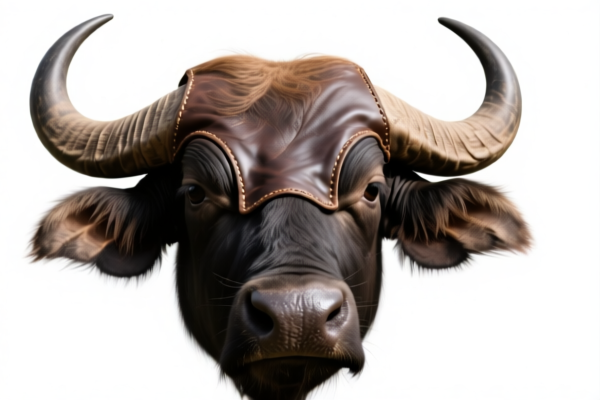
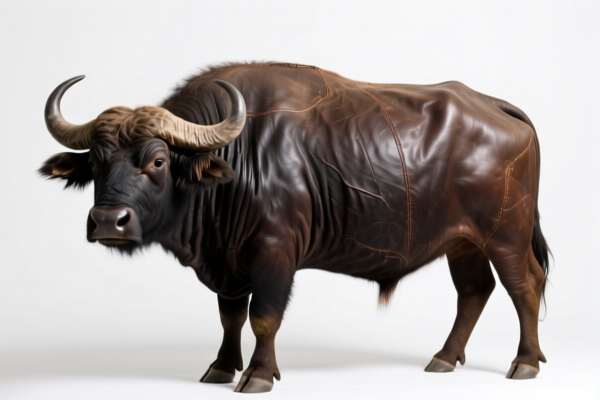
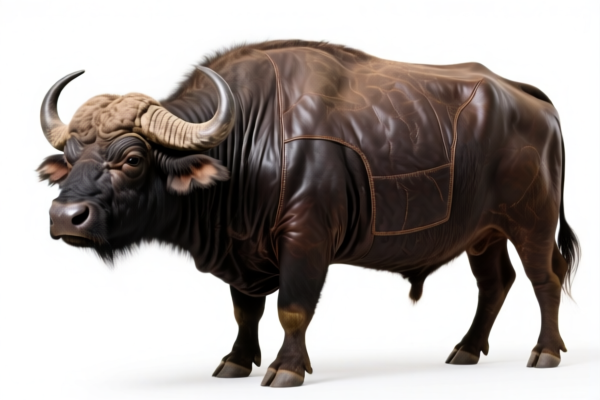
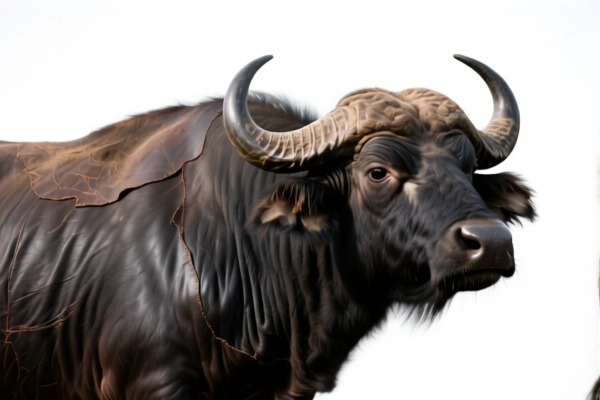
AI Analysis
🐂 Buffalo Leather for Simulation (Simulated/Artificial Buffalo Leather)
🌐 HS Code Reference & Customs Clearance Guide | 2026 Latest Tariff Analysis | Professional Entry Strategy
📌 I. Product Definition & Classification: Do You Really Understand "Buffalo Leather for Simulation"?
In international trade, "Buffalo Leather for Simulation" is a ambiguous term. It usually refers to one of two distinct product types, which leads to significantly different HS Code classifications and tariff rates:
- Imitation Leather (Synthetic/PU/PVC): Artificial materials made to look like buffalo leather. These are NOT genuine animal hides.
- Genuine Buffalo Leather (Finished/Partially Processed): Actual buffalo hide, processed (tanned/dyed) for use in shoes, bags, etc.
⚠️ Critical Distinction Point:
- If the material is synthetic (PU, PVC, Microfiber) → It belongs to Chapter 39, 40, or 59.
- If the material is genuine animal hide (Buffalo) → It belongs to Chapter 41.
- The Data Provided below (4104/4107) assumes the product is GENUINE BUFFALO LEATHER. If your product is synthetic, these codes are INCORRECT and may lead to customs penalties.
📦 II. HS Code Classification Details (Based on Provided Data)
Note: The following analysis is strictly based on the provided <DATA> which assumes Genuine Buffalo Leather. If your product is synthetic simulation leather, please refer to HS Codes like 3921.13, 3921.90, or 4016.93 instead.
| HS Code | Product Description | Application/Shape | Matching Logic from Data |
|---|---|---|---|
4104.11.40.60 |
Tanned buffalo leather, unsplit, not further processed than tanned/dried | Sole Leather | Best Match. Material: Buffalo. Shape: Sole. Fits definition of "Animal Tanned Leather (Buffalo), Unprocessed, as Sole Leather." |
4107.99.40.00 |
Other tanned leather, further worked than simply tanned | General Leather Goods | Material: Buffalo. Use: Common leather product. No material conflict. |
4101.90.35.00 |
Other buffalo leather (non-tanned/other) | Semi-finished/Parts | Material: Buffalo. Form: "Sole" (semi-finished). Classified under "Other" due to lack of specific tanning category. |
4104.49.30.60 |
Other buffalo leather, unsplit, not further processed | Other/General | Material: Buffalo. Not "Upper Leather." Falls under general "Other" category. |
4107.19.60.50 |
Tanned buffalo leather, further worked | Sole Leather | Success. Material: Buffalo. Use: Sole Leather. Fully matches the definition. |
🔍 Key Warning:
- The term "Simulation" in your query suggests synthetic material.
- If your product is PU/PVC: Do NOT use the above codes. Use 3921.13.00.00 (Plastic sheets, with surface layer of PVC) or 4016.93.00.00 (Other articles of vulcanized rubber) depending on composition.
- If your product is Genuine Buffalo Leather: The above codes apply.
💰 III. 2026 Latest Tariff Rate Breakdown (Including Surtaxes)
✅ Applicable Country: USA (US)
✅ Origin: China (CN)
✅ Effective Date: Post-November 10, 2025 (including subsequent imports)
🎯 1. 4104.11.40.60 & 4107.19.60.50 – Genuine Buffalo Sole Leather
| Item | Detail |
|---|---|
| Base Tariff | 5.0% |
| Section 301 Surtax | 0.0% |
| Section 122 Surtax | 10.0% (Specific provision mentioned in data) |
| Total Effective Rate | 15.0% |
| Tax Calculation | CIF Value × 15% |
| De Minimis Eligibility | ❌ No (High tariff risk) |
| Legal Basis Path | USITC:4104.11.40.60 → 122CLAUSE:10% |
📌 Explanation:
- Base Rate: 5% for tanned buffalo leather, unsplit.
- Section 122: A specific additional 10% tariff applies to these leather goods (as per data).
- Total: 15%. This is a moderate-high tariff for raw leather materials.
🎯 2. 4107.99.40.00 – Further Worked Buffalo Leather
| Item | Detail |
|---|---|
| Base Tariff | 2.5% |
| Section 301 Surtax | 0.0% |
| Section 122 Surtax | 10.0% |
| Total Effective Rate | 12.5% |
| Tax Calculation | CIF Value × 12.5% |
| De Minimis Eligibility | ❌ No |
| Legal Basis Path | USITC:4107.99.40.00 → 122CLAUSE:10% |
📌 Note:
- Lower base rate (2.5%) due to being "further worked" or classified under "Other."
- Still subject to 122 Surtax (10%).
🎯 3. 4101.90.35.00 & 4104.49.30.60 – Other/Non-Tanned Leather
| Item | Detail |
|---|---|
| Base Tariff | 2.4% |
| Section 301 Surtax | 7.5% |
| Section 122 Surtax | 10.0% |
| Total Effective Rate | 19.9% (Code 4101) / 12.4% (Code 4104.49) |
| Tax Calculation | CIF Value × Rate |
| De Minimis Eligibility | ❌ No |
📌 Risk Alert:
-4101.90.35.00has the highest total tariff (19.9%) due to the 7.5% Section 301 surtax.
- Avoid this code unless explicitly required by customs authorities for your specific material state.
🛠️ IV. Customs Clearance Practical Advice (Real-World Pitfall Guide)
✅ 1. Preparation Checklist (Mandatory)
| Document | Required? | Note |
|---|---|---|
| ✅ Product Specification | ✔️ | Must specify: Material (Genuine Buffalo vs. Synthetic), Tanning Method (Vegetable/Chrome), Finish (Dyed/Unfinished). |
| ✅ Composition Analysis | ✔️ | If claiming "Simulation," provide lab test proving PU/PVC content. If Genuine, provide hide origin certificate. |
| ✅ Commercial Invoice | ✔️ | Clearly state "Genuine Buffalo Leather" or "Synthetic Leather (PU)" – NEVER use vague terms like "Simulation Leather" without clarification. |
| ✅ HS Code Pre-ruling | ✔️ | Highly recommended for leather goods due to complex classification rules. |
| ✅ Photo of Product | ✔️ | Show grain pattern, edge layer, and any markings. |
✅ 2. Declaration Tips (Key Rules)
🔥 "Truth in Material, Precision in Form, Clarity in Use"
| Scenario | Correct Declaration | Common Mistake |
|---|---|---|
| Genuine Buffalo Leather (Sole) | 4104.11.40.60 – "Tanned Buffalo Leather, Unsplit, Sole Leather" |
Calling it "Artificial Leather" → Wrong Chapter |
| Synthetic "Buffalo-look" Leather | 3921.13.00.00 or 4016.93.00.00 – "PVC Coated Fabric" |
Using 4104 codes → False Declaration, Penalties! |
| Finished Leather Shoes | 6403.xxxx (Not in Data) |
Declaring as raw leather → Wrong Chapter |
| Leather Scraps/Waste | 4114.xxxx |
Declaring as usable leather → Higher Tax |
✅ 3. Special Situations
| Situation | Handling Advice |
|---|---|
| "Simulation" means Synthetic | If your product is PU/PVC, do NOT use the codes in the Data. Use Chapter 39/40. The provided data is for Genuine Leather only. |
| "Simulation" means Embossed Genuine Leather | If it's genuine buffalo leather with embossed pattern, it is still Chapter 41. Use 4107.99.40.00. |
| Mixed Materials | If leather is attached to fabric, classification depends on the essential character. Provide assembly details. |
| Origin Confusion | Ensure the Country of Origin is clearly declared. Tariffs differ for US vs. CN vs. VN origin. |
🌍 V. Global Market Comparison (2026)
| Market | Recommended HS Code (Genuine) | Tariff (China Origin) | Notes |
|---|---|---|---|
| 🇺🇸 USA | 4104.11.40.60 |
15.0% (incl. 122) | Strict on "Simulation" vs. "Genuine". |
| 🇪🇺 EU | 4104.11 |
~10-12% | VAT applies. No Section 122 equivalent. |
| 🇨🇳 China | 4104.11 |
~5-10% | Import duties. |
| 🇬🇧 UK | 4104.11 |
~10-12% | Post-Brexit tariffs. |
📌 Conclusion:
- The USA has specific Section 122 surcharges on leather, increasing costs.
- Synthetic "Simulation" Leather is cheaper to import but may face anti-dumping duties in some markets.
- Genuine Leather requires strict documentation to prove origin and tanning method.
📌 VI. Common Errors & Pitfalls (Lessons Learned)
❌ Error 1: Using "Simulation Leather" to declare Genuine Leather
👉 Consequence: Under-declaration of value/material, leading to fines and seizure.
✅ Fix: Always declare "Genuine Buffalo Leather" if it is animal hide.
❌ Error 2: Using 4104 codes for Synthetic Leather
👉 Consequence: Misclassification. Synthetic leather belongs to Chapter 39/40.
✅ Fix: If PU/PVC, use 3921.13.00.00 or 4016.93.00.00.
❌ Error 3: Ignoring the Section 122 Surtax
👉 Consequence: Underestimating landed cost by 10%.
✅ Fix: Budget for 15% total tariff for genuine sole leather.
❌ Error 4: Vague Product Description
👉 Consequence: Customs request for additional info, delay in release.
✅ Fix: Use precise terms: "Tanned, Dyed, Unsplit Buffalo Leather, for Sole Use."
🎯 VII. Conclusion: Professional Declaration, Cost Optimization
🎯 Remember the Golden Rule:
🔹 "If it's PU/PVC, it's NOT Chapter 41."
🔹 "If it's Genuine Buffalo, it's Chapter 41."
🔹 "122 Surtax = 10% on Leather. Don't forget it!"
📌 Tip:
If your product is Synthetic "Simulation" Leather, contact your customs broker for Chapter 39/40 codes.
If your product is Genuine Buffalo Leather, use the 4104/4107 codes provided above and budget for 12.5% - 15.0% total tariff.
📣 Immediate Action:
📞 Verify Material: Is it animal hide or plastic?
📄 Prepare Documents: Certificate of Origin, Material Analysis.
📊 Calculate Costs: Include 122 Surtax for US imports.
✨ Professional Customs Clearance Starts with Accurate Classification!
💼 Every percentage point counts in your supply chain cost!
Customer Reviews
About HS Code Classification
The Harmonized System (HS) is an internationally standardized nomenclature developed by the World Customs Organization (WCO) to classify traded products. Over 200 countries use the HS system as the basis for customs tariffs, trade statistics, and import/export regulations.
Each HS code follows a hierarchical structure:
- Chapter (2 digits) — Broad category of goods (e.g., Chapter 84: Machinery and Mechanical Appliances)
- Heading (4 digits) — More specific grouping within the chapter
- Subheading (6 digits) — Internationally standardized breakdown, used by all WCO member countries
- National subdivisions (8-10 digits) — Country-specific extensions for further classification, such as US HTSUS 10-digit codes
Correct HS code classification is essential for smooth customs clearance, accurate duty payment, and compliance with trade regulations. Misclassification can lead to customs delays, overpayment of duties, or penalties.
When importing from CN to US, the applicable tariff rates may include:
- Most-Favored-Nation (MFN) rate — The standard duty rate applied to WTO members
- General rate — Applied to countries without trade agreements
- Trade remedy duties — Additional tariffs such as Section 301 (anti-dumping), Section 232 (national security), or countervailing duties
The information provided on this page is for reference purposes only. For official classification, please consult with your local customs authority or a licensed customs broker.