Buffalo Pattern Phone Case Material
CN → US| HS Code | Tariff Rate | Origin | Destination | Doc |
|---|---|---|---|---|
| 3926904000 | 12.8% | CN | US | Official Doc |
| 3926903300 | 16.5% | CN | US | Official Doc |
| 9017900160 | 0.0% | CN | US | Official Doc |
| 9017900105 | 0.0% | CN | US | Official Doc |
| 4202321000 | 0.0% | CN | US | Official Doc |
| 4202328000 | 40.7% | CN | US | Official Doc |
Product Images
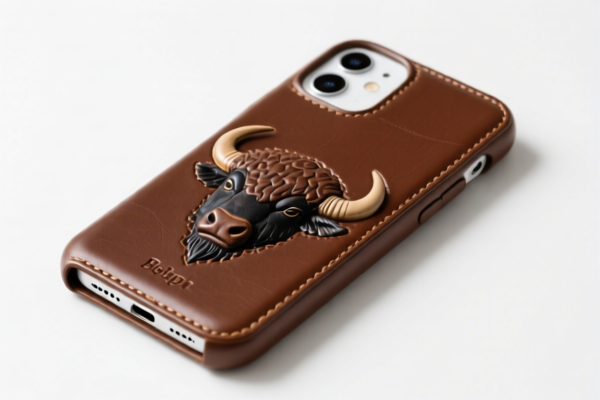
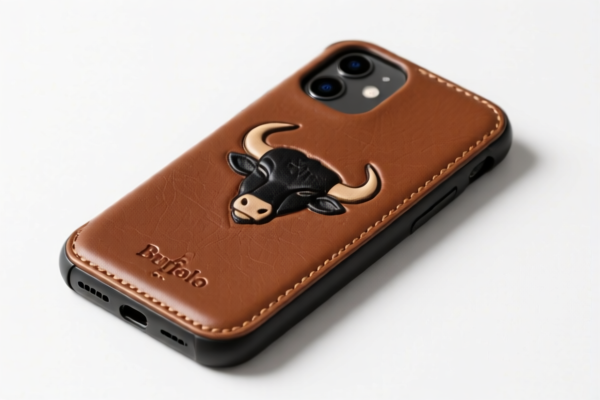
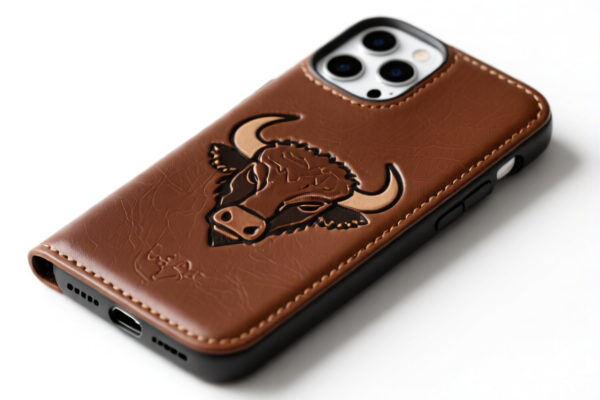
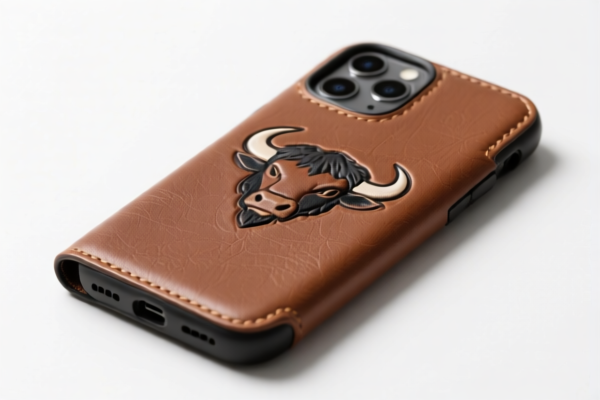
AI Analysis
Based on the DATA provided, we must analyze the product "Buffalo Pattern Phone Case Material" to determine its correct classification and tax implications.
⚠️ Critical Analysis of the Input Data
The provided DATA contains 6 HS Codes. However, none of them explicitly describe a "Phone Case" in the traditional sense of a hard/soft protective shell for a smartphone (which would typically fall under Chapter 42 as an accessory of a kind normally carried in the pocket).
Let's look at what is available in the data:
9017.90.01.60&9017.90.01.05: Instruments for measuring length / Parts and accessories.- ❌ Not applicable. Phone cases are not measuring instruments.
3926.90.40.00: Imitation gemstones.- ❌ Not applicable. Unless the phone case is made entirely of imitation gemstones (unlikely), this is incorrect.
3926.90.33.00: Beads, bugles, spangles... Handbags.- ❌ Not applicable. A phone case is not a handbag.
4202.32.10.00: Wallets, purses... of a kind normally carried in the pocket or in the handbag... With outer surface of sheeting of plastics... Of reinforced or laminated plastics.- ⚠️ Plausible but narrow. This code covers "articles of a kind normally carried in the pocket." In many customs jurisdictions, hard plastic phone cases are sometimes classified here if they are considered "cases for small items" similar to wallet-style phone cases or if deemed accessories of plastics.
4202.32.80.00: Wallets, purses... of a kind normally carried in the pocket or in the handbag... With outer surface of textile materials... Other.- ⚠️ Plausible but narrow. This applies if the phone case is made of textile material (fabric, leather-like fabric) and is of a kind carried in the pocket.
📱 Product: Buffalo Pattern Phone Case (Material-Based Classification)
Since the user specified "Material", the classification depends entirely on the outer surface material of the phone case. "Buffalo Pattern" refers to the design/print, not the material.
We must split the analysis into two scenarios based on the DATA provided:
🧱 Scenario A: Hard Plastic / Laminated Plastic Phone Case
If the phone case is made of plastic (e.g., polycarbonate, TPU with plastic coating, reinforced plastic):
✅ Recommended HS Code: 4202.32.10.00
Description from DATA:
"Trunks, suitcases... of leather or of composition leather, of sheeting of plastics...: Articles of a kind normally carried in the pocket or in the handbag: With outer surface of sheeting of plastics or of textile materials: With outer surface of sheeting of plastics: Of reinforced or laminated plastics"
-
Why?
- It falls under Chapter 42 (Articles of leather; saddlery and harness; travel goods, handbags and similar containers).
- Subheading 4202.32 covers "Articles of a kind normally carried in the pocket or in the handbag."
- Many customs authorities classify rigid or semi-rigid plastic phone cases under this heading if they are considered "pocket items" similar to wallets or key cases.
- Material Match: "Outer surface of sheeting of plastics" + "Reinforced or laminated plastics" (if applicable).
-
💰 Tax Rate (from DATA):
- Basic Tariff: 0.0%
- Additional Tariff: 0.0%
- Total Tax: 0.0%
🧵 Scenario B: Fabric / Textile / Leather-like Phone Case
If the phone case is made of textile material (e.g., canvas, fabric, textile-based leather) or other non-plastic sheeting:
✅ Recommended HS Code: 4202.32.80.00
Description from DATA:
"Trunks, suitcases... of leather or of composition leather, of sheeting of plastics, of textile materials...: Articles of a kind normally carried in the pocket or in the handbag: With outer surface of sheeting of plastics or of textile materials: With outer surface of textile materials: Of vegetable fibers and not of pile or tufted construction: Other (871)"
-
Why?
- Falls under Chapter 42.
- Subheading 4202.32 covers "Articles of a kind normally carried in the pocket."
- Material Match: "Outer surface of textile materials."
- Note: The description specifies "Of vegetable fibers," which is a specific subset. If the textile is synthetic (e.g., polyester), customs may still accept 4202.32.80.00 as a "catch-all" for other textile pocket items, or it may require a different subheading not listed in the DATA. However, based strictly on the provided DATA, this is the closest match for textile-based pocket items.
-
💰 Tax Rate (from DATA):
- Basic Tariff: 0.0%
- Additional Tariff: 0.0%
- Total Tax: 0.0%
❌ Incorrect Classifications (Avoid These!)
| HS Code | Why It’s Wrong |
|---|---|
9017.90.01.60 |
This is for measuring instruments (calipers, micrometers). A phone case is not a measuring tool. |
3926.90.40.00 |
This is for imitation gemstones. A phone case is not jewelry. |
3926.90.33.00 |
This is for handbags (and beads/spangles). A phone case is not a handbag. |
🌐 Clearance Recommendations & Strategies
1. 🏷️ Proper Product Description for Customs
To ensure smooth clearance, do not just write "Phone Case." Use precise language that aligns with the HS Code.
- For Plastic Cases (4202.32.10.00):
> "Plastic Phone Case, Buffalo Pattern, Reinforced Polycarbonate, for Mobile Telephone, Article of a kind carried in the pocket" - For Textile Cases (4202.32.80.00):
> "Textile Fabric Phone Case, Buffalo Pattern, Woven Polyester, for Mobile Telephone, Article of a kind carried in the pocket"
2. 💡 Key Customs Insight
- Chapter 39 vs. Chapter 42:
- Some customs authorities may classify simple plastic phone cases under Chapter 39 (Plastics) if they are deemed "simple articles." However, Chapter 42 (Travel Goods/Accessories) is often preferred for items designed specifically to be carried in the pocket like wallets.
- The DATA provided does not list any Chapter 39 codes for phone cases (only imitation gems, beads, and handbags). Therefore, Chapter 42 is the only viable path within the given data.
- Tax Efficiency:
- Both recommended HS Codes (
4202.32.10.00and4202.32.80.00) have a 0.0% total tax rate. This is highly advantageous for importers.
- Both recommended HS Codes (
3. 📦 Documentation Tips
- Material Declaration: Clearly state the outer surface material (Plastic vs. Textile) on the commercial invoice. Misdeclaring a plastic case as textile (or vice versa) can lead to delays.
- Function Statement: Include "For Mobile Telephone" and "Designed to be carried in pocket" to justify Chapter 42 classification.
- Pattern Note: "Buffalo Pattern" is a decorative feature and does not affect the HS Code classification but should be included in the description for completeness.
🎯 Summary Table
| Product Type | HS Code | Tax Rate | Key Condition |
|---|---|---|---|
| Plastic Phone Case | 4202.32.10.00 |
0.0% | Outer surface: Plastic / Reinforced Plastic |
| Textile Phone Case | 4202.32.80.00 |
0.0% | Outer surface: Textile (Vegetable fibers preferred per description) |
✅ Final Advice:
Confirm the exact material of the "Buffalo Pattern Phone Case."
- If Plastic → Use4202.32.10.00
- If Textile → Use4202.32.80.00
Both offer 0% tax under the provided DATA.
Customer Reviews
About HS Code Classification
The Harmonized System (HS) is an internationally standardized nomenclature developed by the World Customs Organization (WCO) to classify traded products. Over 200 countries use the HS system as the basis for customs tariffs, trade statistics, and import/export regulations.
Each HS code follows a hierarchical structure:
- Chapter (2 digits) — Broad category of goods (e.g., Chapter 84: Machinery and Mechanical Appliances)
- Heading (4 digits) — More specific grouping within the chapter
- Subheading (6 digits) — Internationally standardized breakdown, used by all WCO member countries
- National subdivisions (8-10 digits) — Country-specific extensions for further classification, such as US HTSUS 10-digit codes
Correct HS code classification is essential for smooth customs clearance, accurate duty payment, and compliance with trade regulations. Misclassification can lead to customs delays, overpayment of duties, or penalties.
When importing from CN to US, the applicable tariff rates may include:
- Most-Favored-Nation (MFN) rate — The standard duty rate applied to WTO members
- General rate — Applied to countries without trade agreements
- Trade remedy duties — Additional tariffs such as Section 301 (anti-dumping), Section 232 (national security), or countervailing duties
The information provided on this page is for reference purposes only. For official classification, please consult with your local customs authority or a licensed customs broker.