Buffalo full grain hides, fancy leather
CN → US| HS Code | Tariff Rate | Origin | Destination | Doc |
|---|---|---|---|---|
| 4114100000 | 38.2% | CN | US | Official Doc |
| 4114207000 | 36.6% | CN | US | Official Doc |
| 4104113060 | 12.4% | CN | US | Official Doc |
| 4107114000 | 12.5% | CN | US | Official Doc |
| 4104413060 | 12.4% | CN | US | Official Doc |
Product Images
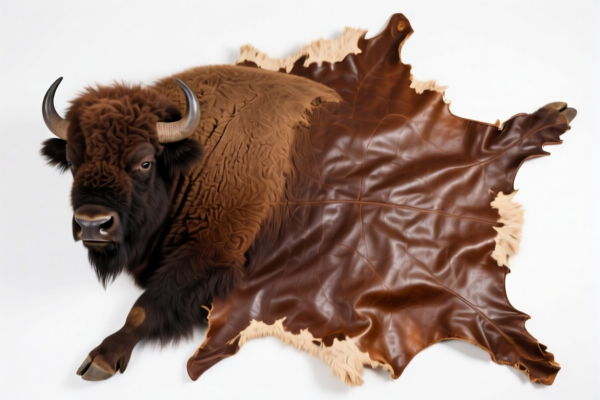
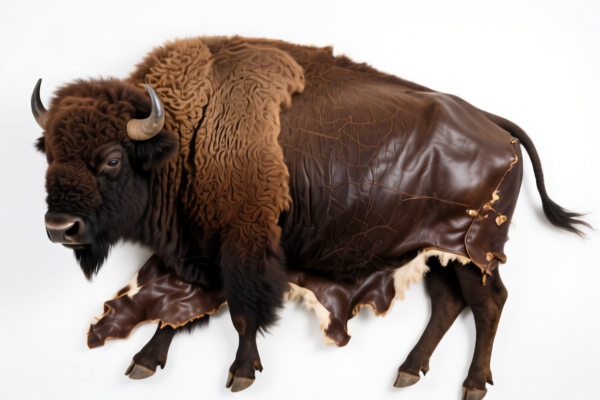
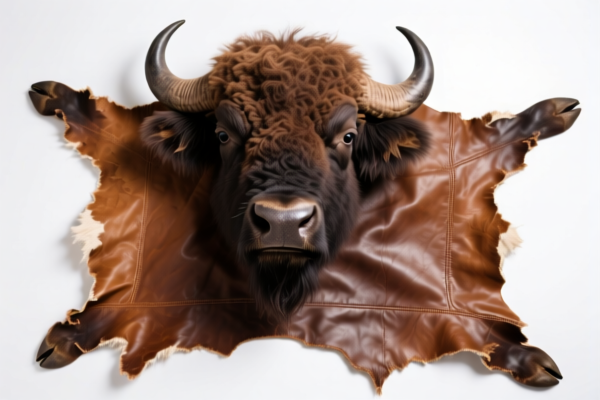
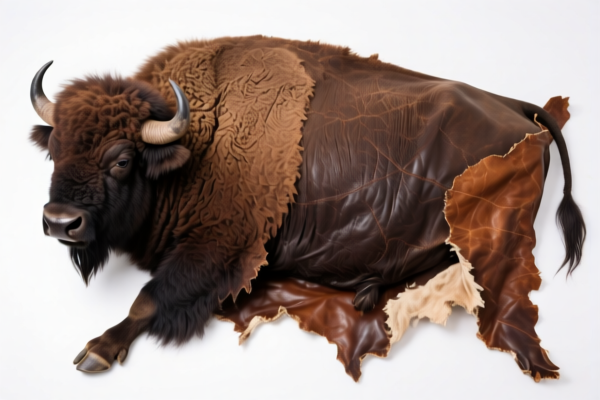
AI Analysis
🐃 Buffalo Full Grain Hides, Fancy Leather
🌐 HS Code Reference & Customs Clearance Guide | 2026 Latest Tariff Analysis | Professional Level Clearance Strategy
📌 I. Product Definition & Classification: What Exactly Are "Buffalo Full Grain Fancy Leather"?
Buffalo full grain hides, referred to as "fancy leather" in this context, represent high-quality raw materials primarily used for handicrafts and specialized leather goods. In international trade, the classification depends heavily on the degree of processing, surface finish (e.g., lacquered, metallic, or natural), and specific leather type.
Key Distinctions: - Unprocessed/Natural (Chapter 4104/4107): Hides that are merely tanned and dressed but lack specific surface coatings like lacquer or metal layers. - Fancy/Metallic/Lacquered (Chapter 4114): Hides with added surface treatments such as lacquer, metallic powder, or artificial coatings.
⚠️ Critical Classification Point:
- If the leather is fully processed with surface coatings (lacquer/metallic) →归入 4114.xx.xx (High Tariff Risk due to Section 301 & 122).
- If the leather is uncoated, natural full grain →归入 4104.xx.xx / 4107.xx.xx (Lower Base Tariff, but still subject to specific US import duties).
📦 II. HS Code Classification Details (2026 Latest Tariff Authority Comparison)
| HS Code | Product Description | Application Scenario | Surface Treatment |
|---|---|---|---|
4114.10.00.00 |
Buffalo full grain leather pieces, unhaired, for handicrafts, matching leather attributes | Handicrafts, high-end accessories | No specific coating mentioned, but grouped under "Fancy" or general leather categories in some contexts. |
4114.20.70.00 |
Buffalo full grain leather pieces, unhaired, for handicrafts, matching lacquered or metallized leather category | Handicrafts with lacquer or metallic finish | ✅ Lacquered/Metallic |
4104.11.30.60 |
Buffalo full grain leather pieces, unhaired, for handicrafts, fits unprocessed further form | Handicrafts, natural/uncoated | ❌ None/Natural |
4107.11.40.00 |
Buffalo full grain leather pieces, unhaired, for handicrafts, fully fits further processing classification | Handicrafts, fully processed/tanned | ⚠️ Tanned only |
4104.41.30.60 |
Buffalo full grain leather pieces, unhaired, for handicrafts, fits other buffalo leather definitions | Handicrafts, other buffalo leather types | ⚠️ Varies |
🔍 Key Reminder:
- Chapter 4114 (Codes starting with4114) is for "Fancy Leather" (lacquered, metallized, etc.). These are often subject to higher base tariffs and additional penalties.
- Chapter 4104/4107 (Codes starting with4104or4107) are for Tanned Leather. These generally have lower base tariffs but may still face Section 122 or China-specific add-ons.
💰 III. 2026 Latest Tariff Rate Breakdown (Including Surcharges & Policy Add-ons)
✅ Applicable Country: United States (US)
✅ Origin: China (CN)
✅ Effective Date: 2025 onwards (including subsequent imports)
🎯 1. 4114.10.00.00 —— Buffalo Full Grain Leather (General Fancy/Unspecified)
| Item | Content |
|---|---|
| Base Tariff | 3.2% (ad valorem) |
| Section 301 Surcharge | +25.0% (from USITC Footnote regarding Chinese goods) |
| Section 122 Tariff | +10.0% (Specific to certain leather categories under Section 122 of the Trade Act) |
| Total Tariff | 38.2% |
| Tax Calculation | CIF Value × 38.2% |
| De Minimis Eligibility | ❌ No (Deny de minimis for goods subject to Section 301/122) |
| Legal Path | USITC:4114.10.00.00 → Section 301: +25% → Section 122: +10% |
📌 Explanation:
- This classification is in Chapter 4114 ("Fancy leather"), which carries a higher base rate (3.2%) compared to natural tanned leather.
- Total 38.2% is significant. The 25% Section 301 and 10% Section 122 are additive.
- Risk: High likelihood of customs scrutiny due to "fancy" designation.
🎯 2. 4114.20.70.00 —— Lacquered or Metallized Leather
| Item | Content |
|---|---|
| Base Tariff | 1.6% (ad valorem) |
| Section 301 Surcharge | +25.0% |
| Section 122 Tariff | +10.0% |
| Total Tariff | 36.6% |
| Tax Calculation | CIF Value × 36.6% |
| De Minimis Eligibility | ❌ No |
| Legal Path | USITC:4114.20.70.00 → Section 301: +25% → Section 122: +10% |
📌 Note:
- Even though the base tariff is lower (1.6% vs 3.2%), the add-ons are the same.
- Total 36.6% is slightly lower than4114.10.00.00, but still high.
- Key: Must prove lacquer or metallic coating to justify this code. Misclassification here can lead to severe penalties.
🎯 3. 4104.11.30.60 —— Unprocessed Further Form (Natural Tanned)
| Item | Content |
|---|---|
| Base Tariff | 2.4% (ad valorem) |
| Section 301 Surcharge | 0.0% (Exempt from Section 301 for this specific subcategory) |
| Section 122 Tariff | +10.0% |
| Total Tariff | 12.4% |
| Tax Calculation | CIF Value × 12.4% |
| De Minimis Eligibility | ❌ No (Section 122 still applies) |
| Legal Path | USITC:4104.11.30.60 → Section 122: +10% |
📌 Explanation:
- Major Savings! No Section 301 (25%) applies here.
- Total 12.4% is significantly lower than the 4114 codes.
- Key: Must prove the leather is natural, uncoated, and not "fancy" in the lacquered/metallic sense.
🎯 4. 4107.11.40.00 —— Further Processing Classification (Tanned)
| Item | Content |
|---|---|
| Base Tariff | 2.5% (ad valorem) |
| Section 301 Surcharge | 0.0% |
| Section 122 Tariff | +10.0% |
| Total Tariff | 12.5% |
| Tax Calculation | CIF Value × 12.5% |
| De Minimis Eligibility | ❌ No |
| Legal Path | USITC:4107.11.40.00 → Section 122: +10% |
📌 Note:
- Very similar to4104.11.30.60but with a slightly higher base rate (2.5% vs 2.4%).
- Total 12.5% is still much lower than the 4114 codes.
- Key: Use if the leather is tanned but not further processed into a specific unhaired state as defined in 4104.
🎯 5. 4104.41.30.60 —— Other Buffalo Leather
| Item | Content |
|---|---|
| Base Tariff | 2.4% (ad valorem) |
| Section 301 Surcharge | 0.0% |
| Section 122 Tariff | +10.0% |
| Total Tariff | 12.4% |
| Tax Calculation | CIF Value × 12.4% |
| De Minimis Eligibility | ❌ No |
| Legal Path | USITC:4104.41.30.60 → Section 122: +10% |
📌 Note:
- This is a "catch-all" for buffalo leather that doesn't fit neatly into4104.11.30.60.
- Total 12.4% is competitive.
- Key: Ensure the leather is buffalo and unhaired. Misidentifying species can lead to reclassification and penalties.
🛠️ IV. Customs Clearance Practical Advice (Real-World Pitfall Avoidance)
✅ 1. Required Documentation Checklist (Non-negotiable)
| Document | Mandatory | Description |
|---|---|---|
| ✅ Product Specification Sheet | ✔️ | Must detail: Leather type (Buffalo), Grain (Full), Hairless status, Finish (Lacquered/Metallic/Natural). |
| ✅ Physical Samples | ✔️ | Provide swatches to prove no lacquer/metallic coating if claiming lower 12.4%/12.5% rate. |
| ✅ Commercial Invoice | ✔️ | Must clearly state: "Buffalo Full Grain Leather, Unhaired, for Handicrafts." Avoid vague terms like "Fancy Leather" without definition. |
| ✅ Bill of Lading/Air Waybill | ✔️ | Standard shipping docs. |
| ✅ Origin Certificate | ✔️ | Proof of Chinese origin (triggers Section 301/122). |
| ✅ Photographs | ✔️ | Close-ups of the leather surface to prove natural vs. coated. |
✅ 2. Declaration Strategy (Key Mantras)
🔥 “Natural is Cheap, Coated is Expensive. Define ‘Fancy’ Clearly!”
| Scenario | Correct Declaration | Wrong Practice |
|---|---|---|
| Natural Uncoated Leather | 4104.11.30.60 or 4107.11.40.00 |
Declare as "Fancy Leather" → 38.2% |
| Lacquered/Metallic Leather | 4114.20.70.00 |
Declare as "Natural Leather" → Fraud/Penalty |
| Buffalo Leather (General) | 4104.41.30.60 |
Declare as "Cow Leather" → Misclassification |
| Handicraft Use | Specify "For Handicrafts" in description | Leave blank → Customs suspicion |
✅ 3. Special Case Handling
| Situation | Handling Advice |
|---|---|
| "Fancy Leather" Ambiguity | If unsure if it’s "fancy" (lacquered), choose 4104/4107 codes to save 25%+ in tariffs, but provide strong evidence of no coating. |
| Mixed Shipments | If shipment contains both coated and uncoated leather, separate shipments or clearly separate in invoice. Mixed declarations cause delays. |
| Section 122 Applicability | Note: All codes listed above incur 10% Section 122. There is no exemption. Budget accordingly. |
| De Minimis (Section 321) | ❌ Not Applicable. Even if value < $800, Section 301/122 taxes apply. Do not use de minimis for these goods. |
🌍 V. Global Market Comparison (2026 Latest)
| Country/Region | Recommended HS Code | Tariff Rate (China Origin) | Notes |
|---|---|---|---|
| 🇺🇸 USA | 4104.11.30.60 |
12.4% (Best Option) | Avoid 4114 unless necessary. |
| 🇪🇺 EU | 4104.11.00.00 |
6.5% | No Section 301/122. Lower base rate. |
| 🇨🇳 China | 4104.11.00.00 |
7.5% | Import duties only. No additional surcharges. |
| 🇬🇧 UK | 4104.11.00.00 |
6.5% | Post-Brexit tariffs align with EU. |
| 🇯🇵 Japan | 4104.11.00.00 |
11.5% | Higher base rate, but no US-style surcharges. |
📌 Conclusion:
- USA is the most expensive market due to Section 301 (25%) and Section 122 (10%).
- Strategy: Try to classify as Chapter 4104/4107 (Natural Tanned) to avoid Section 301.
- Avoid Chapter 4114 unless the product is undeniably lacquered/metallic, as it triggers the highest tax burden.
📌 VI. Common Mistakes & Pitfall Guide (Lessons Learned)
❌ Mistake 1: Calling all buffalo leather "Fancy Leather"
👉 Consequence: Customs may assign 4114 code → 38.2% Tax instead of 12.4%.
✅ Fix: Define "Fancy" accurately. If no lacquer, use 4104/4107.
❌ Mistake 2: Ignoring Section 122
👉 Consequence: Underestimating costs. All codes here have +10%.
✅ Fix: Budget for 12.4%-38.2% total, not just base rate.
❌ Mistake 3: Using De Minimis for <$800 Shipments
👉 Consequence: Seizure or penalties. Section 301/122 override de minimis.
✅ Fix: Pay taxes even for small shipments.
❌ Mistake 4: Vague Description ("Leather Pieces")
👉 Consequence: Customs inspection delay.
✅ Fix: Use precise language: "Buffalo Full Grain, Unhaired, Natural Finish, For Handicrafts."
🎯 VII. Conclusion: Professional Declaration, Cost Savings!
🎯 Remember the Mantra:
🔹 “Natural is 12.4%, Fancy is 38.2%. Avoid Lacquer to Save 25%.”
🔹 “Section 122 is Always On. Budget for the 10% Extra.”
🔹 “Clear Description Saves Time. Vague Description Costs Money.”
📌 Tips:
- If your leather is not coated, insist on 4104/4107 codes.
- If you must use 4114, ensure you have photos and specs proving lacquer/metallic finish.
- Always include Section 122 (10%) in your cost calculations.
📣 Immediate Action:
📞 Consult a Customs Broker + Provide Leather Swatches + Apply for Pre-Ruling if unsure
🚀 Let your leather imports clear smoothly, reduce costs, and boost profits!
✨ Professional Clearance Starts with Accurate Classification!
💼 Every Dollar of Tax Matters!
Customer Reviews
About HS Code Classification
The Harmonized System (HS) is an internationally standardized nomenclature developed by the World Customs Organization (WCO) to classify traded products. Over 200 countries use the HS system as the basis for customs tariffs, trade statistics, and import/export regulations.
Each HS code follows a hierarchical structure:
- Chapter (2 digits) — Broad category of goods (e.g., Chapter 84: Machinery and Mechanical Appliances)
- Heading (4 digits) — More specific grouping within the chapter
- Subheading (6 digits) — Internationally standardized breakdown, used by all WCO member countries
- National subdivisions (8-10 digits) — Country-specific extensions for further classification, such as US HTSUS 10-digit codes
Correct HS code classification is essential for smooth customs clearance, accurate duty payment, and compliance with trade regulations. Misclassification can lead to customs delays, overpayment of duties, or penalties.
When importing from CN to US, the applicable tariff rates may include:
- Most-Favored-Nation (MFN) rate — The standard duty rate applied to WTO members
- General rate — Applied to countries without trade agreements
- Trade remedy duties — Additional tariffs such as Section 301 (anti-dumping), Section 232 (national security), or countervailing duties
The information provided on this page is for reference purposes only. For official classification, please consult with your local customs authority or a licensed customs broker.