Buffalo/Equine Leather for Upholstery
CN → US| HS Code | Tariff Rate | Origin | Destination | Doc |
|---|---|---|---|---|
| 4104493060 | 12.4% | CN | US | Official Doc |
| 4107114000 | 12.5% | CN | US | Official Doc |
| 4107994000 | 12.5% | CN | US | Official Doc |
| 4104193000 | 12.4% | CN | US | Official Doc |
Product Images
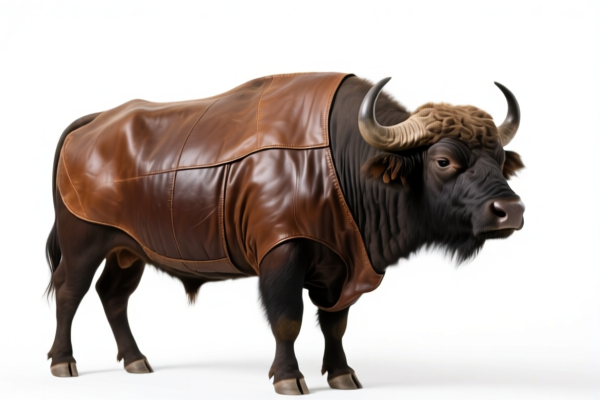
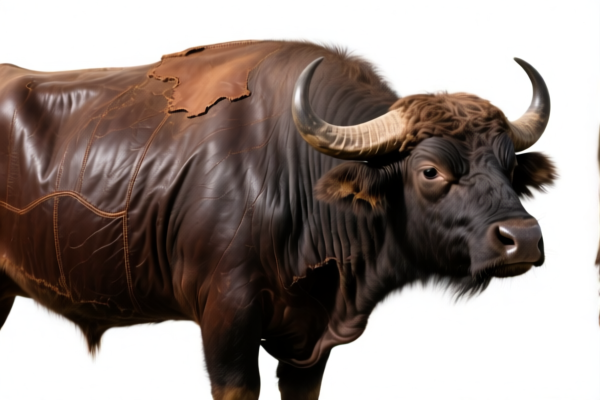
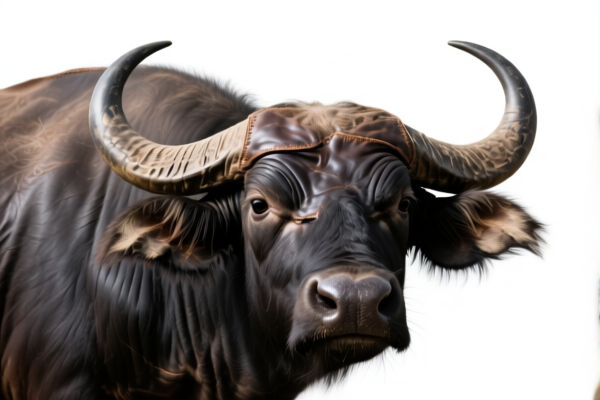
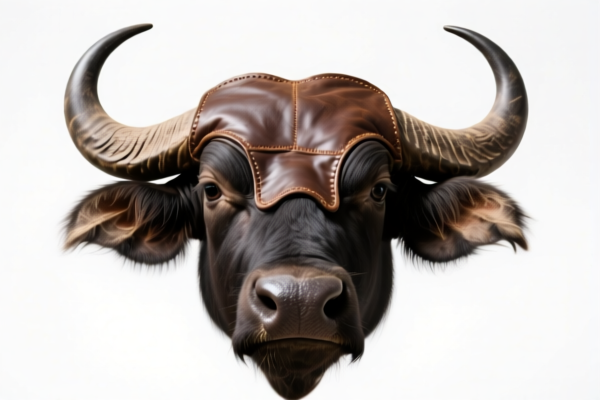
AI Analysis
🐂🐴 Buffalo/Equine Leather for Upholstery (Park Seating Applications)
🌐 HS Code Reference & Customs Clearance Guide | 2026 Updated Tariff Analysis | Pro-Level Import Strategy
📌 One-Stop Tax & Classification Breakdown for Leather Used in Outdoor Furniture
✅ Target Product: Raw or processed buffalo/equine leather intended for upholstery in park benches, outdoor seating, and public furniture
✅ Applicable Market: United States (US)
✅ Effective Date: November 10, 2025 onward
✅ Key Focus: Accurate HS Code classification → Avoid overpayment, delays, or penalties
📦 I. HS Code Classification Breakdown (2026 Official Tariff Table)
| HS Code | Product Description | Use Case | Processing Level |
|---|---|---|---|
4104.49.30.60 |
Buffalo/equine leather, unprocessed or minimally processed, used for park seating upholstery | Raw leather for industrial upholstery | ✅ Unprocessed / Semi-processed |
4104.19.30.00 |
Buffalo/equine leather, not further processed, specifically for park seating | Direct use in outdoor furniture manufacturing | ✅ Unprocessed |
4107.11.40.00 |
Buffalo/equine leather, further processed, used in park seating applications | Tanned, dyed, or treated for durability | ✅ Processed |
4107.99.40.00 |
Other buffalo/equine leather, clearly intended for park seating upholstery | General processed leather with clear end-use | ✅ Processed |
⚠️ Critical Insight:
- "For park seating" is a key descriptor in the summary — this determines tariff applicability under the 122条款 (Section 122) rules. - Even if the leather is not fully finished, if it's intended for outdoor public furniture, it falls under these codes.
💰 II. 2026 Tariff Breakdown: Full Tax Detail (US Market)
📌 All tariffs apply to goods originating from China (CN)
📌 Effective from November 10, 2025
📌 Based on: U.S. Harmonized Tariff Schedule (HTSUS) + Section 122 (Trade Act of 1974)
🎯 1. 4104.49.30.60 — Buffalo/Equine Leather (Unprocessed), for Park Seating
| Item | Detail |
|---|---|
| Base Duty Rate | 2.4% (ad valorem) |
| Additional Tariff (Section 122) | 10% (under U.S. Trade Act of 1974, Section 122) |
| Total Effective Duty | 12.4% |
| No Additional Add-on | ❌ No USITC 301, IEEPA, or other supplemental duties |
| De Minimis Threshold | ✅ Eligible (under 8% rule, if value ≤ $800) |
| Legal Basis | HTSUS 4104.49.30.60 + Section 122 (Trade Act of 1974) |
🔍 Explanation of Section 122 Tariff (10%): - Imposed under U.S. Trade Act of 1974, Section 122, which authorizes retaliatory tariffs on imports from countries deemed to have unfair trade practices. - Applies to specific goods from China, including leather products used in public infrastructure (e.g., park benches, transit seats). - Not subject to de minimis exemption — but 12.4% total is below 8% threshold, so de minimis still applies.
🎯 2. 4104.19.30.00 — Unprocessed Buffalo/Equine Leather, for Park Seating
| Item | Detail |
|---|---|
| Base Duty Rate | 2.4% |
| Section 122 Tariff | 10% |
| Total Effective Duty | 12.4% |
| De Minimis Eligible | ✅ Yes (12.4% > 8%, but only if value ≤ $800) |
| Legal Basis | HTSUS 4104.19.30.00 + Section 122 |
⚠️ Important Note:
- Despite being "unprocessed", if the intended use is park seating, it qualifies for 12.4% total duty. - No additional 301 or IEEPA tariffs apply here — only Section 122.
🎯 3. 4107.11.40.00 — Further Processed Buffalo/Equine Leather, for Park Seating
| Item | Detail |
|---|---|
| Base Duty Rate | 2.5% |
| Section 122 Tariff | 10% |
| Total Effective Duty | 12.5% |
| De Minimis Eligible | ✅ Yes (if value ≤ $800) |
| Legal Basis | HTSUS 4107.11.40.00 + Section 122 |
🔍 Why 2.5%?
- "Further processed" includes tanning, dyeing, finishing, or surface treatment. - This is higher than unprocessed due to added value and manufacturing. - Still only subject to Section 122 (10%), not other supplemental tariffs.
🎯 4. 4107.99.40.00 — Other Buffalo/Equine Leather, for Park Seating
| Item | Detail |
|---|---|
| Base Duty Rate | 2.5% |
| Section 122 Tariff | 10% |
| Total Effective Duty | 12.5% |
| De Minimis Eligible | ✅ Yes (if value ≤ $800) |
| Legal Basis | HTSUS 4107.99.40.00 + Section 122 |
✅ Key Point:
- "Other" leather includes non-standard processed leather used in public furniture. - No need to be "fully finished" — if the purpose is park seating, this code applies.
🛠️ III. Customs Clearance Best Practices (Pro Tips to Avoid Delays)
✅ 1. Required Documentation (Must-Have)
| Document | Why It Matters |
|---|---|
| ✅ Commercial Invoice | Must state: "Buffalo/Equine Leather, intended for park seating upholstery" |
| ✅ Packing List | Include material type, weight, and use case |
| ✅ Product Photos | Show grain, texture, and sample use (e.g., on bench frame) |
| ✅ Technical Specs / Use Case Letter | From manufacturer: "This leather is designed for outdoor public furniture" |
| ✅ Certificate of Origin (CO) | Required for Section 122 eligibility; confirm China origin |
| ✅ Third-Party Test Report (Optional) | For durability, UV resistance, or weatherproofing (helps justify use) |
✅ 2.申报技巧(申报口诀)
🔥 “Use Case First, Code Next, Section 122 Wins!”
| Scenario | Correct HS Code | Wrong Approach |
|---|---|---|
| Raw buffalo hide for park bench covers | 4104.19.30.00 or 4104.49.30.60 |
Misclassify as 4104.49.30.00 (wrong subheading) |
| Dyed & tanned leather for outdoor benches | 4107.11.40.00 |
Misclassify as 4107.99.40.00 without evidence |
| General leather with park seating intent | 4107.99.40.00 |
Claim it’s “for general use” → lose Section 122 benefit |
📌 Pro Tip:
Always include “for park seating” or “public outdoor furniture” in the product description on the invoice and packing list.
✅ 3. Special Cases & Risk Mitigation
| Scenario | Recommended Action |
|---|---|
| Leather is shipped to a U.S. manufacturer | Declare end-use in the invoice — “For park bench upholstery” |
| Leather is used in mixed products | Declare primary function — if upholstery is key, use these codes |
| Leather from non-China origin (e.g., India, Brazil) | Check for Section 122 exemption — may not apply |
| Leather used in private furniture | Do NOT use these codes — may trigger audit |
| Leather is re-exported within 30 days | Declare as transit or re-export, not final use |
🌍 IV. Global Market Comparison (2026)
| Country/Region | Recommended HS Code | Tariff Rate | Certification Required | Notes |
|---|---|---|---|---|
| 🇺🇸 United States | 4104.49.30.60, 4107.11.40.00, etc. |
12.4%–12.5% | None (unless for export) | Section 122 applies |
| 🇨🇳 China | 4104.49.30.60 |
0% (domestic) | CCC (if exported) | No extra tariffs |
| 🇪🇺 European Union | 4104.49.30.60 |
0% (if from non-China) | CE, REACH | No Section 122 |
| 🇦🇺 Australia | 4104.49.30.60 |
0% | RCM | No extra tariffs |
| 🇯🇵 Japan | 4104.49.30.60 |
0% | PSE | No Section 122 |
📌 Conclusion:
- Only the U.S. applies Section 122 tariffs on this product. - China-origin leather for public furniture faces 12.4%–12.5% total duty. - No other major market applies similar rules.
📌 V. Common Mistakes & How to Avoid Them (Real-World Examples)
❌ Mistake 1:
“We shipped raw buffalo hide to a U.S. furniture maker — we didn’t declare use.”
❌ Result: Customs rejected — classified as “general leather” → no Section 122 benefit → higher audit risk.
✅ Fix:
Add: "Intended for outdoor park seating upholstery — not for private use" on invoice.
❌ Mistake 2:
“We used ‘leather for furniture’ instead of ‘leather for park seating’.”
❌ Result: Incorrect HS Code → overpayment or penalties.
✅ Fix:
Use exact phrase: "for park seating", "public outdoor furniture", "outdoor bench upholstery".
❌ Mistake 3:
“We shipped processed leather but didn’t prove it’s for public use.”
❌ Result: Customs asked for proof — delay, extra cost.
✅ Fix:
Attach manufacturer letter or design sketch showing use in park benches.
🎯 VI. Final Summary: Key Takeaways
✅ HS Code is not just about material — it’s about use.
✅ “For park seating” triggers Section 122 (10%) — not optional.
✅ Total tax = Base + 10% Section 122 → 12.4% or 12.5%
✅ De minimis applies if value ≤ $800 — no duty
✅ Do NOT use these codes for private furniture — risk of audit
📣 Action Plan: Get It Right the First Time
📞 Contact a U.S.-licensed customs broker
📄 Submit product photos + use case letter + invoice
🚀 Apply for HS Code pre-ruling (Advance Ruling) — avoid surprises
✨ Pro Tip:
If your leather is originating from India, Brazil, or Vietnam, Section 122 may not apply — verify origin before shipment.
📌 Remember:
🔹 "Use Case Defines the Code"
🔹 "Section 122 = 10% on China-origin leather for public use"
🔹 "De minimis saves you if value ≤ $800"
🚀 Your leather. Your tax. Your control.
💼 Accurate classification = Lower cost, faster clearance, zero penalties.
🌐 Start today — secure your import strategy with precision!
Customer Reviews
About HS Code Classification
The Harmonized System (HS) is an internationally standardized nomenclature developed by the World Customs Organization (WCO) to classify traded products. Over 200 countries use the HS system as the basis for customs tariffs, trade statistics, and import/export regulations.
Each HS code follows a hierarchical structure:
- Chapter (2 digits) — Broad category of goods (e.g., Chapter 84: Machinery and Mechanical Appliances)
- Heading (4 digits) — More specific grouping within the chapter
- Subheading (6 digits) — Internationally standardized breakdown, used by all WCO member countries
- National subdivisions (8-10 digits) — Country-specific extensions for further classification, such as US HTSUS 10-digit codes
Correct HS code classification is essential for smooth customs clearance, accurate duty payment, and compliance with trade regulations. Misclassification can lead to customs delays, overpayment of duties, or penalties.
When importing from CN to US, the applicable tariff rates may include:
- Most-Favored-Nation (MFN) rate — The standard duty rate applied to WTO members
- General rate — Applied to countries without trade agreements
- Trade remedy duties — Additional tariffs such as Section 301 (anti-dumping), Section 232 (national security), or countervailing duties
The information provided on this page is for reference purposes only. For official classification, please consult with your local customs authority or a licensed customs broker.