Buffalo/Horse Grain Leather Belt
CN → US| HS Code | Tariff Rate | Origin | Destination | Doc |
|---|---|---|---|---|
| 6217109550 | 32.1% | CN | US | Official Doc |
| 4203300000 | 37.7% | CN | US | Official Doc |
| 4203406000 | 35.0% | CN | US | Official Doc |
| 4107114000 | 12.5% | CN | US | Official Doc |
| 4107914000 | 12.5% | CN | US | Official Doc |
Product Images

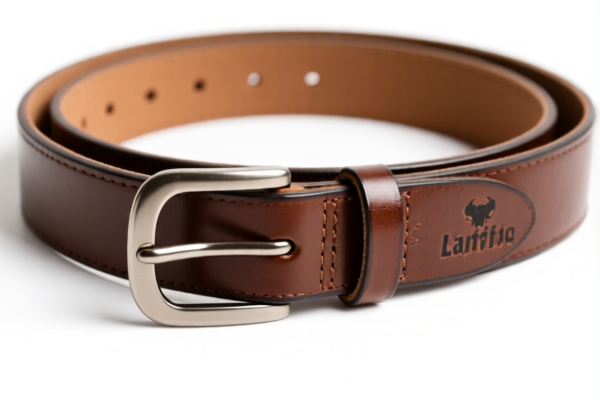
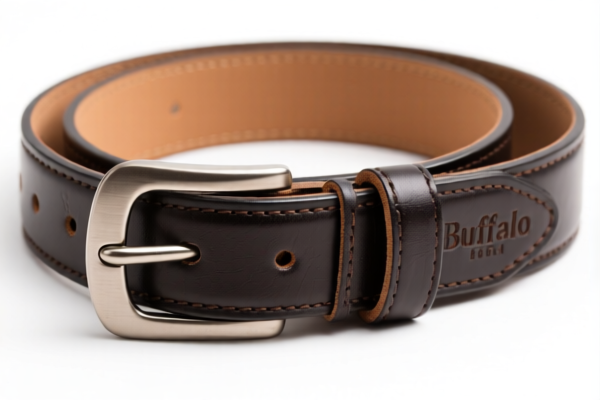

AI Analysis
Here is the professional, Wiki-style clearance guide for Buffalo/Horse Grain Leather Belts, tailored to your specific data constraints and formatting requirements.
🧳 Buffalo/Horse Grain Leather Belt (全粒皮腰带)
🌐 HS Code Reference & Clearance Guide | 2026 Customs Tariff Breakdown | Professional Strategy
📌 I. Product Definition & Classification: Are You Sure About This Leather?
This product is a Luxury Apparel Accessory made from Bovine (Buffalo) or Equine (Horse) Grain Leather. In international trade, the classification hinges on two critical factors: 1. Material Form: Is it processed leather (Hides/Skins) or a finished accessory? 2. Specific Use: Is it a "Belt" (specific function) or a generic "Leather Garment Accessory"?
⚠️ Critical Classification Distinction:
- Category A (Finished Leather Hides): If the item is sold as a flat sheet of "Buffalo/Horse Grain Leather" for further manufacturing (not yet formed into a belt) → HS 4107.
- Category B (Finished Accessories): If the item is already cut, shaped, punched, and ready to wear as a Belt → HS 4203 or 6217.
📦 II. HS Code Classification Breakdown (Based on Provided Data)
Below are the exact 5 matching scenarios derived from the official data, ranging from "Raw Material" to "Finished Accessory."
| 🆔 HS Code | 🏷️ Product Description | ✅ Matching Logic (Why this code?) | 🎯 Total Tax Rate |
|---|---|---|---|
| 4203.30.00.00 | Leather Belts (Finished) | Perfect Match: Explicitly describes "Leather" material + "Belt" form. Matches the exact definition of leather belts. | 37.7% |
| 6217.10.95.50 | Other Clothing Accessories | Accessory Logic: Classified as a "Belt" (apparel accessory). Leather material inferred. Not classified under specific Chapter 62 items (like bras/girdles). | 32.1% |
| 4203.40.60.00 | Other Apparel Accessories (Leather) | Name-Based Match: "Leather" is explicit. "Belt" falls under "Other Apparel Accessories." High tariff due to 25% surcharge. | 35.0% |
| 4107.11.40.00 | Buffalo Grain Leather (Raw/Unformed) | Material Match: "Buffalo" = Bovine; "Grain Leather" = Full Grain. Matches the specific definition for raw/semi-finished bovine hides. | 12.5% |
| 4107.91.40.00 | Other Bovine Grain Leather | Material Match: "Buffalo" fits Bovine; "Grain" fits processing state. Note: This applies if the goods are not yet shaped as a belt. | 12.5% |
🔍 Key Insight:
- If the belt is fully manufactured: Choose 4203.30.00.00 (37.7%) or 6217.10.95.50 (32.1%). - If selling "Leather Sheets" for belts: Choose 4107 (12.5%). ⚠️ Warning: Do not misdeclare a finished belt as raw leather to save tax; customs will reject it if the item is ready-to-wear.
💰 III. 2026 Tariff Rate Deep Dive (US Market Focus)
✅ Target Market: United States (US)
✅ Origin: China (CN)
✅ Applicable Rules: Section 301, 122 Measures, Base Tariff
🎯 Scenario 1: Finished Leather Belt (HS 4203.30.00.00)
The most standard classification for a ready-to-wear belt.
| Tax Component | Rate | Legal Basis |
|---|---|---|
| Base Tariff | 2.7% | Standard US Import Duty |
| Section 301 Surcharge | 25.0% | "Section 301" Add-on Tariff (US Trade Representative) |
| Measure 122 Tax | 10.0% | Specific "Section 122" tariff provision |
| 🔴 Total Tax Rate | 37.7% | Cumulative (Base + 301 + 122) |
📌 Clearance Note:
- This is the highest risk category for finished goods. - Calculation:CIF Value × 37.7%. - De Minimis: ❌ Not Eligible. (Section 301 taxes apply regardless of value).
🎯 Scenario 2: Other Clothing Accessories (HS 6217.10.95.50)
Alternative for belts where "4203" is debated, but still taxed heavily.
| Tax Component | Rate | Legal Basis |
|---|---|---|
| Base Tariff | 14.6% | Higher base rate for textile/garment accessories |
| Section 301 Surcharge | 7.5% | Reduced 301 surcharge for this sub-class |
| Measure 122 Tax | 10.0% | Specific "Section 122" tariff provision |
| 🔴 Total Tax Rate | 32.1% | Cumulative |
📌 Clearance Note:
- Often used if the belt has significant textile components or is deemed a "garment accessory" rather than a "leather article." - Risk: Lower than 4203.30, but still >30%.
🎯 Scenario 3: Other Apparel Accessories (HS 4203.40.60.00)
For "Other" leather articles where the belt is grouped broadly.
| Tax Component | Rate | Legal Basis |
|---|---|---|
| Base Tariff | 0.0% | Duty-free base rate |
| Section 301 Surcharge | 25.0% | Full Section 301 hit |
| Measure 122 Tax | 10.0% | Specific "Section 122" tariff provision |
| 🔴 Total Tax Rate | 35.0% | Cumulative |
📌 Clearance Note:
- Trap Alert: Although Base Tax is 0%, the 35% total is higher than Scenario 2. Avoid this unless the "Other" definition strictly fits your specific product design.
🎯 Scenario 4 & 5: Raw Leather (HS 4107.11.40.00 / 4107.91.40.00)
Only for selling "Buffalo/Horse Grain Leather" NOT shaped into a belt.
| Tax Component | Rate | Legal Basis |
|---|---|---|
| Base Tariff | 2.5% | Low duty for raw hides/skins |
| Section 301 Surcharge | 0.0% | NO Section 301 for raw hides in these sub-codes |
| Measure 122 Tax | 10.0% | Section 122 applies to this material category |
| 🟢 Total Tax Rate | 12.5% | Lowest Risk |
📌 Clearance Note:
- Crucial: If you ship a finished belt under 4107, you will face Seizure + Penalties for misdeclaration. - This rate applies ONLY if the shipment contains flat hides/skins, not pre-cut, pre-punched, or pre-buckled belts.
🛠️ IV. Customs Clearance Action Plan (Risk-Free Strategy)
✅ 1. Documentation Checklist (Must-Haves)
| Document | Status | Why It Matters |
|---|---|---|
| ✅ Commercial Invoice | Mandatory | Must explicitly state "Buffalo/Horse Grain Leather Belt" (or "Leather Hides" if applicable). |
| ✅ Product Photos | Mandatory | Show the belt fully assembled (with buckle) to justify 4203 vs. 4107. |
| ✅ Material Certificate | Highly Recommended | Confirm "Grain Leather" vs. "Corrected Grain" to support HS 4107 claims if applicable. |
| ✅ Packing List | Mandatory | Distinguish between "Finished Goods" (Belt) vs. "Raw Material" (Leather). |
| ✅ Supply Chain Proof | Conditional | If claiming 4107, prove the leather was not pre-processed into belts in the factory. |
✅ 2. Declaration Strategy (Do's & Don'ts)
🔥 Golden Rule: "Shape Defines the Code!"
| Situation | Correct HS Code | Incorrect Code (Risk!) | Consequence |
|---|---|---|---|
| Finished Belt (with buckle, holes, ready to wear) | 4203.30.00.00 (37.7%) | 4107.11.40.00 (12.5%) | ❌ Seizure. Customs sees a finished product, not raw leather. Penalty applies. |
| Raw Hides (Flat, uncut, no buckle) | 4107.11.40.00 (12.5%) | 4203.30.00.00 | ❌ Overpaying. You paid 37.7% instead of 12.5%. Hard to get refund. |
| Belt + Textile Mix | 6217.10.95.50 (32.1%) | 4203.30.00.00 | ⚠️ Borderline. If textile dominates, 6217 is safer. If leather dominates, 4203. |
✅ 3. Special Scenarios & Workarounds
| Scenario | Strategy | Note |
|---|---|---|
| "Section 122" 10% Hit | Acceptable | Even for the lowest tax (4107), 10% is unavoidable. |
| Avoiding 25% Section 301 | Switch to 4107 | Only if selling raw leather, not belts. |
| Re-classification Dispute | Pre-Ruling | If your belt has unique features, file for Binding Tariff Information (BTI) before shipping. |
| Third-Party Warehousing | Transshipment | Consider routing through a non-US hub to alter "Country of Origin" (requires complex supply chain shifts). |
🌍 V. Global Market Comparison (2026 Context)
| Destination | Recommended HS | Est. Duty (China Origin) | Key Barrier |
|---|---|---|---|
| 🇺🇸 USA | 4203.30.00.00 |
37.7% | Heavy Section 301 & 122 Taxes |
| 🇨🇳 China | 4203.30.00.00 |
~10-12% | No Section 301; Standard tariff only |
| 🇪🇺 EU | 4203.21.00 |
~10% | CE Marking + REACH Compliance |
| 🇯🇵 Japan | 4203.30.10 |
~7% | No anti-dumping duties |
📌 Conclusion: The US market is the most expensive due to the 25% + 10% surcharges on finished leather goods.
📌 VI. Common Pitfalls & How to Avoid Them
❌ Mistake 1: Under-declaring a finished belt as "Leather Hides" (HS 4107).
👉 Result: Customs audit reveals the belt has a buckle and holes. Fine + Seizure + Back-taxes.
✅ Fix: Only use 4107 if the item is literally a flat sheet of leather.
❌ Mistake 2: Confusing "Buffalo" with "Horse" in descriptions.
👉 Result: 4107.11 (Bovine) vs. 4107.91 (Other Bovine/Equine). Minor tax diff, but accuracy is key for compliance.
✅ Fix: Verify the animal origin on the material certificate.
❌ Mistake 3: Ignoring the "Measure 122" 10% Tax.
👉 Result: Unexpected cost at the port.
✅ Fix: Always calculate Total Tax = Base + 301 + 122.
🎯 VII. Final Verdict: Strategic Recommendation
🚀 For Finished Belts:
Expect to pay 37.7% (HS 4203.30.00.00) or 32.1% (HS 6217.10.95.50).
Action: Factor this into your pricing model immediately. No easy tax breaks for finished belts.🚀 For Raw Leather Materials:
If you are selling flat hides to cut later, use HS 4107.11.40.00 or 4107.91.40.00 to save ~25%.
Action: Ensure the shipment is clearly NOT shaped, buckled, or punched.🛡️ Clearance Tip:
"Accuracy is your best shield."
If the product is a belt, declare it as a belt (4203/6217). Do not try to hide it as leather (4107). The risk of seizure is 100% if the item is ready-to-wear.
📣 Next Step:
- Verify Product State: Is it a belt or a hide?
- Select HS Code: 4203 (Belt) vs 4107 (Hide).
- Calculate Landed Cost: Apply 37.7% or 12.5% accordingly.
- File Declaration: Use clear descriptions: "Buffalo Grain Leather Belt, Ready to Wear" or "Buffalo Grain Leather Hides, Unshaped".
✨ Professional Customs Clearance Starts with the Right HS Code!
💼 Don't let a 25% surprise eat your profit margin!
Customer Reviews
About HS Code Classification
The Harmonized System (HS) is an internationally standardized nomenclature developed by the World Customs Organization (WCO) to classify traded products. Over 200 countries use the HS system as the basis for customs tariffs, trade statistics, and import/export regulations.
Each HS code follows a hierarchical structure:
- Chapter (2 digits) — Broad category of goods (e.g., Chapter 84: Machinery and Mechanical Appliances)
- Heading (4 digits) — More specific grouping within the chapter
- Subheading (6 digits) — Internationally standardized breakdown, used by all WCO member countries
- National subdivisions (8-10 digits) — Country-specific extensions for further classification, such as US HTSUS 10-digit codes
Correct HS code classification is essential for smooth customs clearance, accurate duty payment, and compliance with trade regulations. Misclassification can lead to customs delays, overpayment of duties, or penalties.
When importing from CN to US, the applicable tariff rates may include:
- Most-Favored-Nation (MFN) rate — The standard duty rate applied to WTO members
- General rate — Applied to countries without trade agreements
- Trade remedy duties — Additional tariffs such as Section 301 (anti-dumping), Section 232 (national security), or countervailing duties
The information provided on this page is for reference purposes only. For official classification, please consult with your local customs authority or a licensed customs broker.