Buffalo/Horse Leather for Sofa
CN → US| HS Code | Tariff Rate | Origin | Destination | Doc |
|---|---|---|---|---|
| 4115100000 | 35.0% | CN | US | Official Doc |
| 4106920000 | 38.3% | CN | US | Official Doc |
| 4106910000 | 38.3% | CN | US | Official Doc |
| 4113903000 | 38.3% | CN | US | Official Doc |
| 4113906000 | 36.6% | CN | US | Official Doc |
Product Images

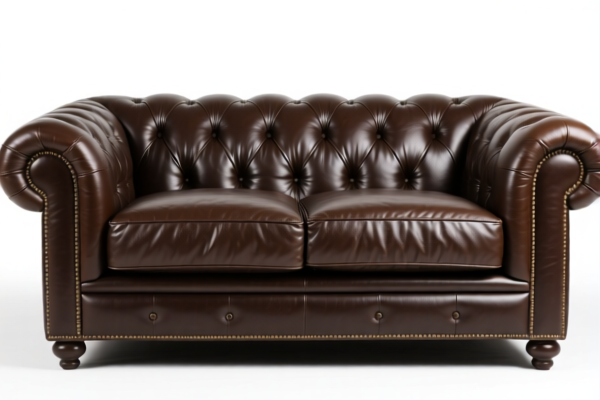
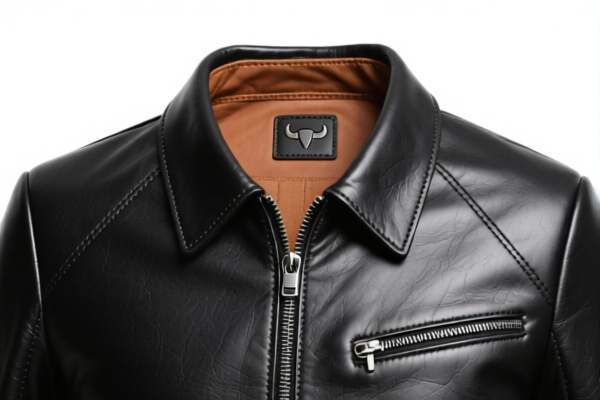
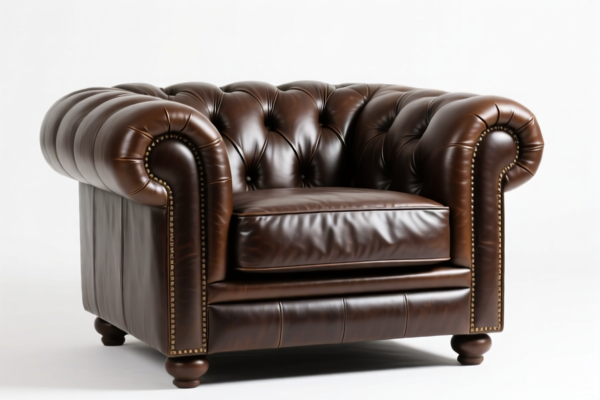
AI Analysis
🛋️ Buffalo/Horse Leather for Sofa (Leather Goods)
🌐 HS Code Reference & Customs Clearance Guide | 2026 Latest Tariff Analysis | Professional Entry Strategy
📌 I. Product Definition & Classification: Do You Really Understand "Sofa Leather"?
Leather for sofas is not a single product. In international trade, it is strictly categorized by processing state (tanned vs. further processed) and physical structure (full grain, split, or composite). The classification determines whether you pay a lower "base" rate or a higher "finished goods" rate, plus potential additional duties.
⚠️ Key Distinction Points:
- Unworked Tanned Leather (e.g., layer split leather, raw splits): Falls under Chapter 41 head 4106.
- Further Processed Leather (e.g., top layer, reconstituted, or composite leather for upholstery): Falls under Chapter 41 head 4113 or 4115.
- Composite Leather (Leather base + fabric/plastic backing): Specific subheadings apply.
📦 II. HS Code Classification Details (2026 Latest Tariff Authority Comparison)
Based on the provided data for Buffalo/Horse Leather for Sofa, here are the precise classifications:
| HS Code | Product Description | Processing Status | Key Characteristics |
|---|---|---|---|
4115.10.00.00 |
Buffalo Texture Crack Leather (Composite) | Composite Base | Leather substrate with texture/crack pattern, meets composite leather coding requirements. |
4106.92.00.00 |
Buffalo Layer Split Leather (Unprocessed) | Tanned/Semi-Tanned | Layer split leather for sofa; unworked leather characteristics. |
4106.91.00.00 |
Buffalo Split Leather (Unprocessed) | Tanned/Semi-Tanned | Split leather; fits "Other Animal Tanned Leather" attributes. |
4113.90.30.00 |
Buffalo Layer Leather (Further Processed) | Further Processed | Top layer or processed leather; aligns with "Other Animal Leather" after tanning/processing. |
4113.90.60.00 |
Buffalo Layer/Crack Leather (Further Processed) | Further Processed | Matches material & processing form of "Other Animal Leather". |
🔍 Important Note:
-4106.xxcodes are for leather that is tanned but not yet finished for direct upholstery use (e.g., raw splits).
-4113.xxand4115.xxcodes are for leather that has undergone further processing (crust, top grain, composite) suitable for final use (sofa upholstery).
- Misclassification Risk: Declaring processed leather as unprocessed (4106) to lower taxes can lead to severe penalties.
💰 III. 2026 Latest Tariff Rate Details (Including Additional Taxes & Policies)
✅ Applicable Country: United States (US)
✅ Origin: China (CN)
✅ Effective Date: 2025/2026 (Current Trade War Context)
🎯 1. 4115.10.00.00 —— Buffalo Texture Crack Leather (Composite)
| Item | Details |
|---|---|
| Base Tariff | 0.0% |
| Section 301 Additional Tariff | +25.0% |
| Section 122 Tariff (USMCA/Other) | +10.0% |
| Total Effective Rate | 35.0% |
| Tax Calculation | CIF Value × 35% |
| Legal Basis Path | Base Duty → Section 301 → Section 122 |
📌 Explanation:
- Base Duty 0%: Composite leather often enjoys lower base duties.
- Section 301 (25%): Standard punitive tariff on Chinese leather goods.
- Section 122 (10%): Specific additional duty applicable to this subheading.
- Total: 35%. This is a high-cost category for composite materials.
🎯 2. 4106.92.00.00 & 4106.91.00.00 —— Buffalo Split/Layer Leather (Unprocessed)
| Item | Details |
|---|---|
| Base Tariff | 3.3% |
| Section 301 Additional Tariff | +25.0% |
| Section 122 Tariff (USMCA/Other) | +10.0% |
| Total Effective Rate | 38.3% |
| Tax Calculation | CIF Value × 38.3% |
| Legal Basis Path | Base Duty → Section 301 → Section 122 |
📌 Explanation:
- Base Duty 3.3%: Unprocessed tanned leather has a small base duty.
- Section 301 (25%): Applies to all Chinese leather imports.
- Section 122 (10%): Adds further cost.
- Total: 38.3%. Highest burden among the listed codes.
🎯 3. 4113.90.30.00 —— Buffalo Layer Leather (Further Processed)
| Item | Details |
|---|---|
| Base Tariff | 3.3% |
| Section 301 Additional Tariff | +25.0% |
| Section 122 Tariff (USMCA/Other) | +10.0% |
| Total Effective Rate | 38.3% |
| Tax Calculation | CIF Value × 38.3% |
| Legal Basis Path | Base Duty → Section 301 → Section 122 |
📌 Explanation:
- Treated as "Other Animal Leather" after further processing.
- Total: 38.3%. Same high burden as unprocessed splits due to Section 301 & 122.
🎯 4. 4113.90.60.00 —— Buffalo Layer/Crack Leather (Further Processed)
| Item | Details |
|---|---|
| Base Tariff | 1.6% |
| Section 301 Additional Tariff | +25.0% |
| Section 122 Tariff (USMCA/Other) | +10.0% |
| Total Effective Rate | 36.6% |
| Tax Calculation | CIF Value × 36.6% |
| Legal Basis Path | Base Duty → Section 301 → Section 122 |
📌 Explanation:
- Base Duty 1.6%: Slightly higher base than composite, but lower than other processed categories.
- Total: 36.6%. A slightly better option than the 38.3% codes, but still expensive.
🛠️ IV. Customs Clearance Practical Advice (Pitfall Avoidance Guide)
✅ 1. Preparation Checklist (Non-negotiable)
| Document | Mandatory? | Explanation |
|---|---|---|
| ✅ Product Specification Sheet | ✔️ | Must specify: Animal type (Buffalo/Horse), Processing level (Split/Layer/Composite), Finish (Crack/Smooth). |
| ✅ Physical Sample / Photos | ✔️ | Customs may require physical verification of "crack pattern" or "split layer" to distinguish 4106 from 4113. |
| ✅ Commercial Invoice | ✔️ | Clearly state "Buffalo Leather for Sofa Upholstery" and HS Code. |
| ✅ Origin Certificate | ✔️ | Prove CN origin to apply correct Section 301 rates. |
| ✅ Manufacturing Process Description | ✔️ | Critical for distinguishing Tanned (4106) vs. Further Processed (4113). |
✅ 2. Declaration Strategy (Key Mnemonics)
🔥 “Split vs. Layer, Crack vs. Composite – Define the State to Save the Cost!”
| Scenario | Correct HS Code | Error Consequence |
|---|---|---|
| Raw Split Leather (No finish, just tanned) | 4106.91.00.00 / 4106.92.00.00 |
Misdeclaring as 4113 → Unnecessary scrutiny, but tax is similar (38.3%). |
| Top Grain/Crust Leather (Finished surface) | 4113.90.30.00 / 4113.90.60.00 |
Misdeclaring as 4106 → Penalty for Undervaluation/Wrong Classification. |
| Composite Leather (Leather + Backing) | 4115.10.00.00 |
Misdeclaring as 4113 → Base duty error (0% vs 1.6%). |
| Sofa Made of Leather | Chapter 94 (Furniture) | Declaring leather alone → Complete misclassification. |
✅ 3. Special Handling Tips
| Situation | Recommendation |
|---|---|
| Hybrid Products (e.g., Leather + Fabric Sofa) | Declare as Furniture (Ch 94) if assembled; declare Leather (Ch 41) if raw material. |
| Section 122 Application | Ensure the specific subheading triggers the 10% add-on. Not all leather codes have this. |
| Value Declaration | Leather prices vary by grade. Ensure CIF value includes freight/insurance to avoid Customs valuation disputes. |
| Pre-Ruling | For large shipments, request an Advance Ruling from CBP to confirm 4113.90.30.00 vs 4113.90.60.00. |
🌍 V. Global Market Comparison (2026 Overview)
| Country/Region | Recommended HS Code | Tariff Impact | Notes |
|---|---|---|---|
| 🇺🇸 USA | 4115.10.00.00 / 4106.92.00.00 |
35% - 38.3% | High Section 301 & 122 tariffs. |
| 🇨🇳 China | 4115.10.00.00 / 4106.92.00.00 |
~5-10% | Lower base duties, no Section 301. |
| 🇪🇺 EU | 4106.32.00 / 4113.20.00 |
~4-10% | No Section 301; standard MFN rates apply. |
| 🇬🇧 UK | 4113.20.00 |
~4-10% | Post-Brexit MFN rates. |
| 🇦🇺 Australia | 4113.20.00 |
~5-10% | FTA benefits may apply if from Aus/NZ. |
📌 Conclusion:
- USA is the most expensive market due to Section 301 (25%) and Section 122 (10%).
- Composite leather (4115.10.00.00) has the lowest base duty (0%) but still faces 35% total.
- Consider supply chain diversification (e.g., sourcing leather from Vietnam or Mexico) to avoid US tariffs.
📌 VI. Common Mistakes & Pitfalls (Lessons Learned)
❌ Mistake 1: Declaring Finished Layer Leather as Split Leather (4106)
👉 Result: Customs inspection finds finished grain → Penalty + Back Duties.
❌ Mistake 2: Ignoring Section 122 for 4115.10.00.00
👉 Result: Underpayment of 10% → Audit Risk.
❌ Mistake 3: Confusing Buffalo with Cow leather
👉 Result: While often similar in tariff, specific animal types may affect anti-dumping duties in other markets.
✅ Best Practice:
"Buffalo Top Grain Leather, Crust Finish, for Sofa Upholstery, 1.2mm Thickness, CN Origin"
🎯 VII. Conclusion: Professional Declaration, Cost Control!
🎯 Remember:
🔹 "Split is Unprocessed (4106), Layer is Processed (4113), Composite is Special (4115)."
🔹 "Total Tax = Base + 301 (25%) + 122 (10%). Minimize Base Duty to Save Money."
🔹4115.10.00.00offers the lowest base (0%), but still 35% total.4106has 3.3% base but 38.3% total.
📌 Pro Tip:
If your leather is tanned in a third country (e.g., Italy, Turkey) from raw Chinese hides, ensure the Substantial Transformation rule is met to claim Non-CN Origin and avoid Section 301 tariffs.
📣 Immediate Action:
📞 Consult a licensed customs broker.
📄 Prepare detailed processing documents.
🚀 Optimize HS Code selection to minimize the 35-38% tax burden!
✨ Professional Customs Clearance Starts with Accurate Classification!
💼 Every Percentage Point Saved is Pure Profit!
Customer Reviews
About HS Code Classification
The Harmonized System (HS) is an internationally standardized nomenclature developed by the World Customs Organization (WCO) to classify traded products. Over 200 countries use the HS system as the basis for customs tariffs, trade statistics, and import/export regulations.
Each HS code follows a hierarchical structure:
- Chapter (2 digits) — Broad category of goods (e.g., Chapter 84: Machinery and Mechanical Appliances)
- Heading (4 digits) — More specific grouping within the chapter
- Subheading (6 digits) — Internationally standardized breakdown, used by all WCO member countries
- National subdivisions (8-10 digits) — Country-specific extensions for further classification, such as US HTSUS 10-digit codes
Correct HS code classification is essential for smooth customs clearance, accurate duty payment, and compliance with trade regulations. Misclassification can lead to customs delays, overpayment of duties, or penalties.
When importing from CN to US, the applicable tariff rates may include:
- Most-Favored-Nation (MFN) rate — The standard duty rate applied to WTO members
- General rate — Applied to countries without trade agreements
- Trade remedy duties — Additional tariffs such as Section 301 (anti-dumping), Section 232 (national security), or countervailing duties
The information provided on this page is for reference purposes only. For official classification, please consult with your local customs authority or a licensed customs broker.