Buffalo/Marble Theater Seats
CN → US| HS Code | Tariff Rate | Origin | Destination | Doc |
|---|---|---|---|---|
| 9401698090 | 35.0% | CN | US | Official Doc |
| 4203406000 | 35.0% | CN | US | Official Doc |
| 4203104085 | 16.0% | CN | US | Official Doc |
| 4107915000 | 12.8% | CN | US | Official Doc |
| 4107925000 | 12.8% | CN | US | Official Doc |
Product Images
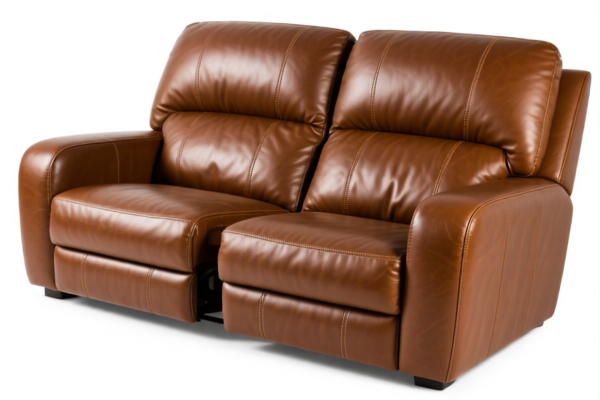
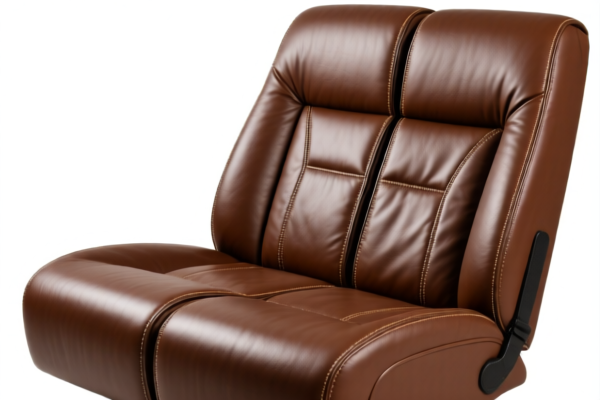
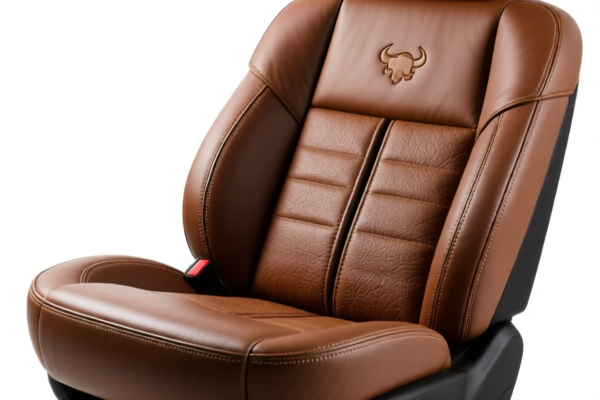
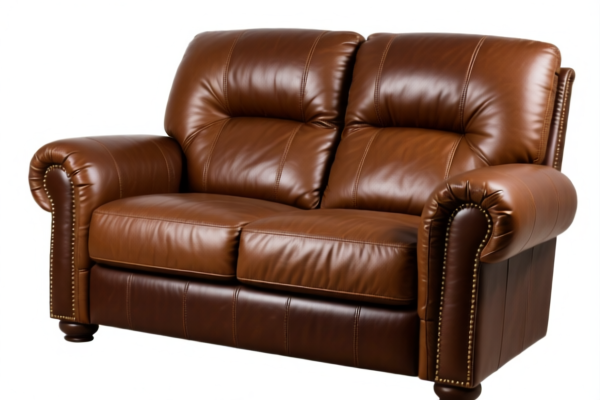
AI Analysis
🎭 Theater Seats (Buffalo/Marble Materials & Leather Finishes)
🌐 HS Code Reference & Customs Clearance Guide | 2026 Latest Tariff Analysis | Professional Strategy for U.S. Imports
📌 I. Product Definition & Classification: Understanding "Theater Seats" & "Leather"
Theater seats are specialized furniture designed for auditoriums, cinemas, and performance halls. The classification depends heavily on whether the item is a finished seat (furniture) or raw leather material used to manufacture the seats. Additionally, the material composition (specifically "Buffalo" vs. "Marble") dictates the specific HS Code.
⚠️ Critical Distinction:
- "Buffalo": Refers to Buffalo Hide/Leather. This is animal skin. It can be classified as finished leather for upholstery (HS 4107) or as part of a finished seat (HS 9401).
- "Marble": Note: The provided data contains no HS codes for "Marble" seats. If the seat frame or decorative element is genuinely made of stone (marble), it would likely fall under HS 6801-6816 (Stone works). However, based strictly on the<DATA>provided, we only cover Leather/Buffalo-related classifications. If "Marble" refers to a pattern or finish on leather, it still falls under leather categories.
- Finished Seat vs. Raw Material:
- If it’s a complete seat with upholstery → HS 9401 (Furniture).
- If it’s raw buffalo/marble leather sold separately → HS 4107 (Prepared Leather).
📦 II. HS Code Classification Matrix (Based on Provided Data)
| HS Code | Product Description | Material/Use Case | Tax Detail Breakdown |
|---|---|---|---|
9401.69.80.90 |
Theater Seats, Leather Material Other seating, leather-upholstered |
Finished theater seats where leather is the primary upholstery material. | Total Tax: 35.0% • Base: 0.0% • Section 301: 25.0% • Section 122: 10% |
4203.40.60.00 |
Leather Theater Seats (Accessories) Classified as Clothing Accessories |
Uncommon but possible if treated as "accessories" rather than furniture. Often used for smaller leather goods, but here listed as "Clothing Accessories" for seats. | Total Tax: 35.0% • Base: 0.0% • Section 301: 25.0% • Section 122: 10% |
4203.10.40.85 |
Leather Theater Seats (Other Leather Goods) Classified as Other Articles of Leather |
Finished seats classified under general leather articles rather than furniture. | Total Tax: 16.0% • Base: 6.0% • Section 301: 0.0% • Section 122: 10% |
4107.91.50.00 |
Buffalo/Horse Hide, Lining Leather For Theater Seat Upholstery |
Raw or semi-processed leather specifically used for lining/padding inside theater seats. | Total Tax: 12.8% • Base: 2.8% • Section 301: 0.0% • Section 122: 10% |
4107.92.50.00 |
Buffalo/Horse Hide, Decorative Leather For Theater Seat Decoration |
Raw or semi-processed leather used for visible/decorative surfaces on theater seats. | Total Tax: 12.8% • Base: 2.8% • Section 301: 0.0% • Section 122: 10% |
🔍 Key Insight:
- Finished Seats (9401,4203) face higher complexity and potentially higher tariffs due to Section 301 (25%) unless classified under4203.10.40.85(16%).
- Raw Leather (4107) has lower base tariffs but is subject to Section 122 (10%). No Section 301 tax applies here.
💰 III. 2026 Tariff Rate Breakdown (Detailed Policy Analysis)
✅ Target Market: United States (US)
✅ Origin: China (CN) (Assumed based on "Section 301/122" context in data)
✅ Effective Date: Current rates as per provided data
🎯 1. Finished Theater Seats (High Tariff Category)
A. HS 9401.69.80.90 – Leather Upholstered Seats
| Item | Value | Explanation |
|---|---|---|
| Base Rate | 0.0% | No standard MFN duty for this specific subheading. |
| Section 301 (Trade War) | +25.0% | Applied to "Other Furniture" from China. |
| Section 122 (Special Tariff) | +10.0% | Additional punitive tariff on Chinese goods. |
| Total Effective Rate | 35.0% | High Cost Alert |
| Calculation | CIF Value × 35% |
Must be prepaid at clearance. |
| De Minimis Exemption | ❌ No | Section 301 goods are generally excluded from $800 de minimis relief. |
B. HS 4203.40.60.00 – Seats as Clothing Accessories
| Item | Value | Explanation |
|---|---|---|
| Base Rate | 0.0% | Same as above. |
| Section 301 | +25.0% | Same punitive rate. |
| Section 122 | +10.0% | Same punitive rate. |
| Total Effective Rate | 35.0% | Identical Cost to 9401 |
C. HS 4203.10.40.85 – Other Leather Articles (Cost-Optimized)
| Item | Value | Explanation |
|---|---|---|
| Base Rate | 6.0% | Standard duty for other leather articles. |
| Section 301 | 0.0% | Exempt! This subheading is not subject to the 25% Section 301 tariff. |
| Section 122 | +10.0% | Still subject to the 10% special tariff. |
| Total Effective Rate | 16.0% | Significant Savings! |
| Savings vs. Other Seats | 19.0% lower | This is the most tariff-efficient classification for finished seats in the provided data. |
🎯 2. Raw/Prepared Leather (Lower Tariff Category)
A. HS 4107.91.50.00 & 4107.92.50.00 – Buffalo/Horse Hide
| Item | Value | Explanation |
|---|---|---|
| Base Rate | 2.8% | Low standard duty for prepared livestock leather. |
| Section 301 | 0.0% | Exempt! Leather hides are generally not subject to Section 301. |
| Section 122 | +10.0% | Subject to special tariff. |
| Total Effective Rate | 12.8% | Lowest Cost Option |
| Applicability | Only if importing raw leather to be assembled later. |
🛠️ IV. Customs Clearance Strategic Advice (Avoiding Pitfalls)
✅ 1. Documentation Checklist (Essential for Accuracy)
| Document | Requirement | Purpose |
|---|---|---|
| Commercial Invoice | Clearly state "Theater Seats" OR "Prepared Buffalo Leather" | Determines if it’s furniture (9401/4203) or material (4107). |
| Product Composition | Specify: "100% Buffalo Hide Leather" or "Marble-patterned Leather" | Distinguishes 4107.91 (Lining) vs. 4107.92 (Decorative). |
| Material Breakdown | If finished seat: % of leather, foam, metal frame | Helps Customs classify as 9401 (Furniture) vs. 4203 (Accessories). |
| Photos | High-res images of the seat/leather grain | Proves "Buffalo" texture vs. synthetic. |
| Harmonized Tariff Schedule (HTS) Reference | Quote the specific 10-digit code | Speeds up review process. |
✅ 2. Classification Strategy: How to Lower Taxes
🔥 Golden Rule: "Material vs. Finished Good"
| Scenario | Recommended HS Code | Tariff | Why? |
|---|---|---|---|
| Importing Raw Leather to manufacture seats in the US | 4107.91.50.00 or 4107.92.50.00 |
12.8% | Avoids Section 301 (25%) entirely. Lowest total cost. |
| Importing Finished Seats but can argue as "Accessories" | 4203.10.40.85 |
16.0% | Avoids Section 301. Much cheaper than 9401 (35%). |
| Importing Finished Seats (Standard Furniture) | 9401.69.80.90 |
35.0% | High cost. Only use if no other classification fits. |
| "Marble" Seats | Not in Data | N/A | If frame is stone, use HS 6801+. If leather, use above. Clarify! |
✅ 3. Critical Warnings & Common Mistakes
| Mistake | Consequence | Solution |
|---|---|---|
| Misclassifying Finished Seats as Raw Leather | Penalties, Back Taxes | Do not declare a finished seat as 4107 (leather hide). It will be rejected. |
| Ignoring Section 122 | Underpayment | Remember: All listed codes have a 10% Section 122 tariff. It is non-negotiable for Chinese-origin goods in this dataset. |
| Assuming "Marble" is Exempt | Clearance Delay | "Marble" is not in the data. If it’s a pattern, treat as leather. If it’s stone, find a new HS Code. |
| Failing to Prove "Buffalo" Origin | Disputes | Provide supplier declarations confirming the hide type (Buffalo vs. Cow). Different hides may have different base rates. |
✅ 4. Special Note on "Section 122"
📌 What is Section 122?
It is a specific additional tariff (10%) applied to certain Chinese goods. In the provided data, every single HS Code includes a 10% Section 122 tariff. This means: - You cannot avoid this 10% through classification within this dataset. - Your strategy should focus on avoiding the 25% Section 301 tariff by choosing4107(Raw Leather) or4203.10(Accessories) over9401(Furniture).
🌍 V. Global Comparison (Quick Reference)
| Market | Likely HS Code | Est. Tariff | Notes |
|---|---|---|---|
| 🇺🇸 United States | 4107.92.50.00 (Leather) or 4203.10.40.85 (Seats) |
12.8% or 16.0% | Best options to minimize Section 301. |
| 🇨🇳 China (Export) | Varies | 0-6% | Varies by export policy. |
| 🇪🇺 European Union | 9401.69 (Seats) |
~0-5% | Usually lower than US, but check EORI requirements. |
📌 VI. Conclusion & Action Plan
🎯 Recommendation Summary:
-
If you are manufacturing the seats in the US:
✅ Import Raw Buffalo Leather (4107.91.50.00or4107.92.50.00).
💰 Total Tax: 12.8%.
🚀 Savings: 22.2% compared to importing finished seats (9401). -
If you must import finished seats:
✅ Argue for Classification as "Other Leather Articles" (4203.10.40.85).
💰 Total Tax: 16.0%.
🚀 Savings: 19.0% compared to "Furniture" classification (9401). -
If "Marble" refers to stone frames:
❌ This dataset does not cover it. You must identify a separate HS Code for stone furniture.
📞 Immediate Next Steps:
- Verify Material: Confirm if the product is raw leather or a finished seat.
- Check "Marble" Definition: Is it a visual pattern (leather) or physical stone? If stone, seek a new HS Code.
- Select Optimal Code: Use
4107for raw materials or4203.10for accessories to avoid the 25% Section 301 tariff.- Prepare Documents: Ensure invoices clearly distinguish between "Lining Leather" (
4107.91) and "Decorative Leather" (4107.92).
✨ Pro Tip: Always apply for a Binding Ruling from U.S. Customs if the classification between 9401 (Furniture) and 4203 (Accessories) is ambiguous. It provides legal certainty and prevents surprise duties at the port.
💼 Your Cost Control Strategy:
Avoid 35% → Target 16% → Aim for 12.8%
The Difference is 22.2% – That’s Your Profit Margin!
Customer Reviews
About HS Code Classification
The Harmonized System (HS) is an internationally standardized nomenclature developed by the World Customs Organization (WCO) to classify traded products. Over 200 countries use the HS system as the basis for customs tariffs, trade statistics, and import/export regulations.
Each HS code follows a hierarchical structure:
- Chapter (2 digits) — Broad category of goods (e.g., Chapter 84: Machinery and Mechanical Appliances)
- Heading (4 digits) — More specific grouping within the chapter
- Subheading (6 digits) — Internationally standardized breakdown, used by all WCO member countries
- National subdivisions (8-10 digits) — Country-specific extensions for further classification, such as US HTSUS 10-digit codes
Correct HS code classification is essential for smooth customs clearance, accurate duty payment, and compliance with trade regulations. Misclassification can lead to customs delays, overpayment of duties, or penalties.
When importing from CN to US, the applicable tariff rates may include:
- Most-Favored-Nation (MFN) rate — The standard duty rate applied to WTO members
- General rate — Applied to countries without trade agreements
- Trade remedy duties — Additional tariffs such as Section 301 (anti-dumping), Section 232 (national security), or countervailing duties
The information provided on this page is for reference purposes only. For official classification, please consult with your local customs authority or a licensed customs broker.