Building Block Keychain
CN → US| HS Code | Tariff Rate | Origin | Destination | Doc |
|---|---|---|---|---|
| 9503000090 | 10.0% | CN | US | Official Doc |
| 3926400090 | 15.3% | CN | US | Official Doc |
| 7326908688 | 87.9% | CN | US | Official Doc |
| 7326190080 | 87.9% | CN | US | Official Doc |
| 3926901000 | 20.9% | CN | US | Official Doc |
Product Images
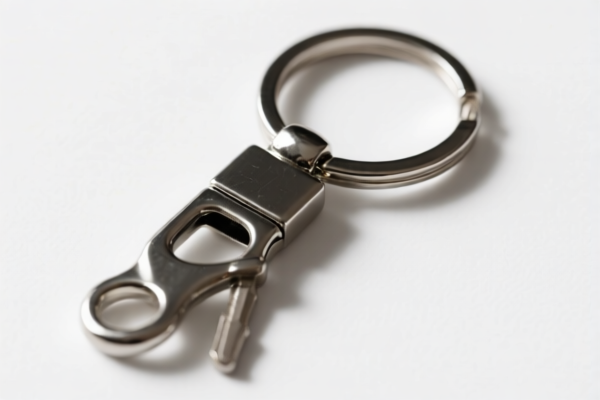
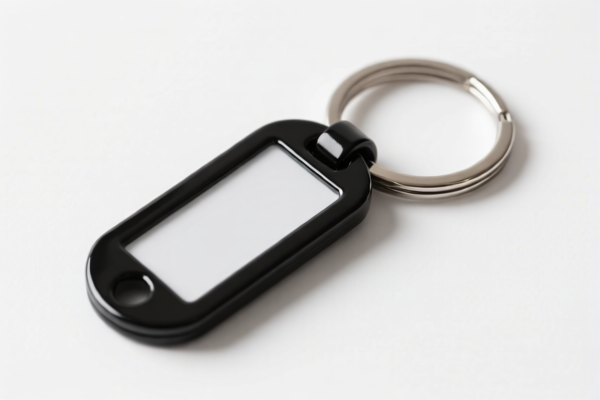
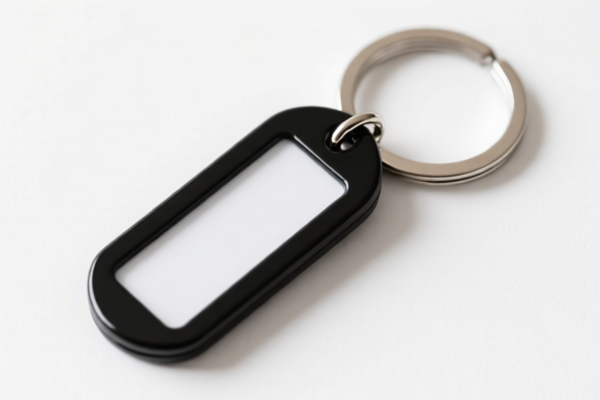
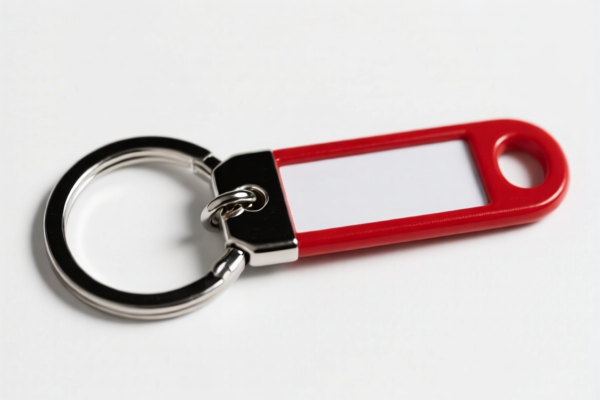
AI Analysis
🧩 Building Block Keychain
🌐 HS Code Classification & Customs Clearance Guide | 2026 Latest Tariff Analysis | Expert-Level Import Strategy
📌 One Product, Five Possible HS Codes — Know Which One Applies to Your Keychain!
📦 1. Product Definition & Classification: What Is a "Building Block Keychain"?
A building block keychain is a small decorative item typically made from plastic or metal, designed to resemble LEGO-style interlocking bricks. It is used as a personalized accessory — often attached to keys, bags, or backpacks — and may feature brand logos, names, or custom designs.
Despite its toy-like appearance, it is not a functional toy but rather a decorative or promotional item. This distinction is critical in customs classification, as it determines the applicable HS Code, tariff rate, and compliance requirements.
⚠️ Key Classification Insight:
- If the item is primarily decorative and not intended for play, it does not fall under toy categories.
- If it resembles a model or part of a larger set, it may be classified as a model accessory or miscellaneous metal/plastic item.
- Material matters: Plastic = plastic category; metal = steel/iron product.
- Size & function: Small size (typically < 10 cm) and non-functional use = lower tariff risk.
🔍 2. HS Code Breakdown (2026 Official Tariff Authority List)
| HS Code | Product Description | Classification Reason | Material Assumption |
|---|---|---|---|
9503.00.00.90 |
Building blocks and parts thereof, not elsewhere specified | Classified as model accessories; fits "other parts" of model sets | Plastic or metal |
3926.40.00.90 |
Other plastic articles, not elsewhere specified | Treated as decorative plastic item; small, non-functional | Plastic |
7326.90.86.88 |
Other iron or steel articles, not elsewhere specified | Used when metal is suspected; "dumpling" category for non-specific steel items | Plastic or metal |
7326.19.00.80 |
Other articles of iron or steel, not elsewhere specified | Applies to non-specific metal制品 with no clear shape or function | Plastic or metal |
3926.90.10.00 |
Other plastic articles, not elsewhere specified (small items) | Fits small decorative plastic objects; common for keychains | Plastic |
✅ Critical Note:
- Only one HS Code can be used per shipment — choose based on material, function, and design. - Do not use multiple codes — this triggers audits and penalties.
💰 3. 2026 Tariff Rate Breakdown (U.S. Market, China-Origin)
✅ Target Country: United States (US)
✅ Origin: China (CN)
✅ Effective Date: November 10, 2025 (including all subsequent import periods)
🎯 1. 9503.00.00.90 — Model Accessories (Non-Functional)
| Item | Detail |
|---|---|
| Base Tariff | 0.0% |
| Section 301 (USITC) Additional Duty | 0.0% |
| Section 301 (122 Clause) Duty | 10.0% |
| Total Effective Tariff | 10.0% |
| Tax Calculation | CIF Value × 10.0% |
| De Minimis Threshold | ✅ Yes (10% de minimis applies) |
| Legal Basis Path | 122 Clause: 9903.01.25 → 9503.00.00.90 |
📌 Explanation:
- This code applies when the keychain is clearly part of a model set (e.g., LEGO-style). - No Section 301 or IEEPA duties apply here — only the 122 Clause 10% tariff. - Best option for plastic keychains that look like model parts.
🎯 2. 3926.40.00.90 — Decorative Plastic Articles
| Item | Detail |
|---|---|
| Base Tariff | 5.3% |
| Section 301 (USITC) Additional Duty | 0.0% |
| Section 301 (122 Clause) Duty | 10.0% |
| Total Effective Tariff | 15.3% |
| Tax Calculation | CIF Value × 15.3% |
| De Minimis Threshold | ✅ Yes (10% de minimis applies) |
| Legal Basis Path | 122 Clause: 9903.01.25 → 3926.40.00.90 |
📌 Explanation:
- Used when the keychain is decorative, not functional, and made of plastic. - Higher base rate (5.3%) due to "other plastic articles" category. - Still only 10% 122 Clause — no IEEPA. - Recommended for non-model plastic keychains.
🎯 3. 7326.90.86.88 — Other Iron/Steel Articles (Non-Specific)
| Item | Detail |
|---|---|
| Base Tariff | 2.9% |
| Section 301 (USITC) Additional Duty | 25.0% |
| Section 301 (122 Clause) Duty | 10.0% |
| Steel/Aluminum/Copper Additional Duty | 50.0% |
| Total Effective Tariff | 87.9% |
| Tax Calculation | CIF Value × 87.9% |
| De Minimis Threshold | ❌ No (denied due to 301/IEEPA) |
| Legal Basis Path | IEEPA:9903.01.24 → USITC:9903.88.01 → 7326.90.86.88 |
📌 Explanation:
- Applies only if the keychain is made of metal (iron/steel). - Triple tax bomb:
- 25% USITC (Section 301)
- 10% 122 Clause
- 50% on steel/aluminum/copper (from IEEPA)
- No de minimis — even a $10 item becomes $8.79 tax. - Avoid this code unless material is confirmed as metal.
🎯 4. 7326.19.00.80 — Other Iron/Steel Articles (Non-Specific)
| Item | Detail |
|---|---|
| Base Tariff | 2.9% |
| Section 301 (USITC) Additional Duty | 25.0% |
| Section 301 (122 Clause) Duty | 10.0% |
| Steel/Aluminum/Copper Additional Duty | 50.0% |
| Total Effective Tariff | 87.9% |
| Tax Calculation | CIF Value × 87.9% |
| De Minimis Threshold | ❌ No |
| Legal Basis Path | IEEPA:9903.01.24 → USITC:9903.88.01 → 7326.19.00.80 |
📌 Explanation:
- Identical to7326.90.86.88— same tax structure. - Applies to non-specific metal items with no clear shape or function. - Same danger zone: 87.9% tariff if metal is suspected. - Only use if confirmed metal — otherwise, risk massive overpayment.
🎯 5. 3926.90.10.00 — Other Plastic Articles (Small Items)
| Item | Detail |
|---|---|
| Base Tariff | 3.4% |
| Section 301 (USITC) Additional Duty | 7.5% |
| Section 301 (122 Clause) Duty | 10.0% |
| Total Effective Tariff | 20.9% |
| Tax Calculation | CIF Value × 20.9% |
| De Minimis Threshold | ✅ Yes |
| Legal Basis Path | 122 Clause: 9903.01.25 → USITC:9903.88.01 → 3926.90.10.00 |
📌 Explanation:
- Applies to small plastic decorative items (like keychains). - Higher USITC duty (7.5%) due to "other plastic" category. - 10% 122 Clause applies. - Best for small plastic keychains if not part of a model set. - Still under de minimis — safe for low-value shipments.
🛠️ 4. Customs Clearance Best Practices (Pro Tips)
✅ 1. Required Documentation (MUST-HAVE)
| Document | Required? | Purpose |
|---|---|---|
| ✅ Product Photos (clear, front/back, close-up) | ✔️ | Show material, size, design |
| ✅ Material Certificate (Plastic/Metal) | ✔️ | Prove composition |
| ✅ Commercial Invoice | ✔️ | Accurate description, value, HS Code |
| ✅ Packing List | ✔️ | Quantity, weight, packaging |
| ✅ Certificate of Origin (CO) | ✔️ | For tariff eligibility |
| ✅ Test Report (RoHS, REACH, etc.) | ✔️ | If plastic, especially for EU/US |
| ✅ Design Sketch or CAD File | ✔️ | For model classification |
✅ 2.申报技巧(Key Rules to Remember)
🔥 "Material First, Function Second, Code Last!"
| Scenario | Correct HS Code | Wrong Code | Why |
|---|---|---|---|
| Plastic keychain, looks like LEGO brick | 9503.00.00.90 or 3926.40.00.90 |
7326.90.86.88 |
Avoid metal code |
| Metal keychain, no clear shape | 7326.90.86.88 or 7326.19.00.80 |
3926.90.10.00 |
Avoid plastic code |
| Small plastic keychain, no model design | 3926.90.10.00 |
9503.00.00.90 |
Not a model part |
| Keychain with logo, promotional use | 3926.40.00.90 |
9503.00.00.90 |
Not for model use |
✅ 3. Risk Mitigation Strategies
| Risk | Solution |
|---|---|
| Wrong material assumption | Test sample before shipment; use lab analysis |
| Multiple HS Code申报 | Use one code per shipment; avoid splitting |
| De minimis loss | Ship under $800 to qualify for 10% de minimis |
| Audit trigger | Use pre-ruling (Advance Ruling) for high-value shipments |
| Overpayment | Choose lowest-risk code based on material and design |
🌍 5. Global Customs Comparison (2026)
| Country | Recommended HS Code | Base Tariff | Additional Duties | Notes |
|---|---|---|---|---|
| 🇺🇸 USA | 9503.00.00.90 (plastic) |
0% | 10% (122 Clause) | Best: plastic, model-like |
| 🇨🇳 China | 3926.40.00.90 |
5% | 0% | No 301 duties |
| 🇪🇺 EU | 3926.40.00.90 |
0% | 0% (if compliant) | CE, RoHS required |
| 🇦🇺 Australia | 3926.40.00.90 |
5% | 0% | RCM certification |
| 🇯🇵 Japan | 3926.40.00.90 |
0% | 0% | PSE certification |
📌 Takeaway:
- USA has the highest risk due to 301/IEEPA tariffs.
- Plastic keychains are safest — avoid metal unless necessary.
📌 6. Common Mistakes & How to Avoid Them
❌ Mistake 1: Using 7326.90.86.88 for a plastic keychain
👉 Result: 87.9% tariff → $879 tax on $1,000 shipment
✅ Fix: Use 3926.40.00.90 or 9503.00.00.90
❌ Mistake 2: Splitting keychain into "plastic part" + "metal ring"
👉 Result: Each item taxed at 87.9% → Total 175.8%
✅ Fix: Ship as one unit under correct HS Code
❌ Mistake 3: Not providing material proof
👉 Result: Customs may assume metal → 87.9% tax
✅ Fix: Include material test report or lab certificate
🎯 7. Final Verdict: Which HS Code Should You Use?
✅ For Plastic Keychains (LEGO-style, model-like):
Use9503.00.00.90→ 10.0% total tariff → Best choice✅ For Plastic Keychains (decorative, small):
Use3926.40.00.90→ 15.3% → Good if not model-related✅ For Metal Keychains:
Only use7326.90.86.88or7326.19.00.80if confirmed metal → 87.9% → High risk!
📣 Call to Action: Secure Your Shipment Today!
📞 Contact a customs broker with experience in plastic & metal accessories
📊 Request a pre-ruling (Advance Ruling) for high-value shipments
🧪 Test material composition before shipping
📦 Use the correct HS Code — one mistake = thousands in extra tax
✨ Pro Tip:
If your keychain is under $800, and you use
9503.00.00.90or3926.40.00.90, you may qualify for de minimis exemption — zero tax!
📌 Remember:
🔹 Plastic = Lower risk
🔹 Metal = 87.9% tariff
🔹 Model-like =9503.00.00.90
🔹 Decorative =3926.40.00.90or3926.90.10.00
🎯 Your Keychain’s Future Starts With the Right HS Code!
💼 Don’t pay 87.9% on a $10 keychain — choose wisely!
🚀 Export with confidence. Import with precision. Win every time.
Customer Reviews
About HS Code Classification
The Harmonized System (HS) is an internationally standardized nomenclature developed by the World Customs Organization (WCO) to classify traded products. Over 200 countries use the HS system as the basis for customs tariffs, trade statistics, and import/export regulations.
Each HS code follows a hierarchical structure:
- Chapter (2 digits) — Broad category of goods (e.g., Chapter 84: Machinery and Mechanical Appliances)
- Heading (4 digits) — More specific grouping within the chapter
- Subheading (6 digits) — Internationally standardized breakdown, used by all WCO member countries
- National subdivisions (8-10 digits) — Country-specific extensions for further classification, such as US HTSUS 10-digit codes
Correct HS code classification is essential for smooth customs clearance, accurate duty payment, and compliance with trade regulations. Misclassification can lead to customs delays, overpayment of duties, or penalties.
When importing from CN to US, the applicable tariff rates may include:
- Most-Favored-Nation (MFN) rate — The standard duty rate applied to WTO members
- General rate — Applied to countries without trade agreements
- Trade remedy duties — Additional tariffs such as Section 301 (anti-dumping), Section 232 (national security), or countervailing duties
The information provided on this page is for reference purposes only. For official classification, please consult with your local customs authority or a licensed customs broker.