Building Block Toys
CN → US| HS Code | Tariff Rate | Origin | Destination | Doc |
|---|---|---|---|---|
| 3923900080 | 38.0% | CN | US | Official Doc |
| 9503000090 | 10.0% | CN | US | Official Doc |
| 3926909989 | 22.8% | CN | US | Official Doc |
| 3926904800 | 13.4% | CN | US | Official Doc |
| 3923109000 | 38.0% | CN | US | Official Doc |
Product Images
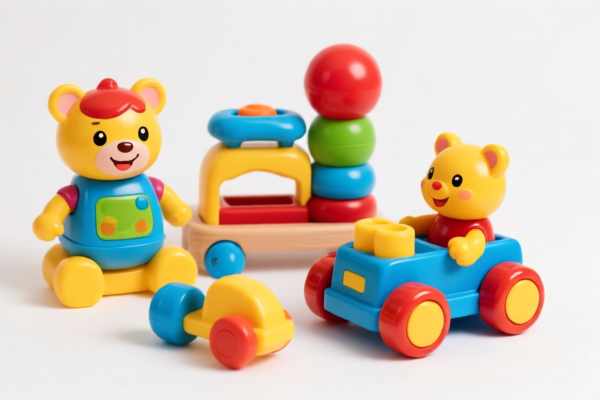
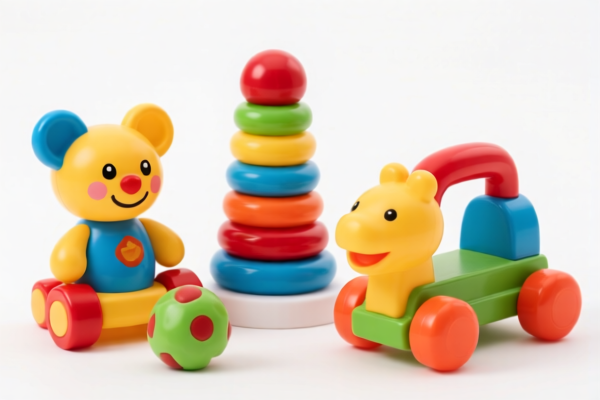
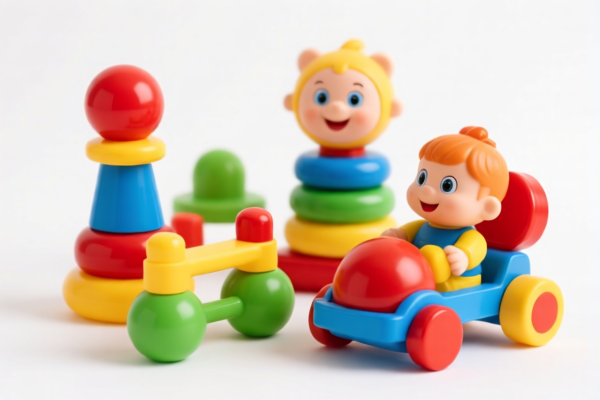
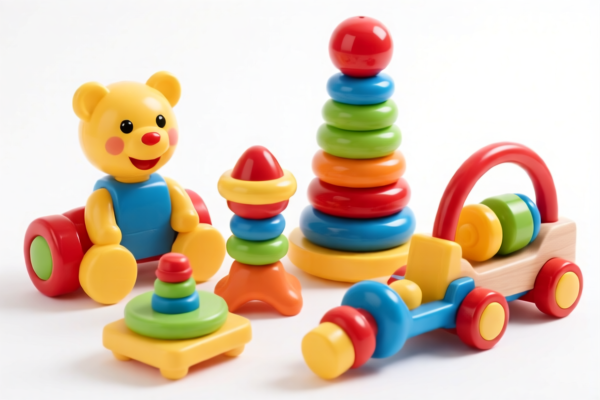
AI Analysis
🧩 Building Block Toys (Plastic Building Blocks for Children)
🌐 HS Code Reference & Customs Clearance Guide | 2026 Updated Tariff Analysis | Professional Export Strategy
📌 One, Product Definition & Classification: Do You Really Know What “Building Blocks” Are?
Building block toys are modular plastic interlocking pieces used to construct creative models, structures, and imaginative playsets. These are not industrial components or packaging materials — they are intended for children’s play and entertainment, and fall under the toy category in international trade.
⚠️ Critical Distinction:
- If the blocks are used as containers, packaging, or industrial parts → may be classified under 3923.90.00.80 / 3923.10.90.00
- If the blocks are designed and marketed as toys for children → must be classified under 9503.00.00.90 / 9503.00.00.71
- If the blocks are part of a larger finished product (e.g., a robot, vehicle, or figurine) → may fall under 3926.90.99.89 or 3926.90.48.00
📦 Two, HS Code Classification Details (2026 Updated Tariff Authority)
| HS Code | Product Description | Target Use Case | Key Features |
|---|---|---|---|
3923.90.00.80 |
Plastic building blocks, used as containers or packaging; not toys | Industrial, commercial, or packaging applications | No child-oriented design; not marketed as play items |
9503.00.00.90 |
Plastic building blocks, classified as toys; intended for children’s play | Toys & entertainment | Interlocking, colorful, designed for creativity & play |
3926.90.99.89 |
Plastic building blocks, classified as finished goods; not toys | Customized or functional products (e.g., display models, prototypes) | May resemble toys but used for non-play purposes |
3926.90.48.00 |
Other plastic products, including building blocks with no toy intent | General plastic制品 (non-toy, non-container) | Not for children, not for packaging |
3923.10.90.00 |
Plastic building blocks, used as containers or packaging; no toy purpose | Industrial or commercial packaging | Similar to 3923.90.00.80, but under different subheading |
9503.00.00.71 |
Decorative or functional building block accessories (e.g., figures, windows, doors) | Toy accessories, not standalone blocks | Used to enhance toy sets; not play-ready alone |
🔍 Key Insight:
- The intent of use determines the classification.
- Marketing materials, packaging, and product name are critical for accurate HS Code selection.
- Even if made of the same plastic, a block is not a toy just because it looks like one.
💰 Three, 2026 Updated Tariff Breakdown (With附加 Taxes & Policy Clauses)
✅ Applicable Country: United States (US)
✅ Origin: China (CN)
✅ Effective Date: November 10, 2025 (and ongoing)
🎯 1. 3923.90.00.80 — Building Blocks as Containers/Containers (Non-Toy)
| Item | Details |
|---|---|
| Base Tariff | 3.0% (ad valorem) |
| Additional Tariff (Section 301) | +25.0% (USITC) |
| Section 122 Tariff (IEEPA) | +10.0% (International Emergency Economic Powers Act) |
| Total Effective Rate | 38.0% |
| Tax Calculation | CIF Value × 38.0% |
| De Minimis Exemption? | ❌ No (denied under US law) |
| Legal Basis Path | IEEPA:9903.01.25 → USITC:3923.90.00.80 → FOOTNOTE:9903.88.01 |
📌 Explanation:
- 25% Section 301 tariff applies to Chinese-origin goods under the U.S. Trade Act of 1974.
- 10% IEEPA tariff is triggered by national emergency powers targeting China.
- Even if the blocks are not toys, they are still subject to high tariffs if used in non-toy applications.
🎯 2. 9503.00.00.90 — Building Blocks as Toys (Children’s Play)
| Item | Details |
|---|---|
| Base Tariff | 0.0% |
| Additional Tariff (Section 301) | 0.0% |
| Section 122 Tariff (IEEPA) | +10.0% |
| Total Effective Rate | 10.0% |
| Tax Calculation | CIF Value × 10.0% |
| De Minimis Exemption? | ✅ Yes (under 8% threshold) |
| Legal Basis Path | IEEPA:9903.01.24 → 9503.00.00.90 |
📌 Explanation:
- No Section 301 tariff applies to toys — this is a key exemption.
- Only 10% IEEPA tariff applies, which is significantly lower than non-toy classifications.
- De minimis exemption applies — if the value is below $800, no duty is paid.
🎯 3. 3926.90.99.89 — Building Blocks as Finished Goods (Non-Toy)
| Item | Details |
|---|---|
| Base Tariff | 5.3% |
| Additional Tariff (Section 301) | +7.5% |
| Section 122 Tariff (IEEPA) | +10.0% |
| Total Effective Rate | 22.8% |
| Tax Calculation | CIF Value × 22.8% |
| De Minimis Exemption? | ❌ No |
| Legal Basis Path | IEEPA:9903.01.25 → USITC:3926.90.99.89 → FOOTNOTE:9903.88.01 |
📌 Explanation:
- This code applies to custom-built, non-standard, or functional plastic assemblies.
- Even if the blocks look like toys, if they are not marketed as such, they fall here.
- 22.8% is lower than 38%, but still high — only suitable if not intended for children.
🎯 4. 3926.90.48.00 — Other Plastic Products (Non-Toy, Non-Container)
| Item | Details |
|---|---|
| Base Tariff | 3.4% |
| Additional Tariff (Section 301) | 0.0% |
| Section 122 Tariff (IEEPA) | +10.0% |
| Total Effective Rate | 13.4% |
| Tax Calculation | CIF Value × 13.4% |
| De Minimis Exemption? | ❌ No |
| Legal Basis Path | IEEPA:9903.01.24 → 3926.90.48.00 |
📌 Explanation:
- This is for generic plastic products with no specific function.
- If the blocks are not toys, not containers, not finished goods, this may apply.
- 13.4% is moderate — but no de minimis.
🎯 5. 3923.10.90.00 — Plastic Building Blocks as Containers (Non-Toy)
| Item | Details |
|---|---|
| Base Tariff | 3.0% |
| Additional Tariff (Section 301) | +25.0% |
| Section 122 Tariff (IEEPA) | +10.0% |
| Total Effective Rate | 38.0% |
| Tax Calculation | CIF Value × 38.0% |
| De Minimis Exemption? | ❌ No |
| Legal Basis Path | IEEPA:9903.01.25 → USITC:3923.10.90.00 → FOOTNOTE:9903.88.01 |
📌 Explanation:
- Same as3923.90.00.80— both are for non-toy, non-play applications.
- 38% tariff is extremely high — avoid if possible.
🎯 6. 9503.00.00.71 — Building Block Accessories (Toy Parts)
| Item | Details |
|---|---|
| Base Tariff | 0.0% |
| Additional Tariff (Section 301) | 0.0% |
| Section 122 Tariff (IEEPA) | +10.0% |
| Total Effective Rate | 10.0% |
| Tax Calculation | CIF Value × 10.0% |
| De Minimis Exemption? | ✅ Yes |
| Legal Basis Path | IEEPA:9903.01.24 → 9503.00.00.71 |
📌 Explanation:
- Applies to figures, doors, windows, or decorative elements used in toy sets.
- No Section 301 tariff, only 10% IEEPA.
- De minimis applies — ideal for small accessory shipments.
🛠️ Four, Customs Clearance Best Practices (Pro Tips to Avoid Penalties)
✅ 1. Required Documentation (No Exceptions)
| Document | Must Provide | Notes |
|---|---|---|
| ✅ Product Specification Sheet | ✔️ | Include dimensions, color, material (e.g., ABS plastic), intended use |
| ✅ Marketing Materials & Packaging | ✔️ | Show if labeled “for children”, “play set”, “educational toy” |
| ✅ Product Photos (with branding) | ✔️ | Clear view of logo, packaging, child usage |
| ✅ Third-Party Test Reports | ✔️ | ASTM F963 (US toy safety), CE, RoHS, CPSIA |
| ✅ Commercial Invoice | ✔️ | Clearly state: “Plastic Building Blocks for Children’s Toys” |
| ✅ Certificate of Origin (CO) | ✔️ | If from China, must be accurate |
| ✅ Packing List | ✔️ | Show total weight, volume, and component breakdown |
✅ 2.申报技巧 (Key Rules to Remember)
🔥 “Intent Defines Code, Toy = Lower Tax, Non-Toy = Higher Risk!”
| Scenario | Correct HS Code | Wrong Approach |
|---|---|---|
| Blocks marketed as toys for kids | 9503.00.00.90 or 9503.00.00.71 |
3923.90.00.80 → 38% tax |
| Blocks used as prototypes or models | 3926.90.99.89 |
9503.00.00.90 → risk of misclassification |
| Blocks sold in bulk with no branding | 3926.90.48.00 |
3923.10.90.00 → 38% tax |
| Accessories (figures, windows) | 9503.00.00.71 |
3926.90.48.00 → higher tax |
✅ 3. Special Cases & Solutions
| Situation | Recommended Action |
|---|---|
| Same blocks, different packaging | If packaging says “toy”, use 9503.00.00.90 |
| Blocks sold as "educational tools" | Still qualify as toys → use 9503.00.00.90 |
| Blocks used in industrial models | Use 3926.90.99.89 or 3926.90.48.00 |
| Export to EU or Canada | Check local tariffs — no IEEPA or Section 301 |
| Export to Mexico or Vietnam | May qualify for IEEPA exemption → 0% tariff |
🌍 Five, Global Market Comparison (2026 Updated)
| Country | Recommended HS Code | Tariff | Certification | Notes |
|---|---|---|---|---|
| 🇺🇸 USA | 9503.00.00.90 |
10% (IEEPA only) | CPSIA, ASTM F963 | De minimis applies |
| 🇨🇳 China | 9503.00.00.90 |
5% | CCC | No extra tariffs |
| 🇪🇺 EU | 9503.00.00.90 |
0% (if CE) | CE, REACH | No additional taxes |
| 🇦🇺 Australia | 9503.00.00.90 |
5% | RCM | No IEEPA |
| 🇯🇵 Japan | 9503.00.00.90 |
0% | PSE | No extra tariffs |
📌 Conclusion:
- USA is the only market with IEEPA + Section 301 tariffs.
- Toy classification saves 28%+ in tariffs vs. non-toy.
- Always confirm intent and labeling before shipment.
📌 Six, Common Mistakes & How to Avoid Them (Learn from Others’ Errors)
❌ Mistake 1: Calling toy blocks “packaging” to avoid tariffs
👉 Result: 38% tax, penalties, audit risk
❌ Mistake 2: Not providing marketing materials
👉 Result: Customs assumes non-toy → higher tariff
❌ Mistake 3: Using 3923.90.00.80 for toy blocks
👉 Result: 38% tax instead of 10% → huge loss
❌ Mistake 4: Not declaring accessories separately
👉 Result: All items taxed at 10% → OK, but better to split
✅ Best Practice:
Use clear product names like:
“Plastic Building Blocks for Children’s Toys, 100-Piece Set, ABS Plastic, ASTM F963 Certified, Brand X”
🎯 Seven, Final Verdict: Smart Classification = Lower Cost & Faster Clearance!
🎯 Remember the Golden Rule:
🔹 “If it’s for kids and looks like a toy → use
9503.00.00.90”
🔹 “If it’s for containers, models, or industrial use → use3923.90.00.80or3926.90.99.89”
🔹 “Never mislabel — intent determines code, code determines cost!”
📌 Pro Tip:
If your blocks are originating from Vietnam, Mexico, or Thailand, you may qualify for IEEPA exemption → 0% tariff on
9503.00.00.90!
✅ Apply for Advance Ruling (Pre-Approval) to lock in the correct HS Code.
📣 Take Action Now:
📞 Contact a licensed customs broker + provide product photos + request HS Code pre-ruling
🚀 Ensure your building blocks clear customs fast, pay less tax, and reach kids faster!
✨ Professional Customs Starts with Accurate Classification!
💼 Your profit margin depends on the right HS Code — choose wisely!
Customer Reviews
About HS Code Classification
The Harmonized System (HS) is an internationally standardized nomenclature developed by the World Customs Organization (WCO) to classify traded products. Over 200 countries use the HS system as the basis for customs tariffs, trade statistics, and import/export regulations.
Each HS code follows a hierarchical structure:
- Chapter (2 digits) — Broad category of goods (e.g., Chapter 84: Machinery and Mechanical Appliances)
- Heading (4 digits) — More specific grouping within the chapter
- Subheading (6 digits) — Internationally standardized breakdown, used by all WCO member countries
- National subdivisions (8-10 digits) — Country-specific extensions for further classification, such as US HTSUS 10-digit codes
Correct HS code classification is essential for smooth customs clearance, accurate duty payment, and compliance with trade regulations. Misclassification can lead to customs delays, overpayment of duties, or penalties.
When importing from CN to US, the applicable tariff rates may include:
- Most-Favored-Nation (MFN) rate — The standard duty rate applied to WTO members
- General rate — Applied to countries without trade agreements
- Trade remedy duties — Additional tariffs such as Section 301 (anti-dumping), Section 232 (national security), or countervailing duties
The information provided on this page is for reference purposes only. For official classification, please consult with your local customs authority or a licensed customs broker.