Bulk Aromatic Insecticide
CN → US| HS Code | Tariff Rate | Origin | Destination | Doc |
|---|---|---|---|---|
| 3808990800 | 41.5% | CN | US | Official Doc |
| 3808990400 | 35.0% | CN | US | Official Doc |
Product Images
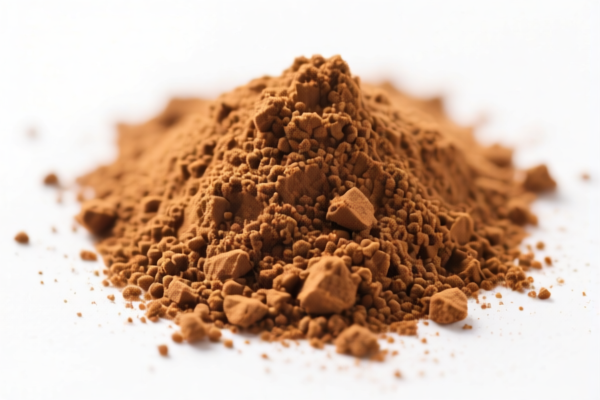
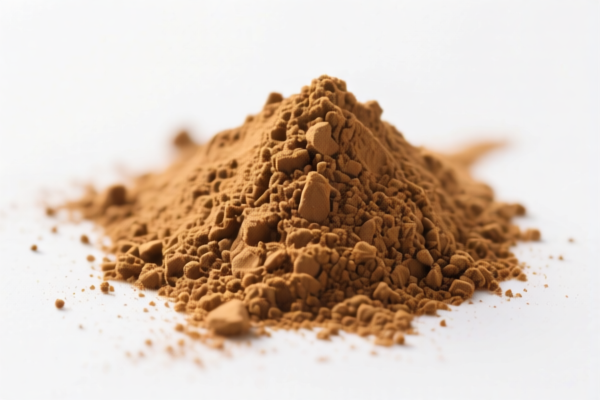
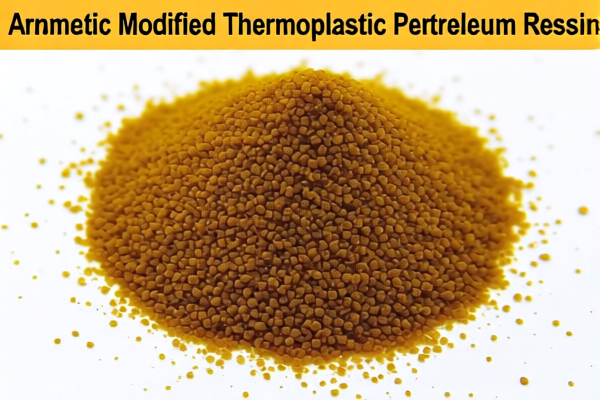
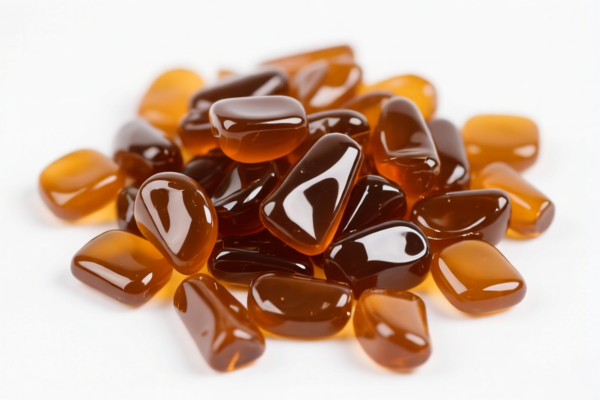
AI Analysis
🐜 Bulk Aromatic Insecticides & Agrochemical Preparations
🌐 HS Code Reference & Customs Clearance Guide | 2026 Latest Tariff Analysis | Professional Clearance Strategy
📌 I. Product Definition & Classification: What are "Bulk Aromatic Insecticides"?
In the context of international trade, "Bulk Aromatic Insecticides" refers to pesticide preparations containing aromatic or modified aromatic pesticides. These are typically active ingredients derived from benzene rings or similar aromatic structures (e.g., certain organochlorines, organophosphates, or synthetic pyrethroids).
Key Distinction: "Preparation" vs. "Raw Material"
According to HS Chapter 38 (Pharmaceutical Products), goods are classified here if they are:
1. Put up in forms or packings for retail sale (e.g., bottles, aerosols, granules).
2. As preparations or articles (e.g., mixtures, diluted formulations).
⚠️ Critical Classification Point:
- If the product is a pure, unmixed chemical compound not put up for retail, it generally falls under Chapter 29 (Organic Chemicals).
- If it is a mixture, formulation, or put up for retail, it falls under Chapter 38.
- Specific Substances Matter: The presence of specific compounds like Dicofol triggers different HS codes and tax rates than generic "Other" aromatic pesticides.
📦 II. HS Code Classification Details (Based on Provided Data)
The data provided specifies two distinct HS codes for "Other" aromatic insecticides/preparations. Here is the authoritative breakdown:
| HS Code | Product Description | Applicable Scenario | Tax Rate (China Origin to US) |
|---|---|---|---|
3808.99.08.00 |
Insecticides, etc.: Other: Other: Containing any aromatic or modified aromatic pesticide: Other | Generic aromatic pesticide preparations NOT listed elsewhere (e.g., non-Dicofol mixtures, ready-to-use sprays, granules). | 0.0% (Base: 0%, Additional: 0%) |
3808.99.04.00 |
Insecticides, etc.: Other: Other: Containing any aromatic or modified aromatic pesticide: Mixtures of 1,1-bis(4-chlorophenyl)-2,2,2-trichloroethanol (Dicofol) and application adjuvants | Specifically contains Dicofol mixed with adjuvants/surfactants. | 25.0% (Base: 0%, Additional: 25%) |
🔍 Key Takeaway:
- Dicofol-containing products are heavily scrutinized and taxed at 25%.
- Non-Dicofol aromatic pesticides (generic preparations) currently show a 0% total tax in the provided dataset.
- DO NOT mix these up. Declaring Dicofol products as "Other" to avoid the 25% tax is a high-risk customs violation.
💰 III. 2026 Tariff Rate Details (Detailed Breakdown)
✅ Scope: Based on the provided
DATAfield.
✅ Currency/Value: Ad Valorem (Percentage of CIF Value).
🎯 1. 3808.99.04.00 —— Dicofol Mixtures & Adjuvants
| Item | Detail |
|---|---|
| Product Type | Insecticides/Rodenticides/Fungicides containing Dicofol |
| Base Tariff | 0.0% |
| Additional Tariff | 25.0% |
| Total Tax Rate | 25.0% |
| Tax Detail | 基础关税: 0.0%, 加征关税: 25.0% |
| Calculation | CIF Value × 25% |
📌 Explanation:
- This code is specific to Dicofol (1,1-bis(4-chlorophenyl)-2,2,2-trichloroethanol).
- Even if mixed with adjuvants (surfactants, solvents), if Dicofol is the primary active ingredient defined here, the 25% additional tariff applies.
- Risk: High. Misdeclaring as3808.99.08.00could lead to penalties for tariff evasion.
🎯 2. 3808.99.08.00 —— Other Aromatic Pesticide Preparations
| Item | Detail |
|---|---|
| Product Type | Insecticides/Rodenticides/Fungicides containing any aromatic/modified aromatic pesticide (NOT Dicofol) |
| Base Tariff | 0.0% |
| Additional Tariff | 0.0% |
| Total Tax Rate | 0.0% |
| Tax Detail | 基础关税: 0.0%, 加征关税: 0.0% |
| Calculation | CIF Value × 0% |
📌 Explanation:
- This is a catch-all for aromatic pesticides not specifically listed elsewhere (like Dicofol).
- Examples might include certain formulations of organophosphates, carbamates, or synthetic pyrethroids that contain aromatic structures but are not Dicofol.
- Advantage: Currently duty-free under the provided data.
🛠️ IV. Customs Clearance Practical Advice (Avoiding Pitfalls)
✅ 1. Essential Documentation Checklist
| Document | Required? | Purpose |
|---|---|---|
| ✅ Certificate of Analysis (COA) | YES | CRITICAL. Must explicitly list the Active Ingredients (AIs) and their concentrations. Must confirm if Dicofol is present. |
| ✅ MSDS / SDS | YES | To verify chemical structure and confirm "aromatic" nature. |
| ✅ EPA Registration Number | YES | For US imports, proof of EPA registration is mandatory for pesticides. |
| ✅ Commercial Invoice | YES | Must clearly state "Pesticide Preparation" and list HS Code. |
| ✅ Bill of Lading / Air Waybill | YES | Standard shipping document. |
| ✅ Packaging Photos | YES | To prove "retail sale" form or "preparation" status (not bulk raw chemical). |
✅ 2. Declaration Strategy & Tips
🔥 "Accurate AI Listing is King! 25% Tax on Dicofol, 0% on Others!"
| Scenario | Correct HS Code | Risk of Error |
|---|---|---|
| Contains Dicofol | 3808.99.04.00 |
HIGH. Misdeclaring as 08.00 leads to 25% unpaid tax + penalties. |
| Contains Pyrethroids/Other Aromatics (No Dicofol) | 3808.99.08.00 |
MEDIUM. Must prove it is NOT Dicofol via COA. |
| Pure Chemical (No Adjuvants, Bulk) | Chapter 29 (Not in Data) | CRITICAL. If not put up for retail, Chapter 38 is WRONG. |
| Non-Aromatic Pesticide | Other Chapter 38 Codes | LOW. Ensure it doesn't contain aromatic rings. |
✅ 3. Special Handling Notes
| Situation | Recommendation |
|---|---|
| OEM/Private Label | Provide manufacturer declaration confirming active ingredients. |
| "Bulk" vs. "Retail" | If truly bulk (e.g., 200L drum, unbranded), Customs may reject Chapter 38 and classify under Chapter 29. Ensure packaging indicates "for professional use/preparation". |
| Dicofol Controversy | Dicofol is banned/restricted in many countries. Ensure your export/import permits allow Dicofol. Even if legal, the 25% tax is significant. |
🌍 V. Global Market Comparison (2026 Context)
| Country/Region | HS Code | Est. Tariff | Key Requirement | Note |
|---|---|---|---|---|
| 🇺🇸 USA | 3808.99.04.00 (Dicofol) |
25% | EPA Registration + SDS | High tariff on Dicofol. |
| 🇺🇸 USA | 3808.99.08.00 (Other) |
0% | EPA Registration + SDS | Favorable for other aromatics. |
| 🇨🇳 China (Import) | 3808.99 |
Varies | Phytosanitary Cert | Check Chinese customs rules. |
| 🇪🇺 EU | 3808.94 |
~0-6.5% | BPR Registration | Different HS subheadings. |
📌 Conclusion:
- USA is the primary market for this data.
- Dicofol is costly (25% tariff).
- Alternative Aromatics are cheap (0% tariff).
- Formulation matters: Must be a "preparation" or "retail pack".
📌 VI. Common Errors & Pitfalls (Lessons Learned)
❌ Error 1: Declaring Dicofol as "Other Aromatic Pesticide" (3808.99.08.00)
👉 Consequence: Underpayment of 25% tax. Customs audit will result in back taxes + fines + possible seizure.
❌ Error 2: Declaring Bulk Raw Chemical (200L Drum) as 3808.99
👉 Consequence: Rejection. Chapter 38 requires "retail packing" or "preparation". Raw chemicals go to Chapter 29.
❌ Error 3: Ignoring EPA Registration
👉 Consequence: Detention by CBP (Customs and Border Protection). Pesticides cannot enter the US without valid EPA registration numbers.
✅ Correct Practice:
"Pesticide Formulation, Contains [AI Name], NOT Dicofol, Put up in 1L Bottles for Retail, EPA Reg. No. 12345-67, HS 3808.99.08.00"
🎯 VII. Conclusion: Professional Declaration, Cost Optimization
🎯 Key Takeaways:
🔹 "Check for Dicofol!" If present →
3808.99.04.00→ 25% Tax.
🔹 "If Not Dicofol" →3808.99.08.00→ 0% Tax.
🔹 "Is it Retail/Packed?" If No → Chapter 29, not Chapter 38.
📌 Pro Tip:
If you are shipping large volumes, consider formulating with non-aromatic or non-Dicofol aromatic alternatives to leverage the 0% tariff under 3808.99.08.00. Always verify the Chemical Abstracts Service (CAS) number for each active ingredient.
📣 Immediate Action:
📞 Request COA from Supplier → Confirm Active Ingredients → Select Correct HS Code → Apply for EPA Registration
🚀 Avoid the 25% Dicofol Tax Trap with Accurate Classification!
✨ Precise Classification Saves Money.
💼 Your Supply Chain Efficiency Starts with HS Codes!
Customer Reviews
About HS Code Classification
The Harmonized System (HS) is an internationally standardized nomenclature developed by the World Customs Organization (WCO) to classify traded products. Over 200 countries use the HS system as the basis for customs tariffs, trade statistics, and import/export regulations.
Each HS code follows a hierarchical structure:
- Chapter (2 digits) — Broad category of goods (e.g., Chapter 84: Machinery and Mechanical Appliances)
- Heading (4 digits) — More specific grouping within the chapter
- Subheading (6 digits) — Internationally standardized breakdown, used by all WCO member countries
- National subdivisions (8-10 digits) — Country-specific extensions for further classification, such as US HTSUS 10-digit codes
Correct HS code classification is essential for smooth customs clearance, accurate duty payment, and compliance with trade regulations. Misclassification can lead to customs delays, overpayment of duties, or penalties.
When importing from CN to US, the applicable tariff rates may include:
- Most-Favored-Nation (MFN) rate — The standard duty rate applied to WTO members
- General rate — Applied to countries without trade agreements
- Trade remedy duties — Additional tariffs such as Section 301 (anti-dumping), Section 232 (national security), or countervailing duties
The information provided on this page is for reference purposes only. For official classification, please consult with your local customs authority or a licensed customs broker.