Bulletin Board Frame
CN → US| HS Code | Tariff Rate | Origin | Destination | Doc |
|---|---|---|---|---|
| 7610900020 | 90.7% | CN | US | Official Doc |
| 3925900000 | 40.3% | CN | US | Official Doc |
| 4418919110 | 38.2% | CN | US | Official Doc |
| 4418999195 | 38.2% | CN | US | Official Doc |
| 7610100010 | 73.2% | CN | US | Official Doc |
| 3925200091 | 22.8% | CN | US | Official Doc |
Product Images
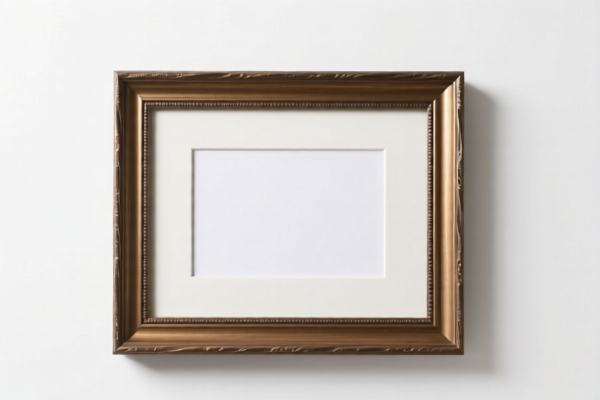
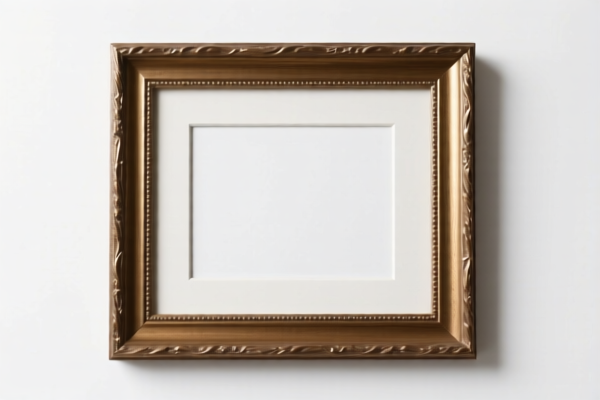
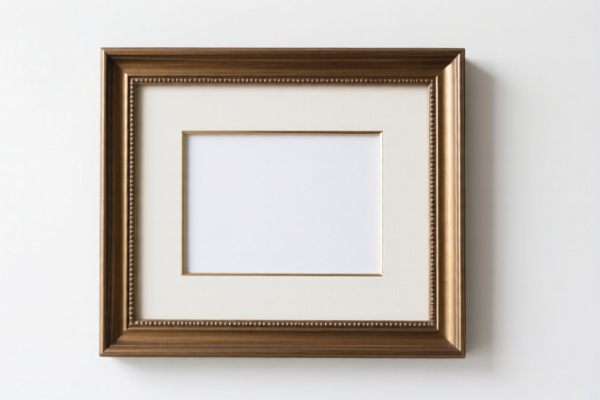
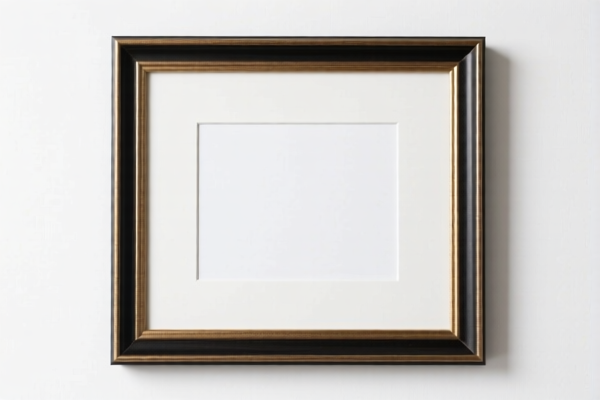
AI Analysis
📋 Bulletin Board Frame (Wall-Mounted Display Boards)
🌐 HS Code Reference & Customs Clearance Guide | 2026 Latest Tariff Analysis | Professional Level Strategy
📌 I. Product Definition & Classification: Do You Really Understand "Bulletin Board Frames"?
A Bulletin Board Frame is a structural component designed to hold a display surface (cork, fabric, glass, or whiteboard) for informational or decorative purposes. It is typically wall-mounted or freestanding.
In international trade, classification depends entirely on the material composition and structural nature. Are you importing metal, plastic, or wood? The HS Code—and thus the tariff—changes drastically.
⚠️ Key Distinction Point:
- Aluminum/Metal Frame: Classified under Chapter 76 (Aluminum) or 73 (Iron/Steel). Often subject to high "Section 301" or "Section 232" tariffs.
- Plastic Frame: Classified under Chapter 39 (Plastics). Subject to specific 301 tariffs but generally lower base duties.
- Wooden Frame: Classified under Chapter 44 (Wood). Subject to 301 tariffs and potential anti-dumping duties depending on species and treatment.
📦 II. HS Code Classification Details (2026 Latest Tariff Authority Cross-Reference)
Based on the provided data, here are the 6 likely HS Codes for Bulletin Board Frames, categorized by material:
| HS Code | Material Inference | Product Description | Typical Application |
|---|---|---|---|
7610.90.00.20 |
Aluminum | Structural parts of aluminum, for architectural or decorative wall structures | Metal-framed commercial bulletin boards, wall mounts |
3925.90.00.00 |
Plastic | Building/construction accessories; other plastics parts for buildings | Plastic-trimmed home decor boards, lightweight retail displays |
4418.91.91.10 |
Wood | Architectural woodwork; structural components | Wooden frames for cork boards, educational classroom frames |
4418.99.91.95 |
Wood | Other wooden construction articles; non-specific excluded categories | Premium wooden frames, custom-designed display borders |
7610.10.00.10 |
Aluminum | Structural parts of aluminum (general) | Basic aluminum profiles used as frames |
3925.20.00.91 |
Plastic | Frames for doors, windows, or similar structures (adapted for board frames) | Plastic frames mimicking wood/metal aesthetic |
🔍 Key Insight:
- Aluminum (7610): Often viewed as "structural" or "architectural" rather than just a simple frame. This triggers the highest tariffs.
- Plastic (3925): Treated as a "building accessory." Lower base duty but still subject to major additions.
- Wood (4418): Treated as "woodwork." Similar base duty to plastic but different regulatory scrutiny.
💰 III. 2026 Latest Tariff Rate Breakdown (Including Additional Taxes, Policy Add-ons)
✅ Applicable Country: USA (US)
✅ Origin: China (CN)
✅ Effective Date: 2025/2026 Period (Current Trade War Status)
🎯 1. 7610.90.00.20 & 7610.10.00.10 —— Aluminum Bulletin Board Frames
(High Risk / High Cost)
| Item | Content |
|---|---|
| Base Duty | 5.7% (Ad Valorem) |
| Section 301 Tariff | +25.0% (Standard 301 List 4A/4C) |
| Section 232 Tariff | +50.0% (Steel, Aluminum, Copper Products) |
| IEEPA Tariff | +10.0% (China/Hong Kong Specific) |
| Total Tax Rate | 90.7% (For HS 7610.90.00.20) 73.2% (For HS 7610.10.00.10) |
| Tax Calculation | CIF Value × 90.7% or 73.2% |
| De Minimis Eligible? | ❌ NO (Deny De Minimis) |
| Legal Basis | IEEPA:9903.01.25 → USITC:7610.90.00.20 → FOOTNOTE:232 (Aluminum) → FOOTNOTE:301 (25%) |
📌 Explanation:
- Section 232 (50%): Applies to aluminum products deemed a national security threat. This is the primary driver of the high cost.
- Section 301 (25%): Trade remedy tariff against China.
- IEEPA (10%): Additional emergency power tariff.
- Total ~90.7%: This is extremely punitive. Importers must calculate if the margin exists after this tax.
🎯 2. 3925.90.00.00 —— Plastic Bulletin Board Accessories
(Medium Risk / Medium Cost)
| Item | Content |
|---|---|
| Base Duty | 5.3% |
| Section 301 Tariff | +25.0% |
| IEEPA Tariff | +10.0% |
| Total Tax Rate | 40.3% |
| Tax Calculation | CIF Value × 40.3% |
| De Minimis Eligible? | ❌ NO |
| Legal Basis | IEEPA:9903.01.25 → USITC:3925.90.00.00 → FOOTNOTE:301 (25%) |
📌 Note:
- Plastic frames are cheaper to import than aluminum but still face significant tariffs.
- Note3925.20.00.91is lower (22.8%) because it is classified as a "Frame" for doors/windows, which sometimes enjoys preferential treatment within the plastic chapter, but this is risky if the board is not strictly for doors/windows.
🎯 3. 4418.91.91.10 & 4418.99.91.95 —— Wooden Bulletin Board Frames
(Medium Risk / Medium Cost)
| Item | Content |
|---|---|
| Base Duty | 3.2% |
| Section 301 Tariff | +25.0% |
| IEEPA Tariff | +10.0% |
| Total Tax Rate | 38.2% |
| Tax Calculation | CIF Value × 38.2% |
| De Minimis Eligible? | ❌ NO |
| Legal Basis | IEEPA:9903.01.25 → USITC:4418.99.91.95 → FOOTNOTE:301 (25%) |
📌 Note:
- Wood has the lowest base duty (3.2%) compared to aluminum (5.7%) and plastic (5.3%).
- However, it still incurs the full 301% and IEEPA surcharges.
- Anti-Dumping/Countervailing Duties (AD/CVD): Certain Chinese woods may have separate AD/CVD cases. Check if the specific wood species is listed.
🛠️ IV. Customs Clearance Practical Advice (Pitfall Avoidance Guide)
✅ 1. Documentation Checklist (Essential)
| Document | Required | Explanation |
|---|---|---|
| ✅ Product Specification Sheet | ✔️ | Must state material (e.g., "Extruded Aluminum Alloy 6063"), dimensions, and weight. |
| ✅ Material Composition Report | ✔️ | Crucial for Wood (species) and Metal (alloy type) to determine exact HS code. |
| ✅ Photos of Product & Packaging | ✔️ | Show the frame alone vs. with the board. If the board is cork/glass, it might be classified separately! |
| ✅ Commercial Invoice | ✔️ | Clearly describe as "Aluminum Frame for Bulletin Board" NOT "Aluminum Structural Building Part" to avoid misclassification flags. |
| ✅ Country of Origin Certificate | ✔️ | Must explicitly state "Made in China" to trigger the correct 301/IEEPA rates. |
| ✅ Packing List | ✔️ | Separate lines for Frame and Board (if imported separately) to allow potential different classification. |
✅ 2. Declaration Strategy (Key Mantras)
🔥 "Material Defines Code, Structure Defines Rate, Name Defines Risk!"
| Scenario | Correct Declaration | Wrong Practice |
|---|---|---|
| Aluminum Frame Only | 7610.90.00.20 (Architectural Part) |
Declare as "Part of a Board" → May be audited for misclassification. |
| Plastic Frame Only | 3925.90.00.00 (Building Accessory) |
Declare as "Plastic Toy" or "Furniture Part" → High risk of seizure. |
| Wooden Frame | 4418.99.91.95 (Wood Construction) |
Declare as "Furniture" → Incorrect chapter (Chapter 94 vs 44). |
| Frame + Board Combined | Split Declaration Recommended | Declare as one item → Customs may force you to pay highest rate on entire value. |
✅ 3. Special Situation Handling
| Situation | Handling Advice |
|---|---|
| Importing Frame ONLY (No Board) | Best for cost control. Declare purely as the HS code for the material. Avoids classification disputes over the board's material. |
| Importing Frame + Board (One Unit) | If the frame is dominant, it may determine classification. However, US CBP often requires separate lines for different materials. Split the invoice. |
| Exemption Eligibility | ❌ No De Minimis: These items are excluded from the $800 de minimis exemption (Section 321). All items are subject to full inspection and taxation. |
| Section 232 Exclusions | Check if your specific aluminum product has a valid Section 232 exclusion certificate. If yes, the 50% tariff may be waived. |
🌍 V. Global Market Comparison (2026 Latest)
| Country/Region | Recommended HS Code | Tariff (China Origin) | Certification | Notes |
|---|---|---|---|---|
| 🇺🇸 USA | 7610.90.00.20 (Al) / 3925.90.00.00 (Pl) / 4418.99.91.95 (Wood) |
38.2% - 90.7% | None specific | Highest Tariff Market. 301 & IEEPA apply. |
| 🇨🇳 China | 7610.90 / 3925.90 / 4418.99 |
3.2% - 5.7% | None | Export hub. Low export tax. |
| 🇪🇺 EU | 7610.90 / 3925.90 / 4418.99 |
5.0% - 10.0% | CE (if electrical components) | No 301 equivalent. Much cheaper than US. |
| 🇬🇧 UK | 7610.90 / 3925.90 / 4418.99 |
5.0% - 10.0% | UKCA | Post-Brexit, generally lower than US. |
📌 Conclusion:
- USA is the most expensive market for Bulletin Board Frames due to layered tariffs (Base + 301 + IEEPA + 232).
- Aluminum frames are the most expensive due to Section 232.
- Plastic and Wood are relatively cheaper but still face 38-40% total duty.
📌 VI. Common Errors & Pitfall Guide (Blood & Tears Lessons)
❌ Error 1: Declaring Aluminum Frames as "Metal Parts" under 7326.90 to avoid Section 232
👉 Consequence: CBP will audit. If classified correctly as 7610, you pay 50% retroactively + penalties.
✅ Fix: Check for valid Section 232 Exclusion Codes before shipping.
❌ Error 2: Claiming De Minimis ($800 exemption) for small wooden frames
👉 Consequence: Shipment seized. Goods are not eligible for de minimis due to Section 301/IEEPA.
✅ Fix: Pay full duties upfront.
❌ Error 3: Combining Cork Board and Aluminum Frame in one HS Code
👉 Consequence: Misclassification. The cork (Chapter 45) and Aluminum (Chapter 76) are different materials.
✅ Fix: Declare on separate lines in the customs entry, even if shipped in one box.
❌ Error 4: Ignoring the "Frame" vs "Structure" distinction for Aluminum
👉 Consequence: 7610.10 (Structure) vs 7610.90 (Other). Different tax rates (73.2% vs 90.7%).
✅ Fix: Ensure product description matches the legal definition of "Other" vs "Structural."
🎯 VII. Conclusion: Professional Declaration, Cost Efficiency
🎯 Key Takeaway:
🔹 Aluminum = Expensive (90.7% with Section 232).
🔹 Plastic/Wood = Moderate (~38-40% with 301/IEEPA).
🔹 No De Minimis: Small shipments pay full tax.
📌 Pro Tip:
If you are importing small quantities, consider shifting sourcing to Vietnam or Mexico for plastic/wood frames to avoid Section 301 tariffs. For aluminum, explore Section 232 Exclusions rigorously.
📣 Immediate Action:
📞 Verify HS Code with a licensed customs broker.
📄 Request Material Certificates from your supplier.
💵 Calculate Landed Cost including 38-90% duties before placing orders.
✨ Customs Clearance Starts with Accurate Classification!
💼 Every Percent of Tariff Saved is Profit Earned!
Customer Reviews
About HS Code Classification
The Harmonized System (HS) is an internationally standardized nomenclature developed by the World Customs Organization (WCO) to classify traded products. Over 200 countries use the HS system as the basis for customs tariffs, trade statistics, and import/export regulations.
Each HS code follows a hierarchical structure:
- Chapter (2 digits) — Broad category of goods (e.g., Chapter 84: Machinery and Mechanical Appliances)
- Heading (4 digits) — More specific grouping within the chapter
- Subheading (6 digits) — Internationally standardized breakdown, used by all WCO member countries
- National subdivisions (8-10 digits) — Country-specific extensions for further classification, such as US HTSUS 10-digit codes
Correct HS code classification is essential for smooth customs clearance, accurate duty payment, and compliance with trade regulations. Misclassification can lead to customs delays, overpayment of duties, or penalties.
When importing from CN to US, the applicable tariff rates may include:
- Most-Favored-Nation (MFN) rate — The standard duty rate applied to WTO members
- General rate — Applied to countries without trade agreements
- Trade remedy duties — Additional tariffs such as Section 301 (anti-dumping), Section 232 (national security), or countervailing duties
The information provided on this page is for reference purposes only. For official classification, please consult with your local customs authority or a licensed customs broker.