Bus Off road Tire and Rim
CN → US| HS Code | Tariff Rate | Origin | Destination | Doc |
|---|---|---|---|---|
| 4012206000 | 35.0% | CN | US | Official Doc |
| 4011205050 | 38.4% | CN | US | Official Doc |
| 4016996010 | 37.5% | CN | US | Official Doc |
| 4012128050 | 38.4% | CN | US | Official Doc |
| 4011201035 | 39.0% | CN | US | Official Doc |
Product Images
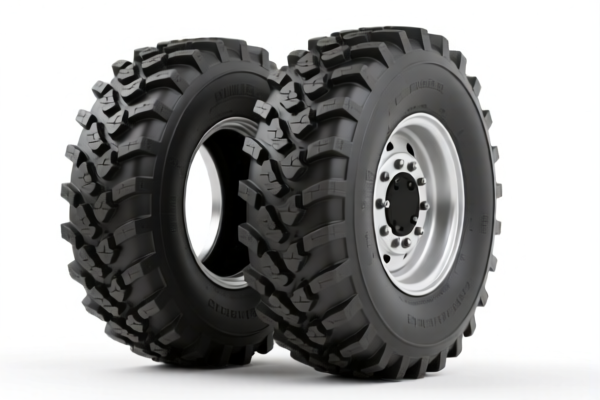
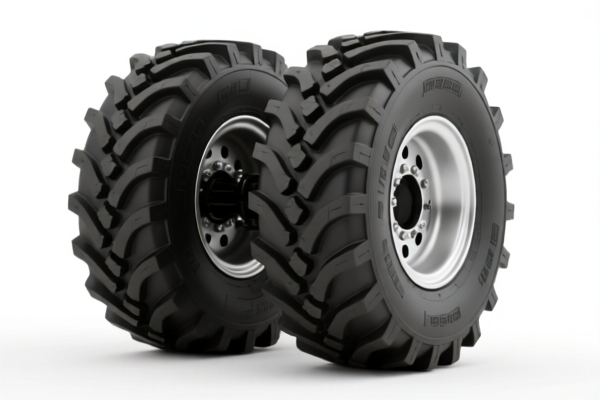
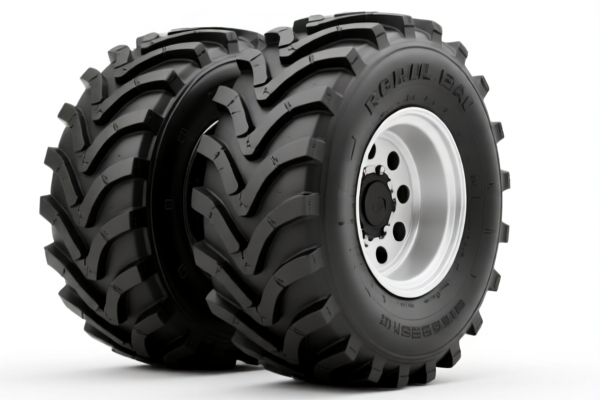
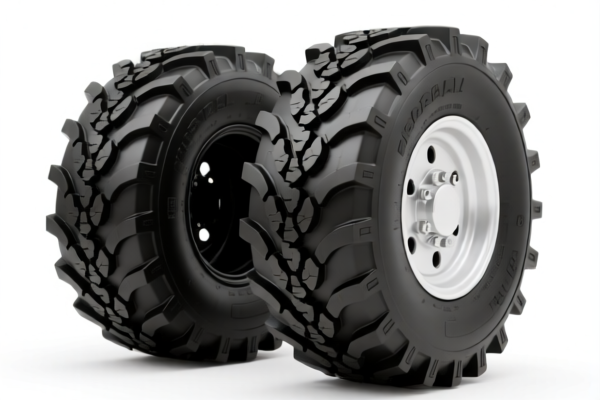
AI Analysis
🚜 Bus Off-Road Tire & Rim (Heavy-Duty Transport Equipment)
🌐 HS Code Reference & Customs Clearance Guide | 2026 Latest Tariff Analysis | Professional Level Entry Strategy 📌 I. Product Definition & Classification: Do You Really Understand "Off-Road Bus Tires"?
"Bus Off-Road Tire" refers to rubber tires specifically designed for buses operating on unpaved, rugged, or rough terrain (e.g., construction sites, mines, rural mountain roads). The input includes "Rim," which is critical for classification because: * Tires (Rubber) are classified under Chapter 40. * Rims (Metal/Aluminum) are classified under Chapter 87 (Parts of Vehicles) or Chapter 73/76 (Metal Parts), not Chapter 40.
⚠️ Key Distinction: - If you declare "Tire and Rim" together: Customs may split them. The Tire goes to HS 4011/4012, while the Rim requires a different HS Code (not listed in the provided data). This guide focuses strictly on the TIRE component as per the provided
<DATA>. - Material: Inferred as Rubber (Vulcanized). - Usage: Buses (Public/Transport) + Off-Road (Non-Highway/Rough Terrain).
📦 II. HS Code Classification Details (Based on Provided Data)
The provided data suggests multiple potential HS codes for the Tire component. Below is the analysis for each, focusing on the specific logic provided in the JSON.
| HS Code | Summary/Logic from Data | Key Characteristics |
|---|---|---|
| 4012.20.60.00 | Used/Retreaded Tires? | Matches "Tire" morphology, Rubber material. Logic: "Used pneumatic tires classification." ⚠️ Note: Data mentions "Used" (旧) logic. |
| 4011.20.50.50 | New Pneumatic Tires | "Bus" = Use, "Off-Road" = Non-highway. Rubber material inferred. Matches "New pneumatic tires" classification. ✅ Primary Candidate for New Tires |
| 4016.99.60.10 | Rubber Articles (Misc) | Logic: Tire as "Rubber Product," "Automotive Mechanical Parts." Matches "Vulcanized Rubber Articles." ⚠️ Generic fallback. |
| 4012.12.80.50 | Other Rubber Products | "Bus" use + "Tire" morphology. Logic: "Other" category fallback. Assumes no material conflict. |
| 4011.20.10.35 | New Pneumatic Tires (Specific) | "Bus" = Use, "Off-Road" = Non-highway. Rubber material inferred. ✅ Primary Candidate for New Tires |
🔍 Critical Warning: - HS Code 4012 typically covers used, retreaded, or repaired pneumatic tires (or specific industrial tires depending on national sub-codes). The data explicitly mentions "Used" (旧) logic for 4012.20.60.00. - HS Code 4011 typically covers new pneumatic tires. Codes 4011.20.50.50 and 4011.20.10.35 are for new tires. - Rims are NOT included in these codes. You must declare rims separately (usually under Chapter 8708.98 or similar, depending on material). Do not mix them in one line item if possible to avoid misclassification penalties.
💰 III. 2026 Latest Tariff Rate Breakdown (Detailed Policy)
✅ Applicable Country: United States (US) ✅ Origin: China (CN) ✅ Effective Time: Post-November 2025 (Current 2026 Context)
All listed HS Codes in the data include the following surcharges: 1. Base Tariff: 0% - 4.0% 2. Section 301 Tariff (Add-on): 25.0% 3. IEEPA Section 122 Tariff: 10.0%
🎯 1. 4012.20.60.00 —— Used/Retreaded Pneumatic Tires (Logic: Old Tires)
| Item | Content |
|---|---|
| Base Rate | 0.0% |
| Section 301 Add-on | +25.0% |
| IEEPA 122 Add-on | +10.0% |
| Total Rate | 35.0% |
| Calculation | CIF Value × 35% |
| De Minimis Eligibility | ❌ NO (High tariff goods) |
| Legal Basis Path | IEEPA:9903.01.25 → 301 Tariff: Footnote → USITC:4012.20.60.00 |
📌 Explanation: - This code is likely for used or retreaded tires. Importing used tires into the US is heavily restricted or prohibited under certain conditions (46 CFR 4.01). Ensure compliance with EPA and DOT regulations for used tires. - If these are new tires, this code is likely incorrect.
🎯 2. 4011.20.50.50 —— New Pneumatic Tires (Bus/Off-Road)
| Item | Content |
|---|---|
| Base Rate | 3.4% |
| Section 301 Add-on | +25.0% |
| IEEPA 122 Add-on | +10.0% |
| Total Rate | 38.4% |
| Calculation | CIF Value × 38.4% |
| De Minimis Eligibility | ❌ NO |
| Legal Basis Path | IEEPA:9903.01.24 → 301 Tariff → USITC:4011.20.50.50 |
📌 Explanation: - Best fit for NEW Bus Off-Road Tires. - Matches "Bus" (purpose) and "Off-Road" (non-highway). - Total tax burden is high due to US-China trade tensions.
🎯 3. 4016.99.60.10 —— Other Vulcanized Rubber Articles
| Item | Content |
|---|---|
| Base Rate | 2.5% |
| Section 301 Add-on | +25.0% |
| IEEPA 122 Add-on | +10.0% |
| Total Rate | 37.5% |
| Calculation | CIF Value × 37.5% |
| De Minimis Eligibility | ❌ NO |
📌 Explanation: - This is a generic fallback. Using this for tires may trigger customs audits because tires have specific headings (4011/4012). Only use if the tire cannot be classified under 4011/4012 (e.g., very specialized industrial rubber parts that aren't standard tires).
🎯 4. 4012.12.80.50 —— Other Rubber Products (Fallback)
| Item | Content |
|---|---|
| Base Rate | 3.4% |
| Section 301 Add-on | +25.0% |
| IEEPA 122 Add-on | +10.0% |
| Total Rate | 38.4% |
| Calculation | CIF Value × 38.4% |
| De Minimis Eligibility | ❌ NO |
📌 Explanation: - Similar to 4012.20.60.00, this falls under Chapter 4012. Likely for used/retreaded or specific non-standard rubber items. Not recommended for new bus tires.
🎯 5. 4011.20.10.35 —— New Pneumatic Tires (Specific Sub-category)
| Item | Content |
|---|---|
| Base Rate | 4.0% |
| Section 301 Add-on | +25.0% |
| IEEPA 122 Add-on | +10.0% |
| Total Rate | 39.0% |
| Calculation | CIF Value × 39.0% |
| De Minimis Eligibility | ❌ NO |
📌 Explanation: - Another valid code for NEW bus off-road tires. - Slightly higher base rate (4.0% vs 3.4%) but same logic as 4011.20.50.50. - Choose between
4011.20.50.50and4011.20.10.35based on exact size/ply rating details in the invoice.
🛠️ IV. Customs Clearance Practical Advice (Pitfall Avoidance Guide)
✅ 1. Essential Documentation Checklist
| Document | Required | Notes |
|---|---|---|
| ✅ Commercial Invoice | ✔️ | Must clearly state: "New Pneumatic Rubber Tires for Bus, Off-Road Use." Do NOT combine Rim and Tire in the same description line if possible. |
| ✅ Packing List | ✔️ | List Tires and Rims in separate lines if shipped together, to clarify HS codes. |
| ✅ Product Specification Sheet | ✔️ | Must include: Tire Size (e.g., 12R22.5), Ply Rating, Tread Pattern, Rubber Material Confirmation. |
| ✅ Certificate of Origin (CO) | ✔️ | To confirm Chinese origin for tariff calculation. |
| ✅ DOT Certification | ✔️ | Tires imported into the US MUST comply with DOT (Department of Transportation) safety standards. Ensure the sidewall has the DOT mark. |
| ✅ EPA Declaration | ✔️ | If using Used/Retreaded tires (4012), strict EPA regulations apply. New tires are exempt from some restrictions but must be verified. |
✅ 2. Declaration Tips (Key Mantras)
🔥 "Separate Tire and Rim, New vs Used is Key, DOT Mark is Mandatory, High Tariff is Inevitable!"
| Situation | Correct Declaration | Incorrect Practice |
|---|---|---|
| New Tires Only | HS 4011.20.50.50 or 4011.20.10.35 | Declaring as 4012 (Used) → Risk of fraud penalty |
| Used/Retreaded Tires | HS 4012.20.60.00 (if allowed) | Declaring as New (4011) → Illegal import of used tires |
| Tire + Rim Combined | Split Line Items | One line "Tire and Rim" → Confusion, potential audit |
| Rim Only | Not in Data (Usually Ch. 87) | Putting Rim in HS 4011 → Misclassification |
✅ 3. Special Circumstances
| Situation | Handling Advice |
|---|---|
| OEM Bus Tires | Provide OEM contract or brand authorization. Ensure "Bus" usage is clear. |
| Tires with Rims | Declare Separately. Tires → HS 4011. Rims → HS 8708.98 (or similar). Do not lump them. |
| High Tariff Cost | 35%-39% is very high. Consider if the tires can be sourced from Vietnam, Mexico, or Thailand to apply for IEEPA Exemptions (if eligible) or avoid Section 301 tariffs. |
| DOT Compliance | Without DOT marking on the tire sidewall, the goods will be seized by CBP. |
🌍 V. Global Market Comparison (2026 Latest)
| Country/Region | Recommended HS Code (Tire) | Base Tariff | US Add-ons (Section 301 + 122) | Total Tax (China Origin) | Notes |
|---|---|---|---|---|---|
| 🇺🇸 USA | 4011.20.50.50 |
3.4% | +35% (25% + 10%) | 38.4% | Strict DOT/EPA rules. |
| 🇨🇳 China | 4011.20.50.00 |
10-14%* | None | ~10-14% | *Note: Data is US-focused. |
| 🇪🇺 EU | 4011.20.00 |
0% | None | 0% | No Section 301/IEEPA. |
| 🇦🇺 Australia | 4011.20.00 |
5% | None | 5% | No US-style tariffs. |
| 🇯🇵 Japan | 4011.20.00 |
0-5% | None | 0-5% | Depends on FTAs. |
📌 Conclusion: - The US market is the most expensive for Chinese-made tires due to the 35% surcharge. - If targeting the US, ensure strict DOT compliance to avoid seizure. - Consider third-country manufacturing (e.g., Vietnam) to mitigate tariff risks if volumes are high.
📌 VI. Common Errors & Pitfall Guide (Blood Lessons)
❌ Error 1: Declaring Rims under HS 4011 (Tires) 👉 Consequence: Misclassification, potential audit, delayed customs clearance. 👉 Fix: Declare Rims under Chapter 87 (Parts of Vehicles).
❌ Error 2: Declaring New Tires as Used (4012) 👉 Consequence: High scrutiny, potential anti-dumping investigations, or penalty for false declaration. 👉 Fix: Use HS 4011 for new tires.
❌ Error 3: Missing DOT Mark on Invoice/Photo 👉 Consequence: Goods Seized by CBP. DOT marks are mandatory for road-use tires. 👉 Fix: Verify DOT markings on physical samples before shipping.
❌ Error 4: Ignoring Section 122 Tariff (10%) 👉 Consequence: Underpayment of duties, resulting in back-taxes and interest. 👉 Fix: Include the 10% IEEPA 122 tariff in your cost calculation.
✅ Correct Practice:
"New Pneumatic Rubber Tires for Bus, Off-Road Use, Size 12R22.5, DOT Certified, Model XYZ, Country of Origin: China" (Declare Rims separately: "Steel Rims for Bus, Size 12R22.5, HS 8708.98")
🎯 VII. Conclusion: Professional Declaration, Save Money, Save Time!
🎯 Remember the Mantra:
🔹 "Tires and Rims Separate, New Tires 4011, Used 4012, DOT Mark is Life, Tariff 38% is the Price!" 🔹 "HS Code Decides Fate, Tariff Difference is Key, Declaration Mistake Costs Big!"
📌 Tip: If your tires are sourced from Vietnam, Mexico, Thailand, or Malaysia, you may apply for IEEPA Exemptions to reduce the 10% surcharge. For Section 301 (25%), exemptions are limited, so supply chain diversification is key.
📣 Immediate Action:
📞 Contact a professional customs broker + Provide Product Photos (with DOT mark) + Apply for HS Code Advance Ruling. 🚀 Ensure your tires clear customs smoothly, efficiently, and profitably!
✨ Professional Clearance Starts with Accurate Classification! 💼 Every Cent of Your Cost Deserves Precise Calculation!
Customer Reviews
About HS Code Classification
The Harmonized System (HS) is an internationally standardized nomenclature developed by the World Customs Organization (WCO) to classify traded products. Over 200 countries use the HS system as the basis for customs tariffs, trade statistics, and import/export regulations.
Each HS code follows a hierarchical structure:
- Chapter (2 digits) — Broad category of goods (e.g., Chapter 84: Machinery and Mechanical Appliances)
- Heading (4 digits) — More specific grouping within the chapter
- Subheading (6 digits) — Internationally standardized breakdown, used by all WCO member countries
- National subdivisions (8-10 digits) — Country-specific extensions for further classification, such as US HTSUS 10-digit codes
Correct HS code classification is essential for smooth customs clearance, accurate duty payment, and compliance with trade regulations. Misclassification can lead to customs delays, overpayment of duties, or penalties.
When importing from CN to US, the applicable tariff rates may include:
- Most-Favored-Nation (MFN) rate — The standard duty rate applied to WTO members
- General rate — Applied to countries without trade agreements
- Trade remedy duties — Additional tariffs such as Section 301 (anti-dumping), Section 232 (national security), or countervailing duties
The information provided on this page is for reference purposes only. For official classification, please consult with your local customs authority or a licensed customs broker.