Bus Radial Pneumatic Tire
CN → US| HS Code | Tariff Rate | Origin | Destination | Doc |
|---|---|---|---|---|
| 4011400000 | 35.0% | CN | US | Official Doc |
| 4011902050 | 39.0% | CN | US | Official Doc |
| 4012198000 | 20.9% | CN | US | Official Doc |
| 4013905010 | 38.7% | CN | US | Official Doc |
| 4012909000 | 37.7% | CN | US | Official Doc |
Product Images
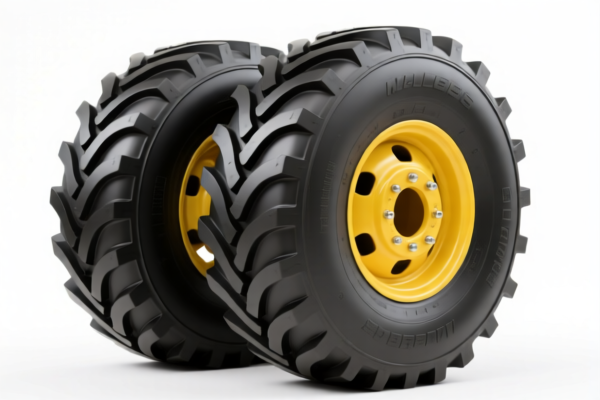
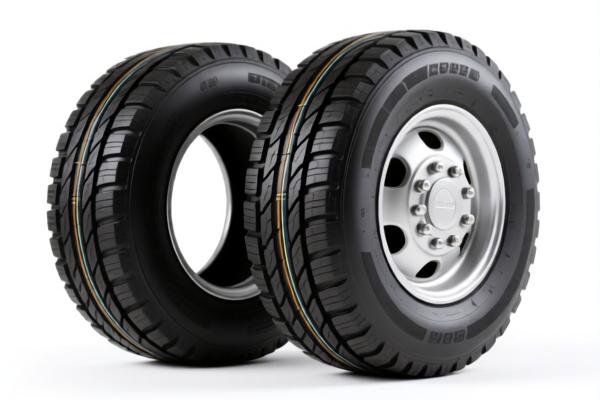
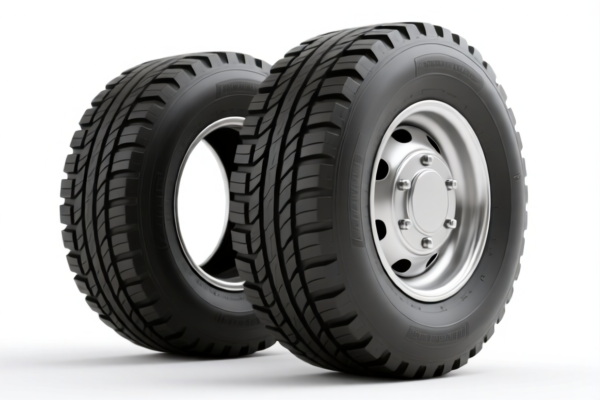
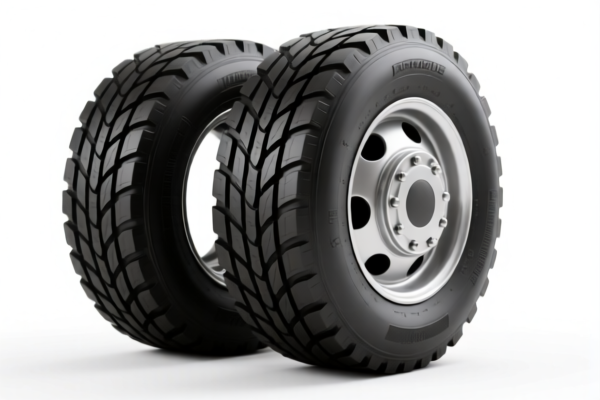
AI Analysis
🚌 Bus Radial Pneumatic Tire
🌐 HS Code Reference & Customs Clearance Guide | 2026 Latest Tariff Analysis | Professional Customs Strategy
📌 I. Product Definition & Classification: Do You Really Understand "Bus Radial Pneumatic Tires"?
A bus radial pneumatic tire is a critical safety component for commercial transportation vehicles. In international trade, it is classified under Chapter 40 (Rubber and Articles Thereof). The key distinction lies in the structure (Radial/Bias) and application (Bus vs. Truck/Van).
⚠️ Critical Distinction:
- Radial Construction: The casing cords run radially across the tire (90 degrees to the direction of travel). This is the modern standard for buses due to better heat dissipation and durability.
- Pneumatic: Air-filled, as opposed to solid rubber tires.
- Application: Specifically designed for buses (passenger transport), distinguishing it from truck tires or automobile tires.
📦 II. HS Code Classification Details (2026 Latest Tariff Authority Comparison)
Based on the provided data, here are the potential HS Codes and their matching logic. Note that while multiple codes may appear in preliminary searches, 4011.40.00.00 is the most technically accurate for "Bus Radial Tires."
| HS Code | Product Description | Matching Logic & Summary | Total Tax Rate |
|---|---|---|---|
4011.40.00.00 |
Tires of a kind used on buses or vans, new, of rubber, pneumatic (Radial) | ✅ Best Match. The product name "Bus" matches the specific category in heading 4011.40. "Radial" is a structural feature consistent with this code. No material or use conflicts. | 35.0% |
4011.90.20.50 |
Other new pneumatic rubber tires, radial (General Category) | ⚠️ Alternative. Matches based on material (Rubber) and structure (Radial). However, it is a broader "Other" category. If the tire is explicitly for buses, 4011.40 is more specific. | 39.0% |
4012.19.80.00 |
Retreaded or used pneumatic rubber tires | ❌ Mismatch. This code is typically for retreaded or used tires. If the product is new, this code is incorrect. | 20.9% |
4013.90.50.10 |
Pneumatic inner tubes | ❌ Mismatch. This code is for inner tubes, not the tire itself. Unless the shipment is ONLY inner tubes, this is incorrect. | 38.7% |
4012.90.90.00 |
Other used pneumatic rubber tires / Parts | ❌ Mismatch. This is a catch-all for used tires or parts. New bus tires should not be classified here. | 37.7% |
🔍 Key Insight:
-4011.40.00.00is the most precise code for New Radial Tires for Buses.
- Avoid4011.90...unless the bus-specific subheading is unavailable or the tire is multi-purpose (e.g., also fits certain vans).
- Do not confuse "Tire" with "Inner Tube" (4013).
💰 III. 2026 Latest Tariff Rate Details (Including Surtaxes & Policy Add-ons)
✅ Applicable Country: United States (US)
✅ Country of Origin: China (CN)
✅ Effective Date: November 10, 2025 (and subsequent imports)
🎯 1. 4011.40.00.00 —— Radial Tires for Buses (New)
| Item | Content |
|---|---|
| Base Tariff | 0.0% (ad valorem) |
| Section 301 Surcharge | +25.0% (Under USITC Footnote 9903.88.01) |
| IEEPA Surcharge | +10.0% (Targeting China/HK products, effective Nov 10, 2025) |
| Total Tax Rate | 35.0% |
| Tax Calculation | CIF Value × 35% |
| De Minimis Exemption | ❌ Not Eligible (deny_de_minimis) |
| Legal Basis Path | IEEPA:9903.01.25 → IEEPA:9903.01.24 → USITC:4011.40.00.00 → FOOTNOTE:9903.88.01 |
📌 Explanation:
- Although the base tariff for many tires is 0%, China-origin tires face significant additional duties.
- The 25% Section 301 tariff applies to rubber products from China.
- The 10% IEEPA surcharge is a new layer of duty effective late 2025.
- Total 35% is a high barrier to entry. Price competitiveness must be carefully calculated.
🎯 2. 4011.90.20.50 —— Other Radial Tires (General)
| Item | Content |
|---|---|
| Base Tariff | 4.0% |
| Section 301 Surcharge | +25.0% |
| IEEPA Surcharge | +10.0% |
| Total Tax Rate | 39.0% |
| Tax Calculation | CIF Value × 39% |
| De Minimis Exemption | ❌ Not Eligible |
📌 Note:
- If4011.40.00.00is deemed incorrect (e.g., tire is not exclusively for buses), the tax jumps to 39%.
- Always aim for the most specific code (4011.40) to potentially avoid the 4% base duty, though the surcharges remain similar.
🛠️ IV. Customs Clearance Practical Advice (Pitfall Avoidance Guide)
✅ 1. Required Documentation Checklist
| Document | Mandatory? | Description |
|---|---|---|
| ✅ Commercial Invoice | ✔️ | Must clearly state: "New Radial Pneumatic Tire for Bus, Made in China." |
| ✅ Packing List | ✔️ | Detail weight, dimensions, and number of tires per container. |
| ✅ Product Specifications | ✔️ | Include tire size (e.g., 12R22.5), load index, speed rating, and structure (Radial). |
| ✅ Proof of Origin (CO) | ✔️ | Certificate of Origin is crucial for verifying Chinese origin and applying (or disputing) surcharges. |
| ✅ Letter of Explanation | ⚠️ Recommended | If the tire fits multiple vehicle types, explain why it is classified as "Bus" tire. |
✅ 2. Declaration Tips (Key Mantras)
🔥 "Radial is Key, Bus is Specific, New is Mandatory!"
| Scenario | Correct Declaration | Incorrect Practice |
|---|---|---|
| New Bus Tires | 4011.40.00.00 |
Declare as 4011.90... → Higher Base Duty (4% vs 0%) |
| Retreaded Tires | 4012.19... |
Declare as new tires → Fraudulent Misclassification |
| Inner Tubes | 4013.90... |
Declare as tires → HS Code Error |
| Mixed Shipment (Tires + Tubes) | Separate HS Codes | Combine into one HS Code → Customs Penalty |
✅ 3. Special Case Handling
| Scenario | Handling Advice |
|---|---|
| OEM Tires for Bus Manufacturers | Provide the bus manufacturer's purchase order to prove "Bus" application. |
| Tires for Both Bus and Truck | If the primary design is for buses, use 4011.40.00.00. If ambiguous, be prepared to argue for 4011.90... or risk detention. |
| High-Tax Impact | Consider Supply Chain Diversification: Importing tires from Vietnam or Thailand may avoid the 35% China-specific surcharges (if origin rules are met). |
🌍 V. Global Market Clearance Comparison (2026 Latest)
| Country/Region | Recommended HS Code | Tariff (China Origin) | Certification Requirements | Remarks |
|---|---|---|---|---|
| 🇺🇸 USA | 4011.40.00.00 |
35% (Base 0% + 25% + 10%) | DOT, SNARL (if applicable) | High surcharge due to trade policies. |
| 🇨🇳 China | 4011.40.00.00 |
10-12% (Import Duty) | CCC (if applicable) | Lower base duty, no Section 301. |
| 🇪🇺 EU | 4011.40.00 |
0% (MFN) | ECE Mark (R108/R109) | No anti-dumping duties on tires currently. |
| 🇦🇺 Australia | 4011.40.00 |
5% | SAA Certification | Moderate duty, no major surcharges. |
📌 Conclusion:
- The USA is the most expensive market due to the 35% total tariff.
- Europe and Australia offer more favorable tariff structures.
- For US imports, cost-benefit analysis is critical. A 35% duty can erase profit margins for low-cost tires.
📌 VI. Common Mistakes & Pitfall Guide (Lessons Learned)
❌ Mistake 1: Confusing "Radial" with "Bias"
👉 Consequence: Radial tires have different tax codes than Bias tires. Misclassification leads to delays and fines.
👉 Fix: Always specify "Radial" in the product name.
❌ Mistake 2: Declaring "Bus Tire" when it’s for a Truck
👉 Consequence: Customs may reclassify to 4011.11 (Truck) or 4011.20 (Car), altering duty rates.
👉 Fix: Ensure the tire size and load index match bus specifications.
❌ Mistake 3: Ignoring IEEPA Surcharge
👉 Consequence: Underpaying 10% of duty value. Penalties + Interest.
👉 Fix: Budget for the full 35% effective rate in your pricing model.
❌ Mistake 4: Mixing New and Used Tires in One Declaration
👉 Consequence: Severe customs penalties for fraud.
👉 Fix: Ship new and used/retreaded tires in separate shipments with distinct HS Codes.
✅ Correct Declaration Example:
"Bus Radial Pneumatic Tire, New, Size 12R22.5, Radial Structure, Made in China, For Passenger Bus Use."
🎯 VII. Conclusion: Professional Declaration, Cost Optimization
🎯 Remember the Mantra:
🔹 "Radial Bus Tire, Code 4011.40, 35% Tax, Think Twice!"
🔹 "New is 35%, Retreaded is 21%, Origin Matters!"
📌 Pro Tip:
If your bus tires are originally manufactured in Vietnam, Thailand, or Indonesia, they may be exempt from the China-specific 25% + 10% surcharges.
✅ Recommendation:
1. Verify Origin: Ensure "Made in [Country]" is clearly marked on the tire sidewall.
2. Apply for Advance Ruling: Submit a binding ruling request to US Customs to confirm the HS Code and tax rate before shipment.
3. Supply Chain Audit: Consider sourcing from non-China origins if the 35% duty erodes competitiveness.
📣 Take Action Now:
📞 Contact a licensed customs broker + Provide Tire Sidewall Photos + Request HS Code Ruling
🚀 Ensure Smooth Clearance, Maximize Profit, Stay Compliant!
✨ Professional Customs Clearance Starts with Accurate Classification!
💼 Every Percentage Point of Duty Counts!
Customer Reviews
About HS Code Classification
The Harmonized System (HS) is an internationally standardized nomenclature developed by the World Customs Organization (WCO) to classify traded products. Over 200 countries use the HS system as the basis for customs tariffs, trade statistics, and import/export regulations.
Each HS code follows a hierarchical structure:
- Chapter (2 digits) — Broad category of goods (e.g., Chapter 84: Machinery and Mechanical Appliances)
- Heading (4 digits) — More specific grouping within the chapter
- Subheading (6 digits) — Internationally standardized breakdown, used by all WCO member countries
- National subdivisions (8-10 digits) — Country-specific extensions for further classification, such as US HTSUS 10-digit codes
Correct HS code classification is essential for smooth customs clearance, accurate duty payment, and compliance with trade regulations. Misclassification can lead to customs delays, overpayment of duties, or penalties.
When importing from CN to US, the applicable tariff rates may include:
- Most-Favored-Nation (MFN) rate — The standard duty rate applied to WTO members
- General rate — Applied to countries without trade agreements
- Trade remedy duties — Additional tariffs such as Section 301 (anti-dumping), Section 232 (national security), or countervailing duties
The information provided on this page is for reference purposes only. For official classification, please consult with your local customs authority or a licensed customs broker.