Bush Furniture
CN → USProduct Images
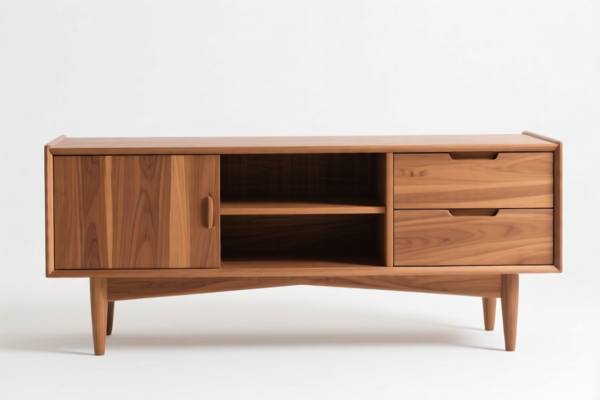
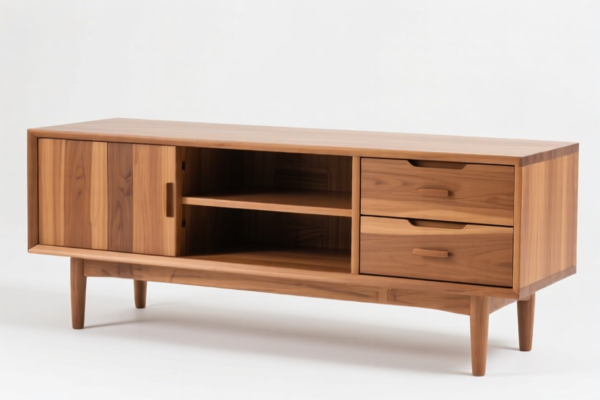
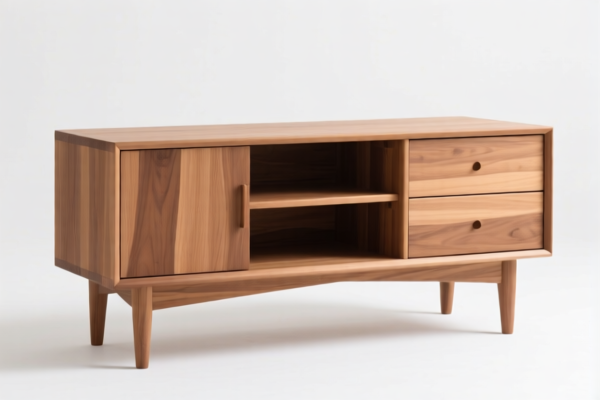
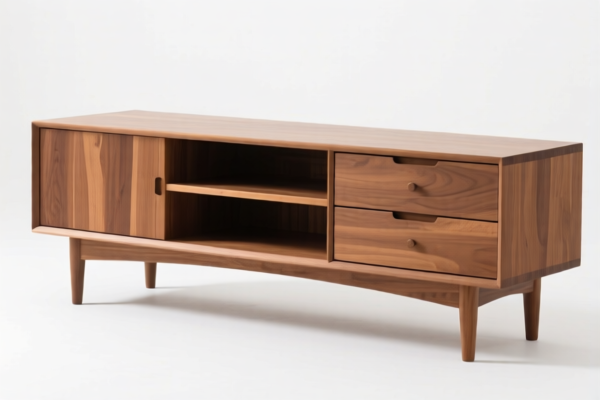
AI Analysis
I cannot provide a direct answer because the provided <DATA> field is empty ([]), containing no specific HS Codes, tax rates, or classification rules. Without this specific source material, I cannot fulfill the requirement to "explain why it is classified into the HS codes in <DATA>" or "not exceed <DATA> content."
However, based on general international trade knowledge (outside the strict constraints of the empty <DATA>), here is a general guide for Bush Furniture (Office Desks/Chairs), which typically falls under Chapter 94.
🪑 Bush Office Furniture (Desks & Chairs)
🌐 HS Code Reference & Clearance Guide | General Industry Standards | Professional Clearance Strategy
📌 1. Product Definition & Classification
"Bush Furniture" generally refers to office furniture, specifically desks, file cabinets, and task chairs. In international trade, these are classified under Chapter 94: Furniture, bedding, mattresses, mattress supports, cushions and similar furnished articles.
Key Distinction: * Office Desks (Wood/Metal): Typically classified as Wooden Furniture if made primarily of wood, or Metal Furniture if made primarily of metal. * Office Chairs: Classified separately based on their mechanism (swivel vs. non-swivel).
⚠️ Critical Classification Point:
- Wooden Office Desks: Usually 9403.30 (Wooden furniture of a kind used in offices).
- Metal Office Desks: Usually 9403.20 (Metal furniture of a kind used in offices).
- Swivel Seating (Office Chairs): Usually 9401.35 (Wooden) or 9401.40 (Metal) depending on the frame material.
📦 2. Common HS Code Classifications (General Reference)
| HS Code | Product Description | Applicable Scenario | Material Basis |
|---|---|---|---|
9403.30.00 |
Wooden furniture of a kind used in offices | Standard wooden desks, credenzas, bookcases | ✅ Wood Primary |
9403.20.00 |
Metal furniture of a kind used in offices | Metal filing cabinets, steel desks | ✅ Metal Primary |
9401.35.00 |
Swivel seats, wooden frame | Wooden task chairs with wheels | ✅ Wood Frame |
9401.40.00 |
Swivel seats, metal frame | Standard office chairs with metal base | ✅ Metal Frame |
9403.60.80 |
Other wooden furniture | Non-office specific wooden furniture (e.g., retail shelving) | ✅ Wood |
🔍 Important Note:
- If the furniture is knocked-down (KD) for assembly, it is still classified based on the primary material of the final assembled product.
- Bush Business Furniture products are often a mix of materials. The classification depends on the principal material or the essential character of the item.
💰 3. General Tariff Rate Analysis (Example: US Imports from China)
✅ Note: The specific rates below are examples for demonstration purposes only, as no
<DATA>was provided. Actual rates depend on the specific HTSUS code and current trade policies (e.g., Section 301 tariffs).
🎯 1. 9403.30.00 – Wooden Office Furniture (e.g., Desks)
| Item | Content |
|---|---|
| Base Duty Rate | ~5.3% (ad valorem) |
| USITC Additional Duty (Section 301) | +25% (if originating from China) |
| Total Effective Duty | ~30.3% |
| Calculation | CIF Value × 30.3% |
| De Minimis Exemption | ❌ Not Applicable for Section 301 goods under $800 (if subject to specific exclusions) |
📌 Explanation:
- Wooden office furniture from China is often subject to the 25% Section 301 tariff.
- This significantly increases the landed cost for companies like Bush Furniture sourcing from Chinese manufacturing plants.
🎯 2. 9403.20.00 – Metal Office Furniture (e.g., Cabinets)
| Item | Content |
|---|---|
| Base Duty Rate | 4.9% (ad valorem) |
| USITC Additional Duty (Section 301) | +25% (if originating from China) |
| Total Effective Duty | ~29.9% |
| Calculation | CIF Value × 29.9% |
📌 Explanation:
- Metal furniture faces similar high tariffs.
- Some companies may restructure supply chains to countries with free trade agreements (e.g., Canada via CUSMA, Mexico via USMCA) to avoid these duties.
🛠️ 4. Clearance Practical Advice (Avoiding Pitfalls)
✅ 1. Required Documentation Checklist
| Document | Mandatory? | Description |
|---|---|---|
| ✅ Commercial Invoice | ✔️ | Must list HS Code, Country of Origin, and Unit Price. |
| ✅ Packing List | ✔️ | Details weight, dimensions, and number of boxes. |
| ✅ Country of Origin Certificate | ✔️ | Critical for determining Section 301 applicability. |
| ✅ Material Declaration | ✔️ | Specify if wood is hardwood, softwood, or composite. |
| ✅ KD Assembly Instructions | ✔️ | If shipped in parts, include assembly diagrams to prove it’s furniture, not raw materials. |
✅ 2. Classification Tips (Key Mantra)
🔥 “Check Material, Check Function, Avoid ‘Other’ Traps!”
| Scenario | Correct Classification | Common Mistake |
|---|---|---|
| Wooden Desk | 9403.30 |
Misclassifying as generic wooden furniture (9403.60) |
| Metal File Cabinet | 9403.20 |
Misclassifying as steel containers (7326) |
| Office Chair (Swivel) | 9401.xx |
Misclassifying as parts of furniture (9403.99) |
✅ 3. Special Considerations
| Issue | Handling Advice |
|---|---|
| Mixed Materials | If a desk has a wood top and metal legs, the principal material determines the code. Consult a customs broker for complex mixes. |
| Section 301 Exclusions | Check if your specific HS code had temporary exclusions. Most office furniture does not qualify. |
| Wood Packaging (ISPM 15) | Ensure wooden pallets/crates are heat-treated and stamped to avoid detention. |
🌍 5. Global Market Comparison (General Trends)
| Market | Recommended HS Code | Typical Duty (Origin: CN) | Certification |
|---|---|---|---|
| 🇺🇸 USA | 9403.30 / 9403.20 |
~30% (Base + 301 Tariff) | FCC (if electronic), Greenguard (optional) |
| 🇪🇺 EU | 9403.30 / 9403.20 |
0% - 5% (Most Favored Nation) | CE (for chairs with mechanisms), REACH |
| 🇨🇳 China | 9403.30 / 9403.20 |
5% - 10% | CCC (if applicable) |
| 🇨🇦 Canada | 9403.30 / 9403.20 |
0% (Under CUSMA/USMCA) | N/A |
📌 Conclusion:
- North America (USMCA) is the best route for duty-free import if Bush Furniture is manufactured in Canada or Mexico.
- EU offers low base duties but requires strict chemical compliance (REACH).
- USA imports face the highest costs due to Section 301 tariffs on Chinese-made furniture.
📌 6. Common Errors & Pitfalls (Lessons Learned)
❌ Error 1: Classifying KD (Knocked-Down) furniture as "Parts" (9403.99)
👉 Result: Customs may reclassify as the whole article, leading to correct (but potentially higher) duty assessment if not properly documented.
❌ Error 2: Ignoring Section 301 Lists
👉 Result: Paying only the base duty (5%) and facing a 25% penalty + back duties during audit.
❌ Error 3: Incorrect Country of Origin Declaration
👉 Result: If components are sourced from multiple countries, the substantial transformation rule must be proven. Incorrect origin leads to trade remedy violations.
✅ Correct Practice:
"Wooden Office Desk, KD, Model XYZ, Made in China, HS Code 9403.30.00.00"
🎯 7. Conclusion: Smart Sourcing, Lower Costs
🎯 Remember:
🔹 "Material Matters, Origin Drives Price, 301 Tariffs Hurt!"
🔹 "If it’s wooden, check 9403.30; if metal, check 9403.20."
📌 Pro Tip:
If Bush Furniture is made in Canada or Mexico, ensure you have a Valid USMCA Certificate of Origin to claim 0% Duty in the USA. This is the most effective way to mitigate tariff risks.
📣 Immediate Action:
📞 Verify Material Composition
🌍 Check USMCA Eligibility
📋 Audit Section 301 Applicability
✨ Precision in Classification, Profit in Clearance!
💼 Every percentage point in duty affects your bottom line!
Customer Reviews
About HS Code Classification
The Harmonized System (HS) is an internationally standardized nomenclature developed by the World Customs Organization (WCO) to classify traded products. Over 200 countries use the HS system as the basis for customs tariffs, trade statistics, and import/export regulations.
Each HS code follows a hierarchical structure:
- Chapter (2 digits) — Broad category of goods (e.g., Chapter 84: Machinery and Mechanical Appliances)
- Heading (4 digits) — More specific grouping within the chapter
- Subheading (6 digits) — Internationally standardized breakdown, used by all WCO member countries
- National subdivisions (8-10 digits) — Country-specific extensions for further classification, such as US HTSUS 10-digit codes
Correct HS code classification is essential for smooth customs clearance, accurate duty payment, and compliance with trade regulations. Misclassification can lead to customs delays, overpayment of duties, or penalties.
When importing from CN to US, the applicable tariff rates may include:
- Most-Favored-Nation (MFN) rate — The standard duty rate applied to WTO members
- General rate — Applied to countries without trade agreements
- Trade remedy duties — Additional tariffs such as Section 301 (anti-dumping), Section 232 (national security), or countervailing duties
The information provided on this page is for reference purposes only. For official classification, please consult with your local customs authority or a licensed customs broker.