Bushing
CN → US| HS Code | Tariff Rate | Origin | Destination | Doc |
|---|---|---|---|---|
| 7326908688 | 87.9% | CN | US | Official Doc |
| 7326190080 | 87.9% | CN | US | Official Doc |
| 4016996010 | 37.5% | CN | US | Official Doc |
| 4016996050 | 37.5% | CN | US | Official Doc |
| 3926904590 | 13.5% | CN | US | Official Doc |
| 3926305000 | 22.8% | CN | US | Official Doc |
Product Images

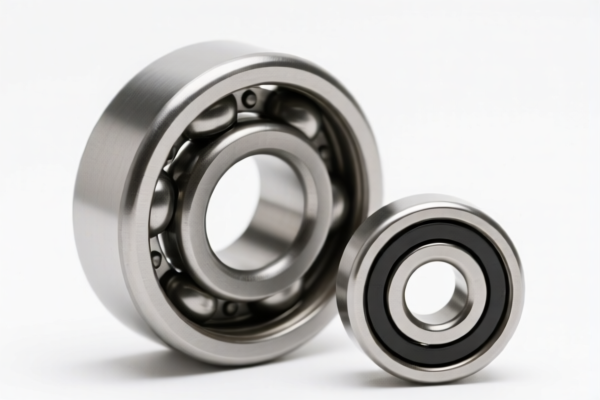
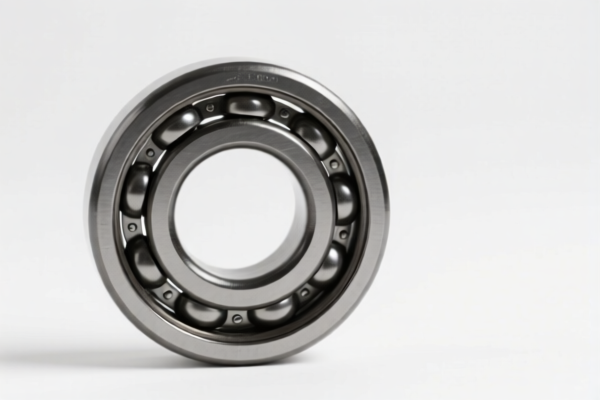
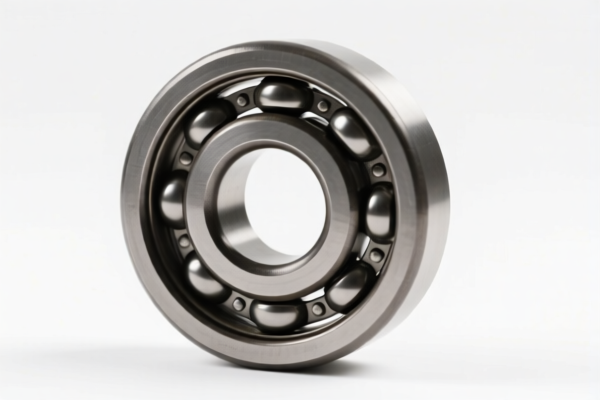
AI Analysis
Based on the data provided in your <DATA> block, the term "bushing" in this specific context refers to a mechanical part (likely a sleeve, bearing, or seal component) intended for use within a motor vehicle.
Since "bushing" is a generic term that can be made of rubber, plastic, or metal, its classification depends heavily on the material. Based strictly on your provided dataset, here is the analysis for the most likely scenario: a vulcanized rubber bushing (the most common type for vehicle suspension or vibration isolation).
🚗 Analysis of "Bushing" Based on Your Data
1. The Most Likely Classification: Rubber Bushing
If the bushing is made of vulcanized rubber (common for vehicle suspension components):
* HS Code: 4016.99.60.10
* Description: Other articles of vulcanized rubber other than hard rubber: Other: Other: Other: Other: Other Mechanical articles for motor vehicles
* Tax Analysis:
* Base Duty: 0.0%
* Additional Duty: 0.0%
* Total Tax: 0.0%
* Why this code?
* This HS Code specifically captures "Mechanical articles for motor vehicles" made of rubber.
* It is distinct from generic rubber articles (Code 4016.99.60.50) which carry a heavy tax burden because it is explicitly for vehicles.
* Crucial Note: The data shows a 0% total tax rate for this specific code, likely due to exemptions for specific automotive rubber components or trade agreements.
2. Alternative Classification: Generic Rubber Bushing (Non-Vehicle)
If the rubber bushing is not for a motor vehicle (e.g., for a machine or general industrial use):
* HS Code: 4016.99.60.50
* Description: Other articles of vulcanized rubber other than hard rubber: Other: Other: Other: Other: Other Other
* Tax Analysis:
* Base Duty: 2.5%
* Additional Duty: 25.0%
* Total Tax: 27.5%
* Risk: If you declare a vehicle bushing as a "generic other" (4016.99.60.50), you pay 27.5% tax instead of 0%. This is a massive cost difference.
3. Plastic or Metal Bushings
If the "bushing" is made of plastic or iron/steel:
* Plastic Bushing: Likely falls under 3926.90.45.90 (Gaskets, washers, seals) or 3926.30.50.00 (Fittings).
* Tax: 28.5% (Plastic) or 0% (Fittings for furniture/coachwork).
* Note: Plastic automotive bushings are often taxed heavily (28.5%) unless they qualify as specific "fittings."
* Metal (Steel/Iron) Bushing: Likely falls under 7326.90.86.88 or 7326.19.00.80.
* Tax: 77.9% (Base 2.9% + 25% Steel Tax + 50% Aluminum/Steel/Copper Add-on).
* Risk: This is the most expensive classification. If the bushing is metal, the tax burden is extremely high.
📝 Summary Table for "Bushing"
| Material | HS Code | Description Focus | Total Tax | Status |
|---|---|---|---|---|
| Vulcanized Rubber | 4016.99.60.10 |
Mechanical articles for motor vehicles | 0.0% | ✅ Best Case (Tax Exempt) |
| Vulcanized Rubber | 4016.99.60.50 |
Generic rubber articles (Non-vehicle) | 27.5% | ⚠️ High Risk / High Tax |
| Plastic | 3926.90.45.90 |
Gaskets, washers, seals | 28.5% | ⚠️ High Tax |
| Plastic | 3926.30.50.00 |
Fittings for furniture/coachwork | 0.0% | ✅ Good (If applicable) |
| Iron/Steel | 7326.90.86.88 |
Other steel articles | 77.9% | ❌ Very High Tax |
| Iron/Steel | 7326.19.00.80 |
Forged/stamped steel | 77.9% | ❌ Very High Tax |
🛡️ Clearing & Compliance Suggestions
1. Verify the "Motor Vehicle" Specification
The 0% tax rate for code 4016.99.60.10 is conditional. You must prove on your commercial invoice and packing list that these bushings are:
* Specifically designed for motor vehicles (cars, trucks, motorcycles).
* Include the exact application (e.g., "Suspension Bushing," "Engine Mount Bushing").
* Warning: If the customs officer decides these are "generic industrial rubber parts," they will reclassify to 4016.99.60.50 (27.5% tax).
2. Material Confirmation
- If Metal: Expect 77.9% tax. This is due to the "Steel/Aluminum/Copper Add-on" (50%) mentioned in the data. You cannot easily avoid this unless you find a specific exemption or duty drawback.
- If Plastic: Try to classify under
3926.30.50.00("Fittings for... coachwork") if the manufacturer's spec sheet supports this, to achieve 0%. Otherwise, expect 28.5%.
3. Documentation Requirements for Declaration
To ensure the 4016.99.60.10 (0% tax) route is accepted:
* Invoice Description: Do NOT just write "Bushing."
* Correct: "Vulcanized Rubber Bushing, Model X, for Automotive Suspension System (Motor Vehicle Part)."
* Incorrect: "Rubber Part" or "Bushing."
* Technical Data Sheet: Attach a diagram showing the part fits into a vehicle assembly.
* End-Use Statement: A letter from the importer confirming the goods are for vehicle manufacturing/repair.
4. Tax Breakdown Explanation
The high taxes for steel (7326...) and generic rubber (4016.99.60.50) come from two sources in your data:
1. Base Tariff: The standard import duty (e.g., 2.5% or 2.9%).
2. Add-on Tariff: A punitive "Additional Duty" (25% for Steel/Aluminum/Copper, or 25% for generic rubber).
* Note: The data shows 7326.90.86.88 includes a specific "Steel, Aluminum, Copper Products Add-on Tariff: 50%", leading to the staggering 77.9% total.
💡 Final Recommendation
If you are importing Rubber Bushings for Cars:
Prioritize HS Code 4016.99.60.10. Ensure your description explicitly states "Mechanical articles for motor vehicles". This is the only path in your dataset with 0% tax. Do not use the generic rubber code.
If you are importing Metal Bushings: Be prepared for 77.9% duties. Consider if the part can be remanufactured or sourced from a region eligible for duty-free status, as the cost is prohibitive.
Customer Reviews
About HS Code Classification
The Harmonized System (HS) is an internationally standardized nomenclature developed by the World Customs Organization (WCO) to classify traded products. Over 200 countries use the HS system as the basis for customs tariffs, trade statistics, and import/export regulations.
Each HS code follows a hierarchical structure:
- Chapter (2 digits) — Broad category of goods (e.g., Chapter 84: Machinery and Mechanical Appliances)
- Heading (4 digits) — More specific grouping within the chapter
- Subheading (6 digits) — Internationally standardized breakdown, used by all WCO member countries
- National subdivisions (8-10 digits) — Country-specific extensions for further classification, such as US HTSUS 10-digit codes
Correct HS code classification is essential for smooth customs clearance, accurate duty payment, and compliance with trade regulations. Misclassification can lead to customs delays, overpayment of duties, or penalties.
When importing from CN to US, the applicable tariff rates may include:
- Most-Favored-Nation (MFN) rate — The standard duty rate applied to WTO members
- General rate — Applied to countries without trade agreements
- Trade remedy duties — Additional tariffs such as Section 301 (anti-dumping), Section 232 (national security), or countervailing duties
The information provided on this page is for reference purposes only. For official classification, please consult with your local customs authority or a licensed customs broker.