Business Travel Suitcase
CN → US| HS Code | Tariff Rate | Origin | Destination | Doc |
|---|---|---|---|---|
| 3923109000 | 38.0% | CN | US | Official Doc |
| 3923900080 | 38.0% | CN | US | Official Doc |
| 4202122150 | 55.0% | CN | US | Official Doc |
| 4202122120 | 55.0% | CN | US | Official Doc |
Product Images
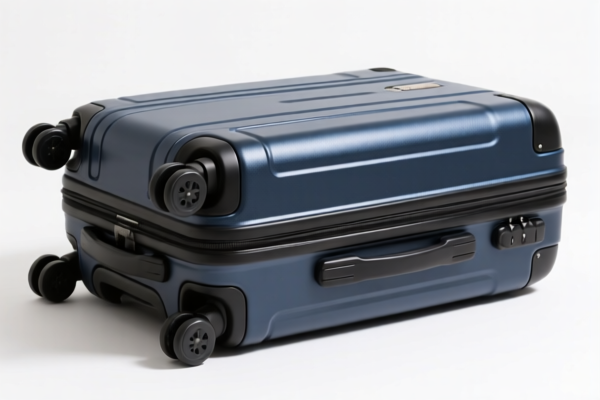
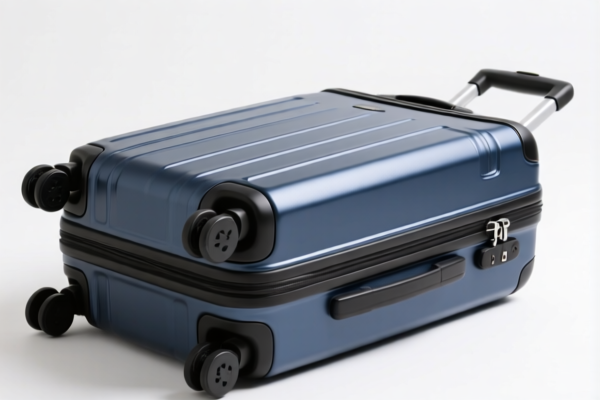
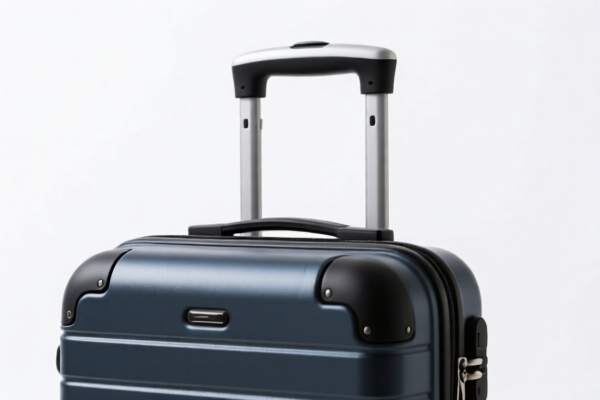
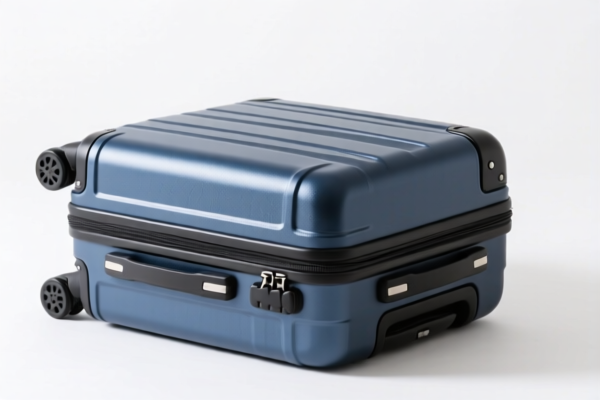
AI Analysis
🧳 Business Travel Suitcase (Commercial Luggage)
🌐 HS Code Reference & Customs Clearance Guide | 2026 Latest Tariff Analysis | Strategic Clearance Strategy
📌 I. Product Definition & Classification: Do You Truly Understand "Travel Suitcases"?
A Business Travel Suitcase is a portable container designed to transport personal effects, business documents, and attire during transit. In international trade, classification hinges on material composition and functional intent.
There are two primary classification paths, depending on the primary material:
1. Plastic/Textile-Based Containers (Chapter 39/42):
- If the suitcase is primarily made of plastic, rubber, or textile materials, it falls under packaging or luggage categories.
- Key Distinction: Often viewed as "similar articles" or general luggage.
2. Leather/Fur-Based Containers (Chapter 42):
- If the suitcase is made of leather, composition leather, or fur skin, it falls under the specific "Trunks/Suitcases" category.
- Key Distinction: Higher value-added material classification, strictly defined as travel goods.
⚠️ Critical Differentiator:
- Material is King:
- Plastic/Vinyl/Canvas → 3923 or 4202 (depending on specific sub-heading interpretation)
- Leather/Fur → 4202.12
- Structure: Must be a rigid or semi-rigid container with handles/straps for carrying. Soft bags without rigid structures may be classified differently (e.g., textile bags).
📦 II. HS Code Classification Details (2026 Latest Tariff Authoritative Comparison)
Based on the provided data, here are the four specific HS Code options for Business Travel Suitcases, along with their tax implications.
| HS Code | Product Description & Summary | Primary Material Assumption | Total Tax Rate |
|---|---|---|---|
3923.10.90.00 |
Plastic Packaging Articles: "Suitcases fall under similar articles like boxes, frames. Mainly plastic or plastic-coated. No conflict with plastic packaging attributes." | Plastic / Plastic-coated | 38.0% |
3923.90.00.80 |
Other Plastic Packaging Articles: "Suitcases used for transport/packaging, usually plastic-like material, falls under 'Other' in this category." | Plastic / Polymer-based | 38.0% |
4202.12.21.50 |
Leather/Luggage Containers: "Matches shape (Trunks/Suitcases). Material inferred as plastic, leather, or textile. No conflict with classification requirements." | Leather / Composition Leather | 55.0% |
4202.12.21.20 |
Specific Leather Trunks/Suitcases: "Matches purpose (Trunks/Suitcases). Material inferred as plastic or leather containers. No obvious conflict." | Leather / Specific Leather Goods | 55.0% |
🔍 Key Insight:
- Lower Tax Bracket (38%): Applied to suitcases classified under Chapter 39 (Plastics). This is common for hard-shell polycarbonate, ABS, or vinyl-covered suitcases. - Higher Tax Bracket (55%): Applied to suitcases classified under Chapter 42 (Articles of Leather). If your suitcase has significant leather trim or is marketed as "Luxury Leather," it likely falls here. - Risk Factor: Misclassifying a leather suitcase as plastic (or vice versa) can lead to severe penalties. Always verify the primary material by weight/volume.
💰 III. 2026 Latest Tariff Rate Detailed Breakdown (Including Surcharges & Policy Add-ons)
✅ Applicable Country: United States (US)
✅ Country of Origin: China (CN)
✅ Effective Time: 2025 onwards (Including subsequent imports)
🎯 1. 3923.10.90.00 & 3923.90.00.80 —— Plastic-Based Suitcases (Packaging Category)
| Item | Content |
|---|---|
| Base Duty Rate | 3.0% (Ad valorem) |
| Section 301 Surtax | +25.0% (USITC Footnote for Chinese goods) |
| Section 122 Surtax | +10.0% (Specific trade remedy provision) |
| Total Effective Rate | 38.0% |
| Calculation Basis | CIF Value × 38.0% |
| De Minimis Eligibility | ❌ Not Eligible (Section 301 and 122 duties apply; no de minimis exemption for these duties) |
| Legal Path | HTS:3923.10.90.00 → Section 301: +25% → Section 122: +10% |
📌 Explanation:
- Base 3%: Standard Most Favored Nation (MFN) rate for plastic packing articles. - 301 Clause (+25%): The "Trade War" tariff on Chinese goods. - Section 122 (+10%): A specific surcharge applied to certain goods, adding to the burden. - Total 38%: This is a high-cost entry for plastic luggage into the US market.
🎯 2. 4202.12.21.50 & 4202.12.21.20 —— Leather/Textile-Based Suitcases (Luggage Category)
| Item | Content |
|---|---|
| Base Duty Rate | 20.0% (Ad valorem for leather articles) |
| Section 301 Surtax | +25.0% (USITC Footnote for Chinese goods) |
| Section 122 Surtax | +10.0% (Specific trade remedy provision) |
| Total Effective Rate | 55.0% |
| Calculation Basis | CIF Value × 55.0% |
| De Minimis Eligibility | ❌ Not Eligible |
| Legal Path | HTS:4202.12.21.xx → Section 301: +25% → Section 122: +10% |
📌 Explanation:
- Base 20%: Leather articles have a higher base duty than plastics. - 301 Clause (+25%): Same punitive tariff as above. - Section 122 (+10%): Additional surcharge. - Total 55%: This is an extremely high tariff. Profit margins for luxury leather suitcases from China to the US will be severely compressed.
🛠️ IV. Customs Clearance Operational Advice (Practical Pitfall Avoidance Guide)
✅ 1. Document Checklist (Mandatory)
| Document | Required | Purpose |
|---|---|---|
| ✅ Product Specification Sheet | ✔️ | Detail material composition (e.g., "100% Polycarbonate" vs. "Genuine Leather"). |
| ✅ Material Breakdown | ✔️ | Proof of primary material. Critical for choosing between Ch. 39 and Ch. 42. |
| ✅ Product Photos | ✔️ | Clear images of the suitcase, labels, and handles. |
| ✅ Commercial Invoice | ✔️ | Must specify "Business Travel Suitcase" and country of origin (China). |
| ✅ Packing List | ✔️ | Weight and dimensions to verify CIF value. |
| ✅ Certificate of Origin | ✔️ | Essential for verifying China origin (triggers 301/122 duties). |
✅ 2. Declaration Strategy (Key Mantras)
🔥 "Material First, Code Second, Declare Whole, Avoid Splitting!"
| Scenario | Correct Declaration | Wrong Action |
|---|---|---|
| Hard Shell Plastic Case | 3923.10.90.00 (38% Total) |
Mislabeling as "Leather" → Higher Duty (55%) |
| Soft Bag (Textile) | Check if it fits 4202 or 6307 |
Mislabeling as "Plastic" → Incorrect Classification |
| Leather Trimmed Case | 4202.12.21.xx (55% Total) |
Claiming 100% Plastic → Fraud Risk |
| Partial Assembly (Parts) | Declare as Kit or Whole | Splitting into "Wheels" + "Shell" → Higher Duties on Parts |
⚠️ Warning:
- If the suitcase has mixed materials (e.g., Plastic shell with Leather handles), Customs will classify based on the essential character (usually the main body material). - Do not attempt to split the shipment into "Shell" and "Accessories" to lower duties. This often triggers higher rates on components or is rejected as incomplete articles.
✅ 3. Special Circumstances
| Situation | Advice |
|---|---|
| OEM/Private Label | Ensure the invoice reflects the actual manufacturer. Avoid "Drop Shipping" without proper origin labeling. |
| New Material (e.g., Bio-plastic) | Provide technical data sheets. If it fails to meet "Plastic" definition, it may fall into a different, potentially higher or lower, duty bracket. |
| High-Value Luxury Item | With a 55% total duty, consider if the value proposition holds. Calculate landed cost carefully. |
🌍 V. Global Market Comparison (2026 Overview)
| Country/Region | Recommended HS Code | Base Duty | Surcharge (China) | Total Duty | Remarks |
|---|---|---|---|---|---|
| 🇺🇸 USA | 3923.10.90.00 / 4202.12.21.xx |
3% / 20% | +35% (301+122) | 38% / 55% | Highest Barrier |
| 🇨🇳 China (Export) | See Above | Varies | N/A | N/A | N/A |
| 🇪🇺 EU | 4202.12.00 / 3923.50 |
~4% / 6.5% | None | ~4-7% | No Section 301 equivalent |
| 🇬🇧 UK | 4202.12.00 / 3923.50 |
~4% / 6.5% | None | ~4-7% | Post-Brexit rules apply |
| 🇨🇦 Canada | 4202.12.00 / 3923.50 |
~3.5% / 6.5% | None | ~3.5-7% | CUSMA considerations |
📌 Conclusion:
- The US market is the most challenging for Chinese luggage exporters due to the 35% combined surcharge on top of base duties. - EU/UK/Canada remain more favorable due to the absence of Section 301-style tariffs. - Strategy: If targeting the US, consider supply chain diversification (e.g., manufacturing in Vietnam or Mexico) to avoid origin-based tariffs, or absorb the cost if the brand premium is high.
📌 VI. Common Errors & Pitfalls (Lessons from Tears)
❌ Error 1: Classifying a Leather Suitcase as Plastic (3923) to save duty.
👉 Consequence: Customs audit reveals leather content. Penalty for undervaluation + back taxes (17% difference) + interest.
❌ Error 2: Declaring Plastic Shell but Leather Lining as a single item without specifying.
👉 Consequence: Customs may classify based on the most valuable component. If Leather > Plastic in value/character, duty jumps to 55%.
❌ Error 3: Ignoring Section 122 in cost calculations.
👉 Consequence: Underestimating landed cost by 10%, leading to unexpected cash flow issues.
❌ Error 4: Using vague descriptions like "Luggage Bag".
👉 Consequence: Customs may assign the highest possible duty rate among similar codes due to ambiguity.
✅ Correct Practice:
"Hard Shell Business Suitcase, 100% Polycarbonate, 28-inch, Wheels, Handle, Model X, Made in China"
(For Leather):
"Business Suitcase, Genuine Leather Body, Metal Hardware, 24-inch, Model Y, Made in China"
🎯 VII. Conclusion: Precision Classification Saves Money!
🎯 Remember the Mantra:
🔹 "Plastic is 38%, Leather is 55%."
🔹 "301 + 122 = 35% Extra Pain."
🔹 "Declare Material Accurately, or Pay the Price."
📌 Pro Tip:
If your profit margin is thin, do not underestimate the 35% surcharge.
For US-bound goods, consider:
1. Advance Ruling (ACE): Request a binding ruling from CBP to confirm the HS Code and duty rate before shipping.
2. Supply Chain Shift: Move assembly to a non-China country to bypass Section 301/122 duties.
3. Value Engineering: Reduce luxury elements (leather) to shift classification to Chapter 39 (38% vs 55%).
📣 Immediate Action:
📞 Contact your freight forwarder with detailed material specs.
🚀 Calculate Landed Cost including 38% or 55% total duty.
💼 Ensure Compliance to avoid seizure or delays at US ports.
✨ Smart Clearance Starts with Smart Classification!
💼 Every Percent Saved in Duty is Pure Profit!
Customer Reviews
About HS Code Classification
The Harmonized System (HS) is an internationally standardized nomenclature developed by the World Customs Organization (WCO) to classify traded products. Over 200 countries use the HS system as the basis for customs tariffs, trade statistics, and import/export regulations.
Each HS code follows a hierarchical structure:
- Chapter (2 digits) — Broad category of goods (e.g., Chapter 84: Machinery and Mechanical Appliances)
- Heading (4 digits) — More specific grouping within the chapter
- Subheading (6 digits) — Internationally standardized breakdown, used by all WCO member countries
- National subdivisions (8-10 digits) — Country-specific extensions for further classification, such as US HTSUS 10-digit codes
Correct HS code classification is essential for smooth customs clearance, accurate duty payment, and compliance with trade regulations. Misclassification can lead to customs delays, overpayment of duties, or penalties.
When importing from CN to US, the applicable tariff rates may include:
- Most-Favored-Nation (MFN) rate — The standard duty rate applied to WTO members
- General rate — Applied to countries without trade agreements
- Trade remedy duties — Additional tariffs such as Section 301 (anti-dumping), Section 232 (national security), or countervailing duties
The information provided on this page is for reference purposes only. For official classification, please consult with your local customs authority or a licensed customs broker.