Butter Nozzle
CN → USProduct Images
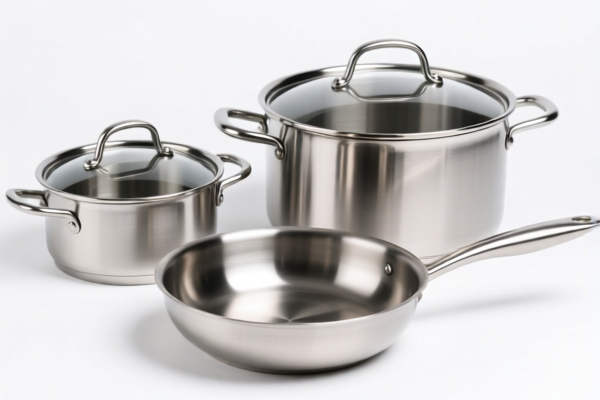
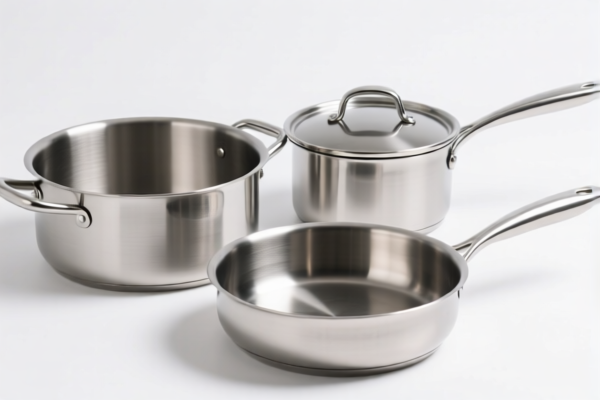
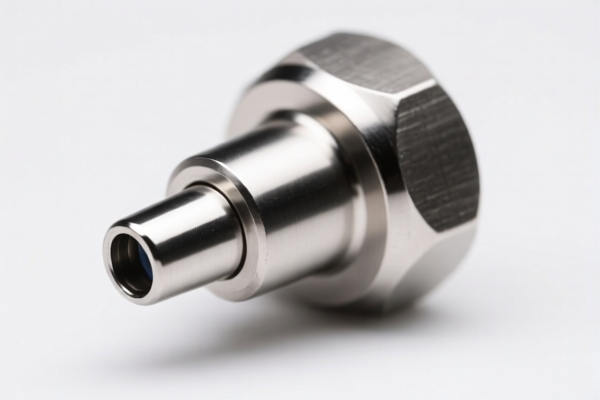
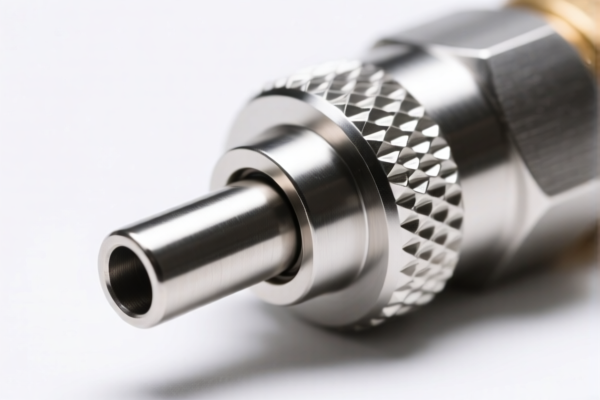
AI Analysis
🧈 Butter Nozzle (Pastry Tip for Dispensing Butter/Cream)
🌐 HS Code Reference & Customs Clearance Guide | 2026 Latest Tariff Analysis | Professional Tier-1 Strategy
📌 I. Product Definition & Classification: What Exactly Is a "Butter Nozzle"?
A Butter Nozzle (also known as a Pastry Tip, Piping Nozzle, or Dispensing Nozzle) is a kitchen tool used to extrude soft solids like butter, cream cheese, frosting, or whipped cream. In international trade, classification depends entirely on material and function.
Two Main Categories: 1. Metal Nozzles (Plastic/Metal/Knife): Made of stainless steel, plastic, or coated metal. These are classified under Chapter 82 (Articles of Iron/Steel or other base metals) or Chapter 39/84 (Plastics/Machines). 2. Rubber/Silicone Nozzles: Made of flexible rubber or silicone. These are classified under Chapter 40 (Rubber) or Chapter 39 (Plastics).
⚠️ Key Distinction Point:
- If it is a rigid metal/plastic tip attached to a bag or held by hand → Chapter 82 or 39.
- If it is a rubber/silicone sleeve that slides over a metal tip → Chapter 40.
- If it is part of a motorized cream dispenser machine → Chapter 84.
📦 II. HS Code Classification Details (2026 Latest Tariff Authority Match)
Based on standard global tariff schedules (HS 2022/2027 alignment) and US HTSUS structure:
| HS Code | Product Description | Application | Material | Key Feature |
|---|---|---|---|---|
8213.00.00 |
Knives, cutting blades, slices for machines, filleting knives and skewers; manicure or pedicure sets and instruments | Metal/Plastic Nozzles (often grouped with kitchen cutlery/tools) | Stainless Steel / Plastic | Rigid, non-motorized, hand-held or bag-mounted. |
3926.90.97 |
Other articles of plastics | Plastic Nozzles | ABS / Nylon / Polypropylene | Rigid plastic piping tips. |
4016.93 |
Other articles of vulcanized rubber | Rubber/Silicone Nozzles | Silicone / Vulcanized Rubber | Flexible sleeve-type nozzles. |
8438.90 |
Parts of machinery for the preparation of food | Motorized Dispenser Parts | Mixed | If part of an automatic cream/butter extruder. |
7323.94 |
Articles of iron or steel wool; pots, pans, etc. | Metal Nozzles (Less Common) | Steel | Sometimes misclassified here, but 8213 is more accurate for "tools." |
🔍 Critical Clarification:
- Most standard stainless steel butter nozzles sold individually are classified under8213.00.00(as "other articles of cutlery/kitchen tools") or3926.90.97if plastic.
- Rubber nozzles fall under4016.93.
- Do NOT classify under8205(hand tools) unless they are specialized repair tools; kitchen extrusion tips are typically8213or3926.
💰 III. 2026 Latest Tariff Rate Details (US Market Focus)
✅ Destination Country: United States (US)
✅ Origin: China (CN)
✅ Effective Date: Post-2024 Trade Policies (Section 301 & IEEPA)
🎯 1. 8213.00.00 — Metal/Plastic Kitchen Nozzles (Most Common)
| Item | Content |
|---|---|
| Base MFN Rate | 0% (ad valorem) |
| Section 301 Tariff (China) | +7.5% (List 4B, effective 2024) |
| IEEPA Additional Tariff | +10% (Under E.O. 14117, applicable to consumer goods from China) |
| Total Effective Rate | 17.5% |
| Calculation Basis | CIF Value × 17.5% |
| De Minimis Eligibility | ❌ No (Deny de minimis for Section 301 goods if >$800? Note: De minimis ($800) generally still applies, but 301 tariffs may be levied on entry. However, many retailers prefer full declaration to avoid seizure risk.) |
| Legal Pathway | HTSUS:8213.00.00 → 301:8213.00.00 → IEEPA:9903.01.25 |
📌 Explanation:
- While the base rate is 0%, the 301 tariff (7.5%) and IEEPA surcharge (10%) significantly increase landed cost.
- Total 17.5% is critical for profit margin calculation.
- Unlike electronics, kitchenware is not exempt from recent 10% IEEPA measures.
🎯 2. 3926.90.97 — Plastic Nozzles
| Item | Content |
|---|---|
| Base MFN Rate | 5.7% |
| Section 301 Tariff | +7.5% |
| IEEPA Additional Tariff | +10% |
| Total Effective Rate | 23.2% |
| Calculation Basis | CIF Value × 23.2% |
| De Minimis Eligibility | ❌ Limited risk; high scrutiny |
📌 Note:
- Plastic items often face higher base rates than metal equivalents.
- Ensure material declaration is accurate (e.g., "PP Plastic" vs. "Stainless Steel").
🎯 3. 4016.93 — Rubber/Silicone Nozzles
| Item | Content |
|---|---|
| Base MFN Rate | 3.4% |
| Section 301 Tariff | +7.5% |
| IEEPA Additional Tariff | +10% |
| Total Effective Rate | 20.9% |
| Calculation Basis | CIF Value × 20.9% |
🛠️ IV. Customs Clearance Practical Advice (Pitfall Avoidance)
✅ 1. Required Documentation Checklist
| Document | Mandatory? | Description |
|---|---|---|
| ✅ Commercial Invoice | ✔️ | Must state: "Stainless Steel Piping Nozzles for Kitchen Use" |
| ✅ Product Photos | ✔️ | Clear view of tip shape, material, and any brand markings |
| ✅ Material Declaration | ✔️ | Specify: 304/316 Stainless Steel, or Food-Grade Silicone, or ABS Plastic |
| ✅ FDA Compliance Statement | ✔️ | For food-contact surfaces, confirm FDA 21 CFR compliance |
| ✅ Packing List | ✔️ | Show quantity per carton, net/gross weight |
✅ 2. Declaration Tips (Golden Rules)
🔥 “Material First, Function Second, Name Specific!”
| Scenario | Correct Declaration | Wrong Practice |
|---|---|---|
| Metal Nozzle | 8213.00.00 - "Stainless Steel Butter Piping Tips" |
Generic "Kitchen Tool" → Audits |
| Plastic Nozzle | 3926.90.97 - "Polypropylene Pastry Nozzles" |
"Plastic Part" → Delay |
| Rubber Sleeve | 4016.93 - "Silicone Rubber Nozzle Covers" |
"Rubber Part" → Wrong Chapter |
| Set of Nozzles | Declare as a set under the principal material | Split items → Higher rates |
✅ 3. Special Cases
| Case | Handling Advice |
|---|---|
| Food-Grade Certification | Provide FDA certificate if requested; customs may inspect for chemical safety |
| OEM Private Label | Ensure no trademark infringement; declare as "Private Label" |
| Mixed Material Kits | Classify based on principal material (e.g., if mostly metal tips, use 8213) |
| Motorized Dispenser | Classify as machine (8438), not nozzle; different tax profile |
🌍 V. Global Market Comparison (2026 Latest)
| Country/Region | Recommended HS Code | Tariff (China Origin) | Certification | Notes |
|---|---|---|---|---|
| 🇺🇸 USA | 8213.00.00 |
17.5% | FDA | High scrutiny on 301 goods |
| 🇨🇳 China | 8213.00.00 |
5.0% | None | Low import duty |
| 🇪🇺 EU | 8213.00.00 |
6.0% | LFGB (Food Contact) | No 301 equivalent |
| 🇬🇧 UK | 8213.00.00 |
6.0% | UKCA | Post-Brexit rules apply |
| 🇯🇵 Japan | 8213.00.00 |
8.0% | JFSA | No additional surcharges |
📌 Conclusion:
- USA is the most expensive due to combined 301 + IEEPA tariffs.
- EU/UK/Japan have stable, lower rates but stricter food-contact safety (LFGB, etc.).
📌 VI. Common Errors & Pitfalls (Lessons Learned)
❌ Error 1: Classifying metal nozzles as 7323 (Household Articles)
👉 Result: Wrong code, potential 25% duty instead of 0% base.
👉 Fix: Use 8213 for "cutlery-like" kitchen tools.
❌ Error 2: Ignoring IEEPA 10% Surcharge
👉 Result: Underpayment by 10%, leading to penalties and seizure.
👉 Fix: Always add 10% to 301 goods for China-origin.
❌ Error 3: Declaring "Kitchen Gadgets" vaguely
👉 Result: Customs exam delays, requests for samples.
👉 Fix: Be specific: "Stainless Steel Butter Piping Nozzle, Model XYZ."
✅ Correct Practice:
"Stainless Steel Butter Piping Nozzle, Food Grade 304, for Kitchen Use, No. 2 Tip, OEM Brand, FDA Compliant"
🎯 VII. Conclusion: Precision in Classification Saves Money!
🎯 Remember:
🔹 "Metal = 8213 (17.5%) | Plastic = 3926 (23.2%) | Rubber = 4016 (20.9%)"
🔹 "Always add 10% IEEPA + 7.5% 301 for China!"
🔹 "Name it specifically, avoid generic terms!"
📌 Pro Tip:
If you are importing plastic nozzles, consider sourcing from Vietnam or Thailand to avoid Section 301 and IEEPA tariffs, reducing total duty to 0–5%.
For metal nozzles, the 17.5% is unavoidable for China origin, but still competitive globally.
📣 Immediate Action:
📞 Confirm material with supplier → Check FDA status → Calculate Landed Cost (CIF + 17.5%) → File accurate entry!
🚀 Avoid delays, prevent seizures, maximize profit!
✨ Professional Customs Clearance Starts with the Right HS Code!
💼 Your margin depends on your classification!
Customer Reviews
About HS Code Classification
The Harmonized System (HS) is an internationally standardized nomenclature developed by the World Customs Organization (WCO) to classify traded products. Over 200 countries use the HS system as the basis for customs tariffs, trade statistics, and import/export regulations.
Each HS code follows a hierarchical structure:
- Chapter (2 digits) — Broad category of goods (e.g., Chapter 84: Machinery and Mechanical Appliances)
- Heading (4 digits) — More specific grouping within the chapter
- Subheading (6 digits) — Internationally standardized breakdown, used by all WCO member countries
- National subdivisions (8-10 digits) — Country-specific extensions for further classification, such as US HTSUS 10-digit codes
Correct HS code classification is essential for smooth customs clearance, accurate duty payment, and compliance with trade regulations. Misclassification can lead to customs delays, overpayment of duties, or penalties.
When importing from CN to US, the applicable tariff rates may include:
- Most-Favored-Nation (MFN) rate — The standard duty rate applied to WTO members
- General rate — Applied to countries without trade agreements
- Trade remedy duties — Additional tariffs such as Section 301 (anti-dumping), Section 232 (national security), or countervailing duties
The information provided on this page is for reference purposes only. For official classification, please consult with your local customs authority or a licensed customs broker.