Butyl Bicycle Inner Tube
CN → US| HS Code | Tariff Rate | Origin | Destination | Doc |
|---|---|---|---|---|
| 4013905010 | 38.7% | CN | US | Official Doc |
| 8714100050 | 17.5% | CN | US | Official Doc |
| 8714998000 | 27.5% | CN | US | Official Doc |
| 4002390000 | 35.0% | CN | US | Official Doc |
| 4002390000 | 35.0% | CN | US | Official Doc |
Product Images
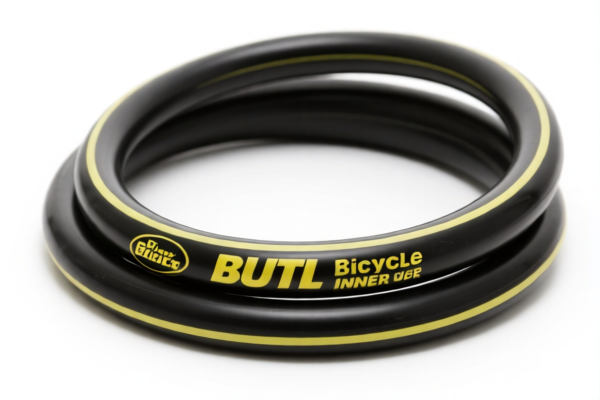
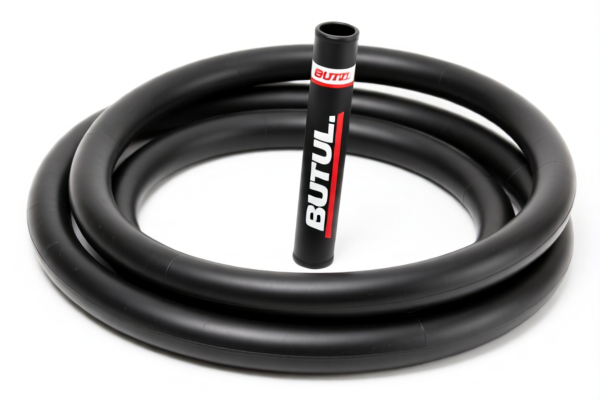
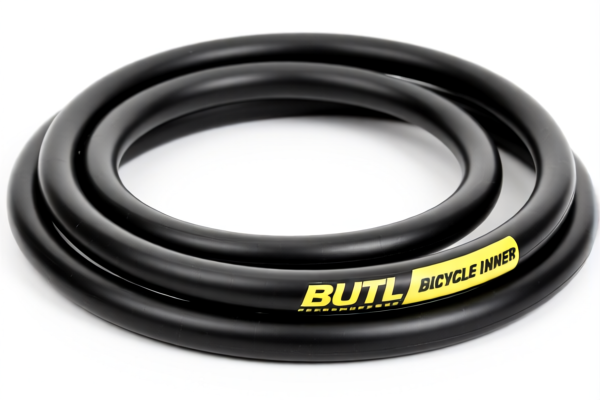
AI Analysis
🚲 Butyl Bicycle Inner Tubes: The Ultimate HS Code & Tariff Guide (US Customs Clearance 2026)
🌐 HS Code Reference & Customs Clearance Guide | 2026 Latest Tariff Analysis | Professional-Level Strategy
📌 I. Product Definition & Classification: What Exactly is a "Butyl Bicycle Inner Tube"?
A butyl bicycle inner tube is a critical component of pneumatic tire systems, made from Butyl Rubber (IIR) or Isobutylene-isoprene Rubber. Its primary function is to retain air pressure within the tire. In international trade, misclassification often leads to significant tariff discrepancies.
⚠️ Key Classification Distinction:
- As a Standalone Rubber Product: If declared primarily by its material (Butyl Rubber) without explicit reference to the bicycle context in the HS heading logic, it may fall under Chapter 40 (Rubber and Articles Thereof).
- As a Bicycle Part: If declared specifically as a "part of a bicycle," it may fall under Chapter 87 (Vehicles Other than Railway...).
- Critical Insight: Customs authorities often scrutinize whether the item is "specifically identifiable" as a part. For inner tubes, the material composition (Butyl) often drives the classification into Chapter 40, while the use drives it to Chapter 87. The provided data shows both paths are active, with drastically different tax implications.
📦 II. HS Code Classification Details (Based on Provided Data)
| HS Code | Product Description | Application/Context | Tax Rate (Total) |
|---|---|---|---|
| 4013.90.50.10 | Butyl Rubber Bicycle Inner Tube | Specifically identified as "Motorcycle/Bicycle Inner Tube" (Note: Data says Motorcycle, but context implies general inner tube use). Material: Butyl Rubber. Form: Inner Tube. | 38.7% |
| 8714.10.00.50 | Bicycle Parts (Inner Tube) | Classified under "Parts and Accessories of Motorcycles." Material: Butyl Rubber. Function: Inner Tube for Bicycle. | 17.5% |
| 8714.99.80.00 | Bicycle Parts (Other) | Classified under "Other Parts." Material: Butyl Rubber. General accessory attribute. | 27.5% |
| 4002.39.00.00 | Butyl Rubber Articles | Material: Isobutylene-isoprene Rubber. Includes inner tubes. No specific vehicle conflict in material classification. | 35.0% |
| 4002.39.00.00 | Butyl Rubber Inner Tube | Material matches code requirement. No material conflict. | 35.0% |
🔍 Note on Data Consistency:
The provided data contains conflicting scopes (e.g., "Motorcycle" vs. "Bicycle"). However, for Bicycle Inner Tubes, the most relevant codes from the list are 8714.10.00.50 (Parts of Vehicles) and 4013.90.50.10 / 4002.39.00.00 (Rubber Articles). The choice depends on whether Customs accepts the "Part" classification or insists on the "Material" classification.
💰 III. 2026 Latest Tariff Rate Breakdown (Detailed Tax Clauses)
✅ Applicable Country: United States (US)
✅ Origin: China (CN)
✅ Effective Date: Post-2025 policies (Includes Section 301 and IEEPA surcharges)
🎯 1. 8714.10.00.50 – Best Case: Parts of Vehicles
Classification as a specific part of a bicycle/motorcycle.
| Item | Detail |
|---|---|
| Base Tariff | 0.0% (Ad Valorem) |
| Additional Tariff (Section 301) | +7.5% |
| IEEPA Tariff (122 Clause) | +10% |
| Total Tax Rate | 17.5% |
| Tax Calculation | CIF Value × 17.5% |
| De Minimis Exemption | ❌ Not Applicable (Deny de minimis for China origin under current rules) |
| Legal Basis Path | USITC:8714.10.00.50 → FOOTNOTE:301 → IEEPA:122 |
📌 Explanation:
- This is the lowest tariff among the provided options.
- It relies on the argument that the inner tube is a specifically identifiable part of a bicycle (Chapter 87).
- Risk: Customs may challenge this if the tube is not packaged or labeled specifically for bicycles, potentially reverting it to Chapter 40.
🎯 2. 8714.99.80.00 – Middle Case: Other Parts
Classification as a general accessory if not fitting specific "wheel" or "tire" codes.
| Item | Detail |
|---|---|
| Base Tariff | 10.0% |
| Additional Tariff (Section 301) | +7.5% |
| IEEPA Tariff (122 Clause) | +10% |
| Total Tax Rate | 27.5% |
| Tax Calculation | CIF Value × 27.5% |
| Legal Basis Path | USITC:8714.99.80.00 → FOOTNOTE:301 → IEEPA:122 |
📌 Explanation:
- Used if8714.10is rejected.
- Higher base rate due to being a "general" part rather than a "primary" component like wheels.
🎯 3. 4013.90.50.10 & 4002.39.00.00 – High Tariff: Rubber Articles
Classification based on material (Butyl Rubber) rather than end-use.
| Item | Detail |
|---|---|
| Base Tariff | 0.0% (for 4002) or 3.7% (for 4013) |
| Additional Tariff (Section 301) | +25.0% (for 4002) or +25.0% (for 4013) |
| IEEPA Tariff (122 Clause) | +10% |
| Total Tax Rate | 35.0% (for 4002) or 38.7% (for 4013) |
| Legal Basis Path | USITC:4002.39.00.00 → FOOTNOTE:301 → IEEPA:122 |
📌 Explanation:
- Highest cost option.
- Chapter 40 classifies goods by material. Even if it's a bike part, if Customs views it as "Rubber Goods," the high 301 surcharge applies.
-4013.90.50.10is specifically for "Inner Tubes," making it the most accurate material-based code, but still expensive due to the 25% Section 301 tariff.
🛠️ IV. Customs Clearance Practical Advice (Pitfall Avoidance)
✅ 1. Documentation Checklist (Essential for Clearance)
| Document | Required? | Explanation |
|---|---|---|
| ✅ Product Specification Sheet | YES | Must state: Material (Butyl Rubber/IIR), Dimensions (26x1.75, etc.), Valve Type (Presta/Schrader), Pressure Range. |
| ✅ Commercial Invoice | YES | Description must be precise: "Butyl Rubber Inner Tube for Bicycle, Model XYZ, HS Code 8714.10.00.50" (or chosen code). |
| ✅ Packing List | YES | Clearly list quantity per box. Avoid vague terms like "Bike Accessories." |
| ✅ Certificate of Origin | YES | Required for IEEPA verification. Must confirm China origin if applicable. |
| ✅ Material Safety Data Sheet (MSDS) | Optional | May be requested to verify Butyl Rubber composition. |
✅ 2. Declaration Strategy (Key Mnemonic)
🔥 "Material vs. Use: Choose Wisely! Parts First, Rubber Last!"
| Scenario | Recommended HS Code | Risk Level | Strategy |
|---|---|---|---|
| High-Value Bicycle Parts | 8714.10.00.50 |
Low | Argue Specificity: Emphasize it is a critical part of a bicycle. Use packaging labeled "Bicycle Inner Tube." |
| Bulk Rubber Goods | 4002.39.00.00 |
High | If classification as a "Part" is rejected, fall back to material. Expect ~35% tax. |
| Mixed Shipment | N/A | Very High | Do not mix "Inner Tubes" with "Tires" or "Frames" unless explicitly declared. Mixed shipments trigger audits. |
| OEM Private Label | 8714.10.00.50 |
Medium | Provide OEM contract or customer PO showing specific bicycle model compatibility. |
✅ 3. Special Case Handling
| Situation | Handling Advice |
|---|---|
| "Inner Tube" vs. "Tubeless Tire" | Never confuse them. Tubeless tires are 4011.20 or 4011.10. Inner Tubes are 4013.90 or 8714.10. Misdeclaration leads to seizure. |
| Valve Type Matters | Specify if it has a Presta, Schrader, or Dunlop valve. Some codes are more specific with valve types. |
| Packaging | Inner tubes are often sold in blister packs. Ensure the packaging clearly states the intended vehicle (Bicycle). This supports the 8714 classification. |
| Pre-Ruling Request | Highly Recommended. Apply for an Advance Ruling from US Customs (CBP) to lock in the 8714.10.00.50 classification and avoid surprise audits. |
🌍 V. Global Market Comparison (2026 Latest)
| Country/Region | Recommended HS Code | Tariff (China Origin) | Certification Required | Remarks |
|---|---|---|---|---|
| 🇺🇸 USA | 8714.10.00.50 |
17.5% | None | Most cost-effective if "Part" is accepted. |
| 🇺🇸 USA (Fallback) | 4013.90.50.10 |
38.7% | None | If "Part" argument fails. |
| 🇪🇺 EU | 4013.90 |
~4% + Anti-dumping | CE/REACH | EU often classifies by material. Lower tariffs than US. |
| 🇨🇳 China | 4013.90 |
~3-7% | CCC (if applicable) | Low export/import duty. |
| 🇬🇧 UK | 8714.91 |
~0-5% | UKCA | Post-Brexit alignment with EU standards. |
📌 Conclusion:
- The US is the most challenging market due to high Section 301 and IEEPA tariffs.
- Strategic Tip: If you are exporting to the US, insist on8714.10.00.50to save ~20% in duties compared to the rubber classification. Provide clear evidence that the product is a bicycle part, not just a rubber item.
📌 VI. Common Errors & Pitfall Guide (Lessons Learned)
❌ Error 1: Declaring as "Rubber Tube" without mentioning "Bicycle"
👉 Consequence: Customs defaults to Chapter 40 → 35-38% Tax.
✅ Fix: Always use "Bicycle Inner Tube" in the description.
❌ Error 2: Using HS Code 4013.90 for Motorcycles when importing to US
👉 Consequence: Higher base rate (3.7% vs 0%) → 38.7% Tax instead of potential 17.5% if part of vehicle.
✅ Fix: Verify if the specific motorcycle part code (8714.10) is applicable.
❌ Error 3: Ignoring IEEPA 122 Clause
👉 Consequence: Underpayment of the additional 10% tax → Penalties + Interest.
✅ Fix: Ensure all invoices and systems include the 122 Clause surcharge in cost calculations.
❌ Error 4: Mixing Inner Tubes with Tires in one HS Code
👉 Consequence: Audit trigger. Tires and tubes have different material and usage logic.
✅ Fix: Separate declarations for Tires (4011) and Tubes (8714 or 4013).
🎯 VII. Conclusion: Professional Declaration, Save Money, Stay Compliant!
🎯 Remember This Mantra:
🔹 "Parts First, Rubber Last!
8714saves 20%!4002costs too much!"
🔹 "Clear Description, Correct Code, No Surprises at US Customs!"
📌 Pro Tip:
If your inner tubes are manufactured in Vietnam, Thailand, or Indonesia, you may avoid the Section 301 and IEEPA surcharges, reducing the tariff to 0-5% in the US. Consider supply chain diversification if US tariffs impact your margin significantly.
📣 Immediate Action:
📞 Contact your freight forwarder to verify the latest CBP ruling for
8714.10.00.50.
🚀 Optimize your logistics: Choose the lowest tax code (8714.10.00.50) with proper documentation to maximize profit margins!
✨ Professional Customs Clearance Starts with Precise Classification!
💼 Every Cent Saved is Pure Profit!
Customer Reviews
About HS Code Classification
The Harmonized System (HS) is an internationally standardized nomenclature developed by the World Customs Organization (WCO) to classify traded products. Over 200 countries use the HS system as the basis for customs tariffs, trade statistics, and import/export regulations.
Each HS code follows a hierarchical structure:
- Chapter (2 digits) — Broad category of goods (e.g., Chapter 84: Machinery and Mechanical Appliances)
- Heading (4 digits) — More specific grouping within the chapter
- Subheading (6 digits) — Internationally standardized breakdown, used by all WCO member countries
- National subdivisions (8-10 digits) — Country-specific extensions for further classification, such as US HTSUS 10-digit codes
Correct HS code classification is essential for smooth customs clearance, accurate duty payment, and compliance with trade regulations. Misclassification can lead to customs delays, overpayment of duties, or penalties.
When importing from CN to US, the applicable tariff rates may include:
- Most-Favored-Nation (MFN) rate — The standard duty rate applied to WTO members
- General rate — Applied to countries without trade agreements
- Trade remedy duties — Additional tariffs such as Section 301 (anti-dumping), Section 232 (national security), or countervailing duties
The information provided on this page is for reference purposes only. For official classification, please consult with your local customs authority or a licensed customs broker.