CNC Laser Cutting Machine
CN → US| HS Code | Tariff Rate | Origin | Destination | Doc |
|---|---|---|---|---|
| 8456111010 | 38.5% | CN | US | Official Doc |
| 8456111050 | 38.5% | CN | US | Official Doc |
| 8456111010 | 38.5% | CN | US | Official Doc |
| 8456111050 | 38.5% | CN | US | Official Doc |
| 8456111010 | 38.5% | CN | US | Official Doc |
Product Images
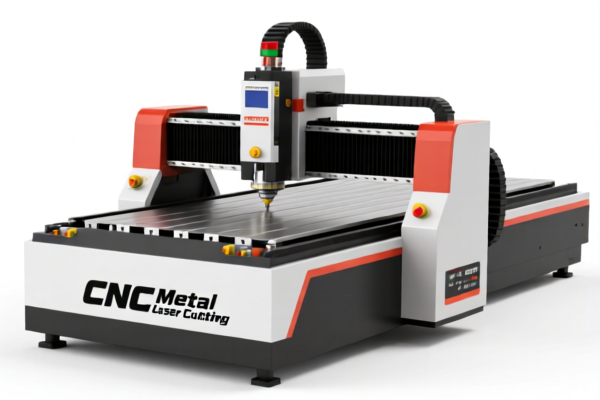
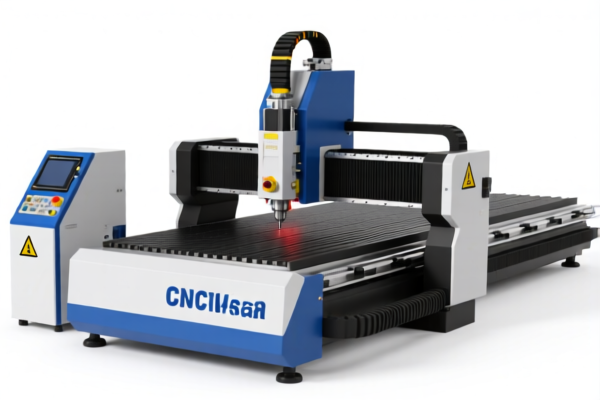
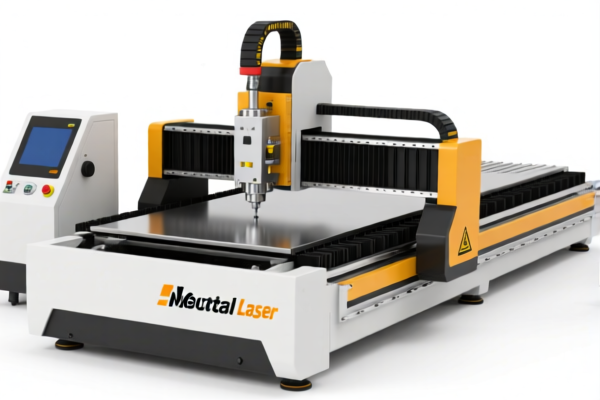
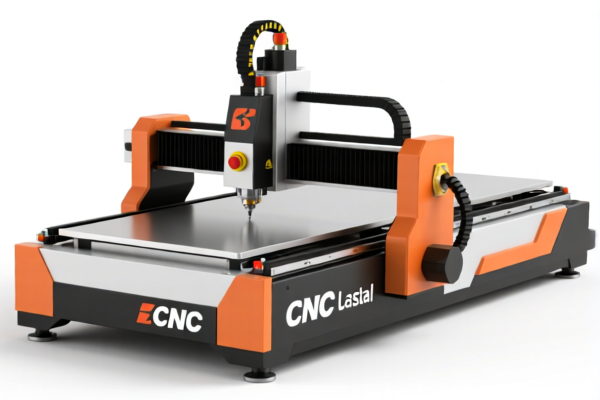
AI Analysis
🚀 CNC Laser Cutting Machines: The Ultimate Guide to US Customs Classification & Tax Strategy (2026)
🌐 HS Code Reference & Clearance Guide | 2026 Latest Tariff Breakdown | Professional Clearance Strategy
📌 1. Product Definition & Classification: Do You Really Understand "CNC Laser Cutters"?
A CNC Laser Cutting Machine is a high-precision industrial tool that uses a Computer Numerical Control (CNC) system to guide a high-power laser beam for material removal (cutting). In international trade, the distinction between "CNC (Computerized)" and "Non-CNC (Other)" is critical, as it determines the exact HS Code and potential duty risks.
Two Main Categories: * CNC Laser Cutters: Equipped with automated control systems, software interfaces, and precision motors for automated cutting paths. * Non-CNC (Other) Laser Cutters: Manual operation, simple light-path guides, or non-automated fiber/gas lasers without complex numerical control.
⚠️ Key Distinction Point:
- If the machine has a controller, software, and automated axis movement → It is "CNC".
- If it is manually operated or lacks numerical control → It falls under "Other".
📦 2. HS Code Classification Details (Based on Provided Data)
According to the provided data, the classification depends on whether the laser cutter is defined as having CNC functions or not. Both categories currently face the same total tax burden due to additional tariffs, but the legal basis differs.
| HS Code | Product Description | Key Matching Logic | Control Type |
|---|---|---|---|
8456.11.10.10 |
CNC Laser Cutting Machine / Fiber Laser Cutting Machine | • "Laser Cutting" matches "Laser Operation". • "Machine" matches "Machine Tool". • Inferred as CNC (Computerized) based on industrial standards for metal processing. |
✅ CNC (Controlled) |
8456.11.10.50 |
Laser Cutting Machine (Non-CNC/Other) | • "Laser Removal of Material" + "Machine Tool" category. • No explicit mention of control method, or manual operation. • Fits the "Other" category logic. |
❌ Non-CNC (Other) |
🔍 Important Note from Data:
- Both codes are classified under HS 8456.11 (Machine tools for working any material by laser or other photon beams).
- The difference lies in the sub-heading: .10.10 is for CNC, .10.50 is for Other.
- Tax Rate: Both codes incur a 38.5% Total Tax Rate.
💰 3. 2026 Latest Tariff Rate Breakdown (Including Additional Duties & Policy Surcharges)
✅ Applicable Country: United States (US)
✅ Origin: China (CN)
✅ Total Tax Rate: 38.5%
✅ Effective Date: 2025/2026 (Current Status)
🎯 1. HS Code 8456.11.10.10 — CNC Laser Cutting Machine
| Item | Content |
|---|---|
| Base Tariff | 3.5% (Ad Valorem) |
| Section 301 Tariff (Additional) | +25.0% (USITC Footnote for Chinese machinery) |
| Section 122 Tariff | +10.0% (Specific clause for industrial machinery/laser equipment) |
| Total Tax Rate | 38.5% |
| Calculation | CIF Value × 38.5% |
| De Minimis Exemption | ❌ Not Applicable (Industrial machinery > $800) |
| Legal Basis Path | HTS:8456.11.10.10 → Section 301 (25%) → Section 122 (10%) |
📌 Explanation:
- 3.5% Base: Standard Most Favored Nation (MFN) rate for laser machine tools.
- 25% Section 301: Retaliatory tariff on Chinese industrial equipment.
- 10% Section 122: Specific additional duty on laser cutting machines (often linked to trade remedy actions).
- Total 38.5%: This is a high-cost item. Importers must account for nearly 40% in duties.
🎯 2. HS Code 8456.11.10.50 — Laser Cutting Machine (Other/Non-CNC)
| Item | Content |
|---|---|
| Base Tariff | 3.5% (Ad Valorem) |
| Section 301 Tariff (Additional) | +25.0% (USITC Footnote for Chinese machinery) |
| Section 122 Tariff | +10.0% (Specific clause for industrial machinery/laser equipment) |
| Total Tax Rate | 38.5% |
| Calculation | CIF Value × 38.5% |
| De Minimis Exemption | ❌ Not Applicable |
| Legal Basis Path | HTS:8456.11.10.50 → Section 301 (25%) → Section 122 (10%) |
📌 Note:
- Even though it is "Non-CNC," it still falls under the same high-tariff machinery category.
- The 10% Section 122 tariff specifically targets laser cutting equipment, regardless of CNC status.
🛠️ 4. Practical Clearance Advice (Battle-Tested Pitfall Avoidance)
✅ 1. Documentation Checklist (Mandatory)
| Document | Required | Purpose |
|---|---|---|
| ✅ Product Specifications | ✔️ | Must detail: Laser Type (Fiber/CO2), Power (Watts), Cutting Area, CNC Controller Brand. |
| ✅ Technical Manual | ✔️ | Proves if it is CNC (has software/automated axes) or Non-CNC. Misclassification here leads to penalties. |
| ✅ Commercial Invoice | ✔️ | Must clearly state: "CNC Laser Cutting Machine" or "Laser Cutting Machine (Non-CNC)" + Model Number. |
| ✅ Packing List | ✔️ | Detailing machine, accessories, software media, and safety guards. |
| ✅ FCC Certification | ✔️ | Mandatory for US. Lasers emit RF energy. Without FCC ID, customs will seize/shelve. |
| ✅ Safety Compliance | ✔️ | OSHA/ANSI standards for laser safety (Class 4 laser enclosure). |
✅ 2. Classification Strategy (Crucial!)
🔥 "CNC vs. Non-CNC: The Truth Matters!"
| Scenario | Correct HS Code | Risk if Misclassified |
|---|---|---|
| Automated CNC System | 8456.11.10.10 |
If declared as "Other" (.50), no penalty in tax, but incorrect declaration risks audits. |
| Manual/Hand-Held Laser | 8456.11.10.50 |
If declared as "CNC" (.10), no tax difference, but false declaration of capability. |
| Laser Engraver (Low Power) | Check 8456.11 or 9031 | Low-power desktop units may fall under different subheadings. Verify power output (<50W vs >50W). |
| Laser Parts (Lenses/Mirrors) | 9031.80 or 8466.93 |
Do NOT mix parts with the main machine. Parts have different rates! |
📌 Key Tip:
- FCC ID is Non-Negotiable: Laser cutters are considered "unintentional radiators" or "intentional radiators." You must provide the FCC ID on the commercial invoice.
- Software Media: If the CNC system includes proprietary software on a USB drive, declare it separately if possible, as software may have different duty treatment (though often bundled).
✅ 3. Special Handling Tips
| Situation | Advice |
|---|---|
| Used Laser Cutters | Requires EPA Certification (for emissions) and FCC Reprocessing documentation. |
| OEM/White Label | Ensure the supplier provides original test reports (FCC, CE, ISO). Do not rely on generic claims. |
| High-Power Fiber Lasers (>1kW) | Subject to extra scrutiny for national security/export control. Ensure no dual-use components (military-grade) are included. |
| Drop Shipping from China | High Risk. Customs may delay for verification. Ensure the seller has US-based compliance support. |
🌍 5. Global Market Comparison (2026)
| Market | Recommended HS Code | Tariff Rate | Key Requirements |
|---|---|---|---|
| 🇺🇸 USA | 8456.11.10.10 / .50 |
38.5% | FCC ID, Section 301, Section 122 |
| 🇨🇳 China | 8456.11.10 |
~3.5% - 13% | CCC (if applicable), RoHS |
| 🇪🇺 EU | 8456.11 |
~0% - 4% | CE Marking, RoHS, REACH |
| 🇬🇧 UK | 8456.11 |
~0% - 4% | UKCA Marking |
| 🇦🇺 Australia | 8456.11 |
~5% | RCM (Electrical Safety) |
📌 Conclusion:
- USA is the most expensive market due to Section 301 (25%) and Section 122 (10%) tariffs.
- EU/UK are more favorable (0-4%) but require strict CE/UKCA compliance.
- Strategy: If selling globally, consider local assembly or sourcing from non-China origins to avoid US tariffs.
📌 6. Common Mistakes & Pitfalls (Blood & Tears Lessons)
❌ Mistake 1: Declaring a CNC Machine as "Laser Engraver" to avoid higher duties.
👉 Consequence: Customs classifies it as industrial machinery → 38.5% tax + Penalties.
❌ Mistake 2: Missing FCC ID on the invoice.
👉 Consequence: Shipped by CBP (US Customs). Release takes 2-4 weeks. Demurrage charges apply.
❌ Mistake 3: Not separating the CNC Controller from the machine.
👉 Consequence: If the controller is a separate item, it might be classified under 8537.10 (Different rate). Bundling correctly saves time.
❌ Mistake 4: Ignoring the "Section 122" 10% tariff.
👉 Consequence: Budgeting for 3.5% base + 25% Section 301 = 28.5%. Actual cost is 38.5%. This 10% gap destroys profit margins.
✅ Correct Declaration Example:
"CNC Fiber Laser Cutting Machine, Model XYZ, 2000W, with Fanuc CNC Controller, FCC ID: ABC123, Made in China."
🎯 7. Conclusion: Precision Classification for Profit Protection
🎯 Remember the Golden Rule:
🔹 "CNC or Not, the Tariff is 38.5% — But Compliance is Free!"
🔹 "FCC ID is Mandatory. Without it, Your Cargo is Stuck."
🔹 "Section 122 is the Silent Killer — Account for the Extra 10%."
📌 Pro Tip:
If your laser cutter is not made in China (e.g., Vietnam, Malaysia, Germany), you avoid the 25% Section 301 and 10% Section 122 tariffs.
- Non-China Origin Tax: ~3.5% (Base only)
- China Origin Tax: 38.5%
- Savings: 35%!
🚀 Action Plan:
1. Verify Origin: Ensure your supplier's COO (Country of Origin) is accurate.
2. Get FCC ID: Request the test report from the supplier before shipment.
3. Pre-Arrival Review: Consider an Advance Ruling from US Customs if the machine is new/complex.
✨ Professional Clearance Starts with Accurate Classification!
💼 Your Profit Margin is Protected by Your Declaration!
Customer Reviews
About HS Code Classification
The Harmonized System (HS) is an internationally standardized nomenclature developed by the World Customs Organization (WCO) to classify traded products. Over 200 countries use the HS system as the basis for customs tariffs, trade statistics, and import/export regulations.
Each HS code follows a hierarchical structure:
- Chapter (2 digits) — Broad category of goods (e.g., Chapter 84: Machinery and Mechanical Appliances)
- Heading (4 digits) — More specific grouping within the chapter
- Subheading (6 digits) — Internationally standardized breakdown, used by all WCO member countries
- National subdivisions (8-10 digits) — Country-specific extensions for further classification, such as US HTSUS 10-digit codes
Correct HS code classification is essential for smooth customs clearance, accurate duty payment, and compliance with trade regulations. Misclassification can lead to customs delays, overpayment of duties, or penalties.
When importing from CN to US, the applicable tariff rates may include:
- Most-Favored-Nation (MFN) rate — The standard duty rate applied to WTO members
- General rate — Applied to countries without trade agreements
- Trade remedy duties — Additional tariffs such as Section 301 (anti-dumping), Section 232 (national security), or countervailing duties
The information provided on this page is for reference purposes only. For official classification, please consult with your local customs authority or a licensed customs broker.