COTTON BAG
CN → US| HS Code | Tariff Rate | Origin | Destination | Doc |
|---|---|---|---|---|
| 4202926091 | 41.3% | CN | US | Official Doc |
| 6305200000 | 23.7% | CN | US | Official Doc |
| 6305900000 | 23.7% | CN | US | Official Doc |
| 5608192010 | 40.0% | CN | US | Official Doc |
| 5608192090 | 40.0% | CN | US | Official Doc |
Product Images
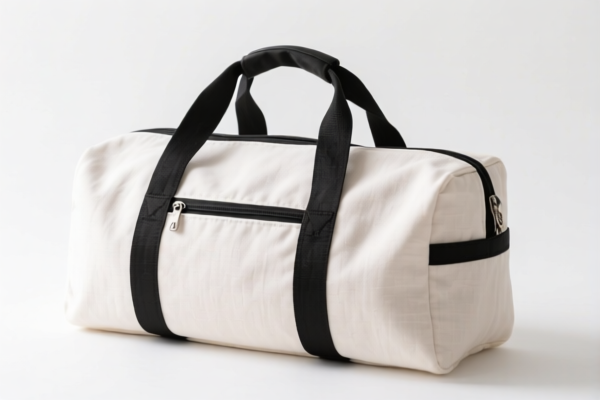
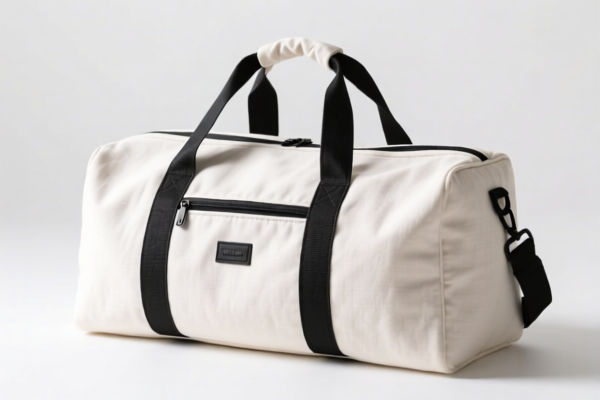
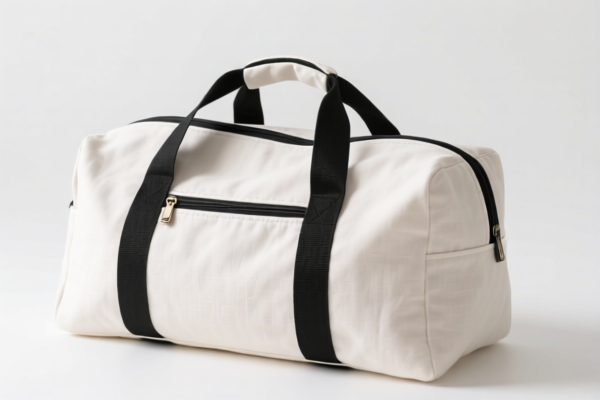
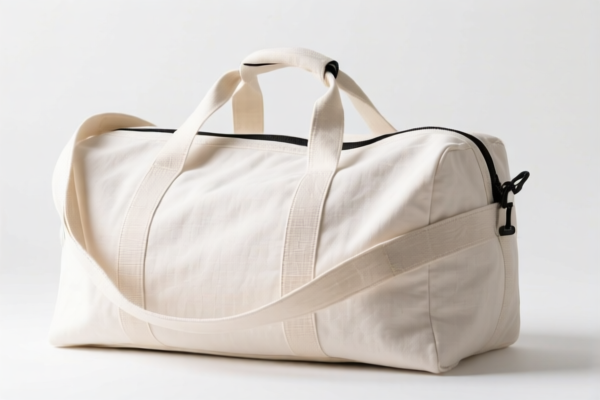
AI Analysis
🎒 COTTON BAG (Canvas & Cotton Linen Bags)
🌐 HS Code Reference & Customs Clearance Guide | 2026 Latest Tariff Analysis | Professional Entry Strategy
📌 I. Product Definition & Classification: What Exactly is a "Cotton Bag"?
"Cotton Bag" is a broad commercial term often used in daily logistics, but in international trade customs classification, it is strictly defined by material composition and form/function.
In the context of the provided data, these bags are classified into two main categories: 1. Luggage/Handbag Type (Chapter 42): Bags with handles, structured shapes, or used for carrying personal items (e.g., tote bags, shoulder bags). 2. Industrial/Packaging Sack Type (Chapter 63/56): Open-ended sacks, net bags, or storage bags without rigid structure, often used for bulk goods or retail packaging.
⚠️ Key Distinction Point:
- If the bag has a specific shape for carrying (handles, straps, structured body) → It falls under Chapter 42 (Luggage, Handbags).
- If the bag is a simple open sack, net, or loose bag for storage/transport → It falls under Chapter 63 (Other made-up textile articles) or Chapter 56 (Wadding, felt, and nonwovens; special yarns; twine, cordage, rope and cables and articles thereof).
📦 II. HS Code Classification Details (Based on Provided Data)
| HS Code | Product Description (Summary) | Key Features | Classification Logic |
|---|---|---|---|
| 4202.92.60.91 | Cotton/Linen Canvas Bag | Material: Cotton-made; Form: Bag/Container | Classified as "Other luggage, handbags & satchels" with outer surface of textile materials. High tariff due to specific sub-category. |
| 6305.20.00.00 | Cotton/Linen Canvas Bag | Material: Contains Cotton; Form: Sack/Bag | Classified as "Sacks and bags, of a kind used for the packing of goods," specifically of cotton. |
| 6305.90.00.00 | Cotton/Linen Canvas Bag | Material: Cotton/Linen Mix; Form: Bag | Classified as "Sacks and bags... of other textile materials." For mixed materials not specified elsewhere. |
| 5608.19.20.10 | Gauze/Net Bag | Material: Textile; Form: Net Structure | Classified as "Twine, cordage, rope... made up into articles... of cotton." Specifically for netted/gauze structures. |
| 5608.19.20.90 | Gauze/Net Bag | Material: Natural/Synthetic Textile; Form: Net/Knot | Classified as "Other twine/cordage articles." For net bags made of various textile materials. |
🔍 Focus Reminder:
- Chapter 42 (4202...): Applies if the bag is designed to be carried (like a shopping bag or tote).
- Chapter 63 (6305...): Applies if it’s a sack or packaging bag.
- Chapter 56 (5608...): Applies if it’s a net/gauze bag made of knotted/structured textile cords.
💰 III. 2026 Latest Tariff Rate Details (Including Surtaxes & Policy Add-ons)
✅ Applicable Country: United States (US)
✅ Origin: China (CN)
✅ Effective Date: 2025/2026 (Current Policy Status)
🎯 1. 4202.92.60.91 —— Cotton Canvas Bag (Luggage/Carry Type)
| Item | Content |
|---|---|
| Base Tariff | 6.3% |
| Section 301 Surtax | +25.0% (USITC Footnote 9903.88.01) |
| Section 122 Tariff | +10.0% (Counter-Intelligence/IP Theft related) |
| Total Tariff | 41.3% |
| Tax Calculation | CIF Value × 41.3% |
| De Minimis Exemption? | ❌ NO (Subject to high tariffs, 80/90 exemption does not apply) |
| Legal Basis Path | USITC:4202.92.60.91 → Section 301: 25% → Section 122: 10% |
📌 Explanation:
- This classification attracts the highest combined tariff (41.3%) because it is categorized as a "luggage/handbag" type item, which often faces stricter scrutiny and higher base rates compared to simple sacks. - Section 122 adds an extra 10% on top of the standard Section 301 25% tariff.
🎯 2. 6305.20.00.00 & 6305.90.00.00 —— Cotton/Linen Sacks & Bags
| Item | Content |
|---|---|
| Base Tariff | 6.2% |
| Section 301 Surtax | +7.5% |
| Section 122 Tariff | +10.0% |
| Total Tariff | 23.7% |
| Tax Calculation | CIF Value × 23.7% |
| De Minimis Exemption? | ❌ NO |
| Legal Basis Path | USITC:6305.20/90 → Section 301: 7.5% → Section 122: 10% |
📌 Explanation:
- Significant Savings: Compared to Chapter 42, these codes have a much lower total tariff (23.7% vs 41.3%). - Why? Section 301 tariffs on simple sacks/bags (HS 6305) are lower (7.5%) than on handbags/luggage (HS 4202, which is often 25%). - Crucial: If your bag is a simple "tote" without structured handles, argue for classification under 6305 to save ~17.6% in duties!
🎯 3. 5608.19.20.10 & 5608.19.20.90 —— Gauze/Net Bags
| Item | Content |
|---|---|
| Base Tariff | 5.0% |
| Section 301 Surtax | +25.0% |
| Section 122 Tariff | +10.0% |
| Total Tariff | 40.0% |
| Tax Calculation | CIF Value × 40.0% |
| De Minimis Exemption? | ❌ NO |
| Legal Basis Path | USITC:5608.19.20 → Section 301: 25% → Section 122: 10% |
📌 Explanation:
- Net bags are classified under Chapter 56 (Cordage/Rope articles). - They face a high Section 301 tariff (25%), similar to handbags, but have a slightly lower base rate (5% vs 6.3%). - Total is 40.0%, very close to the Chapter 42 rate.
🛠️ IV. Customs Clearance Practical Advice (Real-World Pitfall Guide)
✅ 1. Critical Documentation Checklist
| Document | Required? | Purpose |
|---|---|---|
| ✅ Product Photo | ✔️ | To prove shape: Is it a structured bag (Ch42) or a sack (Ch63)? |
| ✅ Material Composition | ✔️ | Confirm % of Cotton/Linen vs. other fibers (e.g., polyester). |
| ✅ Bill of Lading/Packing List | ✔️ | Must match HS Code description exactly. |
| ✅ Commercial Invoice | ✔️ | Clearly state "Cotton Canvas Bag" or "Net Bag" – avoid vague terms like "Gift Bag." |
| ✅ Origin Certificate | ✔️ | To confirm China origin (triggers Section 301/122). |
✅ 2. Declaration Strategy (The "Save 17% Money" Trick)
🔥 "Shape Determines Tax! Sack vs. Handbag!"
| Scenario | Recommended HS Code | Total Tax | Risk Level |
|---|---|---|---|
| Structured Tote with Handles & Stiff Base | 4202.92.60.91 |
41.3% | High Risk of Re-classification if declared as sack. |
| Loose Canvas Sack (Open Top, No Handles) | 6305.20.00.00 |
23.7% | Low Risk. Best for bulk packaging. |
| Net/Gauze Bag (Mesh Structure) | 5608.19.20.10 |
40.0% | Medium Risk. Must prove net construction. |
📌 Expert Tip:
- If your "Cotton Bag" is a simple shopping tote with no rigid structure and no separate handles (just part of the bag fabric), argue for 6305.20.00.00 to benefit from the lower 7.5% Section 301 tariff. - Do NOT declare a structured handbag as a "sack" – Customs will inspect, reclassify, and penalize you.
✅ 3. Special Notes on Section 122 Tariffs
- Section 122 (10%) applies to all these HS codes.
- This is a new/additional tariff on top of Section 301.
- No exemption is currently available for these textile products under Section 122.
- Plan your pricing: Ensure your profit margin can absorb the ~24% to ~41% total duty burden.
🌍 V. Global Market Comparison (2026 Outlook)
| Market | Recommended HS Code | Est. Total Tax | Key Requirement |
|---|---|---|---|
| 🇺🇸 USA | 4202.92.60.91 |
41.3% | Section 301 (25%) + Section 122 (10%) |
| 🇺🇸 USA | 6305.20.00.00 |
23.7% | Section 301 (7.5%) + Section 122 (10%) |
| 🇨🇳 China | 6305.20.00.00 |
~5-10% | Standard MFN rate, no 301/122. |
| 🇪🇺 EU | 6305.20.00.00 |
~0-6.5% | No Section 301/122. EORI required. |
| 🇬🇧 UK | 6305.20.00.00 |
~0-6.5% | No Section 301/122. UKCA marking if applicable. |
📌 Conclusion:
- The US market is the most expensive due to layered tariffs. - Choosing the right HS Code (Ch42 vs Ch63) can save 17.6% in duties. - Always prioritize 6305 if the bag design allows (i.e., it’s a sack, not a handbag).
📌 VI. Common Errors & Pitfalls (Lessons Learned)
❌ Error 1: Declaring a structured handbag as a "Sack" to avoid 25% tariff.
👉 Consequence: Customs inspection → Re-classification to 4202 → Back taxes + Penalty.
❌ Error 2: Ignoring Section 122 (10%).
👉 Consequence: Underpayment → Shipment held at border.
❌ Error 3: Using vague description "Cotton Bag" on Invoice.
👉 Consequence: Customs officer uses Most Favored Nation (MFN) or Highest Available rate → Higher Tax.
❌ Error 4: Confusing "Net Bag" (Ch56) with "Woven Bag" (Ch63).
👉 Consequence: Wrong tariff application. Net bags (Ch56) have higher Section 301 (25%) than woven sacks (Ch63, 7.5%).
✅ Correct Practice:
"Canvas Shopping Bag, 100% Cotton, No Rigid Structure, Open Top" → Target
6305.20.00.00
"Structured Cotton Tote with Leather Handle, Reinforced Bottom" → Target4202.92.60.91
🎯 VII. Conclusion: Precision Saves Money!
🎯 Remember the Rule:
🔹 "Structure is King: Handbag = 41.3%, Sack = 23.7%, Net = 40.0%!"
🔹 "Don't let a vague name cost you 17% in duties!"
📌 Pro Tip:
If your "Cotton Bag" is a gift bag or promotional item, consider if it qualifies for HTSUS 9802.00 (Assembly Abroad) if components are shipped separately, though this is rare for finished bags.
For standard imports, accurate material and shape description is your best defense.
📣 Immediate Action:
📞 Contact your customs broker with photos of your bag.
📄 Review the Invoice Description – Is it precise?
📉 Calculate Landed Cost using 23.7% (if Sack) vs 41.3% (if Handbag) – Choose the lowest legal rate!
✨ Professional clearance starts with precise classification!
💼 Your margin depends on the first 8 digits of the HS Code!
Customer Reviews
About HS Code Classification
The Harmonized System (HS) is an internationally standardized nomenclature developed by the World Customs Organization (WCO) to classify traded products. Over 200 countries use the HS system as the basis for customs tariffs, trade statistics, and import/export regulations.
Each HS code follows a hierarchical structure:
- Chapter (2 digits) — Broad category of goods (e.g., Chapter 84: Machinery and Mechanical Appliances)
- Heading (4 digits) — More specific grouping within the chapter
- Subheading (6 digits) — Internationally standardized breakdown, used by all WCO member countries
- National subdivisions (8-10 digits) — Country-specific extensions for further classification, such as US HTSUS 10-digit codes
Correct HS code classification is essential for smooth customs clearance, accurate duty payment, and compliance with trade regulations. Misclassification can lead to customs delays, overpayment of duties, or penalties.
When importing from CN to US, the applicable tariff rates may include:
- Most-Favored-Nation (MFN) rate — The standard duty rate applied to WTO members
- General rate — Applied to countries without trade agreements
- Trade remedy duties — Additional tariffs such as Section 301 (anti-dumping), Section 232 (national security), or countervailing duties
The information provided on this page is for reference purposes only. For official classification, please consult with your local customs authority or a licensed customs broker.