Cabinet Door Handle
CN → US| HS Code | Tariff Rate | Origin | Destination | Doc |
|---|---|---|---|---|
| 7326908688 | 87.9% | CN | US | Official Doc |
| 3926301000 | 24.0% | CN | US | Official Doc |
| 8302109060 | 38.4% | CN | US | Official Doc |
| 7326908676 | 87.9% | CN | US | Official Doc |
| 3926902500 | 24.0% | CN | US | Official Doc |
| 8302106060 | 88.5% | CN | US | Official Doc |
Product Images
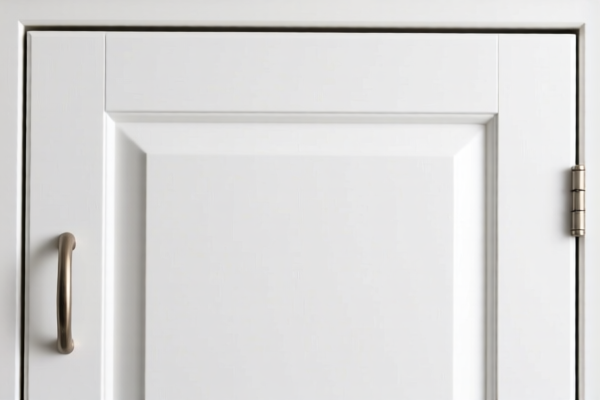
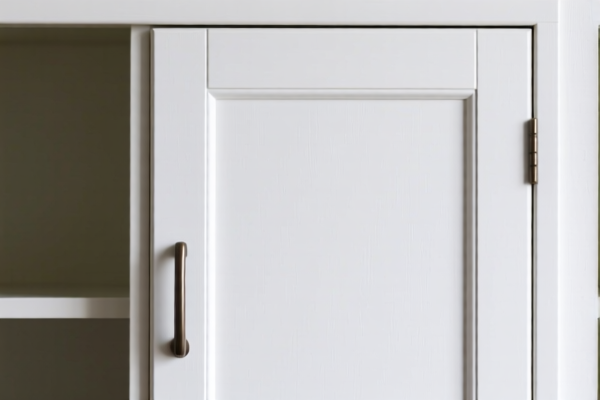
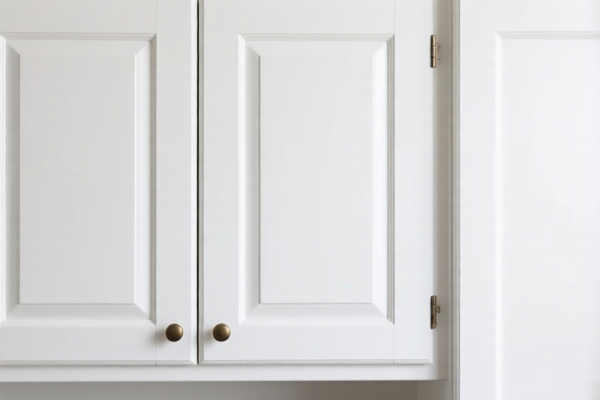
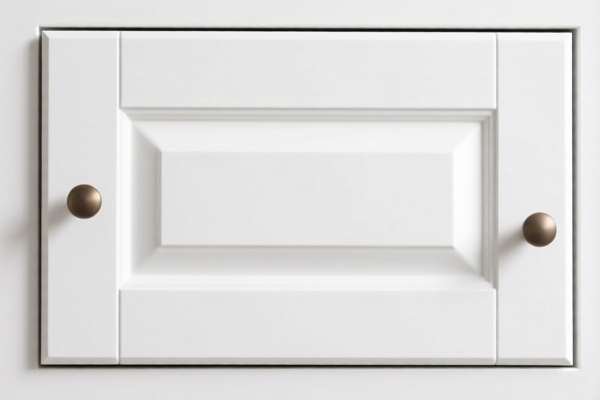
AI Analysis
🚪 Cabinet Door Handles: The Ultimate HS Code & Customs Clearance Guide | 2026 Tariff Breakdown & Strategy
🌐 HS Code Reference & Customs Clearance Guide | 2026 Latest Tariff Analysis | Professional Clearance Strategy
📌 1. Product Definition: What Are Cabinet Door Handles?
Cabinet door handles (often referred to as cabinet pulls or knobs) are hardware components used to open, close, and secure cabinet doors, drawers, and other furniture units. They are typically made from various materials including: * Iron/Steel: Durable, industrial, or rustic styles. * Plastic/Polymer: Lightweight, cost-effective, often used in modern or commercial settings. * Base Metal (Non-Ferrous): Such as brass, zinc alloy, or aluminum alloys, often plated for aesthetic appeal.
⚠️ Key Classification Point: * If the handle is made of Iron or Steel, it generally falls under Chapter 73. * If the handle is made of Plastic, it falls under Chapter 39. * If the handle is made of Other Base Metals (like brass, zinc, etc.), it falls under Chapter 83.
📦 2. HS Code Classification Details (2026 Latest Tariff Reference)
Based on the provided data, here are the specific HS Codes for Cabinet Door Handles, categorized by material:
| HS Code | Product Description | Material | Key Features |
|---|---|---|---|
7326.90.86.88 |
Handles for Iron/Steel Cabinets | Iron/Steel | Other articles of iron or steel; parts of furniture. |
7326.90.86.76 |
Metal Cabinet Handles | Iron/Steel | Other articles of iron or steel; parts of furniture. |
3926.30.10.00 |
Plastic Cabinet Handles | Plastic | Handles and knobs of plastic. |
3926.90.25.00 |
Plastic Cabinet Handles | Plastic | Other plastic articles; handles/knobs. |
8302.10.90.60 |
Base Metal Cabinet Hardware | Base Metal | Base metal mountings, fittings, and similar articles. |
8302.10.60.60 |
Base Metal Furniture Parts | Base Metal | Base metal fittings for furniture, cabinetry, etc. |
🔍 Important Note: * Iron/Steel Handles (
7326.90.86.xx) are subject to the highest tariffs due to specific trade regulations. * Plastic Handles (3926.xx.xx) have a moderate tariff structure. * Base Metal Handles (8302.10.xx) vary significantly based on the specific alloy and application, with one variant (8302.10.60.60) incurring a high tariff similar to steel.
💰 3. 2026 Latest Tariff Rate Breakdown (Including Additional Taxes)
✅ Applicable Country: United States (US)
✅ Origin: China (CN)
✅ Effective Time: Current rates as per 2026 data
🎯 1. 7326.90.86.88 & 7326.90.86.76 — Iron/Steel Cabinet Handles
| Item | Details |
|---|---|
| Base Tariff | 2.9% |
| Section 301 Tariff (Add-on) | +25.0% |
| Section 122 Tariff | +10.0% |
| Steel/Aluminum/Copper Additional Tariff | +50.0% |
| Total Effective Tariff | 87.9% |
| Tax Calculation | CIF Value × 87.9% |
| De Minimis Eligibility | ❌ Not Eligible (High risk of seizure/audit) |
| Legal Basis | Combination of USITC duties, Section 301, Section 122, and specific steel/aluminum add-ons. |
📌 Explanation: * This is the highest tariff bracket for cabinet handles. * The 50% add-on for "Steel, Aluminum, Copper Products" drastically increases the cost. * Total Tax: 87.9% makes importing iron/steel handles from China extremely expensive.
🎯 2. 8302.10.60.60 — Base Metal Furniture Parts
| Item | Details |
|---|---|
| Base Tariff | 3.5% |
| Section 301 Tariff (Add-on) | +25.0% |
| Section 122 Tariff | +10.0% |
| Steel/Aluminum/Copper Additional Tariff | +50.0% |
| Total Effective Tariff | 88.5% |
| Tax Calculation | CIF Value × 88.5% |
| De Minimis Eligibility | ❌ Not Eligible |
| Legal Basis | Similar high-tier trade remedies apply due to material classification. |
📌 Note: * Despite being "base metal" (not strictly steel), this code is grouped with the high-tariff category, likely due to its similarity in use and material composition to steel fixtures.
🎯 3. 3926.30.10.00 & 3926.90.25.00 — Plastic Cabinet Handles
| Item | Details |
|---|---|
| Base Tariff | 6.5% |
| Section 301 Tariff (Add-on) | +7.5% |
| Section 122 Tariff | +10.0% |
| Steel/Aluminum/Copper Additional Tariff | 0% (Not applicable) |
| Total Effective Tariff | 24.0% |
| Tax Calculation | CIF Value × 24.0% |
| De Minimis Eligibility | ⚠️ Check Specific Thresholds (Generally lower risk, but verify) |
| Legal Basis | Standard Section 301 and Section 122 apply; no steel/aluminum add-on. |
📌 Advantage: * Plastic handles are significantly cheaper to import (24% vs. 87.9%+). * This makes plastic a strategic alternative for cost-sensitive markets.
🎯 4. 8302.10.90.60 — Other Base Metal Cabinet Hardware
| Item | Details |
|---|---|
| Base Tariff | 3.4% |
| Section 301 Tariff (Add-on) | +25.0% |
| Section 122 Tariff | +10.0% |
| Steel/Aluminum/Copper Additional Tariff | 0% (Not applicable) |
| Total Effective Tariff | 38.4% |
| Tax Calculation | CIF Value × 38.4% |
| De Minimis Eligibility | ⚠️ Verify |
| Legal Basis | Section 301 and 122 apply; avoids the 50% steel add-on. |
📌 Middle Ground: * This code offers a moderate tariff (38.4%), making it more attractive than steel but more expensive than plastic.
🛠️ 4. Customs Clearance Practical Advice (Avoid Pitfalls)
✅ 1. Documentation Checklist (Essential)
| Document | Required | Notes |
|---|---|---|
| ✅ Product Specification Sheet | ✔️ | Must clearly state material (Iron, Steel, Plastic, Base Metal). |
| ✅ Product Photos | ✔️ | Show finish, brand, and any logos. |
| ✅ Commercial Invoice | ✔️ | Must match HS Code description exactly. |
| ✅ Packing List | ✔️ | Detail weight, quantity, and dimensions. |
| ✅ Country of Origin Certificate | ✔️ | Crucial for tariff determination. |
| ✅ Material Declaration | ✔️ | Explicitly state if the product contains steel, aluminum, or copper to avoid misclassification. |
✅ 2. Classification Strategy (Key Tips)
🔥 “Material is King! Declare Correctly to Save Thousands!”
| Scenario | Correct HS Code | Reason | Risk if Misclassified |
|---|---|---|---|
| Iron/Steel Handle | 7326.90.86.88 or 7326.90.86.76 |
Made of ferrous metals. | If declared as plastic → Severe Penalty (Fraud). If declared as base metal → Underpayment Tax. |
| Plastic Handle | 3926.30.10.00 or 3926.90.25.00 |
Made of polymers. | If declared as metal → Overpay 60%+ tax. |
| Zinc Alloy/Brass Handle | 8302.10.90.60 or 8302.10.60.60 |
Non-ferrous base metals. | Must distinguish between codes to avoid the 88.5% tier if possible. |
✅ 3. Special Considerations
| Issue | Recommendation |
|---|---|
| Mixed Material Handles | If a handle has a plastic grip and metal base, consult a customs broker. It may be classified by the dominant material or as a composite good. |
| Coated/Painted Handles | Ensure the coating is not considered a separate component. Generally, the base material determines the HS Code. |
| Section 122 & 301 | Both apply to most Chinese-origin goods. Plan for these costs in your pricing. |
| Steel Add-on (50%) | Only applies if the product is specifically classified under steel/aluminum/copper categories. Plastic handles avoid this entirely. |
🌍 5. Global Market Comparison (2026)
| Country/Region | Recommended HS Code | Est. Tariff (China Origin) | Key Certification |
|---|---|---|---|
| 🇺🇸 USA | 7326.90.86.88 (Steel) |
87.9% | None specific, but clear labeling required. |
| 🇺🇸 USA | 3926.30.10.00 (Plastic) |
24.0% | FTC labeling, flammability standards. |
| 🇪🇺 EU | 7326.90.86.88 |
~2.9% + VAT | CE Marking, REACH compliance. |
| 🇨🇳 China | 7326.90.86.88 |
~2.9% | CCC (if applicable). |
| 🇬🇧 UK | 7326.90.86.88 |
~2.9% + VAT | UKCA Marking. |
📌 Insight: * USA has the highest barriers due to Section 301, Section 122, and the 50% steel add-on. * EU/UK tariffs are much lower for steel handles but require strict environmental compliance (REACH).
📌 6. Common Mistakes & Pitfalls (Lessons Learned)
❌ Mistake 1: Declaring a Steel Handle as Plastic to avoid taxes.
👉 Consequence: Customs audit, back taxes, fines, and potential seizure. Never do this!
❌ Mistake 2: Using generic terms like "Cabinet Parts" without specifying material.
👉 Consequence: Customs may assign a default higher tariff code or delay clearance for clarification.
❌ Mistake 3: Ignoring the 50% Steel Add-on for iron/steel products.
👉 Consequence: Unexpected costs of up to 87.9% instead of the expected 38.4%.
❌ Mistake 4: Not distinguishing between 8302.10.90.60 (38.4%) and 8302.10.60.60 (88.5%) for base metals.
👉 Consequence: Overpaying or misclassifying base metal handles. Check the specific usage and material composition.
🎯 7. Conclusion: Strategic Sourcing & Clearance
🎯 Key Takeaways:
🔹 Plastic Handles (
3926.30.10.00) are the most cost-effective for US import (24% tax).
🔹 Iron/Steel Handles (7326.90.86.88) are the most expensive (87.9% tax) due to multiple trade remedies.
🔹 Base Metal Handles vary:8302.10.90.60(38.4%) is better than8302.10.60.60(88.5%).
📌 Pro Tip:
If you are importing to the USA, consider: 1. Switching to Plastic for cost savings. 2. Sourcing from Non-China Origins (e.g., Vietnam, India) to potentially avoid Section 301 and 122 tariffs. 3. Applying for Pre-Rulings with US Customs to confirm the correct HS Code and tariff rate.
📣 Immediate Action:
📞 Consult a licensed customs broker to verify the exact material composition and HS Code.
🚀 Optimize your supply chain to minimize tariff impact.
💼 Accuracy saves money!
✨ Professional Customs Clearance Starts with Accurate Classification!
💼 Your Bottom Line Depends on It!
Customer Reviews
About HS Code Classification
The Harmonized System (HS) is an internationally standardized nomenclature developed by the World Customs Organization (WCO) to classify traded products. Over 200 countries use the HS system as the basis for customs tariffs, trade statistics, and import/export regulations.
Each HS code follows a hierarchical structure:
- Chapter (2 digits) — Broad category of goods (e.g., Chapter 84: Machinery and Mechanical Appliances)
- Heading (4 digits) — More specific grouping within the chapter
- Subheading (6 digits) — Internationally standardized breakdown, used by all WCO member countries
- National subdivisions (8-10 digits) — Country-specific extensions for further classification, such as US HTSUS 10-digit codes
Correct HS code classification is essential for smooth customs clearance, accurate duty payment, and compliance with trade regulations. Misclassification can lead to customs delays, overpayment of duties, or penalties.
When importing from CN to US, the applicable tariff rates may include:
- Most-Favored-Nation (MFN) rate — The standard duty rate applied to WTO members
- General rate — Applied to countries without trade agreements
- Trade remedy duties — Additional tariffs such as Section 301 (anti-dumping), Section 232 (national security), or countervailing duties
The information provided on this page is for reference purposes only. For official classification, please consult with your local customs authority or a licensed customs broker.