Cabinet Door Moving Device
CN → US| HS Code | Tariff Rate | Origin | Destination | Doc |
|---|---|---|---|---|
| 7326908630 | 87.9% | CN | US | Official Doc |
| 3926305000 | 22.8% | CN | US | Official Doc |
| 3926908500 | 24.0% | CN | US | Official Doc |
| 8302416080 | 88.9% | CN | US | Official Doc |
| 8302423015 | 71.4% | CN | US | Official Doc |
Product Images
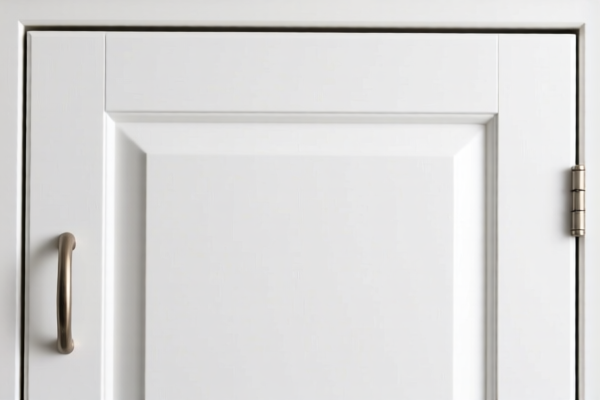
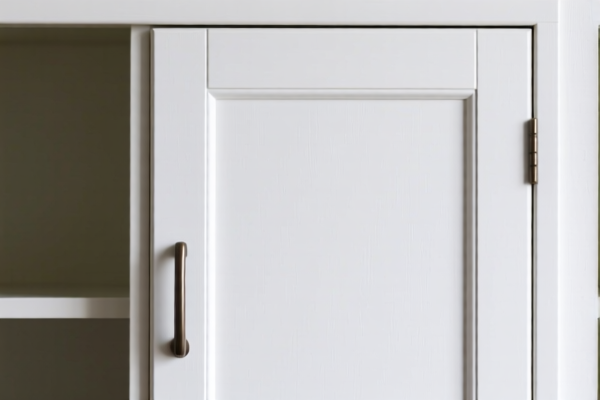
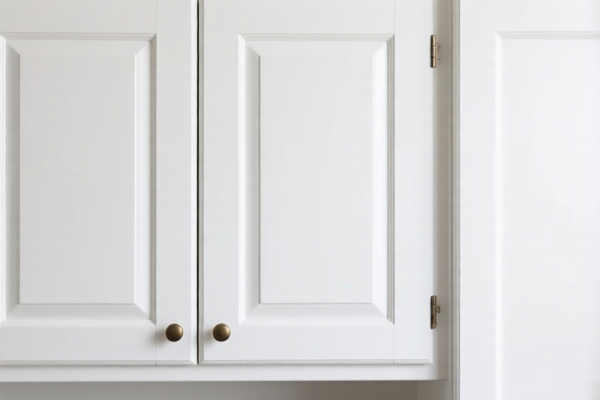
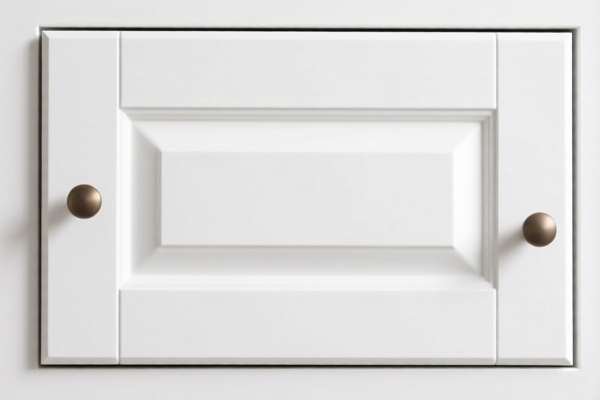
AI Analysis
🚪 Cabinet Door Moving Device (Hardware & Accessories)
🌐 HS Code Reference & Customs Clearance Guide | 2026 Latest Tariff Analysis | Professional Customs Strategy
📌 Part 1: Product Definition and Classification: Do You Really Understand "Cabinet Door Moving Devices"?
A Cabinet Door Moving Device refers to hardware components used to open, close, guide, or support cabinet doors. In international trade, these items are classified based on their material composition and specific function. They generally fall into two main categories:
1. Base Metal Fittings (Iron, Steel, Aluminum, Zinc):
- Includes sliding tracks, hinges, pulls, and guides made primarily of metal.
- Regarded as "Base Metal Articles" or specific "Furniture Mountings."
2. Plastic/Composite Fittings:
- Includes sliders, rollers, and connectors made primarily of plastic or reinforced materials.
- Regarded as "Plastic Articles" or "Other Plastic Goods."
⚠️ Critical Distinction Point:
- If the device is primarily Metal (Iron, Steel, Aluminum, Zinc), it falls under Chapter 73, 83 (Base Metals).
- If the device is primarily Plastic, it falls under Chapter 39 (Plastics).
- Misclassification risk: Declaring metal parts as plastic (or vice versa) leads to significant tariff discrepancies and customs penalties.
📦 Part 2: HS Code Classification Details (2026 Latest Tariff Reference)
Based on the provided data, here are the specific HS Codes, summaries, and detailed tax breakdowns for different material compositions.
| HS Code | Product Description (Summary) | Material Focus | Total Tax Rate |
|---|---|---|---|
| 7326.90.86.30 | Cabinet door moving devices of metal material, classified as supports/brackets for pipes and tubes. | Metal (General) | 87.9% |
| 3926.30.50.00 | Cabinet door moving devices of plastic material, classified as connectors among other plastic articles. | Plastic | 22.8% |
| 3926.90.85.00 | Cabinet door moving devices of plastic or composite material, classified as other mechanical fixation/movement devices. | Plastic/Composite | 24.0% |
| 8302.41.60.80 | Cabinet door moving devices of base metal (Iron, Steel, Aluminum, Zinc), classified as other mounting fittings. | Base Metal (Fe, Steel, Al, Zn) | 88.9% |
| 8302.42.30.15 | Cabinet door moving devices of base metal, classified as furniture mounting articles. | Base Metal (Furniture Specific) | 71.4% |
🔍 Key Insight:
- Metal vs. Plastic: The tariff difference is massive. Metal fittings face ~71-89% tax, while plastic fittings face only ~23-24%.
- Metal Sub-types: Not all metal fittings are taxed equally. "Furniture specific" (8302.42) has a lower total rate (71.4%) than "General Pipe Supports" (7326.90) or "Other Mounting" (8302.41), though all are high due to Section 232 tariffs.
💰 Part 3: 2026 Latest Tariff Rate Details (Including Surcharges & Policy Add-ons)
✅ Applicable Country: United States (US)
✅ Origin: China (CN) (Implied by the specific "Section 301" and "Section 232" surcharges in the data)
✅ Effective Time: Current trade policies (Post-2025 updates)
🎯 1. 7326.90.86.30 —— Metal Cabinet Door Devices (Pipe Support Category)
| Item | Content |
|---|---|
| Base Tariff | 2.9% |
| Section 301 Surcharge | +25.0% |
| Section 232 Surcharge | +50% (Specifically for Steel, Aluminum, Copper products) |
| Total Tax Rate | 87.9% |
| Calculation | CIF Value × 87.9% |
| De Minimis Exemption | ❌ Not Available |
| Legal Basis Path | HTSUS:7326.90.86.30 → Section 301: +25% → Section 232: +50% |
📌 Explanation:
- This code is often used for metal tracks or brackets that resemble pipe supports.
- The 50% Section 232 tariff applies because these are steel/aluminum articles.
- Total burden is nearly 90%, making this the most expensive category.
🎯 2. 3926.30.50.00 —— Plastic Cabinet Door Devices (Connectors)
| Item | Content |
|---|---|
| Base Tariff | 5.3% |
| Section 301 Surcharge | +7.5% |
| Section 232 Surcharge | None (Plastic is not subject to Section 232) |
| Total Tax Rate | 22.8% |
| Calculation | CIF Value × 22.8% |
| De Minimis Exemption | ❌ Not Available (if subject to Section 301 list) |
| Legal Basis Path | HTSUS:3926.30.50.00 → Section 301: +7.5% |
📌 Note:
- This is the most cost-effective option if the product is indeed plastic.
- The surcharge is lower because it does not fall under the strategic steel/aluminum restrictions.
🎯 3. 3926.90.85.00 —— Plastic/Composite Cabinet Door Devices (Other Mechanical Devices)
| Item | Content |
|---|---|
| Base Tariff | 6.5% |
| Section 301 Surcharge | +7.5% |
| Section 232 Surcharge | None |
| Total Tax Rate | 24.0% |
| Calculation | CIF Value × 24.0% |
| De Minimis Exemption | ❌ Not Available |
| Legal Basis Path | HTSUS:3926.90.85.00 → Section 301: +7.5% |
📌 Note:
- Slightly higher than 3926.30 due to the higher base tariff (6.5% vs 5.3%).
- Applicable for composites or other plastic mechanical parts not classified as simple connectors.
🎯 4. 8302.41.60.80 —— Base Metal Devices (Other Mounting Fittings)
| Item | Content |
|---|---|
| Base Tariff | 3.9% |
| Section 301 Surcharge | +25.0% |
| Section 232 Surcharge | +50% (Steel, Aluminum, Copper) |
| Total Tax Rate | 88.9% |
| Calculation | CIF Value × 88.9% |
| De Minimis Exemption | ❌ Not Available |
| Legal Basis Path | HTSUS:8302.41.60.80 → Section 301: +25% → Section 232: +50% |
📌 Explanation:
- This code is for general base metal fittings (iron, steel, aluminum, zinc).
- Highest total rate due to the cumulative 75% surcharge.
🎯 5. 8302.42.30.15 —— Base Metal Devices (Furniture Mounting Articles)
| Item | Content |
|---|---|
| Base Tariff | 3.9% |
| Section 301 Surcharge | +7.5% (Note: Data indicates 7.5% here, potentially a specific exclusion or lower bracket for furniture-specific items) |
| Section 232 Surcharge | +50% (Steel, Aluminum, Copper) |
| Total Tax Rate | 71.4% |
| Calculation | CIF Value × 71.4% |
| De Minimis Exemption | ❌ Not Available |
| Legal Basis Path | HTSUS:8302.42.30.15 → Section 301: +7.5% → Section 232: +50% |
📌 Note:
- This is the best option for Metal products if eligible.
- It is classified specifically as "Furniture Mounting," which may qualify for a lower Section 301 rate (7.5% vs 25%) in some interpretations, but still bears the full 50% Section 232 tariff.
- Savings: 17.5% lower total tax compared to 8302.41 or 7326.90.
🛠️ Part 4: Customs Clearance Practical Advice (Real-World Pitfall Guide)
✅ 1. Preparation Checklist (Non-negotiable)
| Document | Required | Purpose |
|---|---|---|
| ✅ Product Spec Sheet | ✔️ | Must clearly state Material Composition (% metal vs % plastic). |
| ✅ Product Photos | ✔️ | Clear shots of the device, showing if it is metal, plastic, or composite. |
| ✅ Commercial Invoice | ✔️ | Must accurately describe the item (e.g., "Plastic Slider" vs "Steel Bracket"). |
| ✅ Bill of Lading | ✔️ | Consistent with invoice description. |
| ✅ HS Code Pre-ruling | ✔️ | Highly recommended to confirm if 8302.42 (Furniture) applies. |
✅ 2. Declaration Strategy (Key Mnemonics)
🔥 "Material First, Function Second, Furniture Specific for Metal!"
| Scenario | Correct Declaration | Incorrect Practice |
|---|---|---|
| Pure Plastic Slider | 3926.30.50.00 (22.8%) |
Misdeclare as metal to look "premium" → 88.9% tax! |
| Metal Hinge (Furniture Use) | 8302.42.30.15 (71.4%) |
Declare as "Other Base Metal Fitting" → 88.9% tax! |
| Composite Material | 3926.90.85.00 (24.0%) |
Assume it's metal because of metal parts → 88.9% tax! |
| Pipe-like Metal Track | 7326.90.86.30 (87.9%) |
N/A (High cost unavoidable unless re-engineered) |
📌 Critical Warning:
- Do NOT declare metal parts as plastic. Customs can easily test material composition. If found, you face penalties, back taxes, and potential audits.
- Leverage "Furniture" Classification: For metal devices, insist on8302.42.30.15(Furniture Mounting) rather than8302.41or7326. The 7.5% vs 25% Section 301 difference is huge.
✅ 3. Special Cases & Mitigation
| Case | Handling Advice |
|---|---|
| Mixed Materials | If the device is >50% plastic by weight/value, argue for Chapter 39 (3926). If >50% metal, Chapter 83 (8302). |
| Section 232 Exemptions | Check if your specific steel/aluminum product is exempt from the 50% Section 232 tariff (e.g., certain reformulated steels). Rare for consumer hardware, but check! |
| De Minimis (Section 321) | ❌ Not Applicable. The data indicates high total taxes, implying these are excluded from the $800 de minimis threshold (common for Section 301/232 goods). |
| Country of Origin | If the product is assembled in Vietnam, Mexico, or Malaysia, it may avoid Section 301 and 232 tariffs. Check rules of origin carefully. |
🌍 Part 5: Global Market Comparison (2026 Latest)
| Country/Region | Recommended HS Code | Tariff (China Origin) | Certification Req. | Notes |
|---|---|---|---|---|
| 🇺🇸 USA | 8302.42.30.15 (Metal) |
71.4% | No specific | Avoid 8302.41 if possible. Plastic is 3926 (22.8%). |
| 🇨🇳 China | 8302.42.30.15 |
~3.9% | CCC (if applicable) | No Section 301/232. |
| 🇪🇺 EU | 8302.42.30.15 |
~2.7% | CE (if electrical) | No US-style punitive tariffs. |
| 🇨🇦 Canada | 8302.42.30.15 |
~0% (CPTPP) | CPSIA (if toys) | Check FTA benefits. |
📌 Conclusion:
- The US market is the most expensive due to Section 301 and 232 tariffs.
- Strategy: Maximize plastic usage where possible (22.8% tax). For metal, insist on "Furniture Mounting" classification (71.4% tax) rather than general base metal articles (88.9% tax).
📌 Part 6: Common Errors & Pitfalls (Blood and Tears Lessons)
❌ Error 1: Declaring a Metal Hinge as Plastic to save tax.
👉 Consequence: Customs lab test reveals steel. Back taxes + 25% penalty + Audit!
❌ Error 2: Declaring a Furniture Hinge as General Base Metal Fitting (8302.41).
👉 Consequence: Paying 88.9% tax instead of 71.4%. Loss of $1,750 per $10,000 shipment!
❌ Error 3: Assuming De Minimis ($800) applies.
👉 Consequence: Shipment held, taxes demanded, storage fees accumulate. These goods are NOT exempt.
❌ Error 4: Ignoring Section 232 on Aluminum/Steel.
👉 Consequence: Missing the 50% surcharge in cost calculation. Profit margin destroyed.
✅ Correct Approach:
"Plastic Cabinet Slider, Model ABC, Polypropylene, For Use in Kitchen Cabinets" →
3926.30.50.00
"Steel Cabinet Hinge, Model XYZ, Zinc-Plated Steel, For Furniture Use" →8302.42.30.15
🎯 Part 7: Conclusion: Professional Declaration, Cost Savings, Efficiency!
🎯 Remember the Mantra:
🔹 "Plastic is Cheap (23%), Metal is Expensive (71-89%)."
🔹 "Furniture Classification Saves 17.5% on Metal."
🔹 "No De Minimis! Prepare for Full Tax Payment."
📌 Pro Tip:
If your metal cabinet doors are made from non-Section 232 steel or are assembled in a FTA-beneficiary country (e.g., Mexico, Canada), you can significantly reduce or eliminate these tariffs.
Action:
📞 Consult a licensed customs broker.
📄 Request an Advance Ruling for your specific product design.
📊 Recalculate Landed Cost using8302.42.30.15vs8302.41.60.80to optimize sourcing.
✨ Professional Customs Clearance Starts with Accurate Classification!
💼 Every Percent of Tariff Counts in Your Profit Margin!
Customer Reviews
About HS Code Classification
The Harmonized System (HS) is an internationally standardized nomenclature developed by the World Customs Organization (WCO) to classify traded products. Over 200 countries use the HS system as the basis for customs tariffs, trade statistics, and import/export regulations.
Each HS code follows a hierarchical structure:
- Chapter (2 digits) — Broad category of goods (e.g., Chapter 84: Machinery and Mechanical Appliances)
- Heading (4 digits) — More specific grouping within the chapter
- Subheading (6 digits) — Internationally standardized breakdown, used by all WCO member countries
- National subdivisions (8-10 digits) — Country-specific extensions for further classification, such as US HTSUS 10-digit codes
Correct HS code classification is essential for smooth customs clearance, accurate duty payment, and compliance with trade regulations. Misclassification can lead to customs delays, overpayment of duties, or penalties.
When importing from CN to US, the applicable tariff rates may include:
- Most-Favored-Nation (MFN) rate — The standard duty rate applied to WTO members
- General rate — Applied to countries without trade agreements
- Trade remedy duties — Additional tariffs such as Section 301 (anti-dumping), Section 232 (national security), or countervailing duties
The information provided on this page is for reference purposes only. For official classification, please consult with your local customs authority or a licensed customs broker.