Cable Insulation Tape
CN → US| HS Code | Tariff Rate | Origin | Destination | Doc |
|---|---|---|---|---|
| 3919905030 | 40.8% | CN | US | Official Doc |
| 3919102020 | 40.8% | CN | US | Official Doc |
| 3926909989 | 22.8% | CN | US | Official Doc |
| 3926904590 | 38.5% | CN | US | Official Doc |
| 8544604000 | 38.5% | CN | US | Official Doc |
Product Images
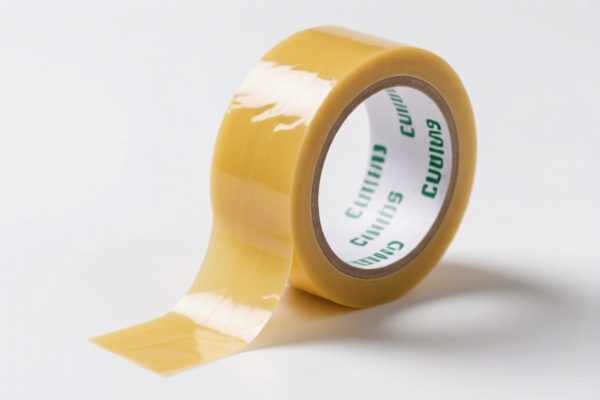
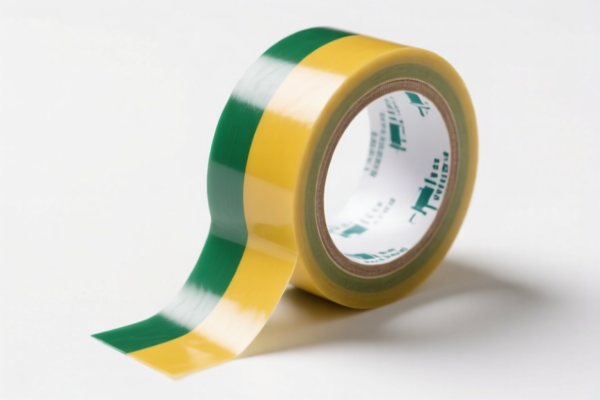
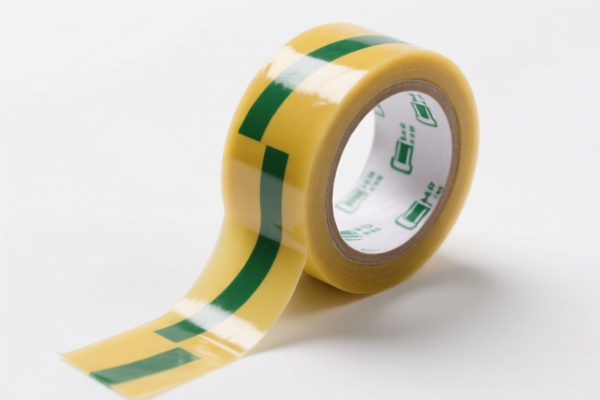
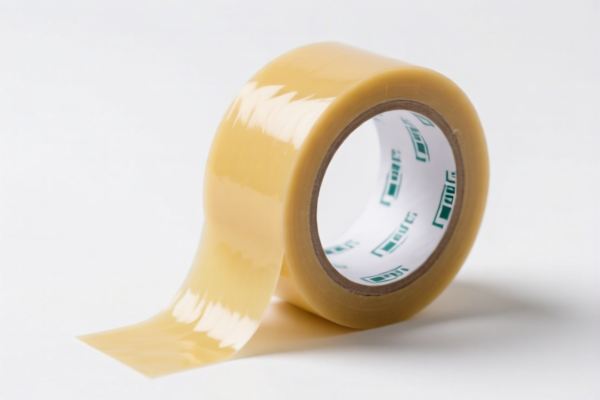
AI Analysis
🎧 Cable Insulation Tape (Electrical Insulation Tapes)
🌐 HS Code Reference & Customs Clearance Guide | 2026 Latest Tariff Analysis | Professional Customs Strategy
📌 I. Product Definition & Classification: Do You Really Know "Insulation Tape"?
Cable insulation tape is a critical component in electrical engineering, used to insulate and protect electrical wires and cables from short circuits, moisture, and physical damage. In international trade, its classification depends heavily on the material composition (primarily PVC, rubber, or plastic polymers) and physical form (self-adhesive rolls, loose sheets, or part of a larger assembly).
Key Distinctions: * Self-Adhesive Plastic/PVC Tape: Most common for general electrical insulation. Typically classified under Chapter 39 (Plastics). * Rubber-Based Insulation: If made primarily of natural or synthetic rubber, it might fall under Chapter 40 (Rubber), though many modern tapes are PVC-based. * Finished Cable Assemblies: If the tape is pre-applied to a cable or part of a finished wiring harness, it may be classified differently (e.g., under Chapter 85 for electrical conductors).
⚠️ Critical Classification Point:
- If it is a loose roll of self-adhesive plastic tape → Likely HS Code 3919 or 3926.
- If it is a finished insulated cable/wire → Likely HS Code 8544.
- Do NOT confuse "tape" with "cable" – the physical state (roll vs. pre-installed) matters immensely.
📦 II. HS Code Classification Details (2026 Latest Tariff Authority Comparison)
Based on the provided data, here are the possible HS Codes and their corresponding tax implications for Chinese-origin goods imported into the US:
| HS Code | Product Description | Inferred Classification | Material/Form |
|---|---|---|---|
3919.90.50.30 |
Self-adhesive plates, sheets, film, foil, strip, and other shapes, of plastics, whether or not in rolls, other than goods of heading 39.18 or 39.20 or 39.21 or 39.22 | Insulation Tape (PVC/Plastic) | Plastic-based, self-adhesive roll |
3919.10.20.20 |
Self-adhesive plates, sheets, film, foil, strip, and other shapes, of plastics, whether or not in rolls, in widths exceeding 20 cm, in rectangular (including square) shapes | Insulation Tape (Wide Plastic) | Plastic-based, wider roll format |
3926.90.99.89 |
Other articles of plastics and articles of other materials of headings 39.01 to 39.14 | Insulation Tape (Other Plastic Goods) | Plastic/polymer, non-specific adhesive classification |
3926.90.45.90 |
Other articles of plastics and articles of other materials of headings 39.01 to 39.14: Gaskets and similar joints, made of plastics | Insulation Tape (Sealing/Gasket Type) | Plastic, classified as a gasket/sealant due to function |
8544.60.40.00 |
Insulated (including enamelled or anodised) wire, cable (including co-axial cable) and other insulated electric conductors, whether or not fitted with connectors; optical fibre cables... | Insulated Cable/Conductor | Finished Cable, not loose tape. Copper-based, pre-insulated. |
🔍 Key Clarification:
- HS 3919 codes are the most likely for standard rolls of electrical tape (PVC-based).
- HS 8544 applies only if the product is a finished insulated wire/cable, not a roll of tape.
- HS 3926 codes are fallbacks for plastic articles not specifically described elsewhere (e.g., if the tape doesn't fit the "self-adhesive" definition strictly or is considered a "gasket-like" seal).
💰 III. 2026 Latest Tariff Rate Breakdown (Including Additional Taxes)
✅ Applicable Country: United States (US)
✅ Origin: China (CN)
✅ Effective Date: November 10, 2025 (for imports after this date)
🎯 1. 3919.90.50.30 & 3919.10.20.20 – Self-Adhesive Plastic Insulation Tape
| Item | Detail |
|---|---|
| Base Tariff | 5.8% (ad valorem) |
| Section 301 Additional Tariff | +25.0% |
| IEEPA Additional Tariff (Section 122) | +10.0% |
| Total Tariff Rate | 40.8% |
| Tax Calculation | CIF Value × 40.8% |
| De Minimis Exemption | ❌ Not Eligible (High tax rate excludes small packages from $800 exemption) |
| Legal Basis Path | IEEPA:9903.01.24 → USITC:3919.xxxx → FOOTNOTE:301 |
📌 Explanation:
- These are standard self-adhesive plastic tapes.
- The 25% is the standard Section 301 tariff on Chinese plastic products.
- The 10% is the additional IEEPA tariff targeting specific Chinese imports.
- Total 40.8% is a significant cost barrier. High-value tapes must carefully consider pricing strategies.
🎯 2. 3926.90.99.89 – Other Plastic Articles (Non-Specific Insulation Tape)
| Item | Detail |
|---|---|
| Base Tariff | 5.3% (ad valorem) |
| Section 301 Additional Tariff | +7.5% |
| IEEPA Additional Tariff (Section 122) | +10.0% |
| Total Tariff Rate | 22.8% |
| Tax Calculation | CIF Value × 22.8% |
| De Minimis Exemption | ❌ Not Eligible |
| Legal Basis Path | IEEPA:9903.01.24 → USITC:3926.90.99 → FOOTNOTE:301 |
📌 Explanation:
- If the tape is classified as a general "plastic article" (not strictly self-adhesive under 3919), the base tariff is slightly lower (5.3%).
- The Section 301 rate is reduced to 7.5% for some plastic goods, lowering the total burden.
- Total 22.8% is significantly cheaper than the 40.8% rate. Strategic classification may offer savings, but must be justified by product specifications.
🎯 3. 3926.90.45.90 – Plastic Gaskets/Seals (Tape as Sealant)
| Item | Detail |
|---|---|
| Base Tariff | 3.5% (ad valorem) |
| Section 301 Additional Tariff | +25.0% |
| IEEPA Additional Tariff (Section 122) | +10.0% |
| Total Tariff Rate | 38.5% |
| Tax Calculation | CIF Value × 38.5% |
| De Minimis Exemption | ❌ Not Eligible |
| Legal Basis Path | IEEPA:9903.01.24 → USITC:3926.90.45 → FOOTNOTE:301 |
📌 Explanation:
- If the tape is used primarily as a sealing gasket (e.g., in industrial applications), it may fall here.
- Base tariff is low (3.5%), but the 25% Section 301 applies fully, bringing the total to 38.5%.
- Risk: Customs may reclassify this as a general plastic tape (3919) if the "gasket" function isn't clear.
🎯 4. 8544.60.40.00 – Insulated Electrical Cable/Conductor
| Item | Detail |
|---|---|
| Base Tariff | 3.5% (ad valorem) |
| Section 301 Additional Tariff | +25.0% |
| IEEPA Additional Tariff (Section 122) | +10.0% |
| Total Tariff Rate | 38.5% |
| Tax Calculation | CIF Value × 38.5% |
| De Minimis Exemption | ❌ Not Eligible |
| Legal Basis Path | IEEPA:9903.01.24 → USITC:8544.60.40 → FOOTNOTE:301 |
📌 Explanation:
- This code is for WIRES/CABLES, not tape.
- If you are exporting finished insulated wires (copper core + insulation), this is the correct code.
- Do NOT use this for rolls of tape. Misclassification can lead to fines, seizure, or delays.
- Tariff is 38.5%, similar to the gasket classification.
🛠️ IV. Customs Clearance Practical Advice (Pitfall Avoidance Guide)
✅ 1. Essential Documentation Checklist
| Document | Required | Notes |
|---|---|---|
| Product Specification Sheet | ✔️ | Must specify: Material (PVC/Rubber/Plastic), Width, Thickness, Adhesive Type, Voltage Rating |
| Photos (Clear) | ✔️ | Show the roll, label, and application (if any). Highlight "Self-Adhesive" and "Insulation" |
| Commercial Invoice | ✔️ | Clearly state: "PVC Electrical Insulation Tape, Self-Adhesive Roll, HS Code XXXX" |
| Packing List | ✔️ | List net/gross weight, dimensions, and number of rolls per carton |
| Certificate of Origin (CO) | ✔️ | Required for US customs; may be needed for future tariff adjustments |
| Third-Party Test Report | ✔️ | UL, CE, or RoHS compliance reports strengthen the classification claim |
✅ 2. Declaration Strategy (Key Tips)
🔥 "Specify Material, State Form, Avoid Ambiguity!"
| Scenario | Correct Declaration | Incorrect Declaration |
|---|---|---|
| Standard PVC Roll Tape | 3919.90.50.30 – "PVC Self-Adhesive Electrical Insulation Tape" |
"Tape" or "Plastic Tape" (Too vague) |
| Wide Plastic Tape | 3919.10.20.20 – "Plastic Self-Adhesive Strip, >20cm Width" |
"Insulation Tape" (Might be misclassified) |
| General Plastic Article | 3926.90.99.89 – "Other Plastic Articles, Insulation Purpose" |
"Rubber Tape" (If it's PVC, this is false) |
| Finished Cable | 8544.60.40.00 – "Insulated Copper Cable, Fitted with Connectors" |
"Insulation Tape" (Completely wrong product) |
📌 Warning:
- Do NOT declare "Insulation Tape" as "Rubber" if it's PVC.
- Do NOT declare rolls of tape as "Cables."
- Do NOT rely solely on "General Plastic" if "Self-Adhesive Plastic" is more accurate.
✅ 3. Special Cases & Mitigation
| Situation | Recommendation |
|---|---|
| Mixed Shipments (Tapes + Cables) | Declare separately. Tapes under 3919/3926, Cables under 8544. Do not lump them together. |
| Private Label/OEM | Provide customer agreement to prove product specifications. Helps defend HS Code choice. |
| High-Value Tapes | Consider Section 301 Exclusions if applicable (check USITC exclusion lists for plastic tapes). |
| De Minimis ($800) | Not available for these HS Codes due to high tariffs. Plan for full duty payment. |
🌍 V. Global Market Comparison (2026 Latest)
| Country/Region | Recommended HS Code | Tariff Rate (China Origin) | Certification | Notes |
|---|---|---|---|---|
| 🇺🇸 USA | 3919.90.50.30 |
40.8% | UL, CE | High tariffs due to Section 301 + IEEPA |
| 🇨🇳 China | 3919.90.50.30 |
5.8% | CCC | No additional tariffs |
| 🇪🇺 EU | 3919.90.50 |
0%~6.5% | CE, RoHS | Lower tariffs, but strict REACH compliance |
| 🇬🇧 UK | 3919.90.50 |
0%~6.5% | UKCA, RoHS | Post-Brexit rules apply |
| 🇦🇺 Australia | 3919.90.50 |
5% | RCM | No major additional tariffs |
📌 Conclusion:
- USA is the most expensive market for Chinese insulation tape due to layered tariffs.
- EU/UK offer lower tariff barriers but have stricter environmental and safety certifications (REACH, RoHS).
- Diversification: Consider sourcing from Vietnam/Mexico for US market to avoid Section 301 tariffs (verify origin rules carefully).
📌 VI. Common Mistakes & Pitfalls (Lessons Learned)
❌ Mistake 1: Declaring PVC tape as "Rubber Tape"
👉 Consequence: Misclassification → Potential fines, delays, or higher duties if rubber has different rates.
❌ Mistake 2: Declaring rolls of tape as "Cables" (HS 8544)
👉 Consequence: Rejection by Customs → Shipment held, returned, or destroyed.
❌ Mistake 3: Omitting "Self-Adhesive" in description
👉 Consequence: Customs may classify under general plastic (3926) with different rates → Discrepancy in duty payment.
❌ Mistake 4: Assuming De Minimis ($800) applies
👉 Consequence: Package seized or taxed retroactively. All these HS Codes are subject to high tariffs.
✅ Correct Practice:
"PVC Electrical Insulation Tape, Self-Adhesive, 19mm Width, 20m Length, Black, UL Certified, Model XYZ"
🎯 VII. Conclusion: Professional Declaration, Cost Control, Risk Mitigation
🎯 Remember the Key Points:
🔹 "PVC Tape = 3919 (40.8%), General Plastic = 3926 (22.8%-38.5%), Cable = 8544 (38.5%)"
🔹 "Specify Material, State Form, Avoid Ambiguity!"
🔹 "US Tariffs are High – Plan Ahead!"
📌 Pro Tip:
If your insulation tape is originating from Vietnam, Mexico, or Thailand, check if it qualifies for USMCA or Generalized System of Preferences (GSP) benefits. However, note that Section 301 tariffs often still apply to Chinese-origin content even if assembled elsewhere. Consult a customs broker for transshipment risks.
📣 Immediate Action:
📞 Contact a licensed customs broker + Provide product samples + Request a Binding Ruling (ISF) if possible.
🚀 Ensure your insulation tape clears customs smoothly, avoiding costly delays and duties.
✨ Professional Customs Clearance Starts with Accurate Classification!
💼 Every percentage point of duty matters – optimize your supply chain!
Customer Reviews
About HS Code Classification
The Harmonized System (HS) is an internationally standardized nomenclature developed by the World Customs Organization (WCO) to classify traded products. Over 200 countries use the HS system as the basis for customs tariffs, trade statistics, and import/export regulations.
Each HS code follows a hierarchical structure:
- Chapter (2 digits) — Broad category of goods (e.g., Chapter 84: Machinery and Mechanical Appliances)
- Heading (4 digits) — More specific grouping within the chapter
- Subheading (6 digits) — Internationally standardized breakdown, used by all WCO member countries
- National subdivisions (8-10 digits) — Country-specific extensions for further classification, such as US HTSUS 10-digit codes
Correct HS code classification is essential for smooth customs clearance, accurate duty payment, and compliance with trade regulations. Misclassification can lead to customs delays, overpayment of duties, or penalties.
When importing from CN to US, the applicable tariff rates may include:
- Most-Favored-Nation (MFN) rate — The standard duty rate applied to WTO members
- General rate — Applied to countries without trade agreements
- Trade remedy duties — Additional tariffs such as Section 301 (anti-dumping), Section 232 (national security), or countervailing duties
The information provided on this page is for reference purposes only. For official classification, please consult with your local customs authority or a licensed customs broker.