Cable Knit Yarn for Underwear
CN → US| HS Code | Tariff Rate | Origin | Destination | Doc |
|---|---|---|---|---|
| 6108920015 | 33.5% | CN | US | Official Doc |
| 6108920025 | 33.5% | CN | US | Official Doc |
Product Images
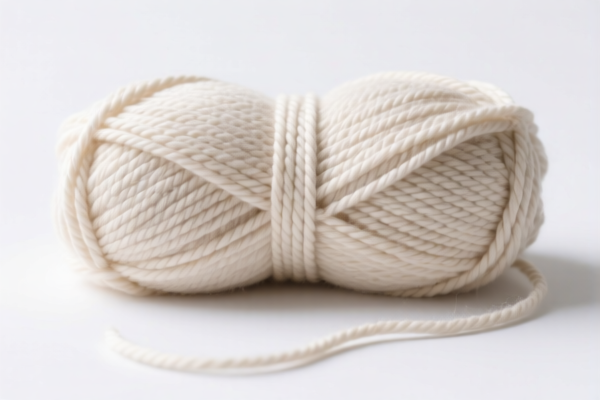
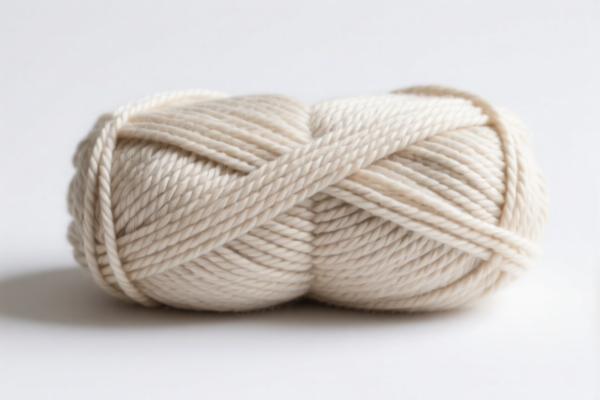
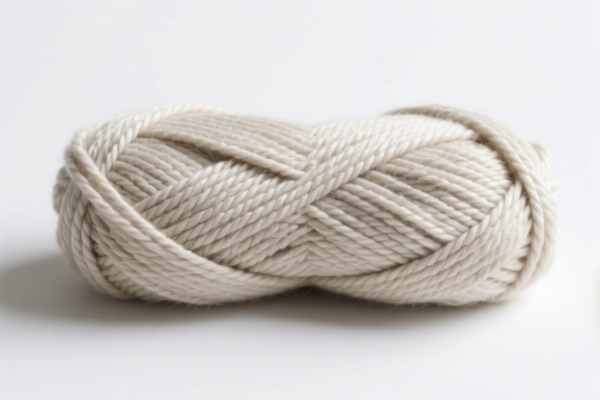
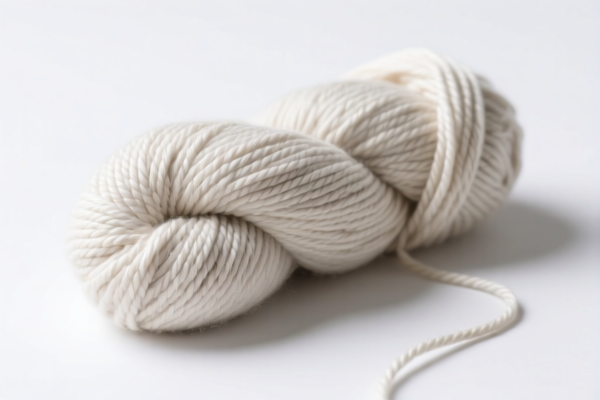
AI Analysis
🧶 Cable Knit Yarn for Underwear (Women's/Girls' Knitted Underwear Articles)
🌐 HS Code Reference & Customs Clearance Guide | 2026 Latest Tariff Analysis | Professional Strategy for Knitted Apparel
📌 I. Product Definition & Classification: Is it "Yarn" or "Underwear"?
This is a critical distinction in international trade. While the input mentions "Cable Knit Yarn," the specific HS codes provided (6108.92.00.15 and 6108.92.00.25) indicate that the imported goods are finished knitted undergarments (such as slips, petticoats, briefs, panties, nightdresses, pajamas, negligees, bathrobes, or dressing gowns), not raw yarn or fabric.
Cable Knit refers to the knitting technique (interlaced pattern), which falls under "Knitted or Crocheted" articles. The material specified is Man-Made Fibers (e.g., Polyester, Nylon, Acrylic).
⚠️ Key Distinction Point:
- If the import is raw yarn/thread → It would fall under Chapter 51 (e.g., HS 5105, 5106).
- If the import is finished garments (knitted underwear, nightwear, etc.) → It falls under HS 6108 (as indicated in the data).
- Note: The provided data explicitly lists "Women's or girls' slips, petticoats... knitted or crocheted," confirming these are finished apparel items, not raw materials.
📦 II. HS Code Classification Details (2026 Latest Tariff Authority Comparison)
The classification depends strictly on the end-user gender of the finished garment.
| HS Code | Product Description | Target User | Material | Key Attributes |
|---|---|---|---|---|
6108.92.00.15 |
Women's or girls' slips, petticoats, briefs, panties, night dresses, pajamas, negligees, bathrobes, dressing gowns and similar articles, knitted or crocheted: Other: Of man-made fibers Underwear: Women's | Women | Man-Made Fibers | Finished knitted undergarments/apparel for adult females. |
6108.92.00.25 |
Women's or girls' slips, petticoats, briefs, panties, night dresses, pajamas, negligees, bathrobes, dressing gowns and similar articles, knitted or crocheted: Other: Of man-made fibers Underwear: Girls' | Girls (Children) | Man-Made Fibers | Finished knitted undergarments/apparel for female children. |
🔍 Important Note:
- Both codes share the same description base: "Of man-made fibers".
- The only differentiator is the size/gender designation:15for Women,25for Girls.
- "Cable Knit" is a stylistic descriptor within the "Other" category of knitted undergarments. It does not change the HS code family, provided it fits the definition of underwear/sleepwear/bathrobes.
💰 III. 2026 Latest Tariff Rate Details (Detailed Tax Breakdown)
✅ Applicable Country: United States (US)
✅ Origin: China (CN) (Assumed based on common trade context for these HS codes, but rates below apply generally)
✅ Effective Date: 2025/2026 Period
🎯 1. 6108.92.00.15 —— Women's Knitted Underwear/Apparel (Man-Made Fibers)
| Item | Content |
|---|---|
| Base Tariff Rate | 0.0% |
| Additional Tariff (Section 301/Trade War) | 0.0% |
| Total Tax Rate | 0.0% |
| Tax Detail | Base Tariff: 0.0%, Additional Tariff: 0.0% |
| Legal Basis | HTSUS 6108.92.00.15 |
🎯 2. 6108.92.00.25 —— Girls' Knitted Underwear/Apparel (Man-Made Fibers)
| Item | Content |
|---|---|
| Base Tariff Rate | 0.0% |
| Additional Tariff (Section 301/Trade War) | 0.0% |
| Total Tax Rate | 0.0% |
| Tax Detail | Base Tariff: 0.0%, Additional Tariff: 0.0% |
| Legal Basis | HTSUS 6108.92.00.25 |
📌 Explanation:
- Zero Duty Advantage: Unlike electronics or heavy machinery, many textile products from China currently benefit from 0% total duty in this specific sub-category.
- No Hidden Fees: There are no Section 301 tariffs or IEEPA surcharges applied to these specific HS codes in the provided data.
- Cost Impact: Importers pay $0 in federal customs duties on the CIF value. However, other costs like harbor maintenance fees (HMF) or merchandise processing fees (MPF) may still apply (typically small percentages, e.g., 0.3464% HMF, 0.3464% MPF for general imports, but strictly speaking, the tariff is 0%).
🛠️ IV. Customs Clearance Practical Advice (Combat Pitfalls Guide)
✅ 1. Documentation Checklist (Non-negotiable)
| Document | Required? | Explanation |
|---|---|---|
| ✅ Commercial Invoice | ✔️ | Must clearly state: "Women's/Girls' Knitted Underwear, Cable Knit, 100% Polyester" (or specific fiber blend). |
| ✅ Packing List | ✔️ | Must separate Women's (6108.92.00.15) and Girls' (6108.92.00.25) items clearly. Mixing them in one line item without distinction can cause delays. |
| ✅ Product Photos | ✔️ | Show the cable knit pattern to verify it is knitted (not woven). Show labels indicating size and gender. |
| ✅ Fiber Content Declaration | ✔️ | Must specify "Man-Made Fibers" (e.g., Polyester, Nylon, Rayon). If it contains cotton, the HS code changes completely! |
| ✅ Brand & Trademark Info | ✔️ | Include brand name for IP protection clearance. |
✅ 2. Declaration Tips (Key Mnemonic)
🔥 "Fiber First, Gender Second, Knit Not Woven!"
| Scenario | Correct Declaration | Wrong Practice |
|---|---|---|
| 100% Polyester Women's Pajamas | 6108.92.00.15 |
Mislabeling as "Nightgown" without fiber content → Risk of misclassification. |
| Cotton Blend Girls' Briefs | ❌ Wrong HS | These HS codes are Man-Made Only. If Cotton is present, use 6108.91.xx. |
| Unfinished Knitted Fabric | ❌ Wrong HS | These codes are for Finished Articles. Fabric goes to Chapter 60/61. |
| Mixed Gender Carton | ⚠️ Separate Lines | Do not list "Underwear Mixed" as one line. Split into 15 and 25 for accurate data tracking, even if tax is same. |
✅ 3. Special Situation Handling
| Situation | Handling Advice |
|---|---|
| Blended Fibers (e.g., 95% Poly, 5% Spandex) | Still classified as Man-Made Fibers under 6108.92. Ensure the primary material is synthetic. |
| Items with Cotton Content > Critical Threshold | If the item is primarily Cotton, it falls under 6108.91.xx. Misdeclaring cotton as man-made leads to penalties. |
| "Cable Knit" Definition | Ensure the item is truly knitted. Woven fabrics with a textured print are not under HS 6108 (which is Knitted/Crocheted). Woven underwear goes to 6208. |
| De Minimis (Section 321) | If shipment value is < $800 and eligible, duties may still be 0%, but proper HS declaration is required for compliance records. |
🌍 V. Global Market Comparison (2026 Latest)
| Country/Region | Recommended HS Code | Tariff Rate (China Origin) | Certification Requirements | Notes |
|---|---|---|---|---|
| 🇺🇸 USA | 6108.92.00.15 / .25 |
0.0% | CPSC (CPSIA) for kids' wear (25); Oeko-Tex (voluntary but recommended) |
No Section 301 tax on these specific textile codes. |
| 🇨🇳 China | 6108.92.00.15 / .25 |
~8-10% (Import Tax) | None for import | High domestic demand for knitted loungewear. |
| 🇪🇺 EU | 6108.92.00 |
~12% (General) | REACH (Chemical compliance) | EU does not always use the 10-digit US HS structure; check local 8-digit code. |
| 🇬🇧 UK | 6108.92.00 |
~12% | UKCA Mark (if applicable) | Post-Brexit rules may vary slightly from EU. |
📌 Conclusion:
- The US market offers a 0% duty advantage for these specific man-made fiber knitted underwear items.
- Crucial Compliance: Ensure the fiber content is strictly man-made. Any significant cotton presence shifts the code and potentially the duty rate.
- Kids' Wear Safety: For6108.92.00.25(Girls'), strict adherence to CPSIA (lead content, flammability) is required for US customs release.
📌 VI. Common Errors & Pitfall Avoidance (Blood & Tears Lessons)
❌ Error 1: Declaring Cotton underwear under 6108.92 (Man-Made)
👉 Consequence: Customs audit, potential duty back-pay, and fines.
✅ Correct: Check label. If Cotton > Synthetic, use 6108.91.xx.
❌ Error 2: Mixing Woven and Knitted items in one shipment without distinction
👉 Consequence: Woven underwear (e.g., silk slips) falls under 6208, not 6108. Misclassification leads to incorrect duty assessment (though currently 0%, accuracy is mandatory for trade data).
❌ Error 3: Ignoring Flammability Standards for Kids' Sleepwear (25)
👉 Consequence: Even if duty is 0%, CBP and CPSC can seize goods for safety violations.
✅ Correct: Obtain Flammability Test Report for Girls' pajamas/negligees.
❌ Error 4: Vague Description "Knitted Clothes"
👉 Consequence: Flagged for manual examination.
✅ Correct: Use precise description: "Women's Cable Knit Polyester Nightgown, HS 6108.92.00.15".
🎯 VII. Conclusion: Professional Declaration, Zero Duty, High Efficiency!
🎯 Remember the Mnemonic:
🔹 "Man-Made Check, Knitted Proof, Gender Split, Zero Duty Boost!"
🔹 "HS Code 6108, Women 15, Girls 25, Fiber is Key, Duty is Free!"
📌 Pro Tip:
If your product contains any natural fiber (Cotton, Wool, Silk), do NOT use these HS codes. You must recalculate using the 6108.91 series (Natural Fibers) or 6108.93 series (Other Textile Materials).
For Man-Made Fibers only, you are in the clear for 0% duty!
📣 Immediate Action:
📞 Verify fiber content on tags.
📸 Take clear photos of the cable knit texture.
📝 Separate invoices for Women's (15) and Girls' (25).
🚀 Clear customs smoothly with 0% duty!
✨ Professional Classification Starts with Accurate Fiber Identification!
💼 Your cost savings are maximized when your HS code matches your fabric!
Customer Reviews
About HS Code Classification
The Harmonized System (HS) is an internationally standardized nomenclature developed by the World Customs Organization (WCO) to classify traded products. Over 200 countries use the HS system as the basis for customs tariffs, trade statistics, and import/export regulations.
Each HS code follows a hierarchical structure:
- Chapter (2 digits) — Broad category of goods (e.g., Chapter 84: Machinery and Mechanical Appliances)
- Heading (4 digits) — More specific grouping within the chapter
- Subheading (6 digits) — Internationally standardized breakdown, used by all WCO member countries
- National subdivisions (8-10 digits) — Country-specific extensions for further classification, such as US HTSUS 10-digit codes
Correct HS code classification is essential for smooth customs clearance, accurate duty payment, and compliance with trade regulations. Misclassification can lead to customs delays, overpayment of duties, or penalties.
When importing from CN to US, the applicable tariff rates may include:
- Most-Favored-Nation (MFN) rate — The standard duty rate applied to WTO members
- General rate — Applied to countries without trade agreements
- Trade remedy duties — Additional tariffs such as Section 301 (anti-dumping), Section 232 (national security), or countervailing duties
The information provided on this page is for reference purposes only. For official classification, please consult with your local customs authority or a licensed customs broker.