Cable Organizer
CN → US| HS Code | Tariff Rate | Origin | Destination | Doc |
|---|---|---|---|---|
| 7326908688 | 87.9% | CN | US | Official Doc |
| 3926909989 | 22.8% | CN | US | Official Doc |
| 3926902500 | 24.0% | CN | US | Official Doc |
| 8536908510 | 35.0% | CN | US | Official Doc |
| 8536908530 | 35.0% | CN | US | Official Doc |
| 8538908180 | 38.5% | CN | US | Official Doc |
Product Images


AI Analysis
🎯 Cable Organizer (理线器) – HS Code & Tariff Guide 2026 | Expert Customs Classification & Compliance Strategy
🌐 HS Code Reference & Clearance Blueprint | 2026 Updated Tariff Analysis | Pro-Level Import Strategy
📌 One Product, Multiple Classifications – Know Which One Fits Your Shipment!
📦 1. Product Definition & Classification: What Is a Cable Organizer?
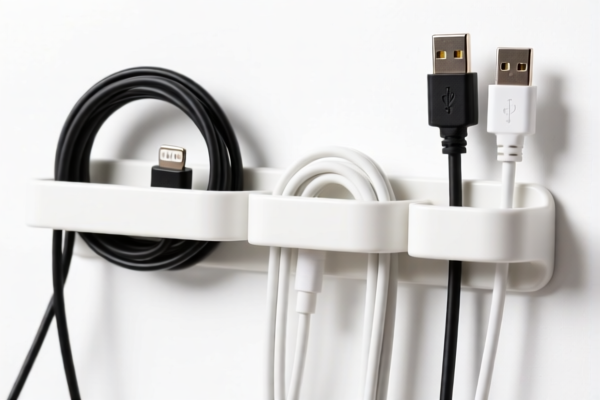
A cable organizer (理线器) is a small device used to manage, bundle, and route cables—commonly found in data centers, server rooms, offices, and electronic equipment. It helps prevent tangling, improve airflow, and enhance system aesthetics and safety.
Despite its simple appearance, its HS Code classification depends heavily on material and function, leading to very different tariff outcomes.
⚠️ Key Insight:
- If made of plastic → likely falls under plastic products
- If made of metal/steel → likely falls under iron/steel articles
- If used in electrical systems → may be classified as electrical accessories
- Wrong classification = 80%+ tax risk — avoid this trap!
🔍 2. HS Code Classification Breakdown (2026 Official Tariff Reference)
| HS Code | Product Description | Material | Functional Basis | Key Tax Risk |
|---|---|---|---|---|
7326.90.86.88 |
Other iron or steel articles, not elsewhere specified | Metal/Steel | General-purpose hardware; used as cable management accessory | 🔴 High risk if misclassified |
3926.90.99.89 |
Other plastic articles, not elsewhere specified | Plastic | Commonly used for cable ties, clips, and small organizers | ✅ High likelihood for plastic items |
3926.90.25.00 |
Other plastic articles, including small items | Plastic | Small plastic components for cable routing | ✅ Most common for plastic organizers |
8536.90.85.10 |
Other electrical wiring accessories, for electrical circuits | Plastic/Metal | Used in electrical systems for cable protection/connection | 🔴 High tariff due to 122条款 |
8536.90.85.30 |
Electrical connectors or connection devices | Plastic/Metal | Functional role in circuit management | 🔴 Same as above |
8538.90.81.80 |
Other parts for electrical switches, controllers, or distribution equipment | Metal/Plastic | Component of electrical systems, often used with panels or racks | 🔴 Highest tariff among all |
📌 Critical Note:
- Plastic organizers →3926.90.99.89or3926.90.25.00
- Metal organizers →7326.90.86.88
- Electrical system use →8536.90.85.10or8538.90.81.80(⚠️ Highest tax!)
💰 3. 2026 U.S. Tariff Breakdown (China-Origin Products)
✅ Applicable Country: United States (US)
✅ Origin: China (CN)
✅ Effective Date: November 10, 2025 (inclusive)
✅ Applicable to All Importers
🎯 1. 7326.90.86.88 – Iron/Steel Articles (Metal Cable Organizers)
| Item | Detail |
|---|---|
| Base Duty | 2.9% |
| Section 301 (USITC) Additional Duty | +25.0% |
| Section 122 Clause (Steel/Aluminum/Copper) Additional Duty | +50.0% |
| Total Effective Duty | 87.9% |
| Tax Calculation | CIF × 87.9% |
| De Minimis Threshold | ❌ Not applicable (denied) |
| Legal Basis Path | USITC:7326.90.86.88 → FOOTNOTE:9903.88.01 → IEEPA:9903.01.25 → SECTION 122:9903.01.24 |
📌 Explanation:
- Section 122 Clause applies to steel, aluminum, and copper products — even if not structural. - This is the highest tariff in the list — over 87% for metal organizers. - Do not classify metal organizers here unless confirmed — risk of overpayment.
🎯 2. 3926.90.99.89 – Other Plastic Articles (Plastic Cable Organizers)
| Item | Detail |
|---|---|
| Base Duty | 5.3% |
| Section 301 (USITC) Additional Duty | +7.5% |
| Section 122 Clause (Steel/Aluminum/Copper) Additional Duty | +10.0% |
| Total Effective Duty | 22.8% |
| Tax Calculation | CIF × 22.8% |
| De Minimis Threshold | ✅ Yes (if value < $800) |
| Legal Basis Path | USITC:3926.90.99.89 → FOOTNOTE:9903.88.01 → IEEPA:9903.01.25 |
📌 Explanation:
- Plastic is not subject to 122 Clause unless it contains metal parts. - Only 10% added under IEEPA (International Emergency Economic Powers Act). - Lowest risk among all codes — ideal for most plastic organizers.
🎯 3. 3926.90.25.00 – Other Plastic Articles (Small Plastic Components)
| Item | Detail |
|---|---|
| Base Duty | 6.5% |
| Section 301 (USITC) Additional Duty | +7.5% |
| Section 122 Clause (Steel/Aluminum/Copper) Additional Duty | +10.0% |
| Total Effective Duty | 24.0% |
| Tax Calculation | CIF × 24.0% |
| De Minimis Threshold | ✅ Yes (if value < $800) |
| Legal Basis Path | USITC:3926.90.25.00 → FOOTNOTE:9903.88.01 → IEEPA:9903.01.25 |
📌 Explanation:
- Slightly higher base rate than3926.90.99.89, but same additional duties. - Used for small, non-structural plastic parts. - Still much safer than metal or electrical codes.
🎯 4. 8536.90.85.10 – Electrical Wiring Accessories (For Circuits)
| Item | Detail |
|---|---|
| Base Duty | 0.0% |
| Section 301 (USITC) Additional Duty | +25.0% |
| Section 122 Clause (Steel/Aluminum/Copper) Additional Duty | +10.0% |
| Total Effective Duty | 35.0% |
| Tax Calculation | CIF × 35.0% |
| De Minimis Threshold | ❌ Not applicable |
| Legal Basis Path | USITC:8536.90.85.10 → FOOTNOTE:9903.88.01 → IEEPA:9903.01.25 |
📌 Explanation:
- Even if plastic, if used in electrical circuits, it may be classified here. - No base duty, but 25% + 10% = 35% — still high. - Only apply if the organizer is part of a circuit system (e.g., in a switchgear box).
🎯 5. 8536.90.85.30 – Electrical Connectors or Connection Devices
| Item | Detail |
|---|---|
| Base Duty | 0.0% |
| Section 301 (USITC) Additional Duty | +25.0% |
| Section 122 Clause (Steel/Aluminum/Copper) Additional Duty | +10.0% |
| Total Effective Duty | 35.0% |
| Tax Calculation | CIF × 35.0% |
| De Minimis Threshold | ❌ Not applicable |
| Legal Basis Path | USITC:8536.90.85.30 → FOOTNOTE:9903.88.01 → IEEPA:9903.01.25 |
📌 Explanation:
- Applies if the organizer functions as a connector or interface. - Common for modular cable trays or plug-in systems. - Avoid unless confirmed — high risk of overpayment.
🎯 6. 8538.90.81.80 – Other Parts for Electrical Switches/Controllers
| Item | Detail |
|---|---|
| Base Duty | 3.5% |
| Section 301 (USITC) Additional Duty | +25.0% |
| Section 122 Clause (Steel/Aluminum/Copper) Additional Duty | +10.0% |
| Total Effective Duty | 38.5% |
| Tax Calculation | CIF × 38.5% |
| De Minimis Threshold | ❌ Not applicable |
| Legal Basis Path | USITC:8538.90.81.80 → FOOTNOTE:9903.88.01 → IEEPA:9903.01.25 |
📌 Explanation:
- Highest tariff of all — 38.5%. - Only applies if the organizer is a component of a switch, controller, or distribution panel. - Rarely applicable — only for industrial-grade, system-integrated parts.
🛠️ 4. Customs Clearance Best Practices (Pro Tips to Avoid Penalties)
✅ 1. Critical Documentation Checklist
| Document | Required? | Why It Matters |
|---|---|---|
| ✅ Product Photos (with label/model) | ✔️ | Show material, design, and use case |
| ✅ Material Certificate (Plastic/Metal) | ✔️ | Prove material → avoid 122 Clause |
| ✅ Technical Specification Sheet | ✔️ | Confirm if used in electrical circuits |
| ✅ Commercial Invoice | ✔️ | Must state “Cable Organizer, Plastic/Metal” |
| ✅ Packing List | ✔️ | Show if part of a larger system |
| ✅ Certificate of Origin (CO) | ✔️ | Required for tariff eligibility |
| ✅ Test Reports (RoHS, UL, etc.) | ✔️ | If used in electrical systems |
✅ 2. 申报策略口诀 (Pro Tip)
🔥 "Material First, Function Second, Electrical Last!"
| Scenario | Correct HS Code | Wrong Code to Avoid |
|---|---|---|
| Plastic cable clip (no electrical use) | 3926.90.99.89 or 3926.90.25.00 |
8536.90.85.10 |
| Metal cable tray (no circuit use) | 7326.90.86.88 |
8538.90.81.80 |
| Cable organizer inside a server rack | 8538.90.81.80 |
3926.90.99.89 |
| Modular cable management system with connectors | 8536.90.85.30 |
3926.90.25.00 |
✅ 3. Special Cases & Risk Mitigation
| Situation | Recommended Action |
|---|---|
| Mixed material (plastic + metal) | Declare as plastic if metal is minor; otherwise, use 122 Clause |
| Used in data center/server room | Use 3926.90.99.89 unless part of electrical system |
| Exported to EU, Japan, Australia | Lower or zero tariffs — verify local rules |
| High-value shipment (>$800) | Do NOT rely on de minimis — plan for full duty |
| Need to reduce risk | Apply for Advance Ruling (Pre-Approval) from U.S. CBP |
🌍 5. Global Market Tariff Comparison (2026)
| Country | Recommended HS Code | Base Duty | Additional Duties | Notes |
|---|---|---|---|---|
| 🇺🇸 USA | 3926.90.99.89 |
5.3% | +7.5% +10% = 22.8% | High risk if misclassified |
| 🇨🇳 China | 3926.90.99.89 |
5% | 0% | No extra tariffs |
| 🇪🇺 EU | 3926.90.99.89 |
0% | 0% (if CE certified) | No 301/122 Clause |
| 🇦🇺 Australia | 3926.90.99.89 |
5% | 0% | No 122 Clause |
| 🇯🇵 Japan | 3926.90.99.89 |
0% | 0% | No extra duties |
📌 Insight:
- Only the U.S. applies 301 + 122 Clause — all other markets are safe. - China-origin products face highest risk in the U.S.
🚫 6. Common Mistakes & Costly Errors (Avoid These!)
❌ Mistake 1: Classifying a plastic organizer as 8536.90.85.10
👉 Result: 35% instead of 22.8% → 12% extra cost
❌ Mistake 2: Using 7326.90.86.88 for plastic organizer
👉 Result: 87.9% tax — catastrophic overpayment
❌ Mistake 3: Not proving material (e.g., no photos or certs)
👉 Result: Customs may reclassify to higher tariff code → penalties + delays
❌ Mistake 4: Declaring as “accessory” without specifying material/function
👉 Result: No legal basis → refusal or seizure
✅ Correct Declaration Example:
"Plastic Cable Organizer, 12-Pack, for Office/Server Use, Model XYZ, Non-Electrical, Not for Circuit Connection, CE & RoHS Certified"
🎯 7. Final Verdict: Choose Wisely, Save Big
🔹 For most plastic organizers: Use
3926.90.99.89→ 22.8% total tax
🔹 For metal organizers: Use7326.90.86.88→ 87.9% tax — only if confirmed
🔹 For electrical systems: Only use8536.90.85.10or8538.90.81.80if functionally required📌 Golden Rule:
"If it’s not part of a circuit, don’t classify it as electrical!"
📌 Pro Tip: Apply for Pre-Approval (Advance Ruling)
📞 Contact a licensed U.S. customs broker or CBP to get official HS Code pre-approval
✅ Avoids disputes
✅ Reduces risk of seizure
✅ Saves thousands in penalties
📣 Act Now!
🚀 Scan your product → Get HS Code confirmed → Avoid 87.9% tax trap!
📞 Contact a customs expert today — your profit depends on it!
✨ Precision Classification = Profit Protection
💼 Your next shipment could save $10,000+ with the right HS Code!
Customer Reviews
About HS Code Classification
The Harmonized System (HS) is an internationally standardized nomenclature developed by the World Customs Organization (WCO) to classify traded products. Over 200 countries use the HS system as the basis for customs tariffs, trade statistics, and import/export regulations.
Each HS code follows a hierarchical structure:
- Chapter (2 digits) — Broad category of goods (e.g., Chapter 84: Machinery and Mechanical Appliances)
- Heading (4 digits) — More specific grouping within the chapter
- Subheading (6 digits) — Internationally standardized breakdown, used by all WCO member countries
- National subdivisions (8-10 digits) — Country-specific extensions for further classification, such as US HTSUS 10-digit codes
Correct HS code classification is essential for smooth customs clearance, accurate duty payment, and compliance with trade regulations. Misclassification can lead to customs delays, overpayment of duties, or penalties.
When importing from CN to US, the applicable tariff rates may include:
- Most-Favored-Nation (MFN) rate — The standard duty rate applied to WTO members
- General rate — Applied to countries without trade agreements
- Trade remedy duties — Additional tariffs such as Section 301 (anti-dumping), Section 232 (national security), or countervailing duties
The information provided on this page is for reference purposes only. For official classification, please consult with your local customs authority or a licensed customs broker.