Cable Reel Claw
CN → US| HS Code | Tariff Rate | Origin | Destination | Doc |
|---|---|---|---|---|
| 8425190000 | 35.0% | CN | US | Official Doc |
| 8425390100 | 35.0% | CN | US | Official Doc |
| 7326908688 | 87.9% | CN | US | Official Doc |
| 7326190080 | 87.9% | CN | US | Official Doc |
Product Images
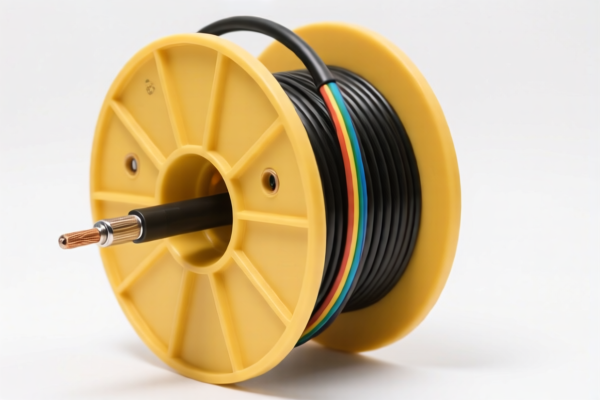
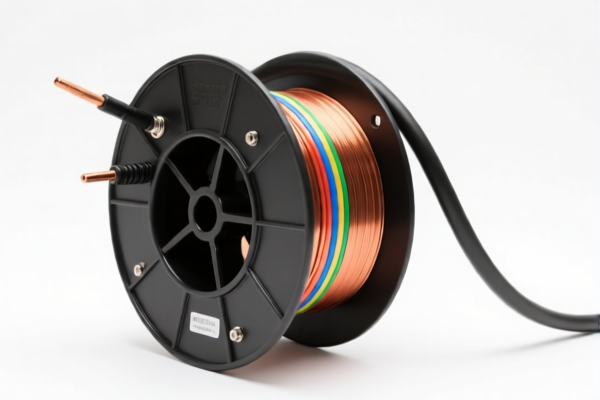
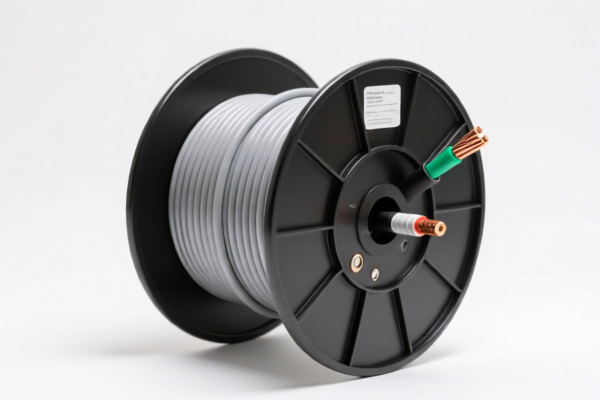
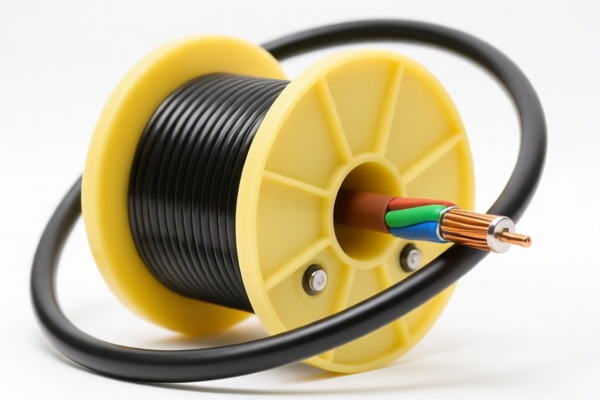
AI Analysis
🔌 Cable Reel Claw (Cable Management & Handling Hardware)
🌐 HS Code Reference & Customs Clearance Guide | 2026 Latest Tariff Analysis | Professional Strategy for Metal Hardware
📌 One. Product Definition & Classification: What is a "Cable Reel Claw"?
A Cable Reel Claw (often referred to as cable clips, cable claws, or reel handles/hooks) is a metal or plastic hardware component used to secure, hang, or manage electrical cables on industrial or commercial cable reels. In the context of the provided data, these items are classified under Iron or Steel articles or Winches/Jacks machinery parts, depending on their specific construction and function.
Key Distinction: * Forged/Stamped Steel Claws: If the item is a heavy-duty metal hook or claw designed for handling or securing heavy cable reels, it falls under Chapter 73 (Articles of Iron or Steel). * Mechanical Lifting Parts: If the item is an integral part of a hoist, winch, or capstan system (e.g., a specific grappling hook attached to a winch drum), it may fall under Chapter 84 (Machinery).
⚠️ Critical Classification Point:
- If it is a simple metal fixture/hook (not part of a complex machine) → Chapter 73
- If it is a winch/hoist component actively lifting or pulling → Chapter 84
📦 Two. HS Code Classification Details (2026 Latest Tariff Alignment)
Based strictly on the provided , here are the four valid HS Codes and their tax implications.
| HS Code | Product Description | Application Scenario | Tax Rate |
|---|---|---|---|
7326.90.86.88 |
Other articles of iron or steel: Other: Other: Other: Other | General steel cable clips, hooks, or mounting brackets for reels | 77.9% |
7326.19.00.80 |
Other articles of iron or steel: Forged or stamped, but not further worked | Heavy-duty stamped steel claws used for gripping or securing reels | 77.9% |
8425.19.00.00 |
Pulley tackle and hoists...: Pulley tackle and hoists...: Other | Mechanical hoisting claws or lifting hooks used in hoist systems | 25.0% |
8425.39.01.00 |
Pulley tackle and hoists...: Winches; capstans: Other | Components of winches or capstans used for winding cable reels | 25.0% |
🔍 Key Insight:
- Chapter 73 (7326.xxxxxx) items are treated as "general steel articles" and incur a massive 77.9% tariff due to the combination of base tariff (2.9%) + Section 301 tariff (25%) + Steel/Aluminum/Copper additional tariff (50%).
- Chapter 84 (8425.xxxxxx) items are treated as "machinery/mechanical parts" and incur a 25.0% tariff (Base 0% + Section 301 25%).
- Strategic Advice: If the "Cable Reel Claw" can be justified as a mechanical part of a winch (8425), the savings are 52.9% compared to classifying it as a general steel article (7326).
💰 Three. 2026 Tariff Rate Breakdown (Detailed Policy Add-ons)
✅ Applicable Country: United States (US)
✅ Origin: China (CN)
✅ Effective Date: 2025/2026 (Current Policy)
🎯 1. HS Code 7326.90.86.88 & 7326.19.00.80 —— Steel Articles (Clips/Hooks)
| Item | Detail |
|---|---|
| Base Tariff | 2.9% |
| Section 301 Tariff | +25.0% |
| Steel/Aluminum/Copper Additional Tariff | +50.0% |
| Total Tax Rate | 77.9% |
| Calculation | CIF Value × 77.9% |
| De Minimis Exemption | ❌ Not Eligible |
| Legal Path | Section 301 + Section 232 (Steel) → HTS: 7326.xxxxxx |
📌 Explanation:
- This high rate applies because the item is considered a "finished steel article" from China.
- The 50% additional tariff is the critical cost driver for steel products.
- Risk: High clearance risk if misclassified. Customs may audit whether it is truly "forged/stamped" or a simple article.
🎯 2. HS Code 8425.19.00.00 —— Hoists & Pulley Tackle
| Item | Detail |
|---|---|
| Base Tariff | 0.0% |
| Section 301 Tariff | +25.0% |
| Additional Tariff | 0% (Not subject to Steel 50% surcharge) |
| Total Tax Rate | 25.0% |
| Calculation | CIF Value × 25.0% |
| De Minimis Exemption | ❌ Not Eligible |
| Legal Path | Section 301 → HTS: 8425.19.00.00 |
📌 Explanation:
- This code applies if the claw is part of a hoist system (e.g., a lifting hook assembly).
- Savings: Saves 52.9% compared to Chapter 73.
- Requirement: Must demonstrate mechanical function (lifting/pulling) rather than just static holding.
🎯 3. HS Code 8425.39.01.00 —— Winches & Capstans
| Item | Detail |
|---|---|
| Base Tariff | 0.0% |
| Section 301 Tariff | +25.0% |
| Additional Tariff | 0% |
| Total Tax Rate | 25.0% |
| Calculation | CIF Value × 25.0% |
| De Minimis Exemption | ❌ Not Eligible |
| Legal Path | Section 301 → HTS: 8425.39.01.00 |
📌 Explanation:
- Applies if the claw is a component of a winch or capstan.
- Savings: Same as above (25.0% total).
- Requirement: Must be used in conjunction with a winch/capstan for winding or pulling operations.
🛠️ Four. Customs Clearance Operational Advice (Real-World Pitfall Avoidance)
✅ 1. Preparation Checklist (Essential Documents)
| Document | Required? | Purpose |
|---|---|---|
| ✅ Product Photos | ✔️ | Show the item in isolation AND in use (attached to a reel/winck). |
| ✅ Technical Specification Sheet | ✔️ | Detail material (Steel grade), manufacturing process (Forged/Stamped vs. Cast). |
| ✅ Function Description | ✔️ | Clarify if it is a static hook (Ch 73) or a mechanical lifting component (Ch 84). |
| ✅ Commercial Invoice | ✔️ | Use precise HS Code description (e.g., "Steel Cable Hoisting Hook" vs. "Steel Cable Clip"). |
| ✅ Bill of Lading | ✔️ | Ensure packaging doesn't suggest "machinery" if declaring as "steel article" to avoid scrutiny. |
✅ 2. Classification Strategy (The "52.9% Savings" Rule)
| Scenario | Recommended HS Code | Tariff | Why? |
|---|---|---|---|
| Simple Steel Hook/Clip (Sold alone, no moving parts) | 7326.19.00.80 or 7326.90.86.88 |
77.9% | Classified as "Other articles of iron or steel." Subject to Steel 50% surcharge. |
| Lifting Hook for Hoist (Part of a pulley/hoist system) | 8425.19.00.00 |
25.0% | Classified as "Pulley tackle and hoists." Avoids Steel 50% surcharge. |
| Winch Drum Claw/Component (Part of a winch) | 8425.39.01.00 |
25.0% | Classified as "Winches." Avoids Steel 50% surcharge. |
🚨 WARNING:
- Do NOT simply declare all metal cable reels as7326if they can be justified as mechanical parts.
- However, do NOT misdeclare a simple plastic or static steel clip as a winch part. Customs will reject it if it lacks mechanical function.
- Best Practice: If the item is a heavy-duty steel claw for industrial winches, use8425. If it is a light-duty clip, use7326.
✅ 3. Special Cases & Handling
| Case | Handling Advice |
|---|---|
| Plastic Cable Claw | Not covered in provided data. Likely falls under 3926 (Plastics) with lower tariffs. Check separately. |
| Mixed Shipment (Steel + Plastic) | Must separate HS Codes. Steel parts will trigger 77.9% or 25%; Plastic parts will have different rates. |
| "Forged or Stamped" Clarification | For 7326.19.00.80, provide proof of forging/stamping (e.g., manufacturing process flow). If it’s cast, it may fall under 7326.90.86.88. |
🌍 Five. Global Market Comparison (2026 Context)
| Market | Recommended HS Code | Estimated Tariff (China Origin) | Notes |
|---|---|---|---|
| 🇺🇸 USA | 8425.39.01.00 (if winch part) |
25.0% | Best Rate. Avoid 7326 if possible. |
| 🇺🇸 USA | 7326.19.00.80 (if simple clip) |
77.9% | High Cost. Driven by Steel 50% surcharge. |
| 🇨🇳 China | N/A | Variable | Export duties may apply for steel. |
| 🇪🇺 EU | Similar HS Codes | ~0-10% | No Section 301/Steel 50% surcharges. |
📌 Conclusion for US Importers:
- The 50% Steel Additional Tariff is the main cost driver.
- If your "Cable Reel Claw" is a mechanical component of a hoist or winch, always prioritize8425codes to save 52.9%.
- If it is a static fixture, you must accept the 77.9% rate or explore alternative materials (plastic/nylon) if feasible.
📌 Six. Common Mistakes & Pitfalls (Lessons Learned)
❌ Mistake 1: Declaring a heavy steel hoist claw as a "Steel Cable Clip" (7326)
👉 Result: Pays 77.9% instead of 25.0%. Losing 52.9% profit!
✅ Fix: Provide engineering drawings showing it is a lifting component of a hoist system.
❌ Mistake 2: Declaring a simple plastic clip as a "Winch Part" (8425)
👉 Result: Customs detention, fines, and potential fraud investigation.
✅ Fix: Correctly classify as plastic/hardware (3926 or 7326 if metal) even if the rate is higher.
❌ Mistake 3: Ignoring the "Steel" definition
👉 Result: If the item is >2.5mm thick steel, it is "Steel." If it’s thin wire, it might be "Iron."
✅ Fix: Verify material thickness and composition.
🎯 Seven. Conclusion: Professional Declaration, Cost Optimization!
🎯 Remember the Golden Rule:
🔹 "Mechanical Winch/Hoist Part = 25% | Simple Steel Article = 77.9%"
🔹 "Is it lifting? Is it part of a machine? Use Chapter 84!"
🔹 "Is it just a hook/clip? Use Chapter 73, but expect the 77.9% hit."
📌 Pro Tip:
- If your product is a standard cable reel handle or clip, consider if it can be re-engineered as a winch component to qualify for
8425.- If not, budget for the 77.9% tariff.
- Always consult a customs broker for a Pre-Ruling before shipment to lock in the correct HS Code.
📣 Action Plan:
- Identify Function: Is it mechanical (winch/hoist) or static (clip/hook)?
- Choose Code:
8425for mechanical (25%) or7326for static (77.9%).- Document: Prepare tech specs and photos to support the classification.
- Clearance: File accurately to avoid delays and penalties.
✨ Precise Classification, Maximized Profit!
💼 Every 1% of Tariff Saved is 1% of Profit Gained!
Customer Reviews
About HS Code Classification
The Harmonized System (HS) is an internationally standardized nomenclature developed by the World Customs Organization (WCO) to classify traded products. Over 200 countries use the HS system as the basis for customs tariffs, trade statistics, and import/export regulations.
Each HS code follows a hierarchical structure:
- Chapter (2 digits) — Broad category of goods (e.g., Chapter 84: Machinery and Mechanical Appliances)
- Heading (4 digits) — More specific grouping within the chapter
- Subheading (6 digits) — Internationally standardized breakdown, used by all WCO member countries
- National subdivisions (8-10 digits) — Country-specific extensions for further classification, such as US HTSUS 10-digit codes
Correct HS code classification is essential for smooth customs clearance, accurate duty payment, and compliance with trade regulations. Misclassification can lead to customs delays, overpayment of duties, or penalties.
When importing from CN to US, the applicable tariff rates may include:
- Most-Favored-Nation (MFN) rate — The standard duty rate applied to WTO members
- General rate — Applied to countries without trade agreements
- Trade remedy duties — Additional tariffs such as Section 301 (anti-dumping), Section 232 (national security), or countervailing duties
The information provided on this page is for reference purposes only. For official classification, please consult with your local customs authority or a licensed customs broker.