Cable Seal
CN → US| HS Code | Tariff Rate | Origin | Destination | Doc |
|---|---|---|---|---|
| 7326200055 | 88.9% | CN | US | Official Doc |
| 8301106080 | 23.6% | CN | US | Official Doc |
| 8301106020 | 23.6% | CN | US | Official Doc |
| 7326200090 | 88.9% | CN | US | Official Doc |
| 7326908688 | 87.9% | CN | US | Official Doc |
Product Images
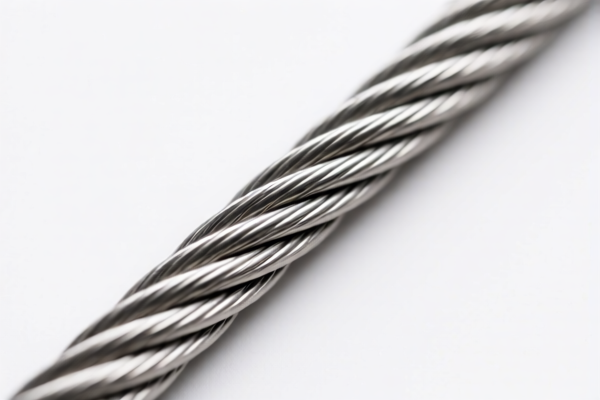
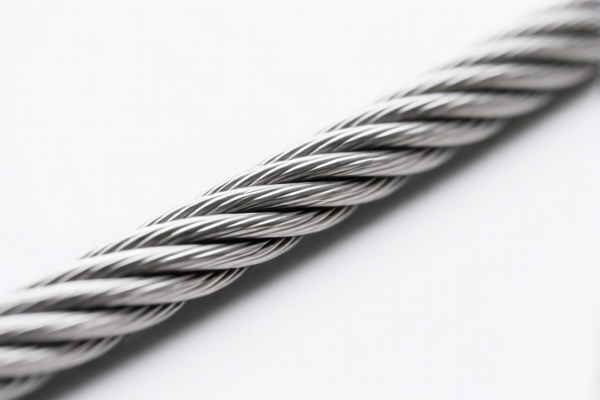
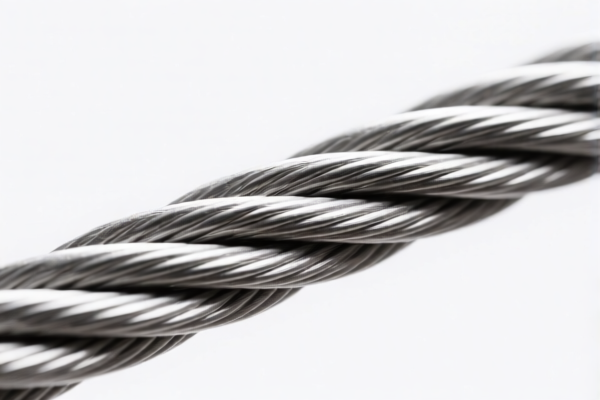
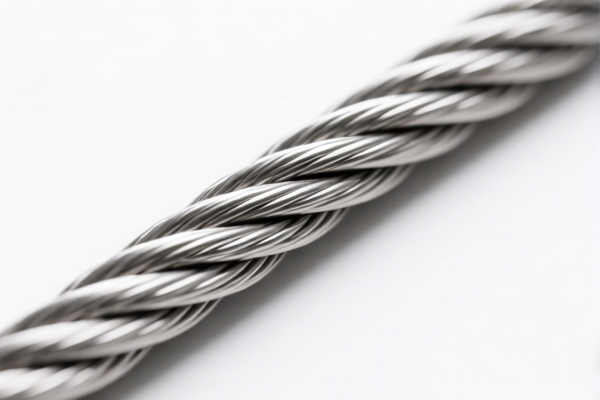
AI Analysis
🔐 Cable Seals (Steel Wire Seals)
🌐 HS Code Reference & Customs Clearance Guide | 2026 Latest Tariff Analysis | Professional Compliance Strategy
📌 1. Product Definition: What Exactly is a "Cable Seal"?
A Cable Seal (often referred to as a Wire Seal or Steel Seal) is a security device used to seal containers, trucks, trailers, and valuable goods. In international trade, the classification depends heavily on the material composition, structural form, and functional description.
⚠️ Key Distinction for Classification: - If described primarily as a "Wire Product" made of steel/iron → Likely falls under Chapter 73 (Articles of Iron or Steel). - If described primarily as a "Closure/Sealing Device" made of metal → Likely falls under Chapter 83 (Miscellaneous Manufactured Articles of Base Metal).
📌 Critical Note: The presence of "122 Section Tariffs" (Section 232 Tariffs on Steel, Aluminum, and Copper) significantly impacts the duty rate for steel-based products.
📦 2. HS Code Classification Breakdown (2026 Tariff Schedule)
Based on the provided data, here are the specific HS Codes, their descriptions, and why they apply:
| HS Code | Product Description | Classification Logic |
|---|---|---|
| 7326.20.00.55 | Cable Seal, Material: Steel, Form: Seal. Classified as Steel Wire Products. | Focuses on the material (steel wire) rather than the function. Treated as a generic steel wire article. |
| 7326.20.00.90 | Cable Seal, Material: Steel, Form: Wire/Iron Articles. Classified as Other Iron/Steel Articles. | Similar to .55 but used for other steel wire forms not specifically listed elsewhere. Generic steel wire category. |
| 7326.90.86.88 | Cable Seal, Material: Steel, Form: Wire-like Articles. Classified as Other Iron/Steel Articles. | Broad category for other steel articles that don't fit into specific wire product subheadings. |
| 8301.10.60.80 | Cable Seal, Classified as Metal Closure Devices. Material: Metal/Steel. | Focuses on the function (closure/sealing device). Classified under "Base Metal Fasteners, Locks, Seals". |
| 8301.10.60.20 | Cable Seal, Material: Steel Wire/Metal, Form: Cable/Wire Seal. | Specific sub-category for cable/wire-shaped seals within the metal closure device chapter. |
🔍 Classification Insight: - Chapter 73 Codes (7326.) generally treat the seal as a manufactured steel item. - Chapter 83 Codes (8301.) treat the seal as a specialized hardware component (like a lock or latch). - Tax Implication: The classification dramatically changes the total tax burden due to different base rates and applicability of Section 232 tariffs.
💰 3. 2026 Tariff Rate Detailed Analysis
✅ Applicable Market: United States (US)
✅ Origin: China (CN)
✅ Effective Date: Current rates apply including Section 232 and Section 301 tariffs.
🎯 A. High-Tariff Category: Steel Wire Products (Chapter 73)
HS Codes: 7326.20.00.55, 7326.20.00.90, 7326.90.86.88
These codes are subject to Section 232 Tariffs because they are classified as steel products.
| Item | Content |
|---|---|
| Base Tariff | 2.9% – 3.9% (Ad Valorem) |
| Section 232 Tariff (Steel) | +50% (Under Section 232 of the Trade Expansion Act) |
| Section 301 Tariff (China) | +25% or +7.5% (Depending on specific 2026 list adjustments) |
| Total Estimated Tax | ~87.9% – 88.9% |
📌 Explanation: - The 50% Section 232 tariff is applied because these HS codes are considered "steel articles." - Section 301 tariffs are added on top: - For
7326.20.00.55and.90: +25% is applied. - For7326.90.86.88: +25% is applied (based on total tax calculation provided). - Result: This is a very high-cost entry for imports. The total tax burden exceeds 87%.
🎯 B. Moderate-Tariff Category: Metal Closure Devices (Chapter 83)
HS Codes: 8301.10.60.80, 8301.10.60.20
These codes are classified under "Locks, fasteners, and seals", not explicitly as raw steel materials, often escaping the steepest Section 232 steel-specific tariffs, but still subject to Section 301.
| Item | Content |
|---|---|
| Base Tariff | 6.1% (Ad Valorem) |
| Section 301 Tariff (China) | +7.5% (Applied to most metal hardware) |
| Section 232 Tariff? | No (Not classified as primary steel article under Section 232 in this specific subheading) |
| Total Estimated Tax | 23.6% |
📌 Explanation: - No Section 232 tariff: Because these are classified as "closure devices" rather than "steel wire products," they avoid the punitive 50% steel tariff. - Section 301 Tariff: A +7.5% tariff is applied (common for many metal hardware items under 2026 rules). - Result: This is a significantly more cost-effective classification for importers. The total tax is ~23.6%.
🛠️ 4. Customs Clearance Strategy & Recommendations
✅ 1. Documentation Checklist (Essential for Clearance)
| Document | Requirement | Reason |
|---|---|---|
| Product Specification Sheet | ✔️ Mandatory | Must clearly state: Material (e.g., "Steel Wire"), Function ("Security Seal"), and Dimensions. |
| Material Composition Report | ✔️ Mandatory | To prove if it is primarily steel (triggering 232) or a mixed-metal hardware item. |
| Commercial Invoice | ✔️ Mandatory | Clearly describe as "Metal Cable Seal" or "Steel Wire Seal" depending on chosen HS Code. |
| HS Code Pre-Ruling | ✔️ Recommended | Request a binding ruling from CBP to confirm if it falls under 7326 (Steel) or 8301 (Hardware). |
| Country of Origin Certificate | ✔️ Mandatory | To determine eligibility for Section 301 exemptions (if any). |
✅ 2. Strategic Classification Advice
🔥 "Hardware Over Steel: The 65% Savings Strategy!"
| Scenario | Recommended HS Code | Tax Rate | Why? |
|---|---|---|---|
| Standard Cable Seal | 8301.10.60.20 or 8301.10.60.80 |
23.6% | Classify as a closure device. Avoids the 50% Section 232 steel tariff. |
| Loose Steel Wire (Unfinished) | 7326.20.00.55 |
88.9% | Avoid this! Only used if the product is essentially raw wire sold as a seal without hardware components. |
| Generic Steel Article | 7326.90.86.88 |
87.9% | Avoid this! Broad category that still triggers Section 232. |
⚠️ Warning: - If you declare as
7326.*, CBP will apply the 50% Section 232 tariff. - If you declare as8301.*, you avoid Section 232 but pay 7.5% Section 301. - Difference: ~65% tax savings by choosing the correct Chapter 83 classification.
✅ 3. Common Pitfalls & How to Avoid Them
❌ Pitfall 1: Describing the product simply as "Steel Wire" on the invoice.
👉 Result: CBP assigns 7326 HS Code → 88.9% Tax.
✅ Fix: Use the term "Cable Seal" or "Security Seal" and emphasize its function as a closure device.
❌ Pitfall 2: Ignoring Section 232 applicability. 👉 Result: Surprise bill at customs due to unanticipated 50% steel tariff. ✅ Fix: Verify if the specific HS Code is excluded from Section 232. Chapter 83 closures are often excluded.
❌ Pitfall 3: Using vague descriptions like "Metal Part." 👉 Result: Customs delays, requests for additional info, potential reclassification to higher-tariff categories. ✅ Fix: Be specific: "Steel Cable Seal for Container Security, Model XYZ."
🌍 5. Global Market Comparison (2026)
| Market | Recommended HS Code | Est. Total Tax (China Origin) | Notes |
|---|---|---|---|
| 🇺🇸 USA | 8301.10.60.20 |
23.6% | Best option. Avoids Section 232 steel tariffs. |
| 🇨🇳 China | 8301.10.60.20 |
~5-7% | Standard import duty for metal hardware. No Section 301. |
| 🇪🇺 EU | 8301.10.60.20 |
~2.5-4% | Low duties for metal locks/seals. |
| 🇬🇧 UK | 8301.10.60.20 |
~3-5% | Post-Brexit tariffs similar to EU for hardware. |
📌 Conclusion: - USA is the most challenging market due to Section 301 and Section 232 tariffs. - Chapter 83 (
8301.*) is the optimal classification for importing cable seals into the US to minimize tax liability. - Chapter 73 (7326.*) should be avoided unless the product is explicitly a steel wire article not functioning as a closure device.
📌 6. Action Plan for Importers
- Review Product Description: Ensure your commercial invoice reads "Cable Seal" not "Steel Wire."
- Choose HS Code: Use
8301.10.60.20or8301.10.60.80for a 23.6% total tax. - Avoid Steel Classification: Do not use
7326.*codes unless you are prepared for ~88% tax. - Consult a Broker: Before shipping, get a pre-ruling from a customs broker to confirm the
8301classification is accepted by CBP for your specific product design. - Document Function: Include a product photo showing the seal mechanism (locking head, cable body) to prove it is a closure device.
🎯 Final Takeaway:
🔹 "It’s a Seal, Not Just Wire!"
🔹 Classify as Hardware (8301) to save 65%+ in taxes.
🔹 Avoid Steel Wire (7326) to dodge the 50% Section 232 Tax.
📣 Need Help?
📞 Contact a licensed customs broker for an HS Code pre-ruling. 🚀 Optimize your supply chain costs by choosing the right classification.
✨ Smart Classification, Smarter Savings!
💼 Don’t let unnecessary tariffs eat your profits!
Customer Reviews
About HS Code Classification
The Harmonized System (HS) is an internationally standardized nomenclature developed by the World Customs Organization (WCO) to classify traded products. Over 200 countries use the HS system as the basis for customs tariffs, trade statistics, and import/export regulations.
Each HS code follows a hierarchical structure:
- Chapter (2 digits) — Broad category of goods (e.g., Chapter 84: Machinery and Mechanical Appliances)
- Heading (4 digits) — More specific grouping within the chapter
- Subheading (6 digits) — Internationally standardized breakdown, used by all WCO member countries
- National subdivisions (8-10 digits) — Country-specific extensions for further classification, such as US HTSUS 10-digit codes
Correct HS code classification is essential for smooth customs clearance, accurate duty payment, and compliance with trade regulations. Misclassification can lead to customs delays, overpayment of duties, or penalties.
When importing from CN to US, the applicable tariff rates may include:
- Most-Favored-Nation (MFN) rate — The standard duty rate applied to WTO members
- General rate — Applied to countries without trade agreements
- Trade remedy duties — Additional tariffs such as Section 301 (anti-dumping), Section 232 (national security), or countervailing duties
The information provided on this page is for reference purposes only. For official classification, please consult with your local customs authority or a licensed customs broker.