Cabled Yarn for Underwear
CN → US| HS Code | Tariff Rate | Origin | Destination | Doc |
|---|---|---|---|---|
| 6108920015 | 33.5% | CN | US | Official Doc |
| 6108920025 | 33.5% | CN | US | Official Doc |
| 6212105010 | 34.4% | CN | US | Official Doc |
| 6212105020 | 34.4% | CN | US | Official Doc |
| 5205410020 | 40.0% | CN | US | Official Doc |
| 5205410090 | 40.0% | CN | US | Official Doc |
| 5402316000 | 43.0% | CN | US | Official Doc |
| 5402396190 | 43.0% | CN | US | Official Doc |
| 5502100000 | 42.5% | CN | US | Official Doc |
| 5502900000 | 42.5% | CN | US | Official Doc |
Product Images
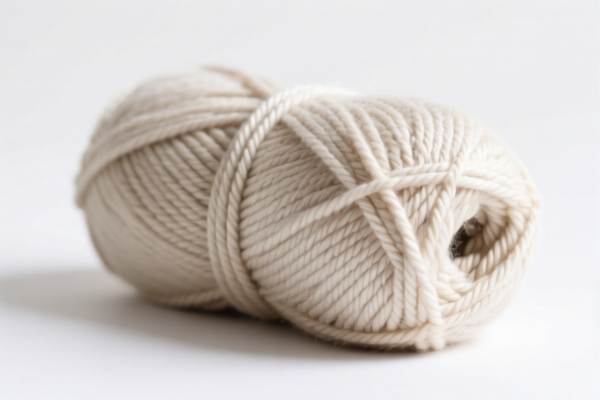
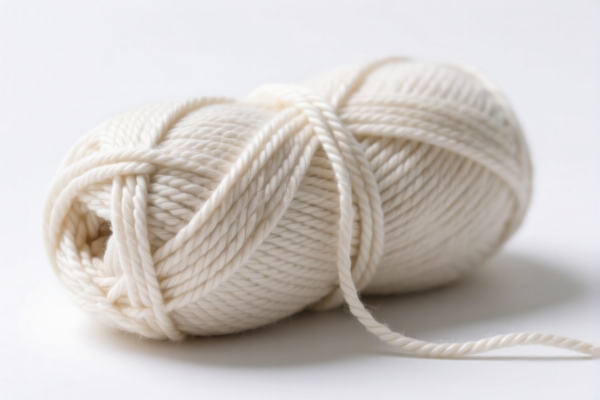
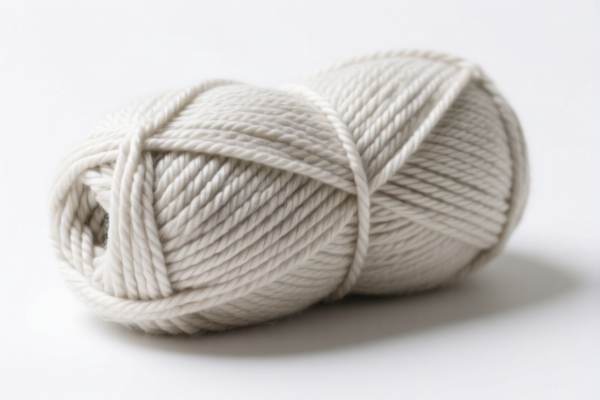
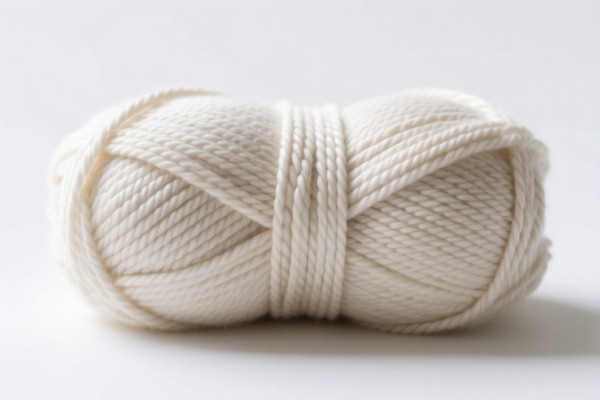
AI Analysis
👙 Cabled Yarn for Underwear (Textile Essentials)
🌐 HS Code Reference & Customs Clearance Guide | 2026 Latest Tariff Analysis | Professional-Level Strategy
📌 Part I: Product Definition & Classification: Do You Understand "Underwear Yarn"?
Cabled yarn for underwear refers to multi-folded or cabled synthetic or natural fiber yarns specifically used in the manufacture of knitted or crocheted underwear items (such as bras, panties, slips, etc.). In international trade, this product is not classified as "ready-made clothing" but as raw textile materials. The classification depends heavily on: 1. Fiber Composition (Cotton vs. Man-made/Synthetic). 2. Yarn Structure (Single, Multiple/Cabled, Combed vs. Carded). 3. End Use (Knitting/Crocheting for Underwear).
⚠️ Key Distinction:
- If it is cabled/multiple yarn made of combed cotton → Likely 5205.41.00.20 or 5205.41.00.90.
- If it is textured synthetic yarn (nylon/polyamide) → Likely 5402.31.60.00.
- Do not classify as finished underwear (Chapter 61/62); it is a raw material (Chapter 52/54/55).
📦 Part II: HS Code Classification Details (2026 Latest Tariff Authority Comparison)
Based on the provided data, here are the specific HS Codes for cabled/multiple yarns associated with underwear materials:
| HS Code | Product Description | Material/Type | Applicable Scenario |
|---|---|---|---|
5205.41.00.20 |
Cotton yarn, ≥85% cotton, not for retail: Multiple/Cabled, combed fibers, ≤14 nm, Ring Spun | Cotton | High-quality cotton underwear yarn, ring-spun process. |
5205.41.00.90 |
Cotton yarn, ≥85% cotton, not for retail: Multiple/Cabled, combed fibers, ≤14 nm, Other | Cotton | Cotton underwear yarn, non-ring-spun or other processes. |
5402.31.60.00 |
Synthetic filament yarn, textured, nylon/polyamide, ≤500 decitex, Multiple/Cabled | Synthetic (Nylon/Polyamide) | Textured nylon cabled yarn for elastic underwear bands or lace. |
5402.39.61.90 |
Synthetic filament yarn, textured, Other fibers, Multiple/Cabled, Other | Synthetic (Other) | Textured cabled yarn made of polyester or other synthetics (not nylon). |
🔍 Important Note:
- The term "Cabled Yarn" falls under Multiple (folded) or cabled yarn in HS classification.
- Nylon/Polyamide yarns are categorized under 5402.31 if textured and ≤500 decitex.
- Cotton yarns ≥85% content are categorized under 5205, with further split by spin type (Ring Spun vs. Other).
💰 Part III: 2026 Latest Tariff Rate Details (Including Additional Taxes & Policy Surcharges)
✅ Applicable Country: United States (US)
✅ Origin: China (CN)
✅ Effective Time: Current tariffs apply (Base 0%, Additional 0%)
🎯 1. Cotton Yarn (HS Codes: 5205.41.00.20 & 5205.41.00.90)
| Item | Content |
|---|---|
| Base Tariff | 0.0% (ad valorem) |
| Additional Tariff (Section 301/IEEPA) | 0.0% |
| Total Tax Rate | 0.0% |
| Tax Calculation | CIF Value × 0% = $0 |
| De Minimis Eligibility | ✅ Yes (if value ≤ $800, entry type 86/90) |
| Legal Basis | Base rate from HTSUS; No active Section 301 surcharge for these specific cotton yarn codes. |
📌 Explanation:
- Cotton yarns of high count (≤14 nm) are classified under 5205.
- Unlike some electronics or steel products, cotton textiles often have lower or zero additional tariffs depending on the specific subheading.
- 0% Total Tax means significant cost savings for importers.
🎯 2. Synthetic Filament Yarn (HS Codes: 5402.31.60.00 & 5402.39.61.90)
| Item | Content |
|---|---|
| Base Tariff | 0.0% (ad valorem) |
| Additional Tariff (Section 301/IEEPA) | 0.0% |
| Total Tax Rate | 0.0% |
| Tax Calculation | CIF Value × 0% = $0 |
| De Minimis Eligibility | ✅ Yes (if value ≤ $800, entry type 86/90) |
| Legal Basis | Synthetic filament yarns under 5402 generally enjoy low base rates. No active Section 301 surcharge for these specific textured cabled codes. |
📌 Explanation:
- Textured nylon/polyamide yarns (5402.31) and other synthetic textured yarns (5402.39) are currently exempt from additional tariffs.
- 0% Total Tax applies, making these competitive for US importers.
🛠️ Part IV: Customs Clearance Practical Advice (Combat Pitfalls Guide)
✅ 1. Preparation Checklist (Essential Documents)
| Document | Mandatory | Description |
|---|---|---|
| ✅ Product Specification Sheet | ✔️ | Must detail fiber content (%), decitex, cabled structure, spin type (if cotton), and end use. |
| ✅ Lab Test Report | ✔️ | Confirms fiber composition (e.g., 100% Cotton vs. 85% Cotton + 15% Other). |
| ✅ Commercial Invoice | ✔️ | Must state "Cabled Yarn for Underwear Manufacture" and match HS Code description. |
| ✅ Packing List | ✔️ | Details gross/net weight, number of cones/bobbins. |
| ✅ Bill of Lading/Air Waybill | ✔️ | Standard shipping document. |
| ✅ Customs Bond | ✔️ | Required for formal entry (if value > $2,500). |
✅ 2. Declaration Tips (Key Mantra)
🔥 "Fiber Content is King, Structure is Queen, HS Code Must Match!"
| Scenario | Correct Declaration | Wrong Practice |
|---|---|---|
| Cotton Yarn, Combed, Ring Spun | 5205.41.00.20 |
Misdeclaring as 5205.31 (Carded) → Risk of audit. |
| Nylon Cabled, Textured, ≤500 dtex | 5402.31.60.00 |
Misdeclaring as 5402.19 (Non-textured) → Wrong rate. |
| Unfinished Yarn | Declare as Yarn (Chapter 52/54) | Declare as "Underwear Parts" (Chapter 61/62) → Wrong classification. |
| Mixed Fiber (e.g., Cotton+Spandex) | Declare based on principal fiber (>50%) | Declare as "Man-made" if cotton is <50%. |
✅ 3. Special Case Handling
| Case | Handling Advice |
|---|---|
| Cotton < 85% | Falls under 5205.42-5205.49 (different subheadings), not 5205.41. Check composition! |
| Yarn for Retail Sale | If packaged for direct consumer sale (e.g., small skeins), it may be classified under Chapter 56 or specific retail headings, not 5205. |
| Nylon > 500 Decitex | Excluded from 5402.31.60.00; may fall under 5402.33 or other. Verify decitex! |
| De Minimis (Section 321) | For shipments ≤ $800, can use Type 86 Entry, no duty, no formal entry. |
🌍 Part V: Global Market Customs Comparison (2026 Latest)
| Country/Region | Recommended HS Code | Tariff | Certification | Remarks |
|---|---|---|---|---|
| 🇺🇸 USA | 5205.41.00.20 / 5402.31.60.00 |
0% | None | Zero tariff under current HTSUS for these codes. |
| 🇨🇳 China | 5205.41.00.20 / 5402.31.60.00 |
0%~8% | None | Export from China: Check local VAT/refund policies. |
| 🇪🇺 EU | 5205.41.00.20 / 5402.31.60.00 |
0%~4% | REACH (Chemicals) | Low duty, but REACH compliance required for dyes/finishes. |
| 🇬🇧 UK | Same as EU | 0%~4% | UKCA (if applicable) | Post-Brexit, check UK Global Tariff. |
| 🇻🇳 Vietnam | Varies | 0%~20% | None | Depends on FTAs (e.g., EVFTA). |
📌 Conclusion:
- USA offers 0% tariff for these specific cabled yarn codes.
- EU and UK may impose small duties (0-4%) but are generally stable.
- No major trade wars currently affect these specific yarn codes, unlike textiles/clothing.
📌 Part VI: Common Mistakes & Pitfalls Guide (Blood Lessons)
❌ Mistake 1: Declaring "Cotton Yarn" when it is actually Polyester/Cotton Blend
👉 Consequence: Misclassification → Fine + Back Taxes.
👉 Fix: Provide Lab Test Report confirming exact fiber % composition.
❌ Mistake 2: Confusing Ring Spun vs. Other for Cotton Yarn
👉 Consequence: Wrong HS Code (5205.41.00.20 vs .90). While tax is 0% for both, it affects anti-dumping or quota tracking if any apply.
👉 Fix: Confirm manufacturing process (Ring Spun vs. Open End).
❌ Mistake 3: Misjudging Decitex for Synthetic Yarn
👉 Consequence: 5402.31.60.00 requires ≤500 decitex. If >500, it falls under 5402.33 or 5402.39.
👉 Fix: Verify decitex on technical specs.
❌ Mistake 4: Using "Underwear Yarn" as a vague description
👉 Consequence: Customs may reject for insufficient detail.
👉 Fix: Use precise description: "Textured Nylon Cabled Yarn, 400 Decitex, for Knitting Underwear."
✅ Correct Practice:
"Cotton Yarn, 85% Cotton, Combed, Multiple Folded, Ring Spun, ≤14 Nm, Not for Retail Sale."
🎯 Part VII: Conclusion: Professional Declaration, Save Time, Reduce Cost!
🎯 Remember the Mantra:
🔹 "Fiber % Dictates Chapter, Structure Dictates Heading, Decitex Dictates Subheading."
🔹 "0% Tariff is Real, but Only if Data is Accurate!"
📌 Pro Tip:
- If your yarn is < $800 per shipment, use De Minimis (Type 86) for fastest clearance with $0 Duty.
- For bulk shipments, apply for Pre-Import Ruling if unsure about fiber composition or spin type.
- Always keep Lab Test Reports and Technical Data Sheets ready for customs inspection.
📣 Immediate Action:
📞 Consult your customs broker to verify fiber content and decitex.
🚀 Ensure HS Codes match your product specs exactly to enjoy the 0% Tariff advantage!
✨ Professional Customs Clearance Starts with Accurate Classification!
💼 Every Cent Saved is Pure Profit!
Customer Reviews
About HS Code Classification
The Harmonized System (HS) is an internationally standardized nomenclature developed by the World Customs Organization (WCO) to classify traded products. Over 200 countries use the HS system as the basis for customs tariffs, trade statistics, and import/export regulations.
Each HS code follows a hierarchical structure:
- Chapter (2 digits) — Broad category of goods (e.g., Chapter 84: Machinery and Mechanical Appliances)
- Heading (4 digits) — More specific grouping within the chapter
- Subheading (6 digits) — Internationally standardized breakdown, used by all WCO member countries
- National subdivisions (8-10 digits) — Country-specific extensions for further classification, such as US HTSUS 10-digit codes
Correct HS code classification is essential for smooth customs clearance, accurate duty payment, and compliance with trade regulations. Misclassification can lead to customs delays, overpayment of duties, or penalties.
When importing from CN to US, the applicable tariff rates may include:
- Most-Favored-Nation (MFN) rate — The standard duty rate applied to WTO members
- General rate — Applied to countries without trade agreements
- Trade remedy duties — Additional tariffs such as Section 301 (anti-dumping), Section 232 (national security), or countervailing duties
The information provided on this page is for reference purposes only. For official classification, please consult with your local customs authority or a licensed customs broker.