Cables
CN → US| HS Code | Tariff Rate | Origin | Destination | Doc |
|---|---|---|---|---|
| 8544700000 | 35.0% | CN | US | Official Doc |
| 9001100085 | 41.7% | CN | US | Official Doc |
| 9001100075 | 41.7% | CN | US | Official Doc |
| 8543908885 | 85.0% | CN | US | Official Doc |
| 7326908688 | 87.9% | CN | US | Official Doc |
Product Images
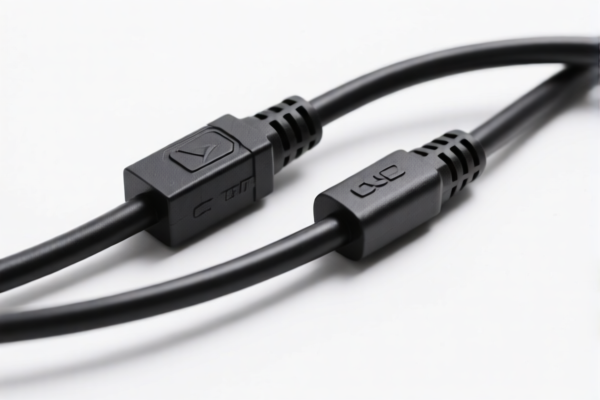
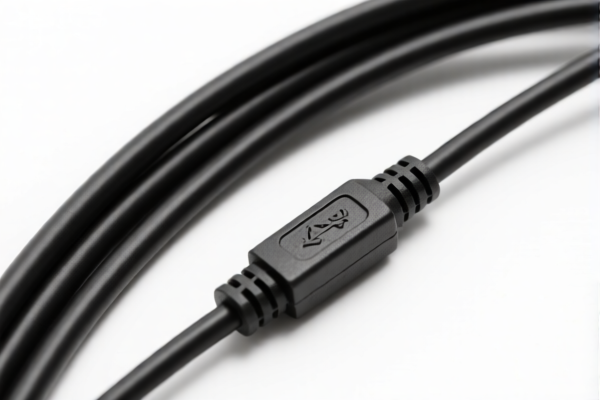
AI Analysis
🔌 Cables & Fiber Optics (Cables)
🌐 HS Code Reference & Customs Clearance Guide | 2026 Latest Tariff Analysis | Professional Entry Strategy
📌 I. Product Definition & Classification: Do You Really Understand “Cables”?
In international trade, "Cables" is not a single homogeneous category. It is strictly divided based on material (optical fiber vs. conductive metal) and function (transmission vs. structural support). Misclassification can lead to catastrophic tariff differences (from 35% to nearly 90%).
Key Distinctions:
- Optical Fiber Cables (FOC): Transmit data via light.
- Pure Fiber: If the cable is only the fiber itself (no insulation/jacketing beyond the fiber coating), it may fall under 8544.
- Prepared Optic Fibers/Cords: If assembled into bundles or cords with connectors/plugs, they often fall under 9001 (Optical Instruments/Devices).
- Conductive Cables & Wires:
- Electrical Cables: Insulated conductors for electricity/data. Typically 8544.
- Hardware/Fittings: Clamps, clips, and supports made of steel/aluminum/copper. These are mechanical/hardware items, not electrical components, and face punitive tariffs.
⚠️ Critical Warning:
- "Cable" is too vague for customs. You must specify: Material (Fiber/Copper/Aluminum), Structure (Insulated/Uninsulated), and End-use (Transmission/Support). - Steel/Aluminum/Copper hardware (clips/clamps) are subject to the highest penalties (50% additional tariff), regardless of whether they are used for cables.
📦 II. HS Code Classification Matrix (2026 Latest Tariff Authority)
| HS Code | Product Description | Material/Structure | Tariff Category |
|---|---|---|---|
| 8544.70.00.00 | Optical Fiber Cable (Fiber optic cables) |
Material: Optical Fiber Form: Cable |
✅ Base: 0% +25% (301) +10% (122) |
| 9001.10.00.85 | Other Fiber Optic Bundles & Cords (Unspecified material) |
Material: Other Form: Bundles/Cords |
✅ Base: 6.7% +25% (301) +10% (122) |
| 9001.10.00.75 | Plastic Optical Fiber Bundles & Cords | Material: Plastic/Polymer Form: Bundles/Cords |
✅ Base: 6.7% +25% (301) +10% (122) |
| 8543.90.88.85 | Other Electrical Equipment Parts (Cable-related components) |
Material: Various (Electrical components) |
✅ Base: 0% +25% (301) +10% (122) (Metals: +50%) |
| 7326.90.86.88 | Cable Clamps & Clips (Steel/Iron fixation products) |
Material: Steel/Iron Form: Hardware/Fixtures |
✅ Base: 2.9% +25% (301) +10% (122) +50% (Metal Penalty) |
🔍 Important Note:
- 8544.70.00.00 is the "Gold Standard" for pure optical fiber cables. It has a 0% base tariff, making it significantly cheaper than the 6.7% base of 9001 items. - 7326.90.86.88 is for hardware. Do not classify cable clips as "cables." They are steel products and trigger the 50% additional metal tariff.
💰 III. 2026 Detailed Tariff Rate Analysis (Including Surtaxes)
✅ Applicable Country: United States (US)
✅ Origin: China (CN)
✅ Effective Date: November 10, 2025 (and subsequent imports)
🎯 1. 8544.70.00.00 – Optical Fiber Cable (Pure Fiber)
| Item | Content |
|---|---|
| Base Duty | 0% (Ad Valorem) |
| USITC Additional Duty (Section 301) | +25% |
| IEEPA Additional Duty (Section 122) | +10% |
| Total Effective Rate | 35.0% |
| Calculation | CIF Value × 35% |
| De Minimis Eligibility | ❌ No (Deny De Minimis) |
| Legal Basis | IEEPA:9903.01.25 → USITC:8544.70.00.00 |
📌 Explanation:
- This is the most favorable classification for optical cables. - The 35% total rate is high, but significantly lower than hardware or misclassified electronic parts. - Base is 0%, so the entire burden comes from the punitive tariffs.
🎯 2. 9001.10.00.85 & 9001.10.00.75 – Fiber Optic Bundles/Cords
| Item | Content |
|---|---|
| Base Duty | 6.7% |
| USITC Additional Duty (Section 301) | +25% |
| IEEPA Additional Duty (Section 122) | +10% |
| Total Effective Rate | 41.7% |
| Calculation | CIF Value × 41.7% |
| De Minimis Eligibility | ❌ No |
| Legal Basis | IEEPA:9903.01.25 → USITC:9001.10.00.xx |
📌 Explanation:
- If your "cable" is a cord (flexible, with connectors) or a bundle (not yet formed into a standardized cable structure), it falls here. - The 6.7% base makes it 6.7% more expensive than pure fiber cables. - Plastic Optical Fiber (POF) specifically uses9001.10.00.75, same rate.
🎯 3. 7326.90.86.88 – Steel/Iron Cable Clamps & Clips
| Item | Content |
|---|---|
| Base Duty | 2.9% |
| USITC Additional Duty (Section 301) | +25% |
| IEEPA Additional Duty (Section 122) | +10% |
| Additional Metal Tariff | +50% (Specific to Steel/Aluminum/Copper) |
| Total Effective Rate | 87.9% |
| Calculation | CIF Value × 87.9% |
| De Minimis Eligibility | ❌ No |
| Legal Basis | IEEPA:9901.25 → USITC:7326.90.86.88 → METAL_PENALTY |
📌 CRITICAL WARNING:
- DO NOT classify cable clips, ties, or clamps as "cables." - These are Steel/Iron products. - The 50% additional metal tariff is the highest penalty in this dataset. - 87.9% is nearly prohibitive. Consider sourcing these from non-China countries if possible.
🎯 4. 8543.90.88.85 – Other Electrical Equipment Parts
| Item | Content |
|---|---|
| Base Duty | 0% |
| USITC Additional Duty (Section 301) | +25% |
| IEEPA Additional Duty (Section 122) | +10% |
| Additional Metal Tariff | +50% (If Steel/Aluminum/Copper) |
| Total Effective Rate | 85.0% (or 35% if non-metal) |
| Calculation | CIF Value × 85.0% (for metals) |
| Legal Basis | IEEPA:9903.01.25 → USITC:8543.90.88.85 |
📌 Explanation:
- This is a "catch-all" for electrical components that don't fit elsewhere. - If the component is metallic (e.g., metal housing, connectors), it attracts the 50% metal penalty. - If non-metallic, the rate is 35%.
🛠️ IV. Customs Clearance Practical Advice (Pitfall Avoidance Guide)
✅ 1. Documentation Checklist (Non-Negotiable)
| Document | Required? | Description |
|---|---|---|
| ✅ Product Specification Sheet | ✔️ | Must specify: Core material (Glass/Plastic), Jacket material, Conductor type (if electrical). |
| ✅ Technical Diagrams | ✔️ | Show internal structure to prove if it's a "Cable" (8544) or "Cord/Bundle" (9001). |
| ✅ Product Photos | ✔️ | Clear images of cross-section, ends, and labeling. |
| ✅ Commercial Invoice | ✔️ | Use precise descriptions: "Optical Fiber Cable, 12-core, Armored" NOT just "Cable." |
| ✅ Packing List | ✔️ | Separate "Cables" from "Clamps/Clips." Do not mix HS Codes in one line item. |
✅ 2. Declaration Strategy (Key Mnemonics)
🔥 "Separate Hardware, Specify Fiber Type, Avoid Metal Penalty!"
| Scenario | Correct Classification | Incorrect Action | Consequence |
|---|---|---|---|
| Pure Optical Fiber Cable | 8544.70.00.00 |
Classify as 9001 |
Pay extra 6.7% base tax |
| Fiber Optic Patch Cord | 9001.10.00.85/75 |
Classify as 8544 |
High risk of audit/rejection |
| Steel Cable Clamps | 7326.90.86.88 |
Classify as "Cable Accessory" under 8544 | Penalty for misdeclaration + 50% metal tariff |
| Mixed Shipment (Cable + Clamps) | Two Lines | One line for both | Clamps will be taxed at 87.9%, raising average cost |
✅ 3. Special Situations
| Situation | Handling Advice |
|---|---|
| OEM Custom Cables | Provide design blueprints to prove structure (e.g., bare fiber vs. insulated). |
| Plastic Optical Fiber (POF) | Must declare as 9001.10.00.75. Do not use 8544 (which implies glass/silica). |
| Cable Management Hardware | Always declare clips, clamps, and ties under 7326 (Steel) or 3926 (Plastic). Never under 8544. |
| Metal Connectors | If connectors are metal, check if they are "parts of machines" (8543) or "fasteners" (7318/7326). Metal parts face 50% surcharge. |
🌍 V. Global Market Customs Comparison (2026 Latest)
| Country/Region | Recommended HS Code | Duty Rate | Certification | Remarks |
|---|---|---|---|---|
| 🇺🇸 USA | 8544.70.00.00 |
35% | IEEPA 122 + 301 | Highest punitive rates globally. |
| 🇨🇳 China | 8544.70.00.00 |
5% - 10% | CCC (if electrical) | No additional US tariffs. |
| 🇪🇺 EU | 8544.42.00.00 |
0% - 2.7% | CE | Liberal trade, low tariffs. |
| 🇦🇺 Australia | 8544.42.00.00 |
5% | RCM | Standard ASEAN/AUSFTA rates. |
| 🇯🇵 Japan | 8544.42.00.00 |
0% - 3.2% | PSE | Low barriers for telecom equipment. |
📌 Conclusion:
- USA is the most expensive market due to Section 301 (25%) and Section 122 (10%) tariffs. - Steel hardware (clamps) is penalized heavily in the US. Consider sourcing hardware from Vietnam/Mexico to avoid the 50% metal penalty.
📌 VI. Common Errors & Pitfall Guide (Lessons Learned)
❌ Error 1: Declaring "Cable Clamps" as "Cable Parts" under 8543.90.88.85
👉 Result: If they are steel, you miss the 50% metal penalty notification, but customs will reclassify them as 7326 upon inspection, leading to back taxes + penalties.
❌ Error 2: Classifying "Fiber Optic Patch Cords" as 8544.70.00.00
👉 Result: 8544 is for cables, not cords. Customs will reclassify to 9001, charging an extra 6.7% base duty and potentially delaying clearance for "incorrect description."
❌ Error 3: Mixing "Optical Cables" and "Steel Clips" in one HS Code
👉 Result: The steel clips will be taxed at 87.9%. If hidden in the same line, the entire shipment may be held for review.
❌ Error 4: Ignoring the "122 Tariff" (IEEPA)
👉 Result: Assuming only 25% duty. The 10% additional 122 tariff applies to all Chinese-origin goods effective Nov 2025.
✅ Correct Practice:
"Optical Fiber Cable, 24-core, Single Mode, PVC Jacket, Model XYZ, Made in China"
HS: 8544.70.00.00 | Duty: 35%"Steel Cable Clamps, 10mm, Model ABC, Made in China"
HS: 7326.90.86.88 | Duty: 87.9%
🎯 VII. Conclusion: Precise Classification Saves Millions!
🎯 Remember the Mantra:
🔹 "Fiber is 8544, Cord is 9001, Steel is 7326!"
🔹 "Clips are not Cables! Separate them or pay 87.9%!"
🔹 "Base 0% vs 6.7%: Choose8544for pure fiber to save 6.7%!"
📌 Pro Tip:
- For steel/aluminum/copper hardware, consider transshipment or sourcing from non-China countries to avoid the 50% metal penalty.
- Always request a Pre-Ruling from CBP if your cable structure is complex (e.g., hybrid fiber-copper cables).
📣 Immediate Action:
📞 Contact your Customs Broker with technical specs (not just "cables").
🚀 Separate Hardware from Cables in your commercial invoice.
💼 Your Profit Margin Depends on Correct HS Codes!
✨ Professional Clearance Starts with Precise Classification!
💼 Every Percent Counts in the Age of Tariffs!
Customer Reviews
About HS Code Classification
The Harmonized System (HS) is an internationally standardized nomenclature developed by the World Customs Organization (WCO) to classify traded products. Over 200 countries use the HS system as the basis for customs tariffs, trade statistics, and import/export regulations.
Each HS code follows a hierarchical structure:
- Chapter (2 digits) — Broad category of goods (e.g., Chapter 84: Machinery and Mechanical Appliances)
- Heading (4 digits) — More specific grouping within the chapter
- Subheading (6 digits) — Internationally standardized breakdown, used by all WCO member countries
- National subdivisions (8-10 digits) — Country-specific extensions for further classification, such as US HTSUS 10-digit codes
Correct HS code classification is essential for smooth customs clearance, accurate duty payment, and compliance with trade regulations. Misclassification can lead to customs delays, overpayment of duties, or penalties.
When importing from CN to US, the applicable tariff rates may include:
- Most-Favored-Nation (MFN) rate — The standard duty rate applied to WTO members
- General rate — Applied to countries without trade agreements
- Trade remedy duties — Additional tariffs such as Section 301 (anti-dumping), Section 232 (national security), or countervailing duties
The information provided on this page is for reference purposes only. For official classification, please consult with your local customs authority or a licensed customs broker.